How to Protect a Wooden Fence in Winter
Protect a wooden fence in winter by cleaning it, tightening loose parts, sealing sound wood before the first freeze, and repairing damaged boards before snow and ice can work into the grain. If you skip those steps, splitting, rot, fastener failure, and warped posts follow. This guide covers what to do for new, weathered, and already-damaged fences, plus winter-start fixes.
Is your fence ready for winter?


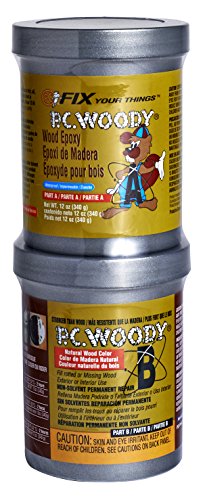
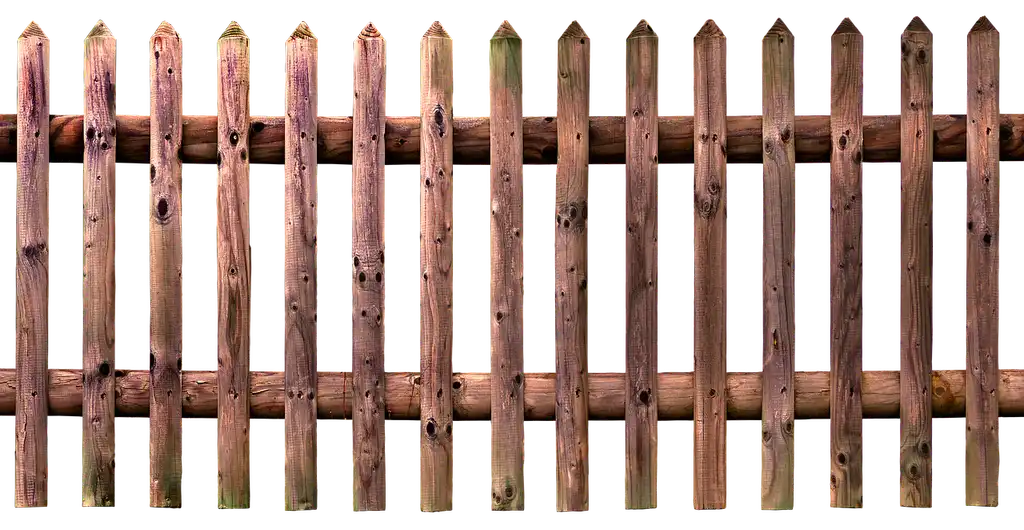
Sort the fence by condition first, then decide whether it needs cleaning, sealing, repair, or replacement. A new untreated fence needs a different plan than a stained or sealed fence, and cracked boards or leaning posts need repair before any finish goes on.
Exposure matters too. Windward runs, shaded sections, low spots, and areas near sprinklers or roof runoff often hold moisture longer and can take more freeze-thaw stress. If water pools at the base, frost heave and post movement become more likely.
What you’ll need
- Exterior wood cleaner
- Brush and hose
- Water-repellent sealant or exterior stain
- Basic hand tools for screws, nails, brackets, hinges, and latches
- Replacement fasteners or damaged boards as needed
- Gloves and eye protection
- Ladder or pruners for branches, if safe to use
- Soft broom or similar tool for snow removal
Winter fence triage table
| Fence condition | Immediate action | Do-not-do warning |
|---|---|---|
| New untreated fence | Clean, dry, then apply a water-repellent sealant or exterior stain before hard freezes if weather allows. | Do not coat damp lumber or trap milling dust under finish. |
| Stained fence | Inspect for worn areas, clean lightly, and recoat only where the finish has aged or failed. | Do not assume stain stops rot at seams, posts, or cut ends. |
| Sealed fence | Check for bare spots, then reapply after cleaning and full drying if the product directions allow it. | Do not add a fresh coat over wet or dirty wood. |
| Already cracked boards | Replace damaged boards before winter or at least before heavy snow loads arrive. | Do not rely on finish to close cracks or stop freeze-thaw splitting. |
| Leaning posts | Check footing depth, drainage, and movement; schedule repair if the post is no longer stable. | Do not expect stain or sealant to correct post movement. |
| Shaded, moist sections | Clear debris, improve drainage, and inspect more often during winter. | Do not leave leaf piles or wet mulch against the base. |
| Snow-prone runs | Trim nearby limbs and plan to remove buildup carefully after storms. | Do not let snow and ice stack up on panels. |
How to protect wood fence from weather
Start with cleaning, repair, and a finish that matches the fence’s condition. Exterior wood cleaner removes dirt, mold, and mildew so wood can take a finish more evenly. A water-repellent sealant helps block moisture intrusion, and exterior stain can add moisture resistance and, in some products, UV protection.
Bronco Fence frames winterizing a wooden fence as 8 tips, including sealant use, stain or paint as an added barrier, and trimming vegetation. That fits the basic rule here: sound wood gets protection; damaged wood gets fixed first.
Step 1: Inspect the fence
- Walk the full line and check boards, pickets, rails, posts, gates, hinges, latches, and fasteners.
- Mark cracks, rot, looseness, rust, and movement.
- Flag shaded sections, low spots, and places where runoff or sprinklers tend to keep wood wet.
Step 2: Clean and repair
- Sweep off leaves, dirt, and loose debris.
- Wash with an exterior wood cleaner if mold, mildew, or grime is present.
- Let the wood dry fully before any coating.
- Tighten screws and brackets; replace rusted or stripped fasteners.
- Replace weak boards or damaged sections now if they are already splitting or soft.
Step 3: Coat only sound, dry wood
- Choose a water-repellent sealant for clear protection or an exterior stain for color plus moisture resistance.
- Apply only when temperatures and product directions allow it.
- Use even coats on exposed faces, ends, and cut edges.
Big Easy Fence recommends mild, dry conditions between 50 and 90 degrees F, plus at least 48 hours without rain before application. Those limits matter because wet wood can trap moisture under the finish and make winter damage worse.
How do you protect posts and exposed runs?
Fence posts need soil stability more than surface coating. Frost heave can move posts in cold climates, and Bronco Fence advises setting posts below the frost line. Drainage around the base matters as much as depth, because pooled water freezes, expands, and pushes the footing.
Exposure also changes the job. Windward runs take more snow drift and branch impact, while shaded sections stay wet longer. In both cases, reducing moisture at the base and cutting back overhead hazards helps the fence survive winter strain.
Protect the base first
- Check for standing water at the post base after rain or thaw.
- Redirect runoff so water does not pool around the footing.
- Backfill or improve drainage where soil stays saturated.
Reduce impact and load
- Trim low-hanging branches and overhanging limbs before storms.
- Clear leaves and debris that trap moisture against rails and pickets.
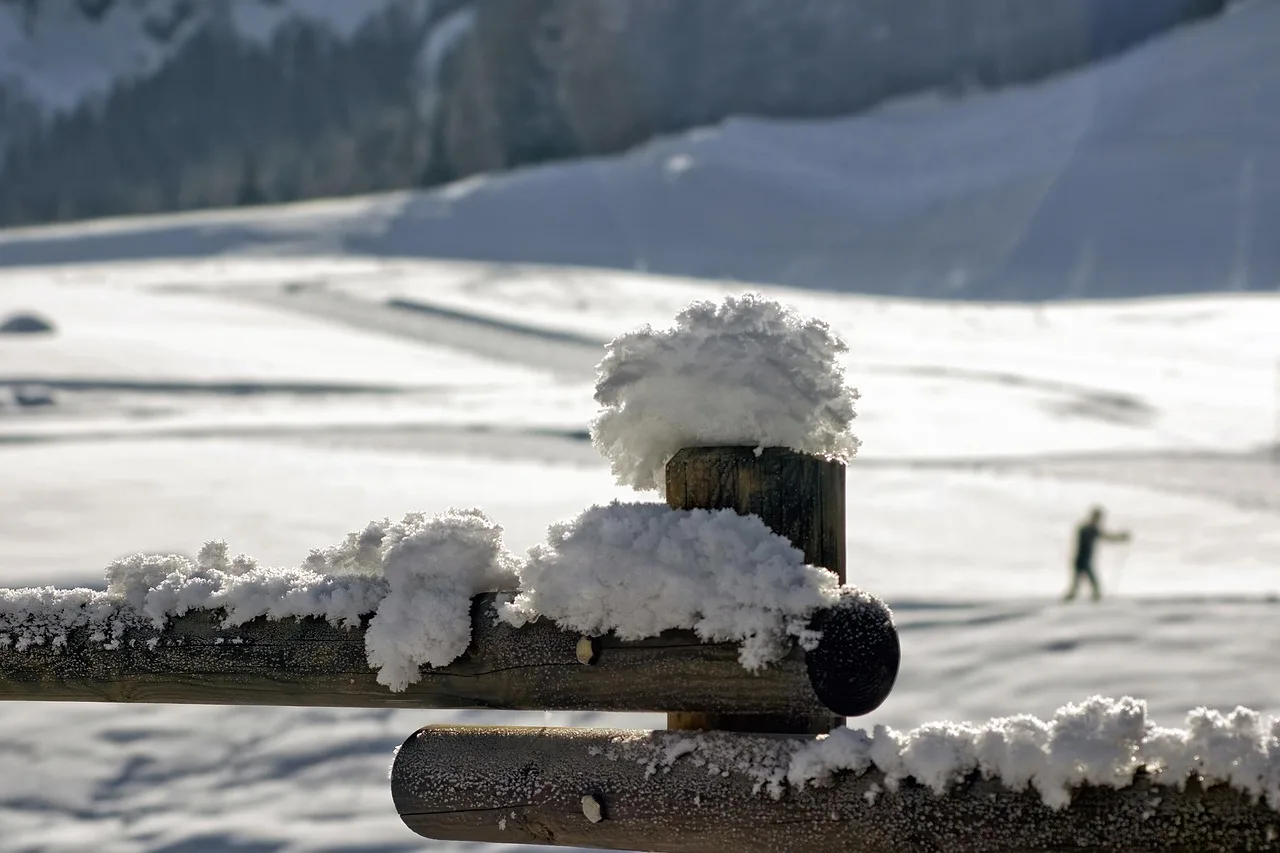
- After snowfall, brush off buildup with a soft tool instead of prying at frozen boards.
Texas Fence & Iron warns that leaves can trap moisture and lead to rot, and it recommends removing low-hanging branches that could collapse onto a fence. That matters most on runs under trees or along roof drip lines.
Can you seal a fence in cold weather?
Only if the wood is clean, dry, and within the product’s temperature range. Sealing wet or frozen wood can trap moisture inside the grain, which may make freeze-thaw damage worse. If the fence is already damp, wait for a dry window rather than forcing the finish.
Use stain when you want moisture resistance plus color, or choose a water-repellent sealant when you want a clearer surface treatment. Strong Wooden Construction notes that cold, moisture, and shifting ground drive winter stress, so the coating is only one part of the fix.
If that didn’t work, try this next
- If the wood still feels damp, wait for a longer dry spell and recheck exposed ends and joints.
- If the surface is dirty or gray, clean it again before coating.
- If cracking or rot is already present, replace the affected boards before adding finish.
For a 6-foot fence, a north-facing section that stays shaded all day is a common example. If that run still feels cool and damp after a dry spell, the safer move is to clean it, let it dry longer, and leave the coating until the surface is ready.
What goes wrong most often?
The biggest failures are simple. Wet wood gets sealed, damaged boards get ignored, and loose posts are left for spring. Those choices let water freeze inside cracks, movement widen joints, and hardware loosen further under moisture and vibration.
A common first-timer mistake is coating a fence right after rain because the surface looks dry. If the boards are still cool and hold moisture in the grain, the finish can trap that water and make winter splitting worse.
Common mistakes
- Sealing wet or dirty wood: clean first, dry fully, then coat.
- Ignoring post movement and drainage: fix footing and runoff, not just the surface.
- Leaving cracked boards and loose hardware for spring: repair now if winter stress will worsen the damage.
- Letting snow and ice pile up: remove buildup carefully after storms.
- Assuming a finish fixes rot: replace soft or failing wood instead.
When winter care is enough, and when it is not
If the fence is sound, level, and only weathered, cleaning, drying, tightening, and sealing can carry it through winter. If boards are soft, posts are leaning, or the base stays saturated, schedule repair or replacement rather than relying on a coating.
Put another way, winter care works for protection. It does not rescue structural failure.
Frequently asked questions
How to protect wood fence from weather: clean the fence, tighten hardware
Clean the fence, tighten hardware, and coat only sound, dry wood with a water-repellent sealant or exterior stain. Focus on ends, joints, and low areas that stay wet. If boards are cracked or posts are moving, repair those issues first or the weather protection will not hold.
Can fences be installed in winter?
Yes, but only if soil conditions, frost depth, and product directions allow it. Frozen ground complicates post setting and drainage, and wet finish work is a poor idea in cold weather. For a winter install, plan for proper footing depth, stable drainage, and postponed finishing until the wood is dry.
Sponsored / affiliate links. As an Amazon Associate I earn from qualifying purchases. I may earn additional commission from eligible campaigns.