Wood Furniture Turning Gray: Causes and How to Restore Color
Wood furniture turns gray mainly from UV weathering, oxidation, or mildew; if the wood is soft, black-spotted, or fuzzy, clean it first, then restore the finish after you identify the cause. Skip diagnosis and you can sand off sound wood, trap moisture, or seal in decay, which shortens the furniture’s life. This guide shows how to tell the causes apart and choose the safest color-restoration method for indoor and outdoor pieces.
What you’ll need

- Soft brush
- Bucket of clean water
- pH-neutral soap
- Wood brightener, often oxalic acid-based
- Fine-grit sandpaper, sanding block, or sanding sponge
- Clean microfiber cloths
- Masking tape and plastic sheeting
- Gloves and eye protection
- Outdoor wood oil with UV blockers, or a matching sealer
- Stain, if the finish plan calls for one
- Stripper, only if an existing finish has failed
Why does wood furniture turn gray?
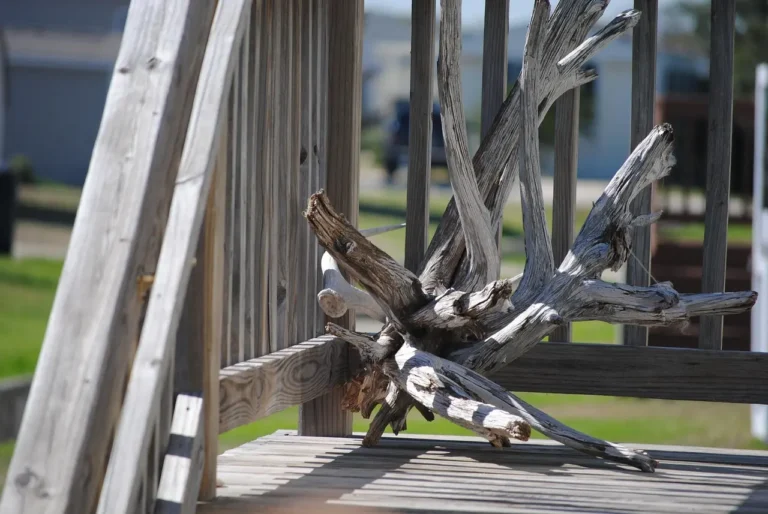
UV exposure is the main driver. Sunlight breaks down lignin, the wood polymer that binds fibers together, and the surface shifts toward a silvery-gray color. That change is strongest on outdoor furniture, especially on faces that get direct sun for hours.
UV, oxidation, and weathering
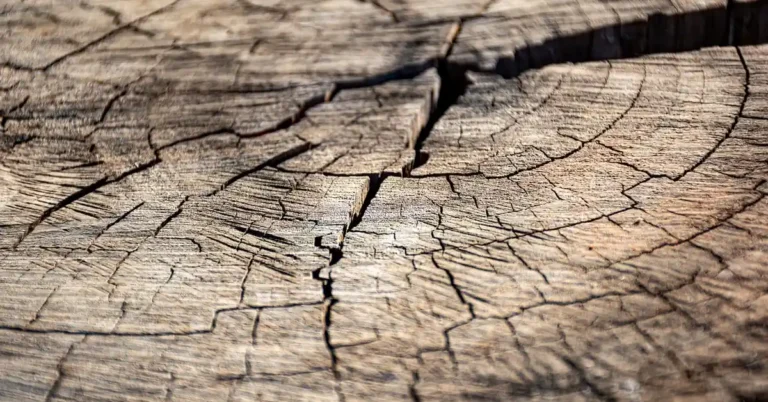
Oxidation also changes surface color, and rain, humidity, and temperature swings add more wear. Weathering opens the surface, moves moisture in and out of the fibers, and leaves the top layer dry, faded, and gray. The result is often cosmetic first, structural later.
Picture a teak bench on a south-facing patio. The seat may fade evenly while the shaded underside stays golden. That pattern points to UV and weathering, not a finish failure hidden through the whole piece.
Mold, mildew, and dirt
Dirt, mold, mildew, and algae can make wood look gray or blotchy without being the main cause. Those deposits cling to damp surfaces and can hide the real color underneath. If the surface looks dirty, clean it first before judging whether the wood itself has grayed.
Is gray wood damaged or weathered?
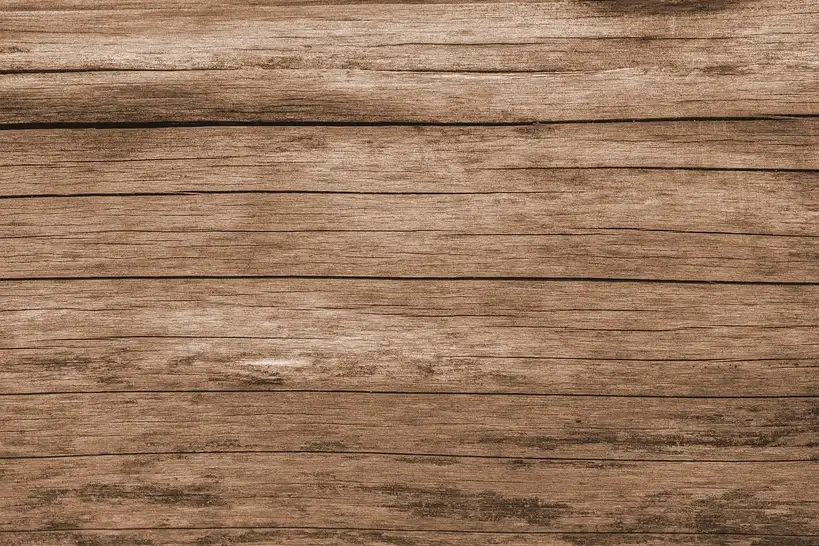
Gray color alone usually means weathering, not deep damage. If the wood is hard, the grain is intact, and the surface is only faded, you often need cleaning, brightening, or light sanding rather than a full repair. Soft spots, black staining, or persistent dampness change that answer.
Signs of cosmetic graying only
Look for even silver-gray fading, dry fibers, and a surface that still feels firm. Teak often turns silvery-gray outdoors, and acacia can do the same within a few months if it is left unfinished. Eucalyptus also develops a soft silver-gray patina outdoors.
Signs of biological growth
Green, black, or slimy patches point more toward biological growth than UV graying. Mold, mildew, and algae can discolor wood, and they often return if moisture is still trapped. If the piece smells musty or stays damp under cushions or joints, stop and inspect those areas.
When gray color points to deeper damage
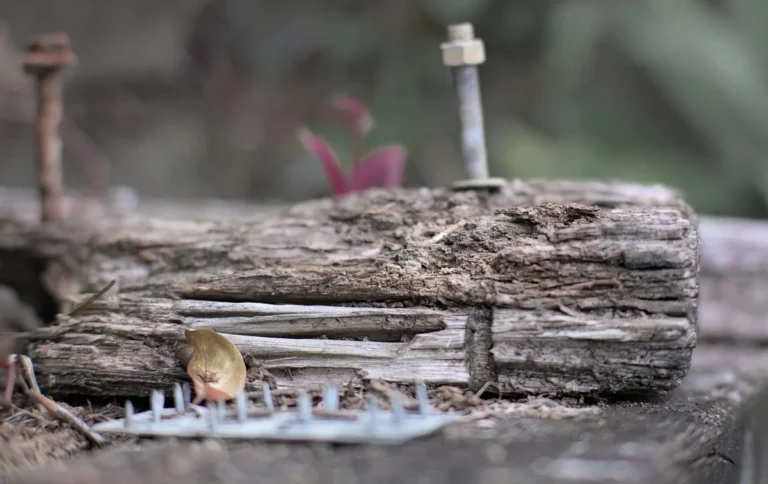
If the surface feels fuzzy, the grain lifts after damp weather, or joints show swelling, the issue is moving beyond color change. At that point, you may need drying time, tighter moisture control, or repair before any finish work. Do not seal over active moisture.
Gray wood decision table
| Symptom pattern | Likely cause | Best restoration method | When to stop and inspect |
|---|---|---|---|
| Silver-gray uniform fading | UV weathering and oxidation | Clean, then use wood brightener; sand lightly only if the gray layer remains; finish with oil or sealer | Stop if the surface is thin veneer, a painted coating, or a glued joint |
| Blotchy gray with dirt | Surface contamination plus weathering | Clean first, let dry, then reassess before sanding or brightening | Stop if dark spots stay after cleaning and the wood feels soft |
| Green-black growth | Mold, mildew, or algae | Clean thoroughly, dry fully, then inspect for retained moisture before any finish | Stop if growth returns quickly or joints stay damp |
| Rough fuzzy grain | Weathered fibers raised by moisture | Clean, dry, then sand lightly in the direction of the grain | Stop if the piece is veneer, painted, or loose at the joints |
| Gray finish over intact coating | Failed topcoat, not bare wood graying | Do not brighten; inspect adhesion, then strip only if the coating has failed | Stop if the coating is still bonded and the color change is only on top |
How do you restore gray wood furniture?
Start with cleaning, then move to brightening or sanding only if the surface still looks gray after it dries. Use the least aggressive method that fits the cause. For a finished piece, match the next step to the existing coating instead of treating bare wood and painted wood the same way.
- Brush off dust and loose debris with a soft brush before other steps.
- Wash with pH-neutral soap and water, then rinse lightly.
- Let the piece dry fully before judging the color.
- Apply a wood brightener if the surface still looks oxidized.
- Sand lightly in the direction of the grain if gray remains after cleaning and brightening.
- Strip only if an old coating is failing, peeling, or uneven.
- Finish with oil, stain, or sealer matched to the existing finish plan and exposure level.
Step 1: Clean the surface and let it dry
A pH-neutral soap is recommended for teak before sanding, and that same gentle approach is a good first move for other outdoor woods. Cleaning removes dirt and biological growth that can mask the true color. Let the piece dry fully before deciding on the next step.
Suppose a teak dining table looks gray but has a green film along the slats. Cleaning may reveal that much of the color loss came from buildup, not from deep fiber damage. If the gray stays after drying, move to brightening.
Step 2: Apply a wood brightener if oxidation remains
Wood brightener, often oxalic acid-based, helps neutralize oxidation and restore tone after cleaning. It is most useful on weathered gray wood that still has sound fibers underneath. Apply it only after the surface is free of dirt, then rinse and dry as directed by the product.
Step 3: Sand lightly when the gray layer is still present
Light sanding removes the weathered surface layer and can reveal fresher wood underneath. Keep the pressure light and sand in the direction of the grain. This is the right move when the wood is sound, but it is a poor choice on thin veneer, painted furniture, or loose glued joints.
Step 4: Strip only if an old finish is failing
If the furniture has a coating that is peeling, cracking, or sticking in patches, the gray look may be a failed finish rather than bare wood weathering. In that case, stripper is safer than aggressive sanding alone. Test a hidden spot first so you know how the existing coating responds.
Step 5: Apply oil, stain, or sealer that matches the finish plan
Outdoor wood oil with UV blockers helps preserve color and adds moisture resistance when used as maintenance. Use stain if you want color plus pigment, and use a sealer when the product system is built for that wood and exposure level. Never use linseed oil on teak.
How do you keep outdoor wood from turning gray again?
Use UV-blocking protection on a schedule, because bare outdoor wood will keep weathering. For teak, acacia, and eucalyptus, regular re-oiling or resealing matters more than one strong treatment. Shade, airflow, and dry storage during long wet periods also slow the return of gray.
Match maintenance to the wood species
Acacia and eucalyptus often come pre-oiled, but that factory look fades outdoors and needs reapplication. Unfinished acacia can turn gray within a few months of sun exposure, and eucalyptus develops a soft silver-gray patina outdoors if left untreated. Teak also turns gray without treatment, like other outdoor woods.
Use the right protection cycle
How often you re-oil depends on exposure. South-facing furniture in full sun usually needs attention sooner than pieces under a porch roof. If water stops beading and the surface looks dry or chalky, it is time to recoat rather than wait for visible gray to return.
Common mistakes
- Sanding before cleaning, which can grind dirt into the grain.
- Sanding through veneer or a thin finish layer.
- Using brightener on an intact painted coating.
- Sealing over mold, mildew, algae, or trapped moisture.
- Skipping a test spot before stripping or refinishing.
- Using linseed oil on teak.
Frequently asked questions
What causes wood to turn gray outdoors?
UV radiation breaks down lignin, and rain, humidity, and temperature swings keep wearing the surface. That combination leaves a silvery-gray look on exposed wood. Dirt and biological growth can add to the color shift, but sunlight is usually the main driver.
What’s the difference between a gray patina and mold on wood furniture?
A gray patina is often even, dry, and firm. Mold or mildew tends to look blotchy, green-black, or fuzzy and often appears in damp areas, under cushions, or in shaded corners. If the discoloration wipes off unevenly or smells musty, treat it as biological growth first.
What product brings back the original color of weathered wood?
A wood brightener, often oxalic acid-based, is the main product for restoring tone after cleaning. It works best on weathered gray wood that still has sound fibers. If the surface still looks gray after brightening, add light sanding before choosing oil, stain, or sealer.
Can teak, acacia, and eucalyptus furniture all turn gray?
Yes. Teak will turn gray without treatment, acacia can turn gray within a few months of sun exposure if unfinished, and eucalyptus develops a soft silver-gray patina outdoors. All three benefit from cleaning and periodic re-oiling or sealing if you want to keep a warmer color.
How do you restore gray wood furniture without ruining the finish?
Start with cleaning and drying, then check whether you are dealing with bare wood, a weathered surface, or a failing coating. Use brightener on bare wood, sand lightly only when the substrate is sound, and strip finish only when it has failed. Test one hidden area first.
Do I need to sand gray wood furniture before restaining it?
Not always. If cleaning and brightening remove the gray, sanding may be unnecessary. Sand only when the weathered layer is still present, and avoid it on veneer, painted pieces, or loose joints. Restain only after the wood is clean, dry, and evenly prepared.
Sponsored / affiliate links. As an Amazon Associate I earn from qualifying purchases. I may earn additional commission from eligible campaigns.