Best Wood Stains for Birch and Poplar (2026): Research Shows
Use a gel stain or a dye stain with a washcoat on birch and poplar if you want the most even color; choose a wiping stain only when you can live with more blotch and a lighter, grain-forward result. Skip that choice and you can end up with dark patches, muddy grain, and parts that look different after topcoating. This guide compares stain systems for birch and poplar by blotch control, color depth, and grain clarity.
Quick comparison
| Product | Badge | Best for | Price | ||
|---|---|---|---|---|---|
 |
Minwax 618514444 Water-Based Pre- Stain Wood Conditioner, 1Minwax | Our pick | 1 qt · clear · water-based conditioner | $14.99
Price as of 28 Oct 2026
|
View |
 |
Varathane Provincial Wood Stain | Oil-Based, Interior WoodVarathane | Also great | quart · oil-based · Provincial | $14.83
Price as of 28 Oct 2026
|
View |
 |
General Finishes Water Based Dye, 1 Quart, Dark BrownGeneral Finishes | Upgrade pick | 1 qt · dark brown · water-based dye | $39.95
Price as of 28 Oct 2026
|
View |
The short version: gel stain is the safest all-around pick for blotch control on both species, because its thicker body slows soak-in on birch and poplar. Oil stain can go darker with more open time, while water-based stain is better when odor and cleanup matter more than maximum control.
📊 wikiHow instructs readers to stain conditioned wood within 2 hours of drying. Source: How to Stain Wood (with Pictures).
How we chose
This guide weighs four points that matter on birch and poplar: blotch control, color depth, grain visibility, and how much prep you want to do. It also separates the two woods, because birch and poplar do not absorb stain the same way.
Birch has a light, creamy grain that takes stain unevenly unless the right formulation is used. Poplar is light and straight-grained, but it can still turn patchy under many liquid stains, especially when you want a darker finish.
The comparison below uses the stain system, the prep step that helps it work, and the project type it fits best.
Wood stain decision table
| Wood species | Desired color depth | Recommended prep | Recommended stain type | Expected blotching risk | Best-use project type |
|---|---|---|---|---|---|
| Birch | Light, clear grain | 220-grit smoothing, then conditioner | Water-based stain | Medium | Cabinet doors, paneling, light furniture |
| Birch | Medium brown | 150 to 180-grit sanding, then conditioner | Gel stain | Low to medium | Furniture, drawer fronts, vertical panels |
| Birch | Dark walnut | Conditioner or dewaxed shellac washcoat | Gel stain or dye stain with washcoat | Low | Cabinetry, trim, matching darker species |
| Poplar | Light, even tone | 150 to 180-grit sanding, optional conditioner | Water-based stain or light gel stain | Medium | Paint-grade substitutes, crafts, simple casework |
| Poplar | Medium brown | Conditioner on test board first | Gel stain | Low to medium | Cabinets, shelving, flat panels |
| Poplar | Dark walnut | Dewaxed shellac washcoat, then stain | Dye stain or gel stain | Low | Furniture, built-ins, darker interior trim |
Gel stain: best for blotchy birch and poplar
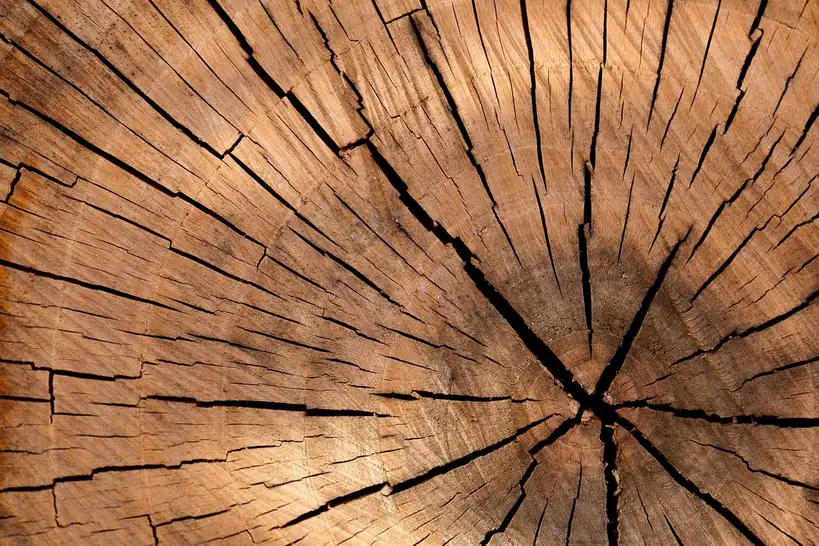
Gel stain is the safest all-around pick when you want control on these woods. Its thick, no-drip formula slows absorption, which helps on birch and poplar when the goal is more even color and less patchiness. It also suits vertical surfaces because it stays where you put it.
That makes gel stain a strong first choice for cabinets, doors, and paneling. Varathane Total Control Gel Stain is described as a thick, no-drip gel formula, and the poplar page says it dries to the touch in about one hour.
Its main limit is grain visibility. You get more control, but less penetration than a wiping stain, so the figure may look a little flatter if you want a very transparent finish.
When it solves the problem
Choose gel stain when you want a medium brown or dark walnut look without fighting blotches. It is especially useful on birch, where dense and porous areas can take color at different rates, and on poplar, where even a straight grain can turn uneven under liquid stain.
Where it works best
Gel stain fits cabinets, drawer fronts, trim, and vertical panels. It is also a good option when the piece has large visible areas and you want one stain system that is easier to control than a thin wiping stain.
Limits to watch
Gel stain is not the best choice if you want the deepest possible penetration or the clearest grain. It still needs clean sanding and a scrap test; it lowers risk, but it does not fix poor prep.
What stain works best on birch?
For birch, the safest starting point is a water-based stain with blotch control, or a gel stain if you want a darker, more even result. Birch has a light, creamy grain that takes stain unevenly unless you control absorption first.
Water-based stain is useful when you want lower odor, faster dry times, and easier cleanup on birch. Gel stain is the better bet when you need more control on cabinet faces, paneling, or any vertical part where liquid stain can run or soak unevenly.
Clear grain and light color goals
If you want birch to stay light and show more of its natural grain, sand to a smooth surface and use a water-based stain or a very light wiping stain over conditioner. That keeps the look cleaner, but it also gives you less protection against blotching than a gel system.
Medium brown and walnut goals
For medium brown or walnut on birch, go to gel stain or a dye stain with a washcoat. A simple conditioner can help, but it is often not enough when you want a darker finish and the board has obvious density changes.
When to use conditioner or shellac washcoat
Use pre-stain conditioner as a first fix. It is commonly reported to reduce blotching, and many products call for about a 5 to 15 minute wait before staining. If that still leaves patchiness, a dewaxed shellac washcoat is the more controlled option.
What stain works best on poplar?
Poplar does best with conditioner, gel stain, or a shellac washcoat when you want an even finish. It is a light, straight-grained wood commonly used in cabinetry and crafts, but it can still turn blotchy with many stains, especially when the goal is a darker look.
For simple jobs, a conditioner plus a water-based or oil-based stain can be enough. For darker color, gel stain usually beats a thin liquid stain because it slows down absorption and hides uneven uptake better.
Getting even color on soft, straight grain
If the project is a poplar cabinet or craft piece and you want a gentle brown, start with 150 to 180-grit sanding and a conditioner. That gives you a cleaner starting surface without closing the grain too much.
When gel stain beats liquid stain
Gel stain wins when you want more predictability. Poplar can look smooth and still take stain in patches, so a thicker stain often gives a better result than a liquid formula that soaks in too fast.
When a conditioner is enough
Use conditioner when the target is a lighter color and the board is already fairly even. If you are matching nearby trim or keeping the finish soft and natural, conditioner plus a good test board may be all you need.
Is gel stain better than oil stain?
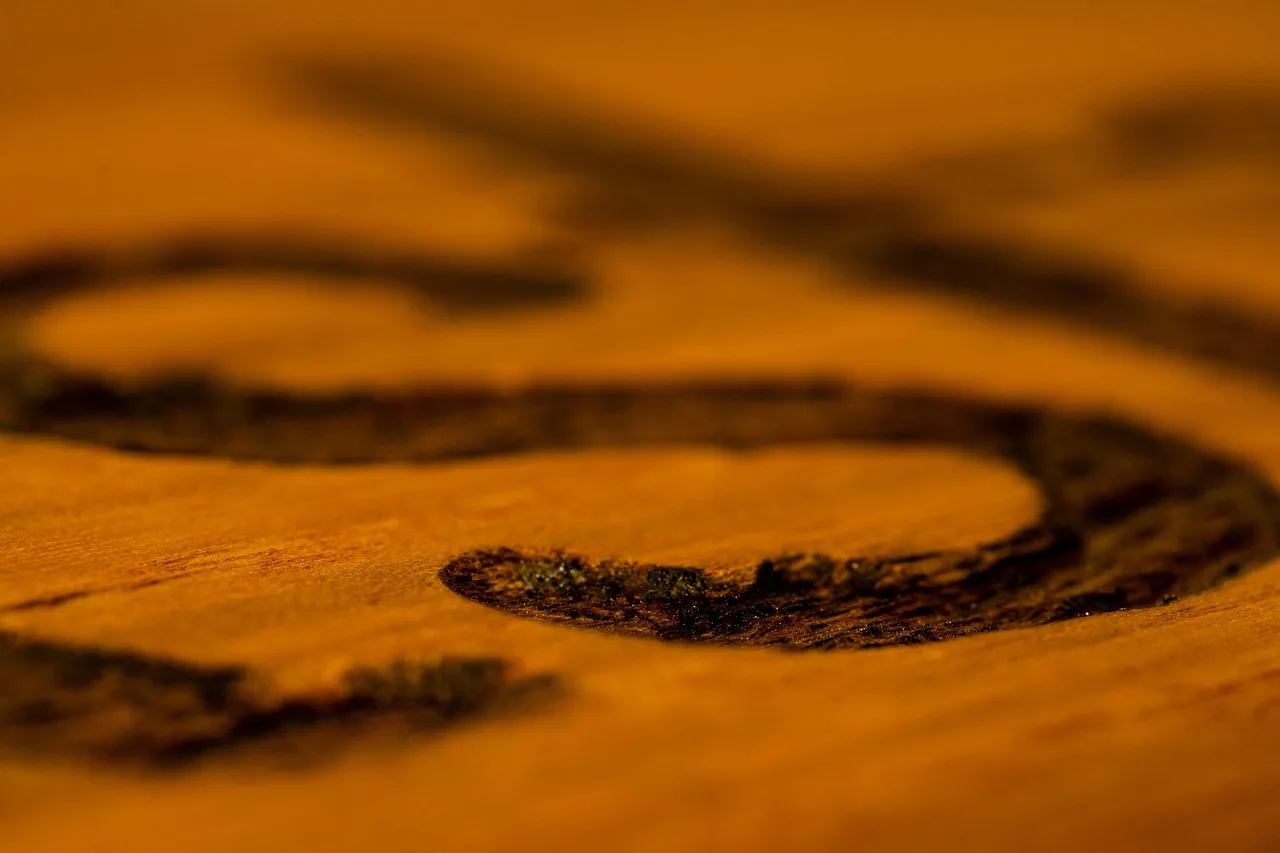
Gel stain is better for control, while oil stain is better when you want deeper penetration and more open time. On birch and poplar, that usually means gel stain gives a more even finish, and oil stain gives a warmer look with a stronger chance of blotching.
Oil-based stain dries more slowly, has a stronger odor, and gives longer open time. Water-based stain dries faster and cleans up with soap and water, but it can raise grain on some woods. Gel stain sits in between in a practical way, less penetration and more control.
Control versus penetration
If the project needs uniform color more than deep grain movement, choose gel. If you want the stain to sink in and bring out more of the wood structure, oil stain makes more sense, but you will need stronger blotch control on both species.
Best uses for vertical surfaces
Gel stain is often the better fit for doors, cabinet ends, and paneling because it is less likely to run. A thin oil stain can still work, but you need a careful wipe-off and a tighter watch on the absorption rate.
Tradeoffs in color depth and dry time
Oil stain is attractive when you want a deeper tone and can wait longer between steps. Gel stain is the safer choice when a project must stay even across large, visible surfaces and you do not want the finish to chase every density change in the wood.
How do you avoid blotchy stain?
Start with the right grit, control absorption, and test on scrap from the same board or sheet. On birch and poplar, blotching usually comes from uneven sanding, uneven conditioner, or a stain that goes on too wet for the wood’s absorption pattern.
A common first-timer mistake is sanding one area smoother than the rest. A cabinet door with one edge at 220-grit and the face at 150-grit can read as two different colors after stain.
Sand to the right grit
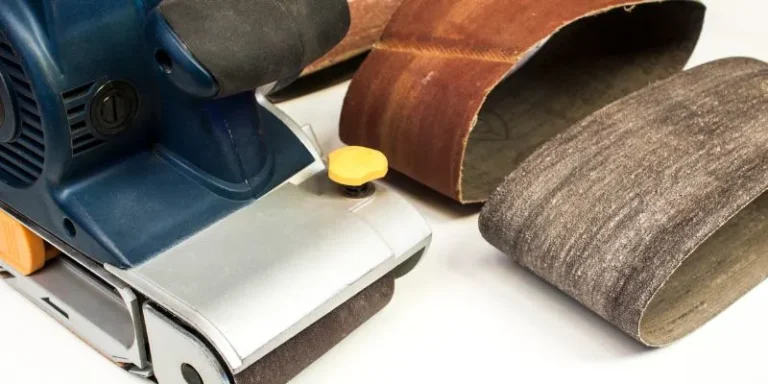
Hods says sanding to 150 or 180-grit is suitable for most staining applications. It also warns that going finer than 220-grit can reduce stain color by closing pores. wikiHow starts the sanding process with 120-grit sandpaper, then moves toward a finer finish.
For birch and poplar, 150 to 180-grit is a commonly recommended general range. Use 220-grit only when you want a smoother surface before conditioning or staining, and stop there rather than going finer.
Use conditioner or dewaxed shellac
Pre-stain conditioner is the standard first fix. Apply it thinly and evenly, then follow the label; many products call for a 5 to 15 minute wait, and wikiHow says conditioned wood should be stained within 2 hours of drying. If conditioner does not level the board enough, move to dewaxed shellac.
Hods identifies shellac washcoat as the professional furniture maker’s approach. The washcoat is described as a 1-pound cut made from shellac and denatured alcohol, and it gives you a more controlled barrier when you need finer blotch control.
Wipe off excess and test on scrap
Every stain system should be tested on scrap from the same board or sheet before the real piece gets color. Wipe off excess stain before it starts to set, then let it dry fully so you can judge the true result, not the wet look.
Say your birch cabinet door looks evenly toned while wet but turns patchy after drying. That is the point where a shellac washcoat or a switch to gel stain often solves the problem better than another coat of the same liquid stain.
Quick picks
The right pick depends on how much control you need and how much grain you want to see. Use the list below to match the stain system to the finish goal, then confirm it on scrap from the same project material.
- Best overall for blotch control: gel stain on birch or poplar.
- Best for low odor and faster cleanup: water-based stain, especially on birch.
- Best for deeper color and longer open time: oil-based stain when you can tolerate more odor and slower dry time.
- Best for custom shade and clear grain: dye stain with a shellac washcoat.
Which one should you buy?
If you are choosing for cabinets or paneling, start with gel stain. It gives the most predictable color on vertical surfaces and is the safest way to soften blotching on both birch and poplar without a lot of extra steps.
If you want a darker furniture color and still want some grain to read, go with an oil-based stain on poplar or birch only after conditioning or a washcoat. If low odor and quick drying matter more, choose a water-based stain and expect to spend more time on surface prep.
If the goal is a custom shade with clear grain and a more refined look, use a dye stain with a dewaxed shellac washcoat. That setup takes more control, but it gives you the most even custom color when the wood itself is fighting back.
For a simple path, use this sequence: sand, test, control blotch, stain, let dry, then topcoat. On birch and poplar, that order matters more than the brand name on the can.
Frequently asked questions
What is the best wood stain for birch without blotching?
Gel stain is the safest choice for birch when blotch control matters most, with water-based stain and conditioner as a lighter option. Birch has a light, creamy grain that absorbs unevenly, so the best result usually comes from slowing absorption first rather than pushing color deeper right away.
What is the best wood stain for poplar for an even finish?
Gel stain is usually the most even option on poplar, especially for cabinetry and furniture. A conditioner can work for lighter tones, but poplar often turns patchy under thin liquid stains, so a thicker formula is better when you want a consistent result across the board.
Do I need wood conditioner before staining birch or poplar?
Not every job needs conditioner, but it is the standard first step on both woods. It helps reduce blotching, and many products call for staining within 2 hours of drying. If the stain still looks uneven on scrap, step up to a dewaxed shellac washcoat or gel stain.
Is gel stain better than oil stain on birch and poplar?
For evenness, yes. Gel stain gives better control on blotch-prone birch and poplar because it slows absorption and works well on vertical surfaces. Oil stain still has a place when you want deeper penetration and longer open time, but it needs more careful prep and wipe-off.
How do I avoid blotchy stain on hard-to-stain woods?
Sand to the right grit, use a conditioner or dewaxed shellac washcoat, and test on scrap before touching the final piece. Uneven sanding is a common cause of patchy results.
What grit should I sand birch or poplar before staining?
For most projects, 150 to 180-grit is the best range. wikiHow begins with 120-grit for initial prep, and 220-grit is useful when you want a smoother surface before conditioning or staining. Going finer than 220-grit can reduce how much stain the wood accepts.
Can I use water-based stain on birch and poplar?
Yes. Water-based stain works well when you want lower odor, faster dry times, and easier cleanup, especially on birch. It can raise grain on some woods, so the prep has to be clean and even, and a test board matters more because you have less time to adjust once it goes on.
How long should I wait before topcoating stained birch or poplar?
Wait for the stain to dry fully and follow the label, because dry time changes by stain type and film thickness. Water-based products usually move faster, oil-based products usually need longer, and gel stain often falls in between. Topcoating too soon can trap solvent or dull the finish.
Sponsored / affiliate links. As an Amazon Associate I earn from qualifying purchases. I may earn additional commission from eligible campaigns.