How to Make Wood More Durable: 6 Methods That Work
The most effective way to make wood more durable is to keep its moisture content below the level fungi need, then add species choice, sealed end grain, and a maintained finish or rated preservative on top. Each method below targets a different failure, and the right mix depends on whether your wood sits indoors, above ground outdoors, or in the dirt.
Most advice lumps everything together as “seal it and it will last.” That is the myth worth correcting first: a finish only slows water, it cannot rescue wood that is designed to hold it. This guide ranks the methods by what they actually do, when each one fails, and what to buy for the jobs where a product genuinely helps.
The Short Answer: Start With Water, Not Finish
Best Cut-End Preservative Pick
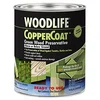 |
Wolman Woodlife CopperCoat Green Wood Preservative, 1 quart, about $21.75 when checked A copper-based brush-on preservative for the spots that fail first: freshly cut ends, drilled holes and post bottoms.
|
Wood decay fungi need moisture, oxygen and a food source. USDA Forest Products Laboratory guidance puts the practical decay threshold at wood moisture content above roughly 20 percent, with serious decay setting in once wood sits above the fiber saturation point of about 30 percent. Keep the wood under about 20 percent and fungal rot generally cannot get started. Every durability method below is really a way to stay under that number, or to make the wood tolerate being over it.
| Threat | What it needs | Best defense |
|---|---|---|
| Rot (decay fungi) | Wood above about 20% moisture content | Drainage, air gaps, durable species, preservative treatment |
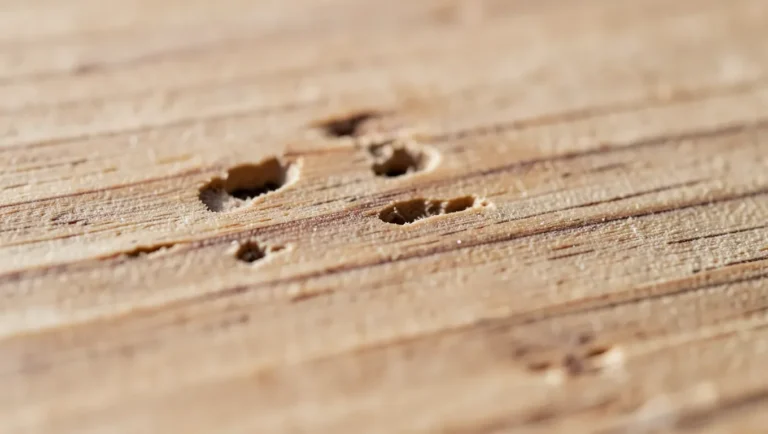
| Insects (termites, borers) | Moisture and untreated wood | Preservative treatment, keeping wood off soil, inspection |
| Sun and UV | Direct exposure | Pigmented finish or stain; UV only damages the surface layer |
| Splitting and checking | Fast moisture swings, unsealed end grain | End-grain sealing, stable or modified wood |
Notice that sunlight mostly attacks the surface, so it is a cosmetic problem before it is a structural one. Rot and insects do the real damage, and both trace back to moisture.
Method 1: Choose a Naturally Durable Species
The cheapest durability upgrade is picking the right wood before you cut anything. Heartwood, the dark inner core, carries natural extractives that resist decay; sapwood, the pale outer band, has far less and rots quickly in most species unless it is treated. The USDA Forest Products Laboratory rates black locust as exceptionally decay resistant, and white oak and old-growth redwood as resistant to very resistant.
Here is how common choices stack up for outdoor use. These are general heartwood ratings, and lumber yard stock varies a great deal.
| Wood | Outdoor decay resistance (heartwood) | Notes |
|---|---|---|
| Black locust | Exceptional (USDA FPL) | Hard to find in lumber yards, very dense |
| White oak | Resistant to very resistant (USDA FPL) | Closed pores make it a classic for barrels and boats |
| Old-growth redwood | Resistant to very resistant (USDA FPL) | Modern plantation redwood is generally less durable |
| Cedar | Commonly rated durable | Soft, so it dents easily; see our explanation of why cedar resists rot |
| Pine, spruce, fir | Generally perishable untreated | Usually bought pressure treated for outdoor use |
| Poplar, whitewood | Low | Better indoors; see whether whitewood works outdoors and poplar outdoors |
Structural pieces such as columns get the worst exposure, so our porch column wood guide is a good example of matching species to a high-risk job.
Method 2: Design the Piece to Shed Water
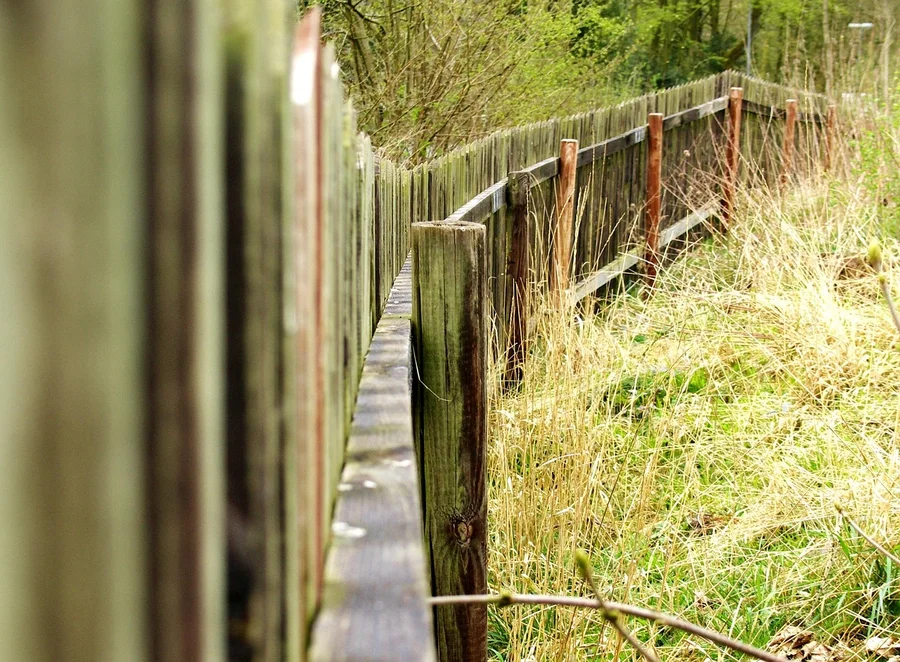
A durable species in a bad detail still rots, because water that cannot leave will eventually win. Good detailing costs nothing and outperforms most products.
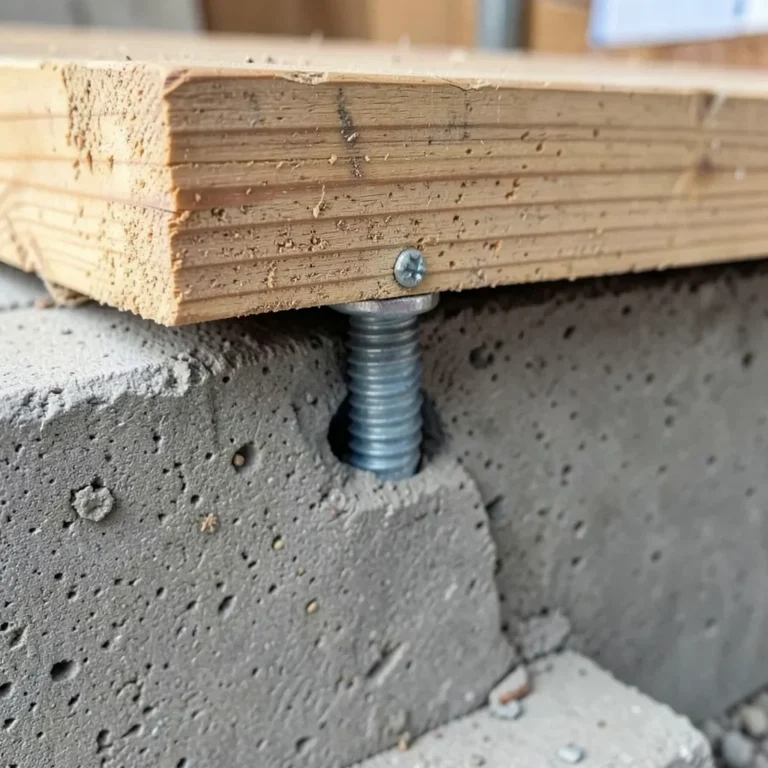
- Keep wood off the ground: use a post base, a gravel bed or a concrete footing rather than burying untreated wood.
- Leave gaps: small spacing between deck boards and behind trim lets wood dry after rain.
- Slope horizontal surfaces: even a slight pitch stops standing water on rails and caps.
- Add a drip edge or cap on the tops of posts and fence boards so water runs off instead of soaking in.
- Use corrosion-resistant fasteners: rusted screws stain wood and open paths for water.
Method 3: Seal End Grain and Every Cut
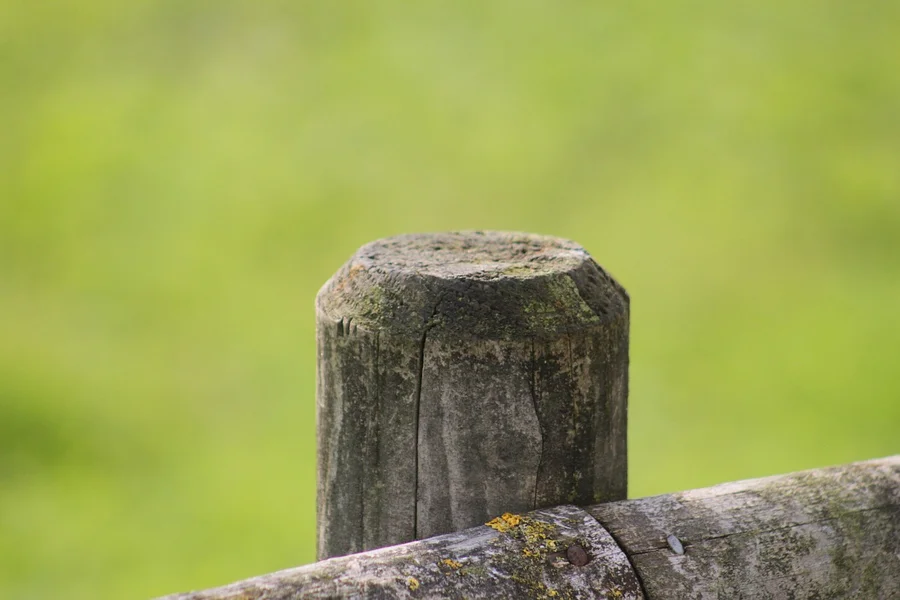
End grain is a bundle of open tubes, and it absorbs water much faster than the face or edge of a board. That is why fence posts and deck boards so often rot from the ends first, and why checking and splitting start there too.
This includes pressure-treated lumber. The preservative penetrates from the outside in, so a fresh cut exposes untreated wood inside the board. Preserved-wood guidance is to field-treat cut ends and drilled holes with a copper naphthenate preservative (about 2 percent copper) for wood used outdoors or in ground contact, which is the job the product above is made for.
Method 4: Choose the Right Finish and Maintain It
Finishes fall into two camps. Film-forming coatings such as paint, varnish and polyurethane sit on the surface. Penetrating oils and stains soak in and leave a thinner layer. Film finishes can block water well while intact, but once they crack and peel, water gets under the film and is slow to leave.
| Finish type | How it protects | Typical weakness |
|---|---|---|
| Exterior paint | Solid pigment film blocks UV and water | Peels if applied over damp or chalky wood |
| Semi-transparent stain | Pigment shields UV; soaks in rather than peeling | Needs regular recoating as pigment fades |
| Penetrating oil | Soaks in, easy to reapply | Little UV protection unless pigmented |
| Spar varnish | Flexible film with UV absorbers | Must be sanded and recoated before it fails |
Two rules matter more than brand. First, apply finish only to dry wood, since sealing damp wood traps the moisture you are trying to keep out. Second, recoat on schedule: intervals vary widely by product and exposure, so follow the manufacturer label rather than a fixed number of years. If you like oil finishes, our comparison of tung oil and linseed oil covers the tradeoffs.
Method 5: Preservative Treatment
Pressure treatment forces preservative deep into the wood, which is far more protective than anything brushed on. For ground contact, treated wood should carry a copper-based preservative such as ACQ or copper azole labeled for that use category, so read the tag on the lumber.
Borates are the exception people misunderstand. They protect against both decay and insects, but they do not fix permanently in the wood and can leach out with rain or wet soil, so they suit interior or fully protected wood. They are a poor match for exposed decks or posts.
Treated wood safety: wear gloves and a dust mask when cutting, follow the product label for disposal, and do not burn treated offcuts. Do not use treated lumber for cutting boards or food-contact surfaces.
Method 6: Modified Wood (Thermal and Acetylated)
Modified wood changes the wood itself rather than coating it. Thermal modification heats wood to high temperatures with little oxygen, which reduces how much water it absorbs and improves stability. The tradeoff is that it can be more brittle, and manufacturers generally do not recommend it for ground contact.
Acetylation, the process behind Accoya, chemically reacts wood with acetic anhydride so it takes on less water. The manufacturer reports the top durability class under European standard EN 350 and offers a warranty of 50 years above ground and 25 years in ground or fresh water. Those are the manufacturer claims, not independent results, and the wood costs considerably more than treated pine, so it makes sense mainly for windows, doors and hard-to-maintain parts.
Which Method Fits Your Project
| Project | Best approach |
|---|---|
| Fence posts in soil | Ground-contact-rated pressure-treated posts; field-treat cuts |
| Deck boards | Durable species or treated lumber, gaps for drainage, maintained stain |
| Outdoor furniture | Cedar or white oak, feet that lift it off the ground, penetrating oil or spar varnish |
| Indoor furniture and cabinets | Keep humidity stable; a simple wipe-on finish is enough |
| Windows and doors | Acetylated or thermally modified wood if budget allows, plus paint |
Rank the methods by cost and payoff: design and end-grain sealing are nearly free and prevent the most failures, species choice comes next, preservative treatment handles the high-risk contact points, and modified wood is the premium option.
Frequently Asked Questions
Does sealing wood make it last longer?
Only when the wood is dry and the sealer is maintained. A sealer slows water uptake but does not stop it, and a film finish over damp wood can trap moisture. Sealing end grain and cut ends helps the most because water enters there fastest.
What is the most durable way to protect outdoor wood?
There is no single best method. The most reliable combination is a naturally durable or properly rated preservative-treated wood, a design that sheds water and keeps wood off the ground, sealed end grain, and a finish you actually recoat.
Can you make softwood as durable as hardwood?
Not by changing its species, but you can close much of the gap. Pressure treatment, thermal modification and acetylation all raise decay resistance in softwoods such as pine, and good detailing keeps any wood drier. Sapwood of nearly every species is perishable without treatment.
Are borate treatments safe to use outdoors?
Borates protect wood from decay and insects but they do not bind permanently in the wood and can leach out when exposed to rain or wet soil. They suit interior or fully protected wood; for exposed or ground-contact wood use a product rated for that exposure.
Conclusion
Durable wood is mostly a moisture-management problem. Pick a species suited to the exposure, detail it so water leaves, seal every cut end, and use a finish or rated preservative you can maintain. Add modified wood only where regular maintenance is impractical.
Sponsored / affiliate links. As an Amazon Associate I earn from qualifying purchases. I may earn additional commission from eligible campaigns.