How to Make Wood Plugs Without a Plug Cutter: DIY Secrets
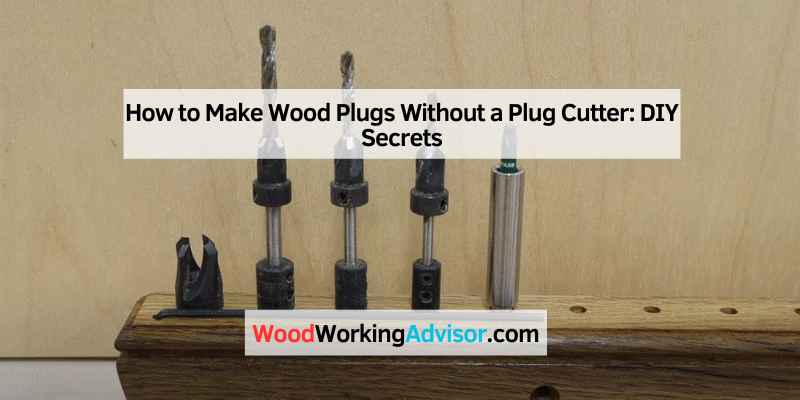
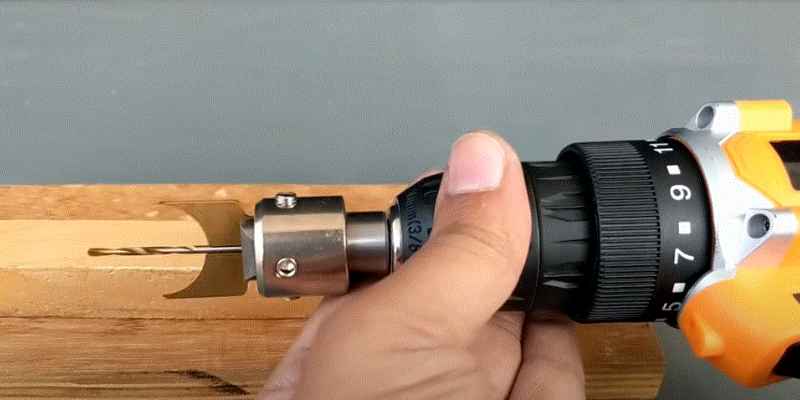
To make wood plugs without a plug cutter, use a drill bit slightly larger than the desired plug size. Cut a small piece of wood, then drill out the plug using the bit.
Creating wood plugs can enhance your woodworking projects, providing a clean and professional finish. These plugs fill holes or gaps left by screws, dowels, or other fasteners. While plug cutters are handy, they aren’t always necessary. With some basic tools and techniques, you can easily craft your own wood plugs.
This process not only saves money but also allows you to customize the wood type and size to match your project. Whether you’re repairing furniture or completing a DIY project, learning to make wood plugs expands your woodworking skills and enhances your results.
Introduction To DIY Wood Plugs
Making wood plugs at home offers great satisfaction. Handmade customization allows for unique designs. You can match your wood plugs to your project perfectly.
Essential materials for making wood plugs include:
- Wood scraps of your choice
- Drill with various drill bits
- Sandpaper for smoothing edges
- Wood glue for securing plugs
- Clamps to hold pieces together
Gathering these materials will help you create effective wood plugs. Enjoy the process and let your creativity shine!

Selecting The Right Wood
Select wood that matches the grain and color of your project. This creates a seamless look. Choose a wood type that offers durability. Hardwoods like oak or maple are great options.
Softwoods such as pine are easier to work with but may not last as long. Always consider the environment where the wood will be used. Weather-resistant options are best for outdoor projects.
Using similar wood types ensures that the stains and finishes blend well. This attention to detail enhances the overall appearance of your work.
Tools You’ll Need
To make wood plugs without a plug cutter, use common tools. A drill is essential for creating holes. Drill bits of various sizes will help shape your plugs. A chisel can refine the edges for a better fit.
For substitutes, a hole saw can create larger plugs. A router with a straight bit also works well. Dowel rods can serve as plugs if cut to size.
Safety is crucial in woodworking. Always wear safety goggles to protect your eyes. Use ear protection when working with loud tools. Wearing a dust mask can prevent inhaling wood particles.
Preparing The Workspace
Before starting, ensure your workspace is clean and organized. A tidy area helps you focus. Gather all necessary tools, like a saw, drill, and sandpaper. Place them within easy reach.
Consider using a workbench or a sturdy table. This provides a solid surface for your tasks. Make sure to have good lighting. Proper lighting helps avoid mistakes and accidents.
Keep safety gear close by. Use gloves and safety glasses to protect yourself. Organizing tools in boxes or drawers can save time. A clean space leads to better results.
Marking And Drilling Holes
Start by measuring the hole’s diameter. Use a ruler for accuracy. Mark the center of each hole clearly. This helps ensure correct drilling.
For drilling straight, use a drill press if possible. A drill press keeps the bit aligned. If using a hand drill, hold it steady.
Make a guide block to improve precision. Cut a block of wood to fit the drill bit. This block helps maintain the correct angle.
Practice on scrap wood before drilling the final holes. This builds confidence and improves technique. Always wear safety glasses while drilling.
Shaping The Plugs
To shape wood plugs, use simple hand tools. A chisel and a mallet work well together. Start by carving the wood into a rough shape. Make sure to apply steady pressure for better control.
Next, focus on sanding. Use fine-grit sandpaper for a smooth finish. Sand in a circular motion to avoid flat spots. Check the plug often to ensure it feels nice to the touch.
Different tools can help with shaping and sanding. Try using a files for finer details. A block sander can cover larger areas quickly. Keep the workspace organized for best results.
Fitting The Plugs
To ensure a good fit for the wood plugs, start by inserting them into the holes. Check for any gaps or spaces around the plug. A snug fit is essential for a strong bond.
Use sandpaper to smooth the edges of the plugs. This helps them fit better in the holes. If the plugs are too large, trim them down carefully with a knife.
Test the fit repeatedly until it feels just right. The plugs should sit flush with the surface. A perfect match makes the final look more professional.
Remember to check the color and grain of the wood. This will help the plugs blend in nicely. Matching the wood will enhance the overall appearance of your project.
Finishing Touches
Gluing the wood plugs is important for a strong hold. Use a good quality wood glue. Apply the glue to the hole and the plug. Press the plug in firmly. Wipe away any excess glue with a damp cloth.
After the glue dries, sanding is key for a smooth finish. Start with coarse sandpaper to remove rough edges. Gradually move to finer sandpaper for a polished look. Always sand in the direction of the wood grain.
Staining the plugs can match the wood’s color. Choose a stain that suits your project. Apply the stain with a clean cloth. Allow it to soak in for the best results.
Troubleshooting Common Issues
Dealing with misfit plugs can be tricky. First, check the diameter of your plugs. Use a caliper to ensure they match the hole size. If they are too big, sand them down carefully.
For plugs that are too small, fill gaps with wood filler or glue. This can help create a smooth finish. After drying, sand the area for a seamless look.
Fixing visual inconsistencies can improve the overall appearance. Choose plugs from the same wood batch for color consistency. Stain or paint the plugs to match the surrounding wood.
Use a clear finish to blend the plugs with the wood. This adds protection and enhances the look. Be patient; small adjustments can lead to great results.
Beyond The Basics
Wood plugs serve many creative purposes beyond simple repairs. They can enhance the look of furniture. Use them to fill holes in wooden surfaces for a smooth finish. Decorative wood plugs add character to projects. Consider using different types of wood for varied effects.
Wood plugs also work well in craft projects. Create unique art pieces using painted or stained plugs. Build custom coasters or keychains with your wood plugs. They can also be used in jewelry making for a rustic touch.
Experiment with sizes and shapes. This flexibility encourages personal expression in your woodworking. Use plugs to highlight a design or create a focal point.
Frequently Asked Questions
How Can I Make Wood Plugs Without A Cutter?
You can create wood plugs using a drill and a round-shaped object, like a dowel or a bottle cap. Simply trace the shape onto a piece of wood, cut it out with a saw, and sand the edges for a smooth finish.
This method is simple and effective.
What Materials Do I Need For Making Wood Plugs?
To make wood plugs, you will need a piece of wood, a drill, a saw, and sandpaper. You may also use a round object for tracing. Choose a hardwood for durability. These materials will help you create high-quality plugs without needing specialized tools.
Are Homemade Wood Plugs Durable?
Yes, homemade wood plugs can be durable if made from quality wood. Using hardwoods like oak or maple increases longevity. Proper sanding and fitting ensure a snug fit. This prevents wear and tear, making your plugs reliable for various woodworking projects.
Can I Use Softwood For Plugs?
While you can use softwood for plugs, it’s not ideal. Softwoods are less durable and may wear down faster. If strength is a priority, opt for hardwoods instead. They provide better stability and a longer lifespan in your woodworking projects.
Conclusion
Making wood plugs without a plug cutter is a rewarding skill. With simple tools and techniques, anyone can create custom plugs easily. This method not only saves money but also enhances your woodworking projects. Embrace the challenge, and enjoy the satisfaction of crafting your own wood plugs with precision and creativity.