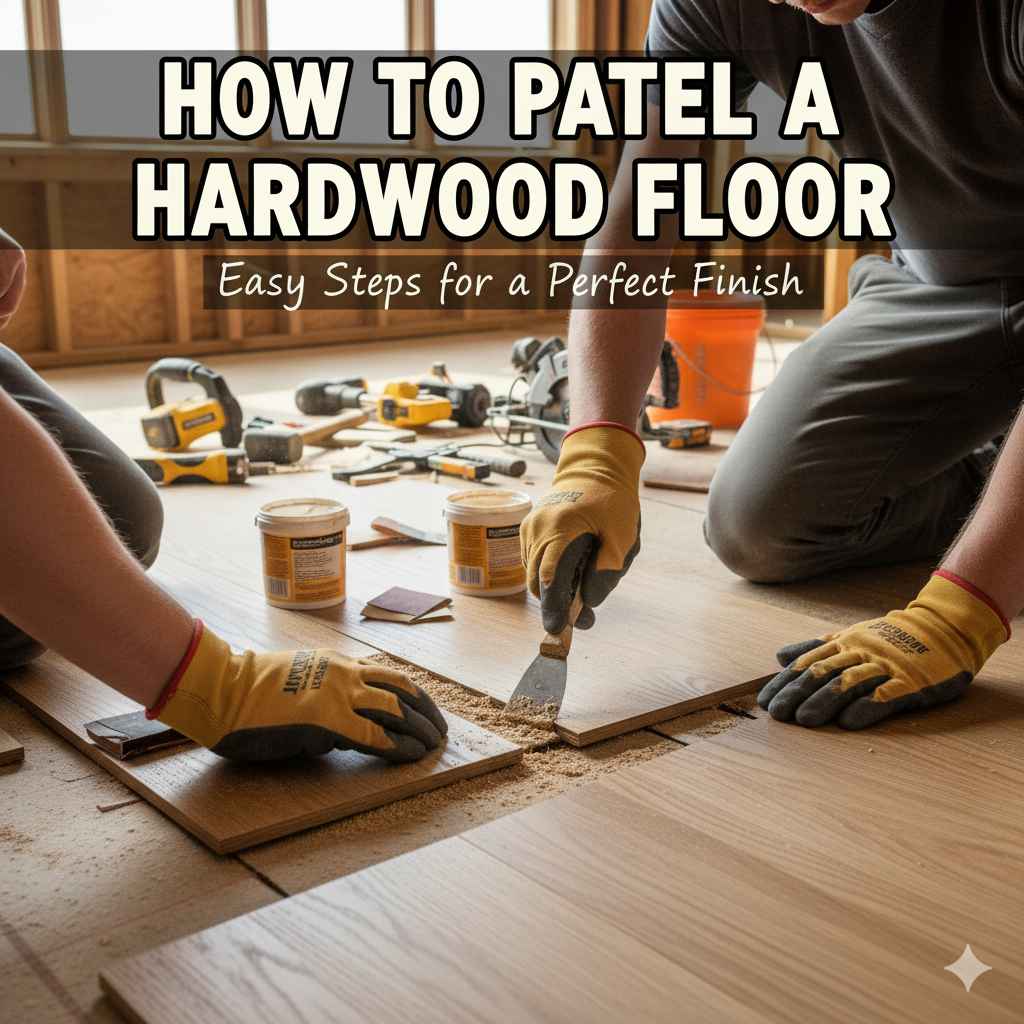
How to Patch Hardwood Floor: Easy Steps for a Flawless Fix
Is your beautiful hardwood floor showing signs of wear, scratches, or small dents? You don’t have to replace the entire floor or spend a fortune on repairs.
With the right steps, you can patch your hardwood floor yourself and bring back its original shine. Imagine how satisfying it will be to see your floor looking smooth and flawless again. Keep reading, and you’ll discover easy, practical tips that anyone can follow to fix those imperfections quickly and effectively.
Your floor deserves to look its best, and you’re just a few steps away from making that happen.
Tools And Materials Needed
Preparing to patch a hardwood floor requires the right tools and materials. Having these ready makes the job easier and the results better.
This section lists the basic items you will need. Each tool and material plays a key role in the repair process.
Tools Needed
A hammer is essential for removing damaged boards and securing new ones. A pry bar helps lift old flooring carefully without causing extra damage. A saw, like a handsaw or jigsaw, cuts new wood pieces to size.
You will also need a measuring tape to get exact board dimensions. A chisel helps clean out old glue or debris. Sandpaper smooths rough edges and prepares the surface for finishing.
Materials Needed
Matching hardwood boards are vital for a seamless patch. Use wood glue to secure smaller pieces or tight spots. Nails or finishing nails hold boards firmly in place.
Wood filler fills small gaps and cracks for a smooth look. Stain or finish matches the patched area with the rest of the floor. Clean rags help wipe off excess glue or finish.
Identifying Damage Types
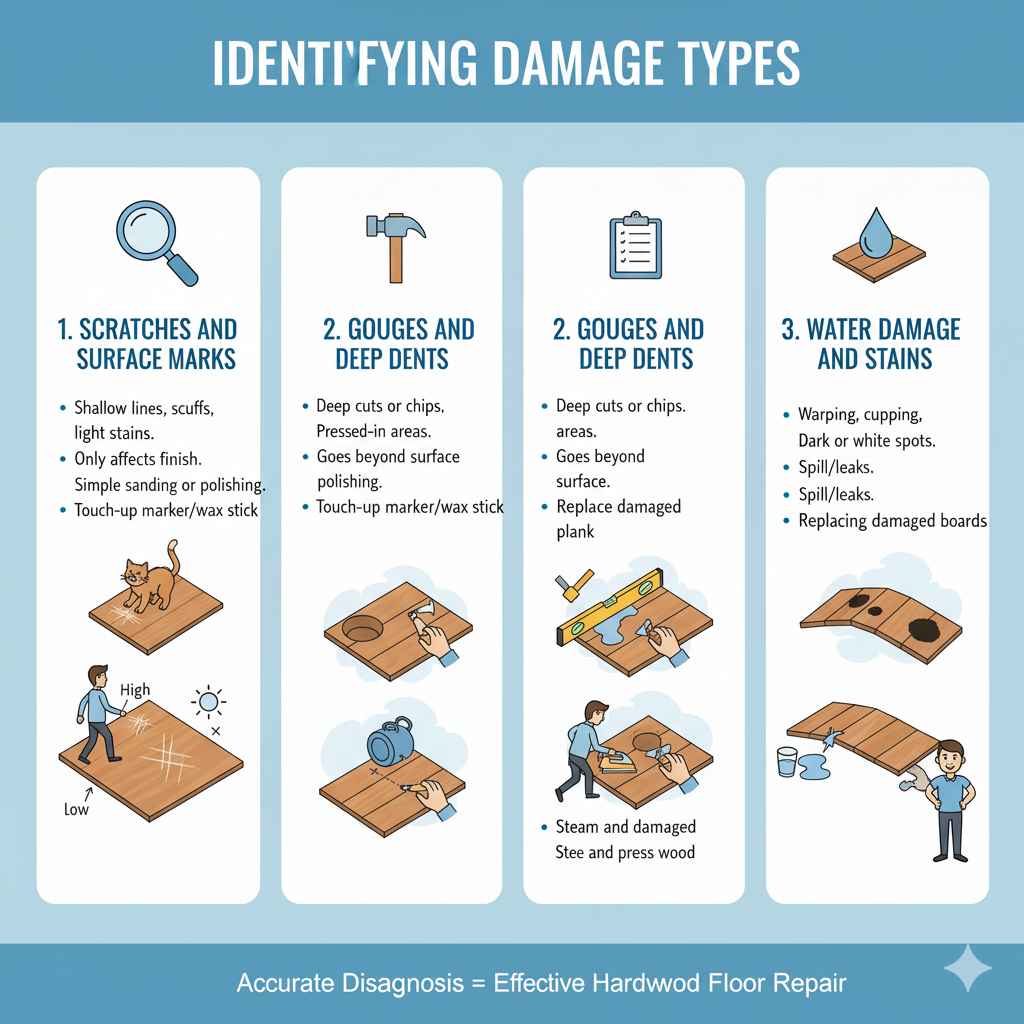
Knowing the type of damage on your hardwood floor helps choose the right repair method. Different damage types need different fixes. Identifying the damage clearly saves time and effort.
Scratches And Surface Marks
Scratches are shallow lines on the floor’s surface. They often happen from moving furniture or pets’ claws. Surface marks include scuffs and light stains. These damages usually affect only the finish, not the wood itself.
Most scratches and marks can be fixed with simple sanding or polishing. Sometimes, a touch-up marker or wax stick restores the floor’s look.
Gouges And Deep Dents
Gouges are deep cuts or chips in the wood. Dents are pressed-in areas, caused by heavy or sharp objects. These damages go beyond the surface and need more work.
Fixing gouges often requires filling with wood putty or replacing the damaged plank. Dents might be lifted by steaming and pressing the wood back into shape.
Water Damage And Stains
Water damage can cause warping, cupping, or discoloration. Stains may leave dark or white spots on the wood. These damages happen from spills or leaks left untreated.
Repairing water damage can be tricky. Sometimes sanding and refinishing work. Other times, replacing damaged boards is necessary to restore the floor.
Preparing The Area
Preparing the area is the first step in patching a hardwood floor. It makes sure the repair lasts long and looks good. You need a clean, smooth surface before fixing the damaged spot. This process helps the patch blend well with the rest of the floor. Follow these simple steps to prepare your floor properly.
Cleaning The Floor
Start by cleaning the floor around the damaged area. Use a broom or vacuum to remove dust and dirt. Then, wipe the surface with a damp cloth. Avoid using too much water to prevent damage. Clean floors help the patch stick better and look smooth.
Removing Loose Debris
Check the damaged spot for loose wood pieces or splinters. Carefully pull out any loose debris with your hands or tweezers. Clear away all broken pieces to create a solid base. Removing loose debris prevents bumps and uneven patches later.
Sanding The Damaged Spot
Use sandpaper to smooth the edges of the damaged area. Sand gently to remove rough spots and level the surface. This step helps the patch blend with the surrounding floor. A smooth surface allows better adhesion and a clean finish.
Filling Small Scratches And Cracks
Small scratches and cracks on hardwood floors can make the surface look old and worn. Filling these tiny flaws improves the floor’s appearance and protects the wood from further damage. This process is simple and does not require special skills. Using the right materials and steps ensures a smooth and natural finish.
Choosing The Right Wood Filler
Select a wood filler that matches your floor color. Some fillers come in different shades or can be stained after drying. Check if the product is suitable for hardwood floors. Avoid fillers that shrink or crack after drying. Water-based fillers are easy to clean and safe to use indoors.
Applying And Smoothing Filler
Clean the scratch or crack before applying filler. Use a putty knife to press the filler into the damage. Fill the area completely without leaving gaps. Smooth the surface with the knife to level it with the floor. Remove any excess filler carefully to avoid lumps.
Drying And Sanding
Allow the filler to dry fully according to the instructions. Drying time varies by product and temperature. Once dry, sand the filled area gently with fine sandpaper. Sand until the surface is smooth and flush with the floor. Wipe away dust with a soft cloth before finishing.
Repairing Larger Gouges
Larger gouges in hardwood floors need careful repair to restore their look and strength. Small fixes won’t work here. You must remove the damaged wood and replace it with new pieces. This process takes some tools and patience but gives great results.
Start by cutting out the damaged area cleanly. Then, fit new wood pieces that match the floor. Finally, glue and secure the patch so it stays strong and blends well. Each step matters for a smooth finish.
Cutting Out Damaged Wood
Use a saw or chisel to remove the damaged wood. Cut only the affected area. Make straight, clean edges around the gouge. Avoid cutting into good wood. Measure carefully to keep the hole neat.
Fitting Replacement Wood Pieces
Choose wood matching your floor’s type and color. Cut the new piece to fit the hole exactly. Check the fit by placing the piece in the cut-out area. Trim edges if needed. The patch must sit flush with the floor.
Gluing And Securing Patch
Apply wood glue inside the cut-out space. Insert the replacement piece firmly. Press down to remove air gaps. Use clamps or heavy objects to hold the patch in place. Let the glue dry for at least 24 hours before walking on it.
Blending The Patch
Blending the patch into the existing hardwood floor creates a smooth, natural look. This step makes the repair less visible. It takes care and patience. Matching color and shine is key. Follow each step carefully to blend the patch perfectly.
Staining To Match Floor Color
Choose a stain close to your floor’s color. Test the stain on a scrap piece first. Apply stain lightly with a cloth or brush. Let it soak for a few minutes. Wipe off extra stain gently. Repeat until color matches the surrounding wood. Dry the stained patch completely before moving on.
Applying Finish Coats
Use a finish that matches your floor’s shine. Apply a thin, even coat over the patch. Let the first coat dry fully. Lightly sand the patch with fine sandpaper. Clean dust off before the next coat. Apply two or three coats for durability. Each coat should dry well before the next.
Buffing And Polishing
Buff the patch with a soft cloth or buffer. This smooths the surface and blends edges. Polish the area to restore shine. Use gentle, circular motions. Check the patch from different angles. Repeat polishing until the patch matches the floor.
Preventing Future Damage
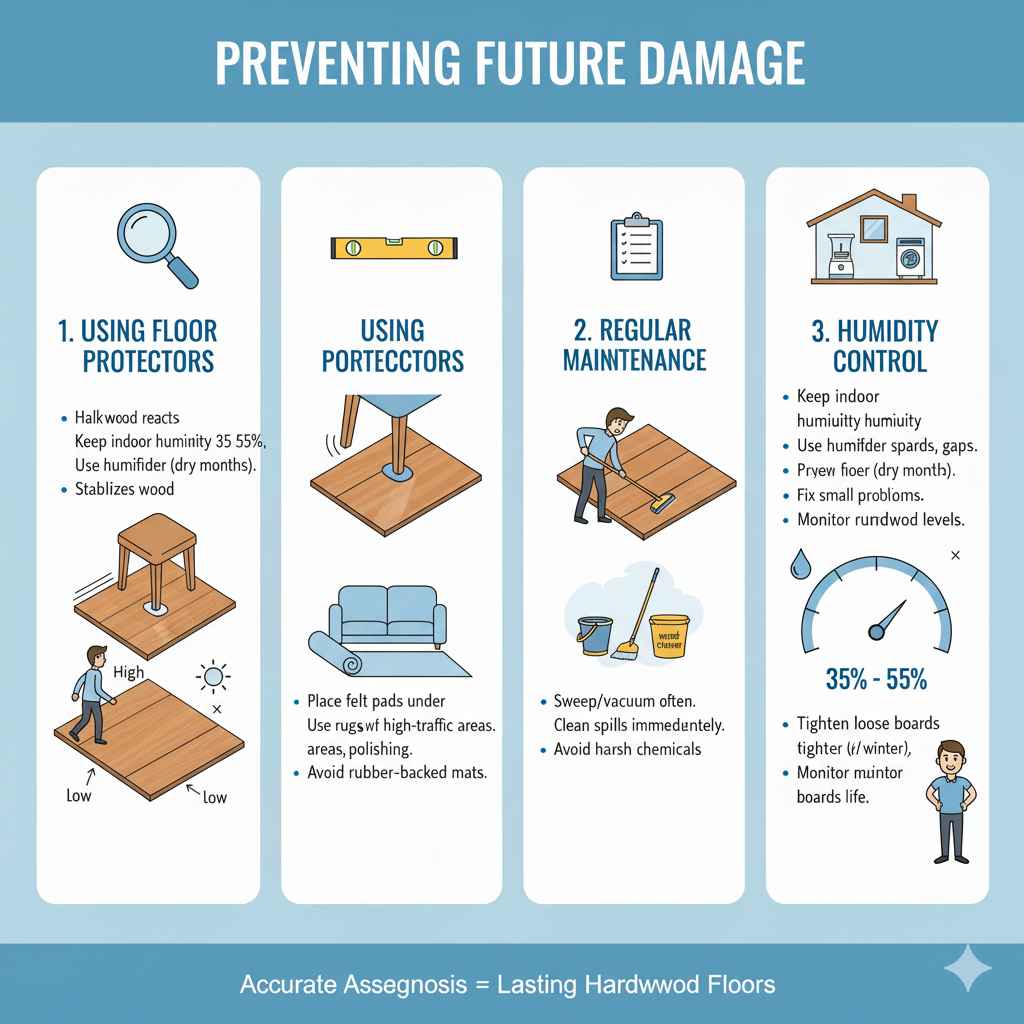
Preventing future damage is key to keeping hardwood floors beautiful and lasting longer. Small steps taken now can save time and money later. Protecting your floor starts with simple habits and smart tools. Follow easy tips to avoid scratches, dents, and warping.
Using Floor Protectors
Place felt pads under furniture legs to stop scratches. These pads glide smoothly when moving chairs or tables. Replace worn-out pads regularly to keep protection strong. Use rugs in high-traffic areas to reduce wear. Avoid rubber-backed mats, which can trap moisture and damage wood.
Regular Maintenance Tips
Sweep or vacuum floors often to remove dirt and grit. Clean spills immediately to prevent stains and water damage. Use a damp mop with wood-safe cleaner for deep cleaning. Avoid harsh chemicals that strip finish or dull wood. Check floors for signs of damage and fix small issues fast.
Humidity Control
Wood expands and contracts with moisture changes. Keep indoor humidity between 35% and 55% to reduce warping. Use a humidifier in dry winter months and a dehumidifier in humid summer. Monitor humidity levels with a simple gauge. Proper control helps maintain floor stability and appearance.
Frequently Asked Questions
How Do I Patch A Small Hole In Hardwood Floors?
To patch a small hole, clean the area and fill it with wood filler. Let it dry, sand smooth, and apply matching stain or finish.
What Materials Are Needed To Patch Hardwood Floors?
You need wood filler, putty knife, sandpaper, stain or finish, clean cloth, and sometimes replacement wood pieces for larger damage.
Can I Patch Hardwood Floors Without Sanding The Entire Floor?
Yes, you can patch small areas by sanding only the damaged spot. Blend the finish carefully to match the surrounding floor.
How Long Does It Take For Wood Filler To Dry?
Wood filler typically dries within 1 to 4 hours. Drying time varies by product and hole size; always check the manufacturer’s instructions.
Conclusion
Patching a hardwood floor is a simple way to fix small damages. You can save money by doing it yourself. Use the right tools and follow the steps carefully. Take your time to match the wood color and texture. A well-patched floor looks neat and lasts longer.
Keep your floor clean to avoid future damage. With some patience, your floor will look great again. Give your hardwood floor the care it deserves.