How to Plane Wood With a Sander: Smooth Success!
To plane wood with a sander, start with coarse-grit sandpaper to remove material quickly. Finish with finer grit for a smooth surface.
Sanding is a practical method to achieve a smooth, even finish on wood surfaces. Unlike traditional planing, using a sander offers convenience and efficiency. Power sanders can quickly remove imperfections and shape wood to your desired thickness. Knowing how to properly use a sander saves time and enhances the overall appearance of your project.
Whether you’re working on furniture, cabinetry, or DIY projects, mastering this technique is essential. This guide will walk you through the steps and tips to effectively plane wood using a sander, ensuring you achieve professional-quality results every time.
Introduction To Wood Planing
Wood planing makes surfaces smooth and even. A sander is a great tool for this task. It helps remove rough spots quickly. Using a sander saves time and effort. It also creates a better finish.
Benefits of using a sander include:
- Speed: Sanding is faster than manual planing.
- Consistency: A sander provides an even surface.
- Ease of use: Most sanders are easy to handle.
- Versatility: Sanders work on different types of wood.

Choosing The Right Sander
Choosing the right sander is crucial for effective wood planing. Different types of sanders serve specific purposes. Here are some common types:
| Type of Sander | Best For |
|---|---|
| Belt Sander | Removing large amounts of material quickly |
| Orbital Sander | Smoothing surfaces without deep scratches |
| Detail Sander | Reaching tight corners and intricate areas |
Selecting the best sander depends on your project needs. For large surfaces, a belt sander works well. For finishing touches, an orbital sander is ideal. A detail sander helps with tight spaces. Each sander has its strengths, making them suitable for various tasks.
Preparing Your Workspace
Prepare your workspace for a safe and efficient experience. Start by wearing safety goggles to protect your eyes. Use ear protection to block loud noises from the sander. A dust mask will help keep harmful particles out of your lungs.
Clear the area of any clutter. Make sure there is enough room to move around comfortably. Ensure good lighting so you can see your work clearly. Having a fire extinguisher nearby adds an extra layer of safety.
Secure your wood piece properly. Use a workbench or clamps to hold it steady. Check that all tools are in good working condition before you start.
Understanding Wood Grain
Wood grain direction greatly affects the sanding process. Understanding this is essential for achieving smooth surfaces.
To identify wood grain direction, look for the following:
- Texture: The grain may feel rough in one direction.
- Pattern: Lines or swirls indicate the flow of the grain.
- Color: Changes in color can show the grain pattern.
Sanding with the grain minimizes scratches. Sanding against the grain can cause damage.
Always start with coarse sandpaper. Gradually move to finer grades for a polished finish.
Sanding Techniques
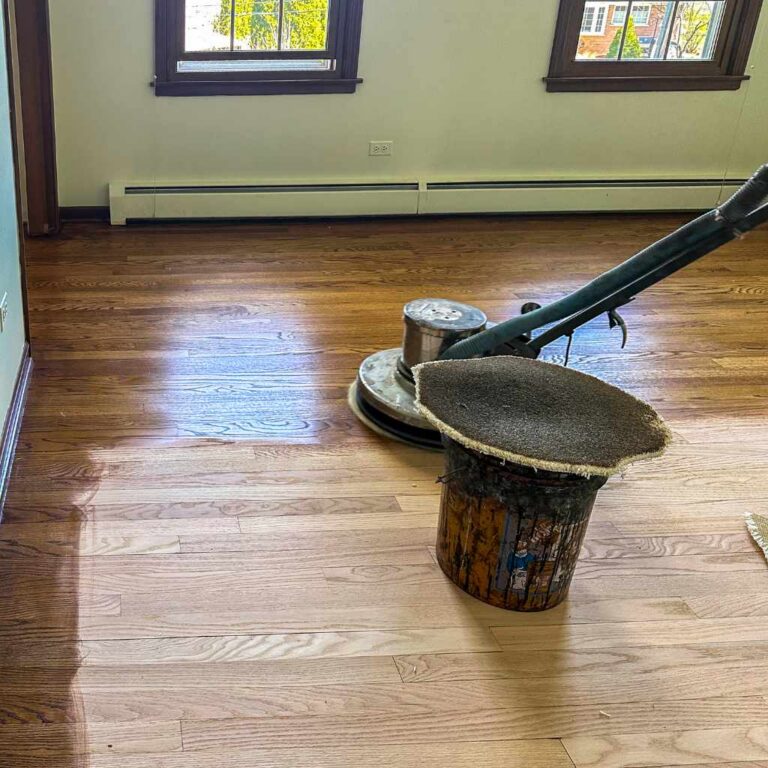
Start with coarse grits to remove rough spots on wood. Use a 60 or 80 grit sandpaper. Apply even pressure while sanding. Move the sander in the direction of the grain. This helps avoid scratches.
After coarse grits, switch to finer grits. Use 120 or 220 grit sandpaper next. This step smooths the wood further. Continue sanding in the direction of the grain. Always check your work for smoothness.
Remember to clean the wood surface between grits. This removes dust and debris. A clean surface ensures better results. Keep the sander moving to avoid burn marks. Enjoy the process of creating a smooth finish!
Achieving A Smooth Finish
To achieve a smooth finish, follow these essential tips for sanding wood. Start with the right grit sandpaper. Use coarse grit to remove rough areas, then switch to finer grit for a smooth surface.
Always keep the sander moving. This prevents uneven spots and burns. Light pressure works best; let the sander do the job. Vacuum the dust frequently to see progress.
Avoid these common mistakes: Don’t sand too fast, as it can cause scratches. Never skip grits; each one is important for a smooth finish. Lastly, don’t forget to sand with the wood grain for the best results.
Post-sanding Steps
Start by cleaning the wood surface to remove dust and debris. Use a soft cloth or a vacuum. This step ensures a smooth finish. Dirt can affect how the finish looks.
After cleaning, choose a finish for the wood. Options include stains, paints, or clear coats. Each type gives a different look. Apply the finish evenly with a brush or cloth.
Let the finish dry completely. This may take several hours. Once dry, check for any rough spots. Lightly sand these areas before applying a second coat.
Always follow the manufacturer’s instructions for best results. Proper care leads to a beautiful final product.
Maintenance And Care For Your Sander
Regular maintenance keeps your sander in top shape. Always clean the sander after use. Remove dust and debris from the motor. Check the sandpaper regularly. Replace it when it becomes worn or clogged.
Inspect the cord for any damage. A frayed cord can be dangerous. Keep the sander dry and store it in a cool place. This prevents rust and extends its life.
For troubleshooting, start with power issues. Ensure the sander is plugged in. Check the outlet if it won’t turn on. If the sander vibrates too much, ensure all parts are tight.
Overheating can happen with extended use. Allow the sander to cool down before using it again. If you notice strange noises, stop using it immediately. Seek professional help if needed.
Frequently Asked Questions
How Do You Use A Sander For Planing Wood?
To use a sander for planing wood, start by selecting the right grit sandpaper. Begin with a coarse grit to remove material quickly. Work in long, even strokes, keeping the sander flat against the wood. Gradually switch to finer grits for a smoother finish.
Always maintain control for even results.
What Type Of Sander Is Best For Planing?
The best sander for planing wood is a belt sander. It provides powerful material removal and is ideal for large surfaces. Orbital sanders can also be used for finer finishes. Choose the sander based on the project size and desired finish quality.
Always ensure proper safety gear is worn.
Can You Plane Wood Without A Planer?
Yes, you can plane wood without a planer. Using a sander can effectively flatten and smooth wood surfaces. Start with a rough grit and work your way to finer grits. This method is ideal for DIY projects where precision is key.
Patience and technique are essential for best results.
How Do You Achieve A Smooth Finish When Sanding?
To achieve a smooth finish, start with a coarse grit and gradually move to finer grits. Sand in the direction of the wood grain to avoid scratches. Keep the sander flat and apply even pressure throughout. Always clean the surface between grits to remove dust.
Finishing with a fine grit is crucial.
Conclusion
Successfully planing wood with a sander enhances your woodworking projects. By following the right techniques, you can achieve smooth and even surfaces. Remember to choose the appropriate grit and maintain your tools. With practice, your skills will improve, making your woodworking experience more enjoyable and rewarding.
Happy sanding!