How to Prevent Rusty Tools
Stop rusty tools by blocking condensation first: keep storage humidity at or below 50%, warm tools before you close lids, and use desiccant or vapor-inhibiting protection that fits the container. If moisture stays on the metal, edges pit, fasteners seize, and castings stain quickly, so cleaning now saves sharpening and replacement later. This guide shows how to build a winter-shop system for drawers, toolboxes, wall racks, van boxes, and damp sheds.
What you need
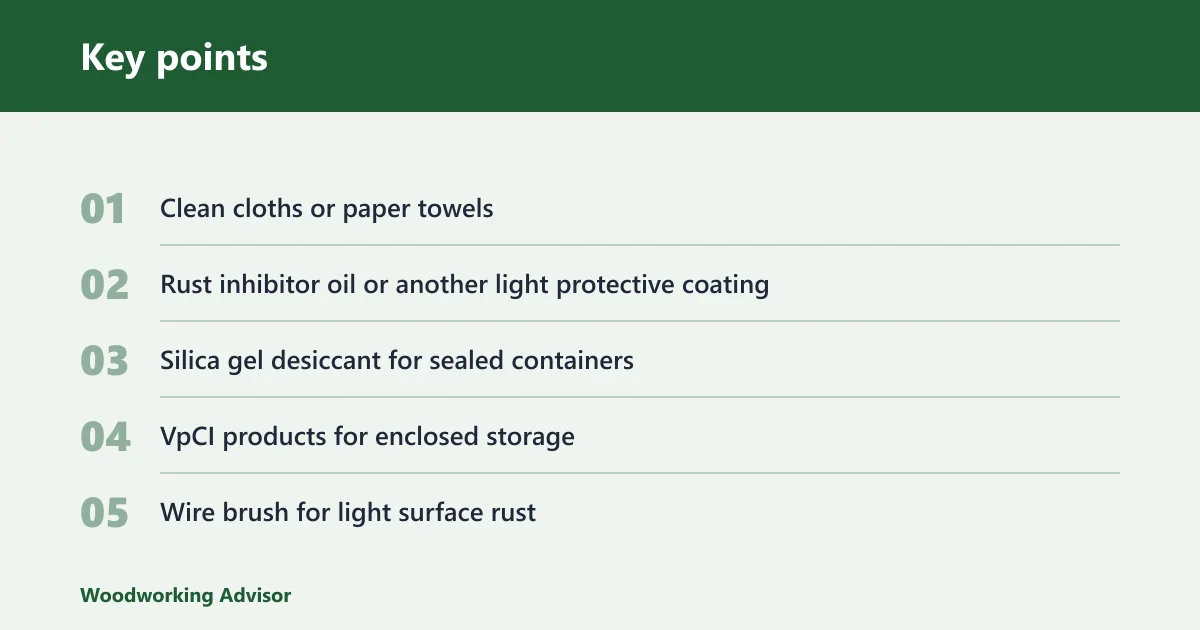


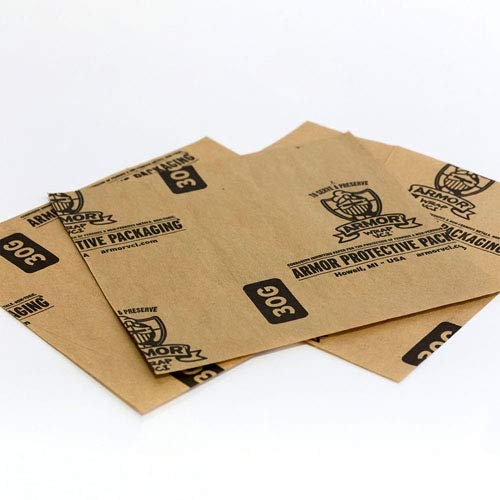
- Clean cloths or paper towels
- Rust inhibitor oil or another light protective coating
- Silica gel desiccant for sealed containers
- VpCI products for enclosed storage
- Wire brush for light surface rust
- Steel wool for rust removal after brushing or soaking
- White vinegar only if existing rust must be removed
- Eye protection and gloves
📊 wikiHow recommends soaking rusted tools in 50% vinegar and 50% water. Source: Wikihow.
How do you keep tools rust free in winter?
Dry tools completely after use, then apply a thin protective film to bare steel before storage. Winter rust usually starts when cold tools warm indoors and water condenses on them. Match the protection method to the storage space, because a sealed toolbox, open wall rack, and van box need different protection.
Dry and clean before the tools cool
Wipe off water, fingerprints, and dust as soon as the job ends. Carbon steel hand tools rust fastest, so dry them before any coating goes on. If light rust is already present, use a wire brush or steel wool first, then clean and dry again.
Choose protection by storage type
Rust inhibitor oil leaves a light film after cleaning and drying, but you must wipe off the excess so it does not stay gummy. In sealed spaces, silica gel desiccant or VpCI works better than oil alone because it tackles trapped humidity and hard-to-reach surfaces.
- Wipe every tool dry before it goes inside.
- Remove dirt, resin, and fingerprints from carbon steel.
- Brush off light surface rust with a wire brush or steel wool.
- Apply a thin coat of rust inhibitor oil, then wipe the excess.
- Use desiccant or VpCI in enclosed storage.
- Check any tool that still feels damp or tacky before closing the lid.
How do you prevent rust in a drawer or tool box?
Use protection made for closed storage, because winter temperature swings can create condensation inside the box. Add silica gel desiccant if the drawer or toolbox seals well enough to hold it in place. For sockets, chisels, gauges, and other hard-to-reach metal surfaces, VpCI helps because it reaches spots oil often misses.
Keep trapped air dry
Dry the drawer liner, foam insert, or felt before you reload tools. A toolbox is enclosed storage, so damp air can sit against metal longer than it would on an open rack. Cortec recommends a VpCI emitter for toolbox storage, and one VpCI-101 device protects 1 cubic foot while EcoDevice protects 1.5 cubic feet.
Watch the failure mode
The usual problem is trapped damp air, not just missing oil. If a box keeps fogging inside, add a corrosion inhibitor emitter and make sure the lid seals tightly. Wet desiccant is another common miss; silica gel must be recharged or replaced to keep controlling humidity.
How do you prevent rust on tools in a garage?
Reduce temperature swings first, because cold tools warming in a garage can flash-rust if moisture remains on the surface. Keep tools off bare concrete, avoid storing them beside an exterior wall if that wall sweats, and use desiccant or VpCI in closed cabinets. Oil helps, but it is not enough on its own.
Move tools out of cold, damp air
Garage wall racks are more exposed than toolboxes or drawers, so they need a stronger surface film and better room control. Dry the garage cabinet, toolbox, or shelf liner before restocking. If the garage stays damp most of the winter, use closed storage for precision tools and bare carbon steel instead of open hooks.
Use the right coating for the tool type
Plain carbon steel benefits most from a light oil film. Chrome-plated tools usually need less protection, but the handle joints and exposed steel edges still need attention. Precision tools and measuring tools should get a very thin coating or enclosure-based protection, not heavy oil that can attract dust or affect movement.
How do you stop tools rusting in a shed?
A shed often has the highest moisture risk because temperature swings can be larger and airflow can be poorer. Treat it as a humidity problem, not only a storage problem. Use closed containers inside the shed, keep tools dry before they go in, and recharge desiccant often enough that it still works in cold, damp weather.
Build a sealed zone inside the shed
If the shed stays unheated, a sealed toolbox or drawer cabinet is safer than open shelving. VpCI works well in enclosed storage and especially in high-moisture conditions. If the shed box seals well, silica gel can help too, but only if it is checked and replaced on schedule.
Say your 14-inch jointer wrench lives in a shed chest and comes in cold after a winter setup. If you shut the lid before the wrench warms and dries, condensation can form inside the box and leave flash rust by morning. The fix is simple: dry the wrench, then close the lid only after the metal is dry to the touch.
What should I use to prevent rust on tools?
Use the lightest protection that fits the storage space. Rust inhibitor oil is a good general choice for bare steel after cleaning and drying. Silica gel works best in sealed containers. VpCI is better for enclosed storage with small parts, hard-to-reach surfaces, or repeated condensation. For removal prep, use wire brush or steel wool, not aggressive abrasion.
Match the method to the problem
If the tool is plain carbon steel and lives on an open rack, a thin oil film is usually the first choice. If the tool spends nights in a toolbox or van box, enclosure protection matters more than a heavier coat of oil. If the storage space is consistently damp, combine dry storage, desiccant, and VpCI.
Homes & Gardens advises wearing eye protection and gloves, and that is sensible when you are cleaning rust or wiping solvents from sharp edges. A small amount of oil creates protection, but excess oil should be wiped away so it does not collect grit or gum up moving parts.
How do you keep rust off tools after use?
Clean and dry tools before they cool indoors, then add a thin film to exposed steel. That simple sequence matters because condensation forms when cold tools warm up in humid air. If dirt, resin, or fingerprints stay on the surface, they hold moisture and speed rust.
Use removal steps only when needed
Wire brush is the safer first step for light surface rust. Steel wool can follow after soaking or brushing, then the tool should be cleaned and dried completely. White vinegar soak is for rust removal, not prevention, and it needs thorough rinsing afterward; it works better on light-to-moderate rust than on deep scaling.
- Wipe the tool with a clean cloth right after use.
- Remove pitch, dust, and fingerprints from bare steel.
- Use a wire brush for light rust, or steel wool after brushing or soaking.
- Rinse fully if vinegar was used.
- Dry every surface before applying protection.
- Wipe on a light coat of rust inhibitor oil and remove the excess.
Rusty tools matrix
| Storage scenario | Moisture risk | Best protection method | Reapplication interval | Common failure mode |
|---|---|---|---|---|
| Toolbox | High in winter because warm indoor air can condense inside the closed box | VpCI emitter plus a thin oil film on exposed carbon steel | Check monthly; replace or recharge desiccant as needed | Closing the lid with damp tools or wet liner foam |
| Drawer | Moderate to high if the cabinet sits in a damp garage or shed | Silica gel desiccant in a sealed drawer, with light oil on bare steel | Inspect every 2 to 4 weeks | Reusing saturated desiccant or storing dirty tools |
| Garage wall rack | Moderate from air changes and winter temperature swings | Thin rust inhibitor oil on carbon steel; move precision tools to closed storage | Recheck every few weeks and after wet work | Assuming open air is dry enough all winter |
| Van box | High from road moisture, cold starts, and repeated heat-cool cycles | VpCI inside the box, plus dry tools before loading | Inspect before each trip or weekly in wet weather | Loading tools that still carry road spray or hand moisture |
Common mistakes
Too much oil is one of the biggest errors. It leaves a gummy residue and can trap grit on moving parts. Another mistake is storing tools after a quick wipe while moisture remains in joints, knurling, or case seams. That is how flash rust keeps coming back.
What to do instead
Use desiccant in sealed containers, but do not leave it in place forever without checking it. Dry the storage box or liner before refilling it. If rust returns despite wiping and oiling, move from open storage to a sealed container and add VpCI or better humidity control.
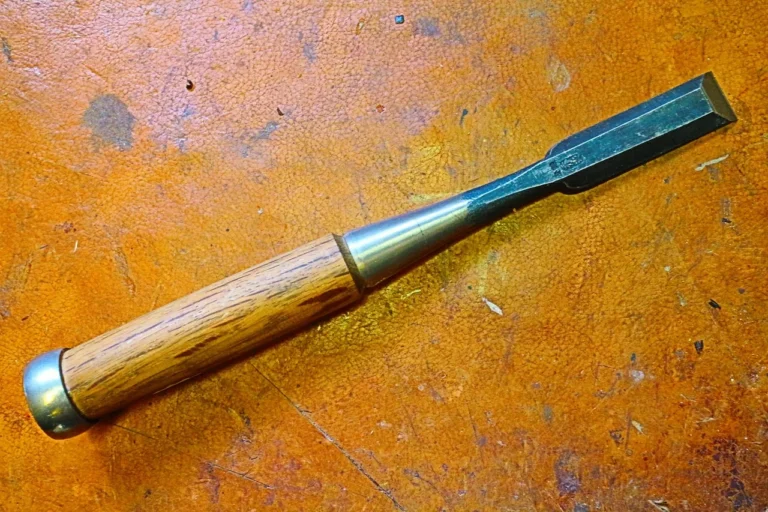
Suppose a set of chisels sits on a garage wall rack and keeps spotting rust at the tangs. The likely issue is not the blade face alone; it is the damp air around the metal and the condensation that forms after night temperature drops. A closed drawer with VpCI or a desiccant pack usually works better than adding more oil.
Frequently asked questions
How do you prevent tools from rusting in a toolbox?
Dry them fully, wipe on a light oil film, and add a VpCI emitter or compatible corrosion inhibitor inside the box. A toolbox is closed storage, so trapped humidity can matter as much as the coating on the tool. Check seals, liner foam, and any wet parts before closing it.
What is the best oil to prevent rust on tools?
A light rust inhibitor oil is the safest general choice because it leaves a thin protective film after cleaning and drying. Apply only enough to leave a sheen, then wipe off the excess. Heavy coating invites dust and gummy residue, especially on drawers, gauges, and moving joints.
How do you prevent flash rusting on hand tools?
Dry the tool before it warms indoors, then coat it lightly right away. Flash rust appears fast when cold metal meets humid air, especially on carbon steel. If it already started, remove the surface rust with a wire brush or steel wool, then clean, dry, and protect again.
Sponsored / affiliate links. As an Amazon Associate I earn from qualifying purchases. I may earn additional commission from eligible campaigns.