Winter Rust Check: How to Clean and Protect a Cast Iron Table
Remove light winter rust with a nonwoven pad or 0000 steel wool plus a little mineral spirits. Wipe the table dry, then leave a thin wax or inhibitor film with low residue. Skip that, and you invite rough feed, stained stock, and faster flash rust from condensation on a cast iron machine table.
What you’ll need


- Non-woven abrasive pads, or fine abrasive media rated for machine tables
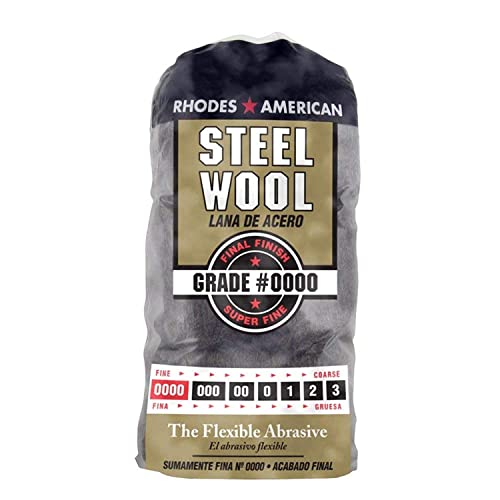
- 0000 steel wool, used lightly and only with a lubricant or cleaner
- A rust remover or cleaner that wipes off cleanly
- Clean rags or shop towels
- Mineral spirits, or the solvent recommended for your chosen cleaner
- A low-residue protectant such as paste wax or a machine-table rust inhibitor
- A dry cloth for final buffing
- Gloves
Why winter rust hits cast iron
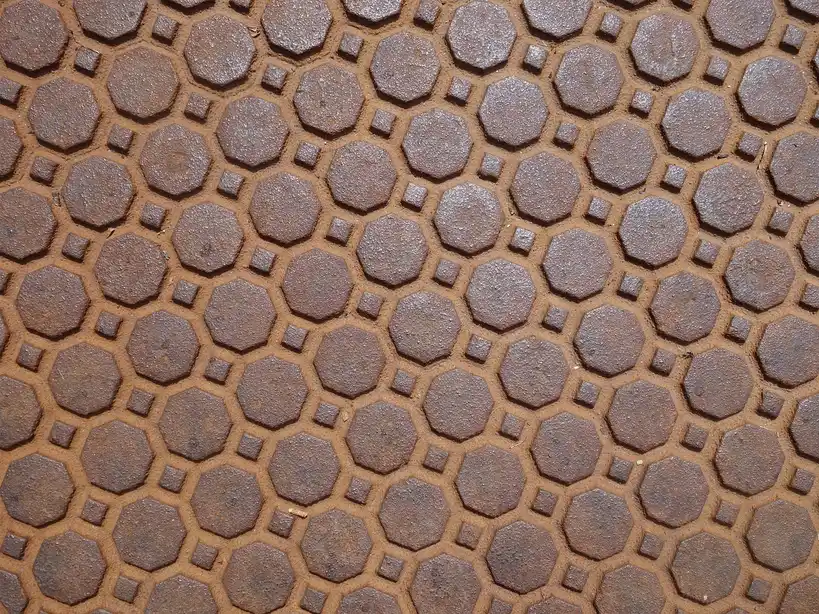
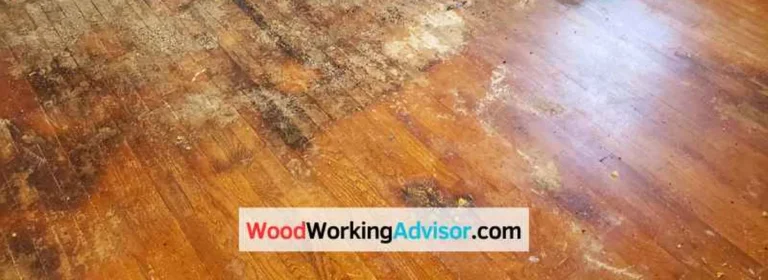
Surface rust is the usual winter corrosion on a cast iron table surface. It forms when moisture sits against air on the iron, often after overnight condensation or a cold start in an unheated garage or shop.
Cast iron and wrought iron are often confused, but they are made differently. Cast iron is commonly poured into a mold and is generally more brittle; wrought iron was worked into shape and is typically tougher. The cleanup method can still overlap, because both respond to careful cleaning, drying, and protection.
A machine table is not a decorative panel. Flatness and glide matter, so the goal is to remove rust without rounding edges, digging grooves, or leaving a film that makes stock drag.
How do you clean rust off a cast iron table saw top?
Use the gentlest method that removes the rust. For light surface rust, a nonwoven pad or 0000 steel wool with a small amount of mineral spirits is often enough. You want the orange film gone, not the table thinned or scratched into a texture that affects feed.
- Lock out the saw and clear the table.
- Inspect for light rust, visible orange haze, and any pitting.
- Wipe off dust and loose debris first.
- Work the rust with a nonwoven pad and mineral spirits, following the table length.
- Use only enough pressure to remove the rust, then stop and wipe clean.
- Check the glide by sliding stock or a straightedge across the surface.
Suppose a 24-inch saw top has a thin orange haze after a damp week. A light pass with a nonwoven pad may be enough. If the surface still feels grabby after wiping, repeat with a fresh pad instead of moving to harsher abrasion.
What should you use to protect it?
Choose a low-residue protective finish that slows moisture contact without leaving a gummy film. Paste wax and silicone-free rust inhibitors are common choices for machine tables because they can leave the surface slick enough for stock feed while reducing flash rust from humidity.
Apply a very thin coat, let it haze if the product calls for that, and buff it fully. Heavy residue can attract dust, may mark stock, and may interfere with finishing work later. The film should be almost invisible and should not feel sticky under a hand pass.
Recoat on a winter schedule that matches your shop. In a damp, unheated space, that may mean checking about weekly. In a stable heated shop, a longer interval may work, but dullness, drag, or new haze means it is time to reapply.
Can you use paste wax on cast iron machine tables?
Yes, paste wax is appropriate on many cast iron machine tables if you apply it thinly and buff it completely. It is a common choice when you want lower friction and basic moisture resistance without leaving an oily surface that can collect dust.
Wax is not the same as a heavy oil film. A thick application can build up, trap debris, and leave patches that change how stock slides. If the table sees a lot of humidity or long idle periods, a dedicated machine-table rust inhibitor may need fewer touch-ups than wax.
Use wax when you want a dry-feeling, low-residue surface. Use an oil-based protectant only if the product is meant for machine tables and can be wiped to a near-dry finish. Avoid silicone-heavy products near finishing work unless the label clearly says they are safe for your workflow.
Should you remove all rust or just the surface rust?
Remove all surface rust that you can reach without changing the table surface. Light surface rust should be treated before it spreads, because once moisture keeps returning, the corrosion can become harder to stop and can leave stains or pits that affect the table’s feel.
If the rust is only a haze, cleaning and protection are usually enough. If pitting is present, clean the loose rust first, then decide whether the remaining marks are stable. A pit is not the same as active rust, but active rust inside or around a pit needs attention.
Do not chase every discoloration with aggressive abrasion. On a cast iron table surface, the job is to stop corrosion and preserve flatness, not to grind until the metal looks new.
Common mistakes
Do not use aggressive sanding or heavy abrasion on a precision surface. Coarse paper and hard scrubbing can leave tracks, change glide, or round a sharp edge.
Do not leave cleaner residue, oily streaks, or thick wax. Any of those can affect feed, collect dust, or transfer to stock and later finishes.
Do not wait on pitted or spreading rust. Clean it first, then decide whether the damage needs more than routine maintenance.
Do not assume every protectant behaves the same. Paste wax, oil, and machine-table inhibitors have different residue levels, and the wrong one can cause contamination near finishing work or dust collection paths.
Winter rust check table
| Shop condition | Rust risk signal | What to inspect on the cast iron table | Exact next action |
|---|---|---|---|
| Overnight condensation | Yes | Bead marks, dull patches, or a fresh orange haze at the corners and front edge | Wipe dry immediately, then apply a thin wax or inhibitor coat |
| Cold-start sweating | Yes | Moisture film after the shop warms and the table surface stays cold | Let the table reach room temperature, then dry and protect it |
| Unheated garage | Yes | Any orange bloom after a temperature swing or a damp night | Clean the surface rust with a nonwoven pad and recoat the table |
| Visible orange haze | Yes | Uniform rust film, especially where dust or fingerprints sat | Remove the haze now before it spreads into deeper corrosion |
| Dull drag while feeding stock | Yes | Feed feel, resistance at the infeed edge, and residue on a straightedge pass | Clean, wipe dry, and reapply a low-residue protectant |
| Coating breakdown | Yes | Dry, patchy, or worn areas where protection no longer beads moisture | Strip the failing film, clean the table, and recoat evenly |
| Pitting already visible | Yes | Small craters that hold dust or rust stain after wiping | Clean to sound metal, then monitor; deeper repair may be needed if rust returns |
Frequently asked questions
What should I use to protect a cast iron table from rust?
Use a low-residue protectant made for machine surfaces, such as paste wax or a silicone-free rust inhibitor. Apply a thin coat and buff it until the table feels slick, not greasy. In a humid winter shop, recheck it weekly and recoat when the surface dulls.
What is the difference between cast iron and wrought iron?
Cast iron is made by pouring molten iron into a mold, while wrought iron was formed by working it into shape. They are often confused, but they behave differently. For rust cleanup, though, the practical approach is similar: clean gently, dry fully, and protect the surface.
Is cast iron brittle compared with wrought iron?
Yes. Cast iron is generally more brittle than wrought iron, which is one reason you should avoid aggressive abrasion on a machine table. Brittleness does not change the cleaning goal, though. Rust still needs to come off gently so the flat working surface stays true.
Sponsored / affiliate links. As an Amazon Associate I earn from qualifying purchases. I may earn additional commission from eligible campaigns.