What Is the Best Wood Sealer? Indoor, Outdoor & Food-Safe
The best wood sealer depends on where the wood lives and what touches it — not one all-purpose product. Exterior water-repellent sealer or spar urethane protects outdoor wood from UV and rain, but food-contact surfaces need a sealer rated safe for cutting boards. This guide picks the best sealer for outdoor wood, indoor furniture, cedar, pressure-treated lumber, butcher blocks, and rotted wood.
Disclosure: This post may contain affiliate links. As an Amazon Associate we earn from qualifying purchases.
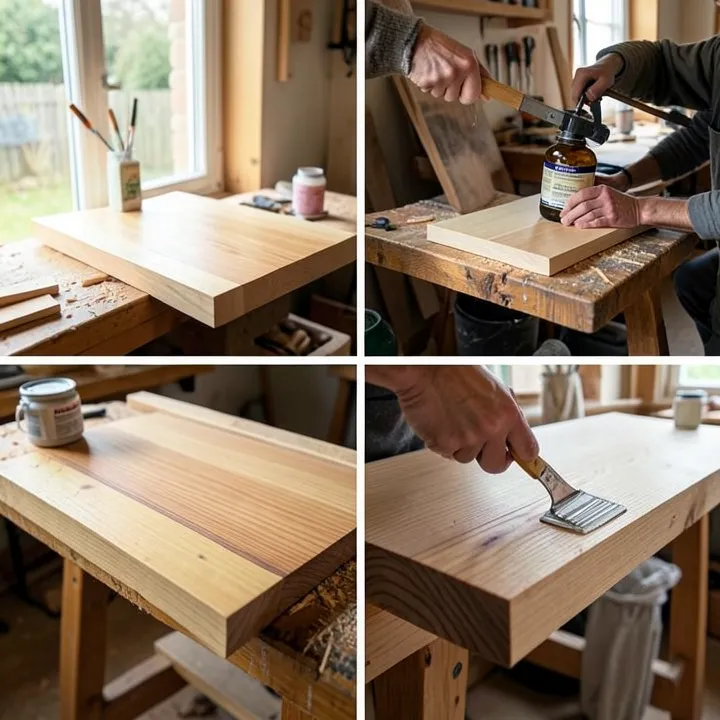
The best wood sealer is the one that matches the wood’s exposure. Use an exterior water-repellent sealer or spar urethane for outdoor wood, water-based polyurethane for indoor furniture, food-contact-safe oil for butcher blocks, and epoxy or wood hardener for soft, damaged, or rotted wood.
Best Wood Sealer: Fast Decision Table
Best Wood Sealer Pick
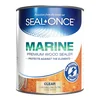
Seal-Once Marine Penetrating Wood Sealer, Clear (1 Gal)
A low-VOC, penetrating exterior sealer built for docks, decks, and other wood that faces repeated soaking.
- Best for: Decks, fences, and outdoor furniture that need long-interval protection
- Why we picked it: Penetrates instead of forming a surface film, so it will not peel or blister like a topcoat can
- Main drawback: Costs more per gallon than a basic water-repellent sealer
Compare more wood sealer options
 Budget Pick Thompson’s WaterSeal Clear Wood Sealer (1 Gal)
|
 Film-Forming Pick Varathane Outdoor Spar Semi-Gloss Urethane
|
 Stain + Sealer Combo Ready Seal Exterior Wood Stain & Sealer (1 Gal)
|
As an Amazon Associate we earn from qualifying purchases.
| Wood Project | Best Sealer Type | Why It Works | Avoid If |
|---|---|---|---|
| Outdoor furniture | Exterior wood sealer or spar urethane | Helps resist moisture and outdoor weather exposure | You want a raw, unfinished look |
| Deck boards | Deck sealer or exterior stain/sealer | Designed for foot traffic and outdoor exposure | The deck is old and needs color coverage instead of clear sealing |
| Fence boards | Exterior water-repellent sealer or semi-transparent stain | Protects vertical outdoor boards while keeping grain visible | The fence is gray, repaired, or mismatched and needs solid coverage |
| Indoor furniture | Water-based polyurethane | Clear, durable, and lower odor than many oil-based finishes | You want an oil-rich amber tone |
| Tabletop | Polyurethane or varnish | Creates a protective film against normal household wear | The table is used for direct food cutting |
| Butcher block or cutting board | Food-contact-safe mineral oil or butcher block conditioner | Safer choice for surfaces used around food | You need a hard film finish |
| Cedar outdoors | Clear or tinted exterior sealer | Preserves cedar’s natural grain and warm color | The cedar is already gray and uneven |
| Soft or rotted wood | Wood hardener or epoxy consolidant | Penetrates and stabilizes weak fibers before repair | The wood is structurally unsafe and needs replacement |
What Makes a Wood Sealer “Best”?
A good wood sealer should match the environment, not just the color or shine you like. Outdoor wood needs moisture and UV resistance. Indoor furniture needs scratch and stain resistance. Food-contact surfaces need a finish intended for that use. Soft or damaged wood may need repair before sealing.
The most common mistake is using one sealer for every project. A clear indoor polyurethane may look good on a table, but it may not be the best choice for a fence. A penetrating oil may look natural on a butcher block, but it will not give the same hard film protection as polyurethane on a tabletop.
Before choosing a wood sealer, answer these questions:
- Will the wood be indoors or outdoors?
- Will it face rain, sun, sprinklers, humidity, or ground moisture?
- Do you want a natural look, amber tone, satin finish, or glossy film?
- Is the wood cedar, pine, oak, pressure-treated lumber, butcher block, or unknown?
- Will the surface touch food directly?
- Is the wood new, dry, weathered, soft, or rotted?
Wood Sealer Types Explained
| Sealer Type | Best Use | Look | Main Limitation |
|---|---|---|---|
| Exterior water-repellent sealer | Outdoor wood, fences, cedar, garden projects | Natural to lightly tinted | May need regular reapplication |
| Spar urethane | Outdoor furniture, doors, trim, exposed wood | Clear film, often warm or glossy depending on product | Can show brush marks if applied too thick |
| Water-based polyurethane | Indoor furniture, shelves, cabinets, tables | Clearer finish with less ambering | Not always ideal for harsh outdoor exposure |
| Oil-based polyurethane | Indoor furniture needing warm amber tone | Rich, warm, durable film | Longer dry time and stronger odor |
| Penetrating oil | Natural-look wood, some furniture, maintenance finishes | Low-build, natural, warm | Less film protection than polyurethane |
| Butcher block oil or mineral oil | Butcher blocks and cutting boards | Natural, low sheen | Needs regular reapplication |
| Epoxy sealer or consolidant | Stabilizing damaged or soft wood before repair | Repair-focused, not always decorative | Not a simple everyday topcoat |
Wood Sealer Coverage, Application Temperature & Reapplication (Real Numbers)
Most buying guides for wood sealer stop at “reapply as needed.” The numbers below come from manufacturer technical data sheets and product labels for the sealer types covered in this guide, so you can estimate how much to buy and when it needs a fresh coat.
| Sealer Type | Coverage (1 Coat) | Application Temp Range | Typical Reapplication |
|---|---|---|---|
| Exterior water-repellent sealer | 100–400 sq ft/gal (varies with wood porosity) | 40–90°F | Every 12 months on high-traffic decks |
| Marine-grade penetrating sealer | 250–300 sq ft/gal | 50–95°F | Every 2–3 years |
| Spar urethane (film-forming) | ~300–400 sq ft/gal | Above 50°F, low humidity | Every 2–4 years; sooner in full sun |
| Penetrating oil (tung, linseed) | 200–300 sq ft/gal | 50–90°F | Every 6–12 months |
📊 Coverage on rough-sawn or weathered wood runs 30–40% lower than on smooth new lumber because the porous surface absorbs more product per coat — Source: manufacturer technical data sheets (Thompson’s WaterSeal, Seal-Once, ZAR)
Best Wood Sealer for Outdoor Wood
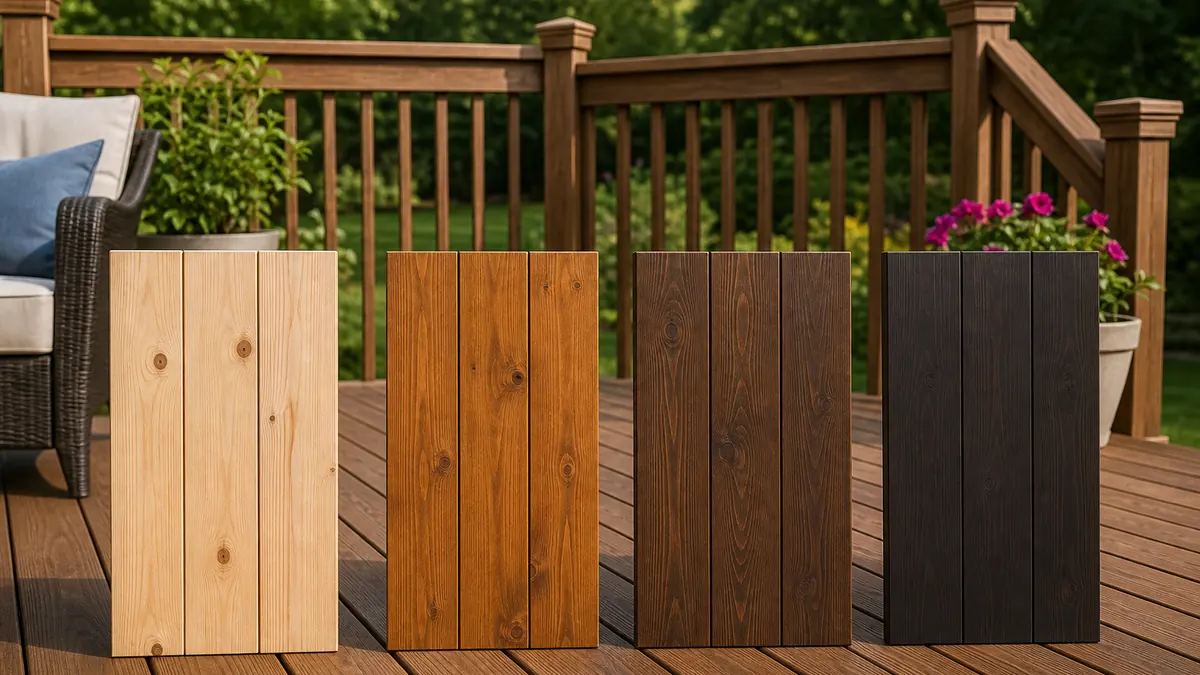
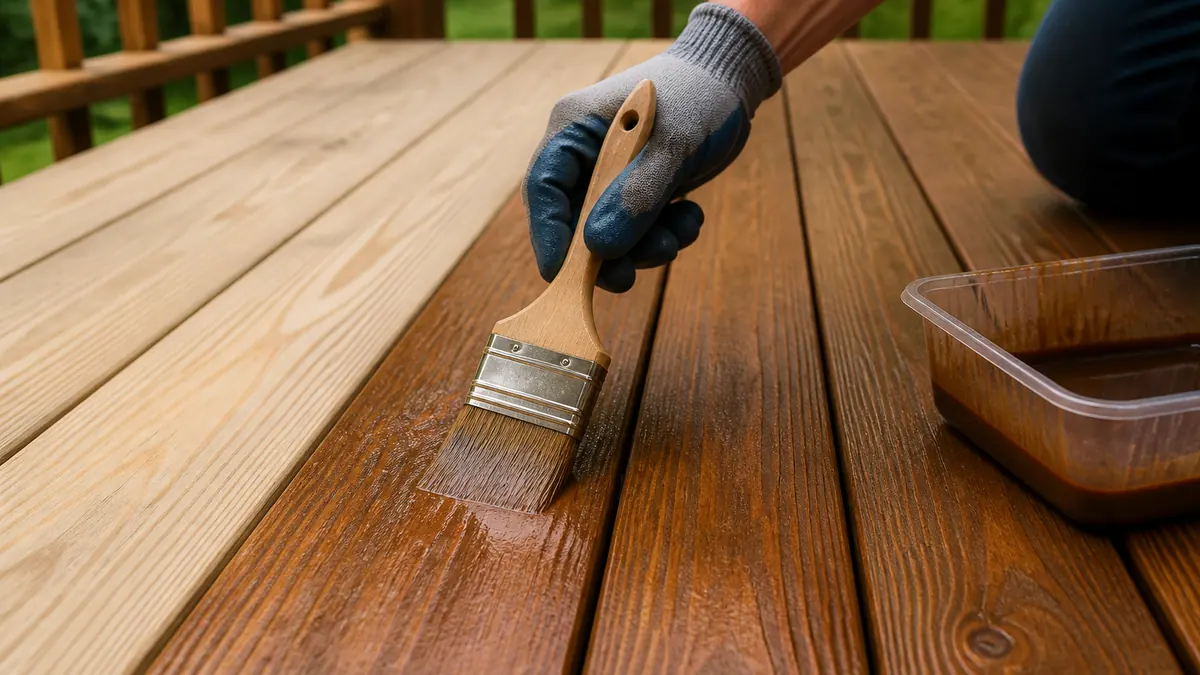
The best wood sealer for an outdoor deck is usually an exterior-rated sealer, exterior stain/sealer, or spar urethane, depending on the project. Outdoor wood needs protection from water, sunlight, seasonal movement, and temperature changes.
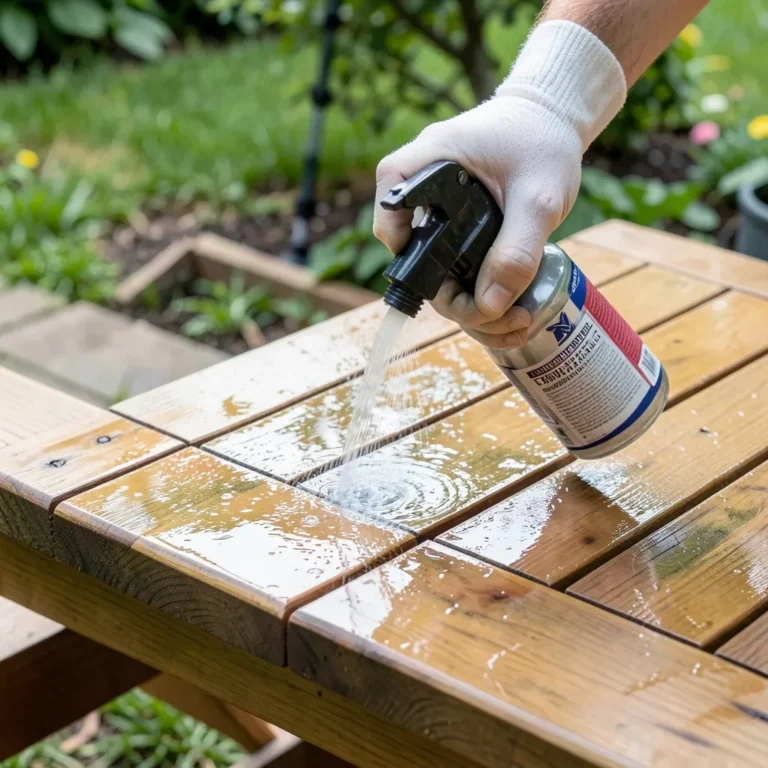
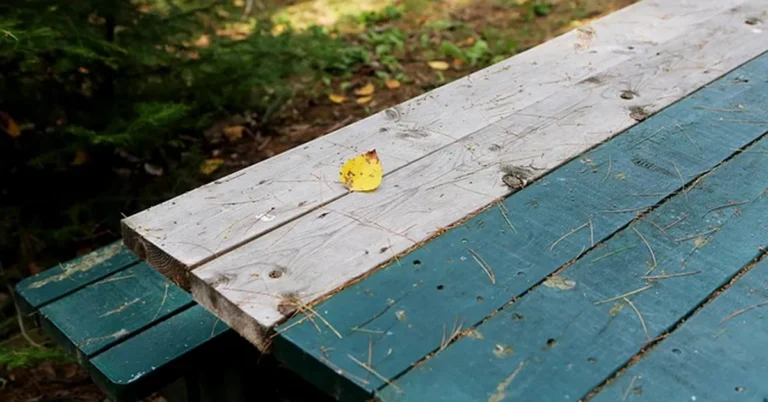
For outdoor furniture such as a wood picnic table, a spar urethane or exterior clear coat can create a stronger protective film. For fences and cedar boards, a water-repellent exterior sealer or semi-transparent stain can protect the wood while keeping more grain visible. For decks, use a deck-specific sealer or stain/sealer made for foot traffic.
Whichever type you choose, durability varies a lot — see our guide to how long wood sealer actually lasts by type and surface before you buy. For the full category overview, browse all our wood sealer guides.
For outdoor stain comparison, see our guides on what is the best deck stain and what is the best fence stain if those posts are already published.
Use an outdoor wood sealer when:
- The wood is exposed to rain, humidity, or sprinklers
- You want to reduce water absorption
- You want a natural or lightly tinted look
- The wood is structurally sound and ready for finishing
Avoid a clear outdoor sealer when:
- The wood is gray, stained, or badly weathered
- You need to hide mismatched boards
- The surface needs solid color coverage
- The product label says indoor use only
Best Wood Sealer for Indoor Furniture
The best wood sealer for indoor furniture is usually water-based polyurethane when you want a clear, durable, low-amber finish. It works well for shelves, cabinets, desks, and many tables that need everyday protection. A bathroom vanity cabinet is a special case worth its own look, since it deals with daily humidity a living-room cabinet never sees — see our comparison of the best wood finish for a bathroom vanity.
Oil-based polyurethane is better when you want a warmer amber tone and a rich traditional finish. It can look beautiful on darker woods, but it usually has stronger odor and longer drying time.
For many DIY furniture projects, water-based polyurethane is the easiest clear choice because it dries relatively clear and does not darken light wood as much as oil-based finishes. Look for a can labeled specifically for furniture or interior wood — general-purpose exterior sealers are formulated for UV exposure, not indoor scratch and stain resistance.
Best Wood Sealer for Cedar
The best wood sealer for cedar is usually a clear or tinted exterior wood sealer if the cedar is new and attractive. Cedar has natural beauty, so most people do not want to hide it with a thick solid finish unless the wood is already gray or uneven.
For outdoor cedar, look for an exterior sealer that helps resist moisture and sunlight. A lightly tinted sealer can help maintain a warmer cedar tone better than a completely clear product. If the cedar is already weathered, a semi-transparent stain may be a better choice than a clear sealer.
For more cedar-specific guidance, read our guide on how to protect cedar wood for outdoors and how to stain cedar.
Best Wood Sealer for Pine
Pine is soft and absorbent, so the best wood sealer depends on whether the pine is indoors or outdoors. For indoor pine furniture, water-based polyurethane is a good clear option if you want less ambering. Oil-based polyurethane gives pine a warmer yellow tone.
For outdoor pine, use an exterior-rated sealer, stain/sealer, or spar urethane. If the pine is pressure-treated, wait until the wood is dry enough to absorb finish before sealing.
Best Wood Sealer for Pressure-Treated Wood
The best wood sealer for pressure-treated wood is an exterior wood sealer or stain/sealer after the lumber has dried enough to accept finish. New pressure-treated wood often contains moisture from treatment, so sealing too early can cause uneven absorption.
A simple water test helps. Sprinkle water on the surface. If it beads strongly, the wood may not be ready. If it absorbs into the wood, it may be ready for sealer.
“Most sealer ‘failures’ homeowners ask us about aren’t the product’s fault — they’re a prep problem. If a board still beads water instead of soaking it in, it isn’t dry enough to seal yet, whether that’s fresh pressure-treated lumber or a deck after a rainy week. Skip that check and even a good sealer just sits on top and peels within a season.”
For related outdoor lumber guidance, read our article on treated wood for ground contact. For buried posts, remember that surface sealer alone is not a substitute for proper ground-contact-rated lumber and drainage.
Best Wood Sealer for Butcher Block and Cutting Boards
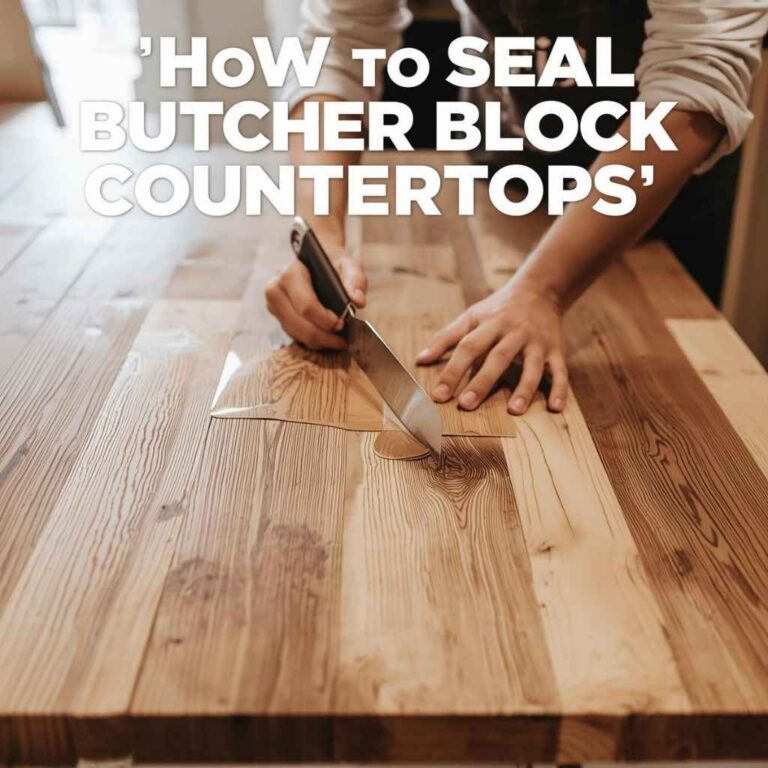
The best wood sealer for butcher blocks and cutting boards is not normal polyurethane if the surface will be used for direct food cutting. Use a product intended for food-contact wood surfaces, such as food-grade mineral oil, butcher block oil, or butcher block conditioner.
These finishes soak into the wood and are easy to renew. They do not create the same hard film as polyurethane, so they need regular maintenance — typically every few weeks with normal kitchen use. That maintenance is part of why they are practical for cutting boards and butcher blocks.
For more detail, see our guide on butcher block finish options.
Best Wood Sealer for Driftwood
The best wood sealer for driftwood depends on whether you want to keep the weathered look or add a slight sheen. A clear matte or satin sealer is usually best when you want the driftwood to look natural. Avoid thick glossy finishes if you want to preserve the soft, coastal look.
Before sealing driftwood, clean it, dry it completely, and remove loose debris. Sealing damp driftwood can trap moisture and create problems later.
For step-by-step help, read our guide on how to seal driftwood.
Best Wood Sealer for Soft, Weak, or Rotted Wood
If wood is soft, punky, or lightly rotted, a normal sealer is not the right first product. Use a penetrating wood hardener or epoxy consolidant to stabilize weak fibers before filling, sanding, or topcoating.
However, severely rotted structural wood should be replaced, not simply sealed. Sealers can slow moisture movement on sound wood, but they do not restore structural strength to badly damaged wood.
Waterproof Wood Sealer vs Water-Resistant Wood Sealer
Many people search for a waterproof wood sealer, but most wood finishes are better understood as water-resistant, not permanent waterproofing. Wood moves with humidity, absorbs moisture through unsealed gaps, and can still weather over time.
A good sealer helps reduce water absorption. It does not make outdoor wood maintenance-free forever. End grain, joints, screw holes, cracks, and ground contact areas are still vulnerable if they are not properly designed and maintained.
How to Apply Wood Sealer
Drying time between coats varies by product and humidity — see our guide on how long wood sealer takes to dry for real times by sealer type.
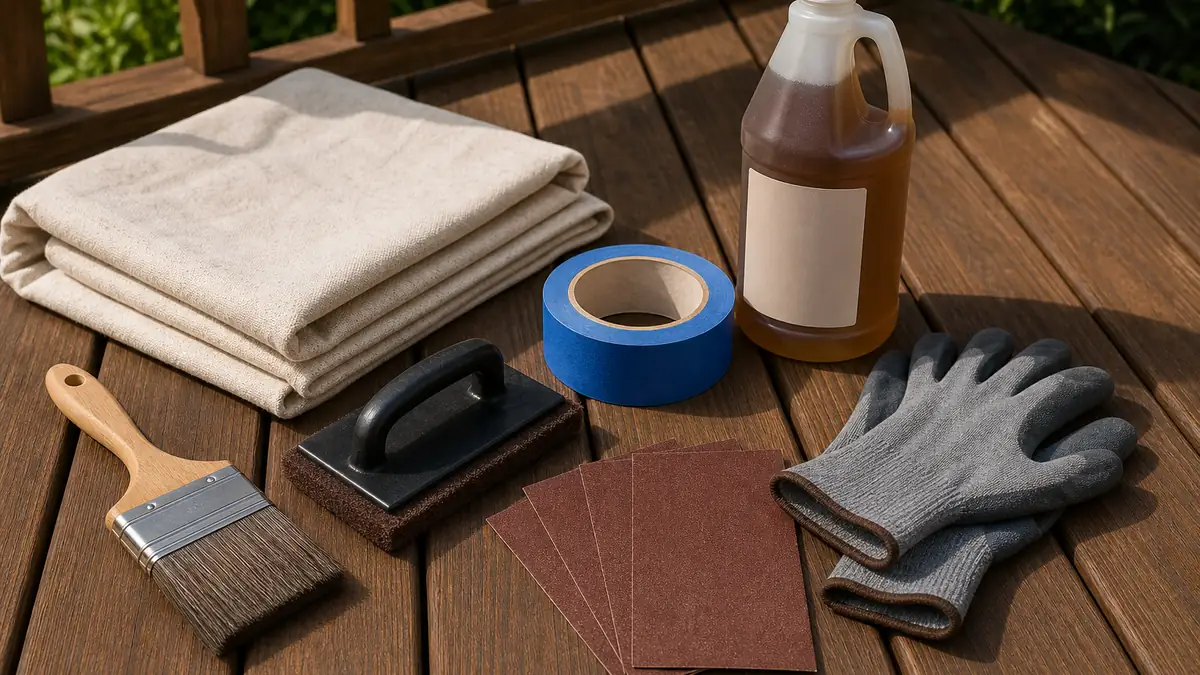
- Clean the surface: Remove dirt, dust, wax, grease, or mildew.
- Let the wood dry completely: Confirm with a water-bead test before applying sealer.
- Sand rough areas: Remove sanding dust with a tack cloth or vacuum afterward.
- Test the sealer on a hidden area first: Check color and absorption before committing to the full surface.
- Apply thin, even coats: Use a brush, pad, cloth, roller, or sprayer as the label directs.
- Allow proper drying time between coats: Follow the product label, not a guess.
- Lightly sand between film-forming coats: Only if the product instructions recommend it.
- Let the final coat cure before heavy use: Curing takes longer than surface-dry time.
For a full walkthrough of this process, from checking the weather window through curing and cleanup, see our step-by-step guide to sealing exterior wood, which also covers why end grain needs extra coverage.
Common Wood Sealer Mistakes
Using indoor sealer outdoors
Indoor finishes are not always made for UV, rain, and outdoor temperature changes. Use exterior-rated products outside.
Sealing wet wood
If wood is wet, sealer may not absorb or bond properly. Let the wood dry first.
Using clear sealer to hide damaged wood
Clear sealer will not hide gray wood, stains, repairs, or mismatched boards. Use stain or a more opaque finish when you need coverage.
Ignoring end grain
End grain absorbs moisture quickly. Outdoor cuts, board ends, and exposed ends often need extra attention.
Applying thick coats
Thick coats can dry unevenly, stay tacky, or peel. Thin, even coats usually perform better.
Using food-unsafe finishes on cutting surfaces
For cutting boards and butcher blocks, use products intended for food-contact wood surfaces.
Best Wood Sealer: Final Recommendation
The best wood sealer depends on the project. For most outdoor wood, choose an exterior wood sealer, deck sealer, or spar urethane based on exposure. For indoor furniture, water-based polyurethane is usually the safest clear choice. For butcher blocks and cutting boards, use food-contact-safe oil or conditioner. For soft or rotted wood, use wood hardener or epoxy consolidant before finishing.
If you are unsure, start with the wood’s location. Outdoor wood needs exterior protection. Indoor furniture needs a durable clear coat. Food-contact wood needs a food-appropriate finish. Damaged wood needs repair before sealing. Matching the sealer to the job is more important than choosing one product for every project.
FAQs About the Best Wood Sealer
What is the best wood sealer overall?
The best wood sealer overall depends on the project. For outdoor wood, use an exterior wood sealer or spar urethane. For indoor furniture, use water-based polyurethane. For butcher blocks and cutting boards, use a food-contact-safe oil or conditioner.
What is the best wood sealer for outdoor wood?
The best wood sealer for outdoor wood is usually an exterior water-repellent sealer, deck sealer, exterior stain/sealer, or spar urethane, depending on the project and exposure.
What is the best clear sealer for wood?
For indoor furniture, water-based polyurethane is a good clear sealer because it dries clearer than many oil-based finishes. For outdoor wood, use an exterior-rated clear sealer or spar urethane.
What is the best wood sealer for cedar?
The best wood sealer for cedar is usually a clear or lightly tinted exterior sealer when the cedar is new and attractive. Use semi-transparent stain if the cedar has started to weather.
Can you waterproof wood with sealer?
Wood sealer can help resist water absorption, but it does not make wood permanently waterproof. Outdoor wood still needs proper design, drainage, maintenance, and reapplication over time.
Should I use polyurethane or wood sealer?
Use polyurethane for indoor furniture, cabinets, shelves, and tabletops that need a protective film. Use exterior wood sealer for outdoor wood that needs moisture resistance and weather protection.
What is the best wood sealer for pressure-treated wood?
The best wood sealer for pressure-treated wood is an exterior wood sealer or stain/sealer after the lumber has dried enough to absorb finish.
What is the best food-safe wood sealer?
For butcher blocks and cutting boards, use a finish intended for food-contact wood surfaces, such as food-grade mineral oil, butcher block oil, or butcher block conditioner.
How many coats of wood sealer should I apply?
Many wood sealers need one to three thin coats depending on the product, wood type, and exposure. Always follow the product label because too much sealer can cause tackiness, uneven drying, or peeling.
Sponsored / affiliate links. As an Amazon Associate I earn from qualifying purchases. I may earn additional commission from eligible campaigns.