Ready Seal Wood Stain and Sealer Review
Ready Seal Wood Stain and Sealer is a strong option for DIY deck and fence work when you want forgiving application without back-brushing, but it is a poor choice for wood that gets hard sun or repeated moisture because UV fade and water exposure can shorten finish life. Pick the wrong product, and you can get blotchy color, early fading, and recoats that cost time and money. This review covers how Ready Seal applies, where it fits best, where it falls short, and what to buy instead if your wood needs stronger protection.
Verdict: easy application, limited sun life


Ready Seal’s main advantage is application tolerance. It is a semi-transparent, oil-based exterior wood stain and sealer that is designed for decks, fences, pergolas, siding, gazebos, and furniture, and it can be applied with a brush, roller, pump sprayer, or airless sprayer. The tradeoff is plain: it is easier to use than many stains, but it is not the best pick for long sun exposure or wet service.
That makes it a sensible buy when you want straightforward application and simple upkeep. It is a weaker buy when your priority is maximum UV life or when the wood may still hold moisture.
Pros and cons
Pros
- Forgiving application with no back-brushing required.
- Works on decks, fences, pergolas, siding, gazebos, and furniture.
- Easy to recoat over existing Ready Seal after cleaning.
- Semi-transparent finish keeps wood grain visible.
- Can be applied by brush, roller, pump sprayer, or airless sprayer.
Cons
- UV protection is a weak point, especially in full sun.
- Moisture-sensitive prep matters; damp or sealed wood can fail.
- Over-application can leave an oily surface.
- Coverage changes a lot with wood porosity and condition.
- Deck floors usually need closer upkeep than fence boards.
Who it’s for
Ready Seal fits homeowners who want a low-fuss finish on fences, shaded decks, pergolas, and similar outdoor wood where a little fade is acceptable. It is less suitable for high-wear deck floors in full sun, for wood that has not dried enough, or for projects that need the strongest UV resistance.
If you want a finish that can tolerate less-than-perfect brushing technique, this is a practical option. If you want the longest possible interval between recoats on a bright south-facing deck, a more UV-resistant system makes more sense.
Ready Seal decision matrix
This matrix focuses on buying risk, not marketing language. The key variable is exposure: a fence with vertical boards behaves differently from a deck floor that gets sun, foot traffic, and standing water. Coverage and maintenance shift with wood species, age, and porosity.
| Use case | Prep difficulty | Expected recoat window | Fade risk | Failure risk | Best fit? |
|---|---|---|---|---|---|
| Deck in full sun | High | 9 to 18 months, often closer to the low end | High | Medium to high | No, unless you accept frequent maintenance |
| Shaded deck | Medium | 12 to 18 months | Medium | Medium | Yes, with proper drying and cleaning |
| Fence | Low to medium | 12 to 24 months | Medium | Low to medium | Yes |
| Outdoor furniture | Medium | 12 to 24 months | Medium | Low | Yes, if the wood is dry and clean |
| Softwood | Medium | Varies with porosity; often shorter on weathered stock | Medium to high | Medium | Yes, if porous and dry |
| Hardwood | High | Longer only if the wood accepts oil well | Medium | Medium to high | Sometimes; test absorption first |
For coverage planning, the label-style claim and field behavior can be far apart; DeckStainHelp reports about 75 square feet per gallon on weathered pressure treated pine. That is roughly 60 square feet per gallon, which shows how porous, rough, or thirsty wood can cut real coverage below the headline number.
Say your 14-by-20 deck sits in afternoon sun and the boards are weathered pressure-treated pine. The finish may look even at first, but fading can show early on horizontal surfaces, and the next recoat may arrive much sooner than it would on a shaded fence. That is the kind of use case where Ready Seal is convenient, yet not especially durable.
How do you apply Ready Seal?
Ready Seal can be applied with a brush, roller, pump sprayer, or airless sprayer, and the key selling point is that you do not need to back-brush it. That matters because it cuts down lap marks and brush marks when you keep a wet edge moving across the wood. The application still has to be controlled, because too much product can sit on the surface instead of soaking in.
The usual mistake is not the tool, but the load. A heavy pass can leave an oily surface that stays tacky longer and may attract dust. A thin, even application on porous wood is safer than flooding boards to force color depth.
- Confirm the wood is dry, clean, and porous.
- Check moisture content; the manufacturer recommends 12% or less.
- Stir well and apply a light, even coat.
- Keep the surface wet enough for absorption, but do not puddle it.
- Wipe or spread excess from shiny, wet-looking spots before it sits.
- Let it dry fully before heavy use or a second coat decision.
A common first-timer mistake is treating a pump sprayer like a flood coat. On a 10-by-12 fence section, that can mean a dark stripe at the start, a drier band in the middle, and a second pass that never quite blends because the first pass was too heavy. The result is uneven color, not better protection.
How long does Ready Seal last?
Drying and service life are different questions. The first coat can dry within hours, but full dry can take about 48 to 72 hours or longer. Recoat timing depends heavily on sun exposure.
DeckStainHelp gives Ready Seal an overall score of 3.8/5 and says the product should be reapplied every 9 to 18 months. That range is more realistic for exposed wood than any fixed calendar promise. In shade, you may get the upper end. In full sun, expect the lower end.
Usable and fully cured are not the same thing. Light foot traffic may be possible once the surface is dry to the touch, but the finish can still be changing underneath. If you stack furniture back too soon, expect marks and uneven sheen.
Full sun versus shade
Full sun is where Ready Seal shows its limits. The same source rates UV protection at 3/10 and calls UV resistance the product’s biggest weakness. That does not mean the finish fails immediately. It means the color can fade visibly, especially on horizontal boards that get direct sunlight all day.
In shade, the fade rate slows. Vertical fence boards also hold up better than deck floors because they catch less direct light and shed water more quickly. That is why a fence can look acceptable longer than a south-facing deck made from the same wood.
What prep does wood need?
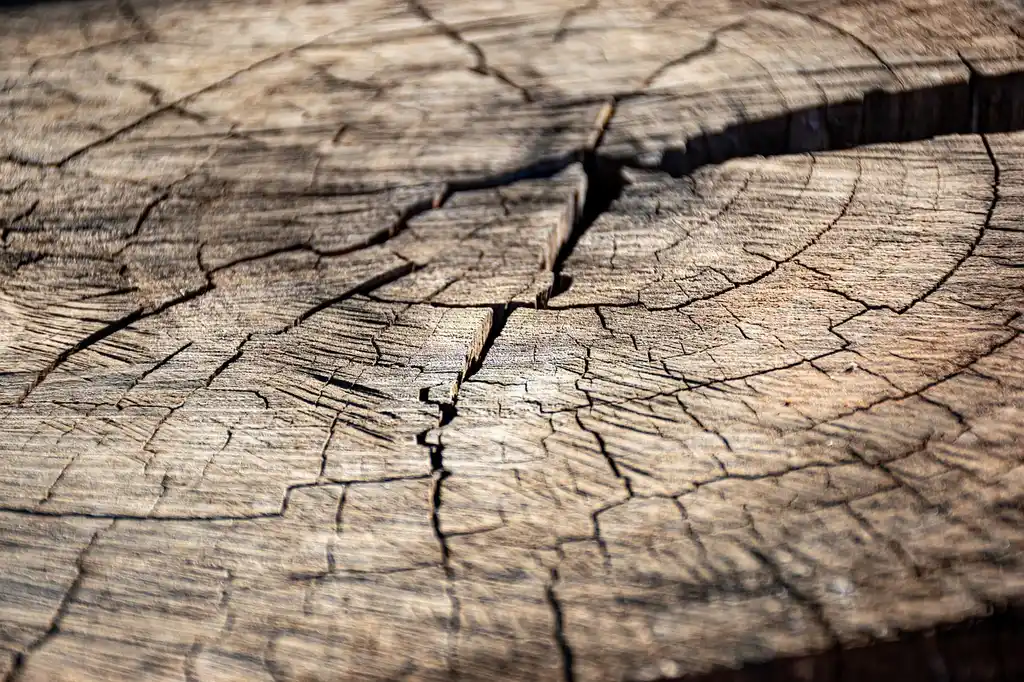
Wood needs to be dry, porous, and free of anything that blocks penetration. The manufacturer recommends moisture content of 12% or less before application, and rain or recent installation means you should allow drying time. Damp wood, sealed wood, or film-building residue can keep the finish from soaking in properly.
Cleaning matters too. Dirt, mildew, old coatings, and chalky residue can interfere with absorption and leave patchy color. If the wood still beads water, it is not ready. If it feels slick from old coating or excessive oil, the new coat may sit on top and create a weak film instead of a penetrating finish.
Prior coatings are a major risk point. Ready Seal is made to penetrate, not to build a thick top layer over sealed lumber. That is why peeling, flaking, and poor adhesion are more likely when the surface is damp, previously coated, or over-applied.
Maintenance and rescue decisions
If the first coat is older but still intact, cleaning before reapplication is usually the right move. If the surface is oily, shiny, or blotchy from too much product, you may need to wait, clean, and remove excess before recoating. If the wood never absorbed well in the first place, a maintenance coat will not fix the root problem.
Suppose a fence board was stained after a light rain and now feels patchy and slick in spots. The safer move is not to add more finish right away. Let it dry, clean it, and confirm the board can absorb product before another coat goes on.
Frequently asked questions
Is ready seal stain any good?
Yes, if you want easy application and a forgiving finish more than maximum weather resistance. Ready Seal works well on many fences, pergolas, and shaded outdoor projects. It is less compelling on high-sun deck floors, where fade control and maintenance interval matter more than simple application.
How long does ready seal stain last?
The same source says reapplication is typically every 9 to 18 months, and exposure changes where you land in that range. Shaded wood can last longer than direct-sun surfaces. Full-sun decks usually need attention sooner, especially if the color has faded before the surface itself looks worn.
How well does Ready Seal protect against UV fade?
It resists UV better than bare wood, but it is not a high-UV product. The same source rates UV protection 3/10, which is a warning sign for bright, exposed decks. Pigment helps, so darker colors often hold longer than lighter ones, but all finishes will fade with enough sun.
Can Ready Seal be applied with a sprayer or brush?
Yes. You can apply it with a brush, roller, pump sprayer, or airless sprayer. The main advantage is that back-brushing is not required, which cuts lap marks. Even so, you still need to avoid over-application, because too much product can leave an oily surface and slow drying.
Does Ready Seal peel or flake like other stains?
It is less likely to act like a thick film finish when the wood is dry and porous, but it can still peel, flake, or fail if the surface is damp, previously sealed, or over-applied. Those failures usually come from poor penetration, not from the product being applied in a thin, even coat.
What prep does wood need before applying Ready Seal?
The wood should be clean, dry, and porous, with moisture content at 12% or less. Rain, new lumber, old coatings, and surface contamination all raise the risk of poor absorption. If water beads on the surface or the board still feels damp, wait longer before applying.
Is Ready Seal good for decks or just fences?
It can work on both, but the risk profile is different. Fences are a better fit because they have less foot traffic and usually less sun exposure per square foot. Deck floors are tougher because they face abrasion, water puddling, and faster fade, so they need more frequent maintenance.
Sponsored / affiliate links. As an Amazon Associate I earn from qualifying purchases. I may earn additional commission from eligible campaigns.