Can Fences Be Installed in Winter?
Yes, fences can be installed in winter if the ground is workable, the post holes can be dug below the frost line, and concrete can cure in acceptable temperatures; if the soil is frozen or saturated, wait. Rushing the job can lead to heaving, crooked posts, poor drainage, and higher repair costs. This guide explains when winter fence installation makes sense, when to delay, and which fence types handle cold-weather work best.
How soil and weather conditions shape winter fence work

Yes, winter fence installation can be workable when the site is dry enough to dig, the weather window is stable, and the material fits cold conditions. The season itself is not the deciding factor. Soil that is frozen, soaked, icy, or buried under snow is what stops the job, and those conditions can change from one day to the next.
When winter is workable
Winter can be a practical time for a fence project when the top layer is only lightly frosted, the subsoil can still be dug, and there is enough time for posts to be set, aligned, and braced correctly. A moderate cold spell is different from a hard freeze. Winter installation is possible, but not in frozen ground, and that work becomes difficult when temperatures drop below 25 degrees.
That difference matters because the fence depends on its foundation. If the posts are set straight, at the right depth, and held in place while the base cures, the finished fence can perform well in cold weather. The calendar date matters far less than whether the site can support a proper install.
When winter should wait
Delay the job if the soil is frozen solid, waterlogged, or covered with thick snow and ice that cannot be cleared safely. Heavy wind can also turn a straightforward install into a hazardous one, especially for taller panels and long runs. If the forecast points to repeated freeze-thaw cycles, wait for a better window rather than trying to beat the weather.
Say your property has a 6-foot privacy fence planned for a side yard that stays damp after rain. If the ground is soft enough to dig one day but turns slick and frozen the next, that project is better delayed than forced. The fence may stand up today and move later, which is a costly problem to repair.
What frozen ground changes
Frozen ground limits post-hole digging and may make installation impossible in hard-freeze conditions. Frozen subsoil is not just harder to cut through; it can prevent proper depth, make the hole too narrow, and leave little room for compacted backfill or concrete. That is why site condition matters more than the season name.
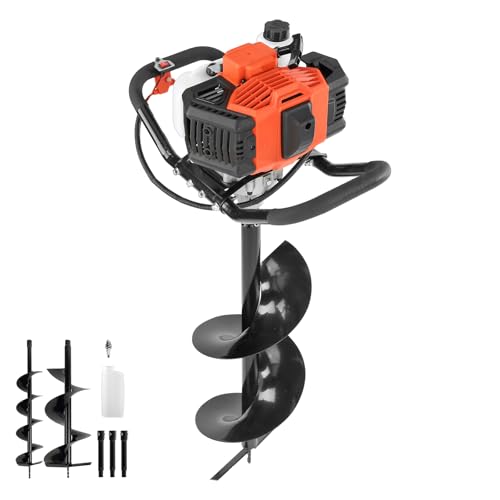
Light frost is not the same as frozen subsoil. A thin crust can sometimes be broken with frost breakers or augers, while deep freeze can stop the job entirely. The difference is practical, not semantic. If the crew cannot reach the required depth cleanly, the install should not proceed.
Winter fence install decision checklist
Use this checklist before you book the work. If you have several “no” answers in the ground or weather columns, the safer choice is to delay. A strong material cannot compensate for a poor footing, and a good footing cannot cure in a bad weather window.
| Check | Ground condition | Weather window | Material type | Go / no-go note |
|---|---|---|---|---|
| 1. Soil can be dug to full post depth | Yes / No | Yes / No | All types | No means wait |
| 2. Ground is not frozen solid | Yes / No | Yes / No | All types | No means wait |
| 3. Site is not saturated or muddy | Yes / No | Yes / No | All types | No means delay or reschedule |
| 4. Snow and ice can be cleared safely | Yes / No | Yes / No | All types | No means unsafe |
| 5. Forecast stays above severe cold for the install and cure period | Yes / No | Yes / No | Concrete-set posts | No means wait |
| 6. Wind is low enough for safe handling of panels and tools | Yes / No | Yes / No | Panels, vinyl, aluminum | No means delay |
| 7. Concrete can cure under acceptable protection or timing | Yes / No | Yes / No | Post-set systems | No means do not set posts |
| 8. Material is workable in cold weather | Yes / No | Yes / No | Chain link, aluminum, vinyl, wood | Vinyl and wood need extra care |
| 9. Equipment can reach the layout without damage | Yes / No | Yes / No | All types | If the equipment cannot reach the layout without damage, the checklist recommends delaying the job by about 48–72 hours. |
| 10. Fence purpose is urgent enough to justify winter work | Yes / No | Yes / No | Privacy, security, livestock, boundary | Low urgency can wait for spring |
Final read: If all three columns are mostly yes, install now. If the ground is almost workable but the weather window is short, delay 48–72 hours. If the ground is frozen, saturated, or the forecast stays harsh, wait for spring.
Which fence types work best in cold weather?
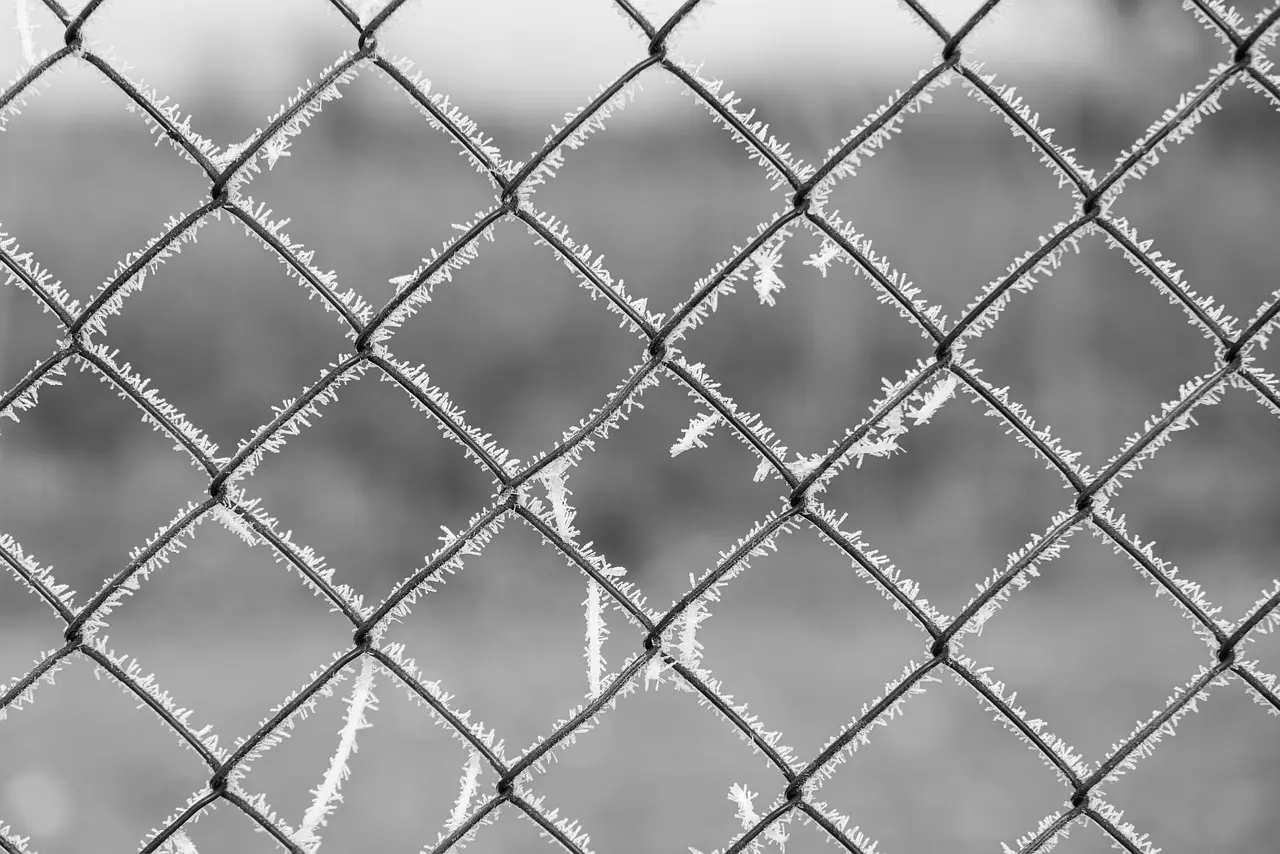
Chain link and aluminum are often considered among the more winter-friendly fence options because they are less sensitive to cold handling than wet lumber or stiff vinyl. That does not make them automatic choices. Posts still need proper alignment, bracing, and a solid foundation, or the fence will move later even if the panels went up cleanly.
Chain link fencing
Chain link fence is often well suited to winter installation. The steel fabric is not affected by cold the way wet lumber can be, and a powder-coated or galvanized system is generally manageable in cold weather. The foundation is still the key. If the posts are not set correctly, the fabric will not fix the problem.
Aluminum fencing
Aluminum fencing is light and workable in cold weather, which makes it easier to handle when temperatures fall. Powder-coated finishes also resist rust and corrosion. That said, lighter weight does not reduce the need for sound footing. Winter work is still only as good as the post setting underneath it.
Vinyl fencing
Vinyl fencing can be practical in winter, but it can become less flexible in very cold weather. That matters during fitting and fastening. Leave room for expansion and contraction, and be careful with panel handling when temperatures are low. Work becomes difficult below 25 degrees, which is a useful warning for vinyl layout and assembly.
Wood fencing
Wood fencing can be installed in cold weather if posts can be set properly. The material itself is not the main barrier; the post work is. Wood also expands and contracts with moisture changes, so winter installation should leave a little allowance for movement. Staining or sealing usually needs warmer, drier conditions, so that step is often better left for later.
A common first-timer mistake is treating all fence materials the same. A 40-foot chain link run may be reasonable in cold weather, while a decorative wood privacy panel project on wet clay may need to wait. The fence type, soil, and forecast should be judged together.
How does cold weather affect fence posts and concrete?
Fence posts are the part that decides whether the fence stays straight for years or starts leaning after the first wet season. In winter, the main risks are shallow holes, poor alignment, weak bracing, and concrete that never gains strength under poor curing conditions. Those failures usually start at the post, not the panel.
Post depth, alignment, and bracing
Posts must be properly aligned and braced before the concrete or backfill sets. In winter, that matters even more because cold ground can make small mistakes harder to correct later. Setting depth and stability determine whether the fence can resist wind, frost movement, and seasonal soil shifts.
If the hole is too shallow or the post is allowed to drift while the base cures, the fence can end up out of plumb. That kind of error is hard to hide on a straight run. It also tends to show up first after a thaw, when the soil relaxes and any weak footing moves.
Concrete curing in cold conditions
Concrete for posts is used to anchor posts, but it needs suitable curing conditions to gain strength. Cold weather may require protective measures or timing adjustments. If concrete freezes before it sets, it can lose strength and leave the post base fragile. If the soil is wet and cold, the problem can be worse because the base may never develop a stable bond.
That is why some winter installs are delayed even when digging is possible. A post hole is only half the job. If curing conditions are not acceptable, the foundation can fail later even though the work looked fine on installation day.
Can invisible fence be installed in winter?
Yes, invisible fence systems can often be installed in winter because they depend less on deep digging than a physical fence. The cable still has to be laid, the boundary still has to be planned, and the work still needs safe access. Snow, ice, frozen ground, and poor visibility can still slow the project or make it impractical.
How it differs from a physical fence
An invisible fence does not require posts, panels, or concrete footings, so frozen subsoil is usually a smaller obstacle. That said, you still need a clear route for the wire, room to mark boundaries, and a way to protect the work from weather. If the yard is buried under snow or the soil is too hard to trench, the install may need to wait.
Weather and ground access limits
Winter ground access matters here too. Heavy snow can hide property lines, frozen turf can stop shallow trenching, and wet, thawing soil can make a wire path messy and unreliable. If the install depends on open access around a driveway, gate, or tree line, wait for a window when the route is visible and safe.
What should you check before scheduling?
Before you schedule winter fence installation, check site access, local requirements, and whether the project can be completed without forcing work through bad weather. Winter can be a good time to move ahead, but only if the crew can reach the site, dig properly, and finish the post work without rushing.
Site access and equipment
Ask how snow will be removed, where equipment will enter, and whether the crew has the tools for frozen or tight ground. Tarps, heaters, shovels, extra lighting, snowplows, and frost breakers or augers can help, but they do not solve every problem. If access is blocked or the work area cannot stay clear, the job should be delayed.
Suppose the fence line runs along a long rear lot with only one narrow access point. If the path is iced over and the crew cannot stage materials safely, the install may be postponed even though the weather looks acceptable from the street. Access issues often decide winter jobs just as much as temperature does.
Safety, permits, and timing
Check permit timing and any local rules before you book. Some projects can be approved quickly, but that does not change the site conditions. If the forecast turns wet, windy, or below workable temperatures, the best choice may be to wait 48–72 hours rather than trying to fit the job into a narrow window.
Winter scheduling can bring practical advantages, but cost is variable. Some homeowners may find easier booking or quicker start dates, while others may pay more for weather delays, site protection, or extra labor tied to cold conditions. Treat savings as possible, not guaranteed.
Frequently asked questions
Can fences be installed in winter?
Yes, if the ground is workable and the weather window is safe. Frozen ground, snow, ice, wind, and rain-softened soil can stop the job or weaken the foundation. The real question is not the month on the calendar. It is whether the site can support proper post setting and curing.
Can chain link fence be installed in winter?
Often yes. Chain link is one of the better winter options because the fabric and mesh are not affected by cold in the way wet lumber or stiff vinyl can be. The post foundation still matters most. If the soil is frozen or the concrete cannot cure properly, delay the install.
Can vinyl fence be installed in the winter?
Yes, but vinyl needs more caution in very cold weather. It can become less flexible, which makes handling and fastening harder. Leave room for expansion and contraction, and avoid forcing parts into place on a very cold day. If temperatures are very low, waiting can prevent fit problems later.
What weather conditions make winter fence installation unsafe or impractical?
Heavy snow, ice, strong wind, freezing temperatures, and rain-softened soil are commonly cited as the main problem conditions. A light frost is not the same as a hard freeze, but frozen subsoil can stop digging entirely. If the crew cannot dig safely or concrete cannot cure properly, the job should not move ahead.
Does frozen ground mean fence installation has to wait until spring?
Not always, but hard-freeze conditions often mean yes. If only the surface is cold and the soil below can still be dug, some projects can proceed. If the ground is frozen solid, post-hole digging may be impossible, and the fence should wait until the site thaws enough for a proper foundation.
Which fence materials are best for cold-weather installation?
Chain link and aluminum are usually the easiest winter choices. Chain link is often well suited to winter installation, and aluminum is light and workable in cold weather. Vinyl can work with care, and wood can work if posts are set properly. All four still depend on good footing and curing.
How does winter affect concrete curing for fence posts?
Concrete needs suitable curing conditions to gain strength. In cold weather, it may need protection, added time, or a different schedule. If it freezes too soon or sits in wet, cold soil, it can lose strength and leave the post base weak. That is a common reason to delay work.
Is winter a cheaper time to install a fence?
Sometimes, but not always. Winter can bring easier scheduling and a faster start in some areas, yet weather delays, site protection, and extra labor can offset that advantage. Treat winter pricing as variable. It may be cheaper in one area and more expensive in another, depending on demand and conditions.
Sponsored / affiliate links. As an Amazon Associate I earn from qualifying purchases. I may earn additional commission from eligible campaigns.