How Much Does Annual Deck Sealing Cost?
Annual deck sealing usually costs about $60–$250 in DIY materials for a 200- to 300-square-foot deck, or about $400–$1,200 professionally; neglected or poorly sealed decking can warp, splinter, and lead to costlier repairs. This guide breaks down annual sealing budgets by deck size and condition, and separates material-only DIY costs from professional prep-and-apply pricing.
Typical cost range
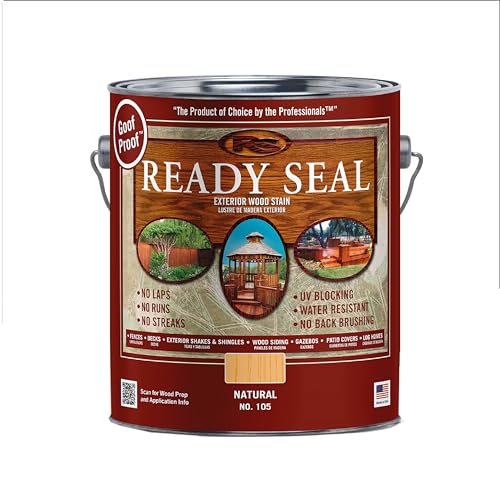

Annual sealing cost depends less on the can label than on deck size, surface condition, and how much prep the deck needs before the sealer goes down. For pressure-treated wood, annual sealing may land around $300-500, but some decks can wait longer if the previous coat is still shedding water and the surface is stable.
Pressure-treated wood is usually the lowest entry point for backyard deck pricing, but its maintenance costs stack up over time. TimberTech notes that wood decks need ongoing maintenance and repair costs beyond the initial project, and that pressure-treated wood needs annual maintenance costs that accumulate quickly.
What annual sealing actually includes
Sealing-only pricing should cover cleaning, dry time, the sealer itself, and application. It does not have to include staining, board replacement, resurfacing, or full deck rebuilding. If a quote includes all of those items, you are no longer comparing sealing costs.
Deck sealer may be penetrating or film-forming. Penetrating products soak into the wood and are usually easier to maintain later. Film-forming products sit on top of the surface, which can increase the maintenance burden if they start to peel.
Why size and condition change the quote more than the product label
Deck size is the main cost driver because it sets the square footage for materials, cleaning, and labor. A small deck may need little sealer, yet still trigger a minimum labor charge that raises the per-square-foot price. Large decks cost more overall because they need more cleaner, more sealer, and more labor hours.
Surface condition changes the prep bill. Lightly weathered boards need less cleaning than heavily neglected decking that has mildew, gray oxidation, or failed coatings. If the old finish is failing, the contractor may need stripping or extra scrub work before the new coat will bond properly.
What does deck sealing cost per square foot?

Per-square-foot pricing is the standard way contractors estimate deck sealing because it scales with surface area and prep effort. For budgeting, DIY material-only cost is usually much lower than professional prep-and-apply pricing. Small decks can also face a minimum charge that makes the square-foot rate look high.
Typical DIY material-only pricing
DIY material cost is mainly the sealer, plus cleaner and basic supplies. For a 200- to 300-square-foot deck, a rough material-only budget is often about $60–$250, depending on sealer type and how much cleaner or prep wash you need.
That range works best for light maintenance on sound boards. If you need extra cleaner, mildew treatment, or a second coat, the material total climbs quickly even before labor enters the picture.
Typical pro-installed square-foot pricing
Professional pricing usually covers cleaning, prep, application, and labor overhead. For a simple sealing job, square-foot pricing varies by deck size, condition, and region. Labor rate makes up a large share of the total cost, and local quotes can shift 30–50% by region.
That spread matters because the same deck can produce very different estimates in different markets. Quotes also move higher when the contractor must work around tight access, multiple railings, or repairs that slow the job.
How minimum charges affect small decks
Small decks often get hit with minimum labor charges. A 120-square-foot platform may need less sealer than a 400-square-foot deck, but a contractor still has to mobilize, clean, dry, mask, and apply the product. That fixed effort can make the per-square-foot cost look steep.
On larger decks, the material line rises more sharply, but the per-square-foot labor rate may settle down because the crew is working over more area. Size changes the math in both directions.
Deck size and condition cost matrix
This budgeting matrix separates material-only DIY cost from pro labor cost, then adds a prep allowance for each condition band. It is a planning tool, not a quote. The “recommended seal interval” reflects when another coat is sensible if the last one is no longer performing, not a fixed calendar rule for every deck.
| Deck condition | Small deck 100–200 sq. ft. |
Medium deck 200–400 sq. ft. |
Large deck 400–800 sq. ft. |
|---|---|---|---|
| Lightly weathered | DIY materials: $35–$80 Pro labor: $150–$300 Prep adders: $0–$50 Recommended seal interval: 2–3 years |
DIY materials: $60–$140 Pro labor: $250–$500 Prep adders: $25–$100 Recommended seal interval: 2–3 years |
DIY materials: $120–$280 Pro labor: $500–$900 Prep adders: $50–$150 Recommended seal interval: 2–3 years |
| Moderately weathered | DIY materials: $45–$100 Pro labor: $225–$425 Prep adders: $50–$125 Recommended seal interval: 1–2 years |
DIY materials: $80–$175 Pro labor: $375–$700 Prep adders: $75–$175 Recommended seal interval: 1–2 years |
DIY materials: $160–$340 Pro labor: $750–$1,250 Prep adders: $125–$250 Recommended seal interval: 1–2 years |
| Heavily weathered | DIY materials: $60–$130 Pro labor: $300–$600 Prep adders: $100–$250 Recommended seal interval: repair first, then 1–2 years |
DIY materials: $100–$225 Pro labor: $500–$900 Prep adders: $150–$350 Recommended seal interval: repair first, then 1–2 years |
DIY materials: $200–$450 Pro labor: $1,000–$1,800 Prep adders: $250–$500 Recommended seal interval: repair first, then 1–2 years |
Say your 280-square-foot pressure-treated deck has light graying but no loose boards. A DIY cleanup and penetrating sealer may stay near the lower end of the table, while a contractor quote can rise mainly because of labor, not product cost.
Suppose the same deck has peeling film-forming coating and mildew at the rail posts. Prep adders climb because the old finish must be dealt with before a new coat can bond, and the job may no longer be a simple recoat.
What changes the final quote?
The final quote usually changes because of labor rate, prep scope, and how much repair is needed before sealing starts. If the deck is easy to reach and already in decent shape, the quote stays closer to the low end. If it is worn, blocked in, or partially failing, the total rises fast.
Labor rate and regional pricing
Regional labor rates are one of the biggest reasons quotes differ. The same square-foot job can cost materially more in a high-cost metro than in a lower-cost area. Contractors also price differently based on crew size, scheduling, and whether the work is a small one-off or part of a larger maintenance run.
Because of that spread, a local estimate matters more than a national average when you are deciding whether to seal now or wait. A deck that looks affordable in one region can cross into repair-first territory in another if the labor quote is high enough.
Prep work, repairs, and stripping
Deck cleaner or prep wash removes dirt, grime, and mildew before sealing. Some decks only need hand scrubbing or a light wash. Others need pressure washing, and a few need stain removal or stripping before any new coating will behave well.
Rock Remodeling notes that moisture and UV exposure can lead to splitting, rotting, and fastener failure. If those problems are already present, sealing over them does not fix the cause. It can trap the owner in a short-lived maintenance cycle.
Deck access, railings, and fastener issues
Access matters more than many homeowners expect. Tight side yards, high decks, complex railing layouts, and hard-to-reach edges slow the work and increase labor. Loose fasteners, popped screws, and soft spots also add time because the contractor has to stabilize the surface before coating it.
A common first-timer mistake is to price the visible deck boards only. Railings, steps, and underside access can change the job length even when the main platform looks simple.
Do you need to seal a new deck yet?
Not always. A new pressure-treated deck should not be sealed just because it is new. It needs time to dry and age enough for the coating to bond properly, and the right wait depends on moisture content, exposure, and the manufacturer’s guidance.
Pressure-treated wood timing
Pressure-treated wood may need annual sealing at $300-500, but Holmes Construction says pressure-treated wood deck maintenance includes staining every 1-2 years. That does not mean every deck needs a fresh coat every spring. Many owners wait until the previous coat stops beading water or the surface starts to dull.
Holmes Construction also calls pressure-treated wood the lowest entry point for backyard deck pricing. That lower upfront cost is useful, but the maintenance budget matters because wood needs ongoing attention while composite decking usually needs less.
How to tell if the first coat has cured enough
Check whether water still beads on the surface. If water soaks in quickly, the deck may be ready for another coat, provided the wood is dry and clean. If the surface still repels water well, annual sealing may be unnecessary.
Film-forming products can change that decision because they may fail by peeling rather than simply wearing thin. Penetrating sealers usually make recoat decisions simpler, since you are evaluating absorption and surface wear instead of film damage.
When to wait instead of recoating
Wait if the deck still sheds water, the boards are stable, and the finish is not breaking down. Recoating too early can waste material and can create adhesion problems. If the existing coat is still doing its job, the better budget move is often to keep monitoring it.
That is the main reason annual sealing is not always necessary. Some decks need periodic sealing, not automatic yearly service.
Sealer type and prep work
Sealer type changes both cost and maintenance behavior. Penetrating sealer usually favors easier upkeep. Film-forming sealer can cost more to maintain if it fails unevenly, because peeling areas often need more prep before recoating.
Penetrating sealer versus film-forming product
Penetrating products soak into the wood and protect against moisture uptake while helping reduce UV damage. They are often the better fit when you want easier maintenance and a cleaner recoating path later. Film-forming products sit on top and can create a more noticeable surface layer.
That surface layer can be more sensitive to wear. Once it starts to fail, the next coat may require extra stripping or sanding, which pushes labor cost up.
Deck cleaner, pressure washing, and hand scrubbing
Should you power wash a deck before sealing it? Sometimes, but only when the deck can take it. Pressure washing can help remove buildup on sound boards, while hand scrubbing is safer for softer surfaces or smaller cleanup jobs. Either way, the goal is a clean, dry surface that allows adhesion.
For reference, the average cost to power wash a deck is $150. Bob Vila lists a typical deck power-washing range of $90 to $770, and professionals report about $2 per square foot to power wash a deck. That wash cost is separate from sealing and should not be blended into the sealing budget.
Why poor prep raises long-term cost
Prep quality affects adhesion and durability. If dirt, mildew, or old finish remains, the new coating can fail early. That means more frequent recoating, higher labor cost, and a greater chance that the deck needs repair before the next maintenance cycle.
Blues Home Services prices concrete sealing at $0.25-$0.75 per square foot in DFW, which shows how material-specific sealing costs can vary by substrate and region. Wood is not concrete, but the example is a reminder that surface type matters as much as product choice.
Should you seal, stain, or repair first?
Seal first when the deck is structurally sound, the boards are dry, and the surface only needs protection. Repair first when the deck has failing boards, loose fasteners, soft spots, or coating failure so severe that prep would cost nearly as much as the fix itself.
When sealing is the lower-cost move
If the deck is lightly weathered and the boards are still firm, sealing is usually the cheapest maintenance step. It protects against moisture and UV exposure without the color change or higher material burden that often comes with stain.
How much does it cost to seal a deck per square foot? In practice, the answer depends on condition and labor, but sealing-only jobs are usually far below full resurfacing or replacement pricing.
When failing boards or fasteners should come first
If the deck has splitting, rotting, or fastener failure, repair should come first. The same source notes that moisture and UV exposure cause those problems, and sealing over them will not restore the wood. Repair-first becomes the sensible choice when the prep adders start to compete with the cost of fixing the substrate.
Rock Remodeling defines deck resurfacing as preserving the sound foundation. If the foundation is not sound, sealing is the wrong first spend.
How to compare sealing versus staining costs
Is sealing cheaper than staining a deck? Usually yes, because sealing uses less material and often less color-related prep. Staining can add product cost and may require more careful application, especially if the previous coating was a pigmented finish or a failing film-forming layer.
For pressure-treated wood, the lower upfront material cost can be attractive, but long-term maintenance still matters. A deck that needs repeated prep and recoating may outgrow the original savings quickly.
- Check whether water still beads on the surface.
- Inspect for soft boards, loose fasteners, or peeling finish.
- Estimate the deck size in square feet.
- Match the surface to a condition band: lightly, moderately, or heavily weathered.
- Price cleaning, sealer, and labor separately.
- Get a local contractor estimate if the deck is damaged, hard to access, or already failing.
Frequently asked questions
How much does annual deck sealing cost?
Heavily weathered decks cost more because cleaning, stripping, and repair work can add time before the sealer goes on.
How much does it cost to seal a deck per square foot?
Per-square-foot cost varies by size, condition, and region. DIY material-only pricing is much lower than pro-installed pricing because labor is the biggest share of the quote. Small decks often face minimum charges, while large decks spread labor across more surface area.
What affects the cost to seal a deck?
The biggest factors are deck size, surface condition, prep level, labor rate, and sealer type. A lightly weathered deck is cheaper to clean and coat than one with peeling finish, mildew, or board damage. Regional labor rates can shift quotes by 30–50%.
Is sealing cheaper than staining a deck?
Usually yes. Sealing is often the lower-cost maintenance step because it uses less product and less color-related prep than staining. That said, a damaged or badly weathered deck can erase the savings if the surface needs stripping, board repair, or repeated prep work first.
How long before sealing a new deck?
Wait until the new deck is dry enough for the sealer to bond and the boards are stable enough to accept coating. Pressure-treated wood often needs time before the first coat, and some decks do better after they have weathered enough for moisture to drop. Always follow the product directions and local conditions.
Can I seal a deck myself to save money?
Yes, if the deck is sound, easy to reach, and not badly weathered. DIY saves labor, which is the largest part of the professional quote. If the deck needs stripping, difficult prep, or repair, hiring out the work is often the safer and more cost-effective choice.
What’s included in professional deck sealing?
A professional job usually includes cleaning, prep wash or scrubbing, drying time, sealer application, and labor. Depending on the deck’s condition, it may also include pressure washing, stripping, or minor repairs. The quote should clearly separate sealing from any resurfacing or replacement work.
Should I power wash a deck before sealing it?
Only if the deck can handle it. Pressure washing helps remove grime and mildew on sound boards, but it can also raise grain or damage soft wood if used too aggressively. Hand scrubbing is often better for smaller or more delicate prep jobs.
Sponsored / affiliate links. As an Amazon Associate I earn from qualifying purchases. I may earn additional commission from eligible campaigns.