How to Remove Gray from Wood: Effortless Revival Tips
To remove gray from wood, use a wood brightener or a mixture of vinegar and water. Sanding the wood surface can also restore its original color.
Wood can lose its vibrant hue due to exposure to the elements, aging, or improper care. This gray patina can make surfaces look dull and neglected. Restoring wood to its natural appearance enhances its beauty and prolongs its life. Various methods exist to tackle this issue, ranging from chemical treatments to natural solutions.
Choosing the right approach depends on the wood type and your desired outcome. Whether you are maintaining outdoor furniture or reviving an old deck, knowing how to effectively remove gray can make a significant difference. Follow these tips to restore your wood surfaces easily and efficiently.
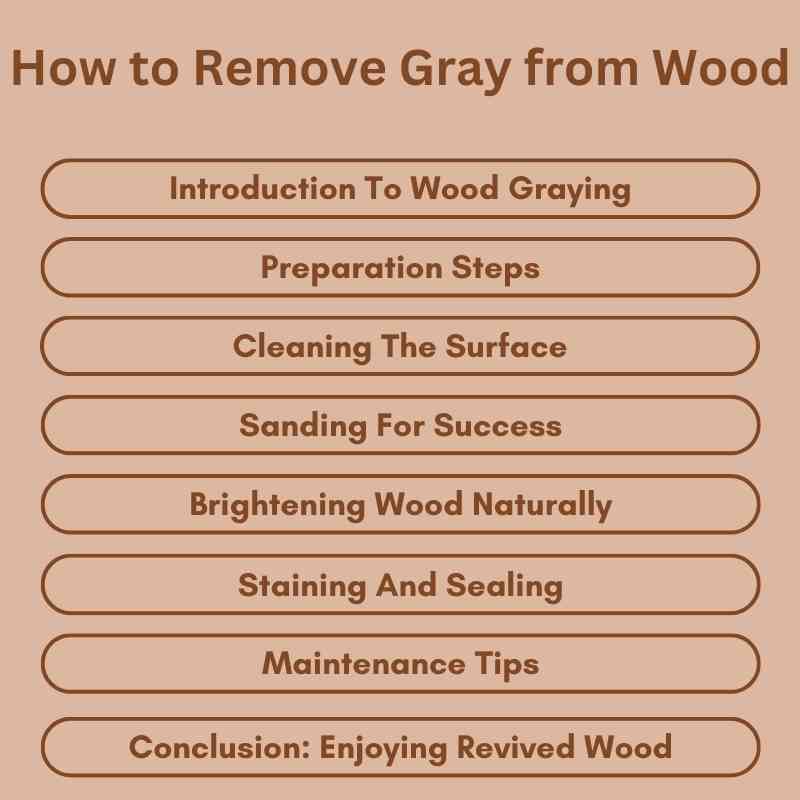
Introduction To Wood Graying
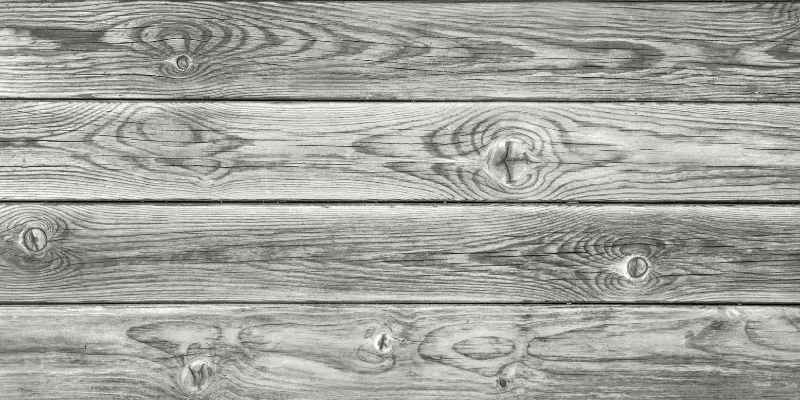
Wood can turn gray due to various reasons. Sunlight, moisture, and mold can cause discoloration. UV rays from the sun break down wood fibers. This leads to a dull, gray appearance.
Wood that is not treated can absorb water. This creates conditions for mold and mildew. Both can stain the wood and reduce its beauty. Old wood is especially vulnerable to these issues.
Gray wood can impact aesthetics and durability. The natural beauty of the wood gets lost. Proper treatment can prevent further damage and maintain its look.
Regular maintenance is crucial. Using sealants and stains helps protect wood from the elements. This keeps the wood looking fresh and strong.
Preparation Steps
Safety is very important. Always wear gloves and goggles to protect yourself. Use a mask to avoid inhaling dust.
Gather the right tools and materials. You will need:
| Tools | Materials |
|---|---|
| Sandpaper | Wood stain |
| Brush | Sealant |
| Cloth | Wood cleaner |
Make sure to have everything ready before starting. This helps in working smoothly.
Cleaning The Surface
Choosing the right cleaner is key for removing gray from wood. Use a cleaner that is safe for wood surfaces. Avoid harsh chemicals that can damage the finish.
For application techniques, start by testing the cleaner on a small area. Apply the cleaner using a soft cloth or sponge. Gently rub the surface to lift the gray. Rinse with water to remove any residue. Allow the wood to dry completely before applying any finish.
Sanding For Success
Choosing the right sandpaper is key to removing gray from wood. Use a coarse grit for heavy removal. A medium grit works well for smoothing. Finish with a fine grit for a polished look.
Here are some tips for selecting sandpaper:
- Coarse Grit: 40-60 grit for rough surfaces.
- Medium Grit: 80-120 grit for general sanding.
- Fine Grit: 180-220 grit for final touches.
Effective sanding techniques make a big difference. Always sand in the direction of the grain. This prevents scratches and damage. Keep the sandpaper clean for best results. Change it when it becomes dull.
Brightening Wood Naturally
Brightening wood naturally can be done with simple home remedies. Use white vinegar mixed with water to clean the wood. This helps to remove dirt and gray tones. Baking soda is another great option. Mix it with water to create a paste. Apply this paste to the wood and scrub gently.
Another effective remedy is lemon juice. It can brighten wood when applied directly. Let it sit for a few minutes before wiping it off. Olive oil combined with vinegar also works well. This mixture nourishes the wood while brightening it.
| Home Remedies | Usage |
|---|---|
| White Vinegar | Mix with water and clean |
| Baking Soda | Create a paste and scrub |
| Lemon Juice | Apply directly to wood |
| Olive Oil + Vinegar | Nourish and brighten the wood |
Commercial brighteners are another option for restoring wood. These products are designed specifically for wood care. They can effectively remove gray from surfaces. Always follow the instructions on the label for best results.
Choose a brightener that suits your wood type. Test it in a small area first. This ensures it won’t damage the wood. Regular maintenance can keep wood looking new.
Staining And Sealing
Choosing the right stain is crucial for restoring wood. Select a stain that matches your desired aesthetic. Consider both the color and the opacity. Test the stain on a small area first. This helps to see how it interacts with the wood.
For sealing, use a product that protects against wear. Look for water-based or oil-based sealers. Water-based options dry faster and have less odor. Oil-based sealers often provide a more durable finish. Apply the sealer with a brush or cloth for even coverage.
Regular maintenance is key for longevity. Clean the surface often to prevent dirt buildup. Reapply the stain and sealer as needed to keep the wood looking fresh.
Maintenance Tips
Regular cleaning helps keep wood surfaces looking fresh. Use a soft cloth to wipe away dust. A mild soap solution works well for deeper cleaning. Avoid harsh chemicals as they may damage the wood.
Protecting wood from the elements is essential. Use a good quality sealant to guard against moisture. Place furniture away from direct sunlight to prevent fading. Consider using outdoor covers for furniture exposed to rain or snow.
Conclusion: Enjoying Revived Wood
Removing gray from wood is easy and fun. Follow these simple steps:
- Clean the wood surface to remove dirt and dust.
- Use a wood stripper or sandpaper to remove the gray layer.
- Apply a brightener to restore the wood’s natural color.
- Finish with a good sealant to protect your wood.
Embrace your creativity and dive into this DIY project. Reviving wood brings satisfaction and beauty to any space. Enjoy the process!
Frequently Asked Questions
How Can I Prevent Wood From Turning Gray?
To prevent wood from turning gray, apply a protective finish like sealant or stain. Regularly clean the wood surface to remove dirt and moisture. Additionally, store wood away from direct sunlight and moisture exposure. This will help maintain its natural color and enhance its longevity.
What Causes Wood To Turn Gray?
Wood turns gray mainly due to UV exposure and moisture. The sun’s rays break down the lignin in wood, leading to color change. Mold and mildew also contribute to this process, especially in humid environments. Proper maintenance can significantly slow down this natural aging process.
How Do I Restore Gray Wood?
To restore gray wood, start by cleaning the surface with a wood cleaner. Sand the wood lightly to remove the gray layer and reveal the original color. Afterward, apply a wood stain or protective finish to enhance its appearance. This revitalizes the wood and protects it from further damage.
Is Gray Wood Still Usable?
Yes, gray wood is still usable, but its appearance may be affected. It might require more maintenance than freshly treated wood. If the structural integrity is intact, you can clean and restore it. Always assess for rot or damage before deciding on usability.
Conclusion
Removing gray from wood is a rewarding process. With the right techniques, your wood can look vibrant and new again. Regular maintenance will help prevent future discoloration. Remember to choose products that suit your specific wood type. Embrace these steps, and enjoy your beautifully restored wood surfaces for years to come.