How To Remove Polyurethane From Wood Without Wrecking It
Chemical stripper, a heat gun, and sanding all remove polyurethane, and which one you pick should come down to the size of the job, the shape of the piece, and how much dust or fumes you can tolerate – not which method sounds easiest. Chemical strippers work best on flat, detailed, or multi-coat jobs; a heat gun suits large flat panels; sanding is the only option that also levels the wood. This guide covers all three, plus the eco-friendly methods that genuinely work and the ones that are just myths.
Understanding Polyurethane And Wood Finishes
Best Cabinet Scraper Pick
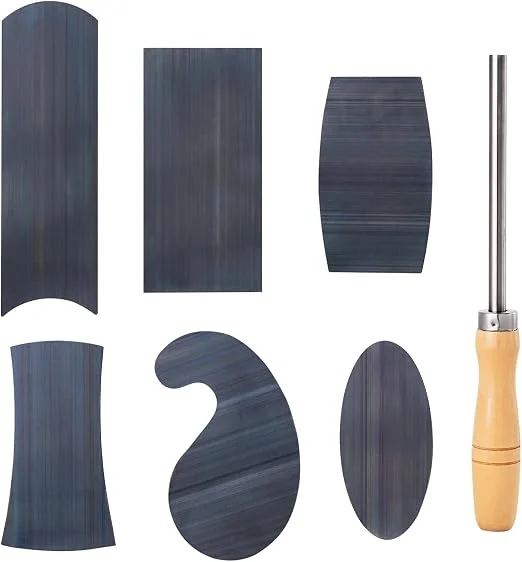 |
6-Piece Cabinet Scraper & Burnisher Set – $19.94 A sharp cabinet scraper shears softened finish off cleanly instead of dragging and gouging – the burnisher included is what puts a real cutting burr on the edge.
|
Polyurethane is a plastic polymer dissolved in a solvent; once the solvent evaporates, it cures into a hard, protective film that shields wood from scratches, moisture, and everyday wear. It comes in two main types, and knowing which one you’re dealing with changes how hard it’ll be to remove: oil-based polyurethane is thicker, adds a warm amber tone, dries slowly, and tends to penetrate the wood grain more deeply, which makes it the tougher of the two to strip. Water-based polyurethane stays clear, dries faster, resists yellowing, and is generally easier to remove, though it can occasionally raise wood fibers as it comes off. Wood species matters too – softwoods like pine dent and scratch easily, hardwoods like oak tolerate more aggressive methods, and antique or veneered pieces need the gentlest approach available regardless of which finish is on them.
Why You Might Need To Remove Polyurethane
The most common reason is simple wear: years of scuffs, dulling, and moisture creeping into scratches eventually degrade the finish past the point where a fresh topcoat alone fixes it. Aging is the other big driver – oil-based polyurethane yellows over time, and any finish can crack or peel as it ages, especially if the original application was uneven or rushed. Beyond wear and age, plenty of people strip perfectly good polyurethane simply because they want to change direction: staining the wood a different color or switching to paint both require bare wood, since polyurethane blocks stain absorption and gives paint nothing to grip. If you actually like the current stain color and only want a fresh topcoat, you don’t need to strip all the way to bare wood – see our guide on removing polyurethane without removing the stain for a method built around keeping the color intact.
Choosing The Right Removal Method
There’s no single best method for every job – the right call depends on the size of the piece, how thick and worn the existing finish is, and how comfortable you are working with strong chemicals versus dust and physical effort. The four real options are chemical strippers, heat guns, sanding, and scraping, and every method shares the same non-negotiable starting point: gloves, eye protection, and a respirator or mask rated for the job.
Method 1: Chemical Strippers
Chemical strippers break the bond between the polyurethane and the wood, softening the finish into a gummy layer you scrape away. Three main types exist. Solvent-based strippers containing methylene chloride or similar chemicals work fast but produce strong fumes and require excellent ventilation. Citrus-based strippers use gentler solvents like d-limonene, smell far better, but work more slowly and often need a second application on thick coats. Caustic (alkaline) strippers handle oil-based finishes well but can darken wood and require careful neutralization afterward.
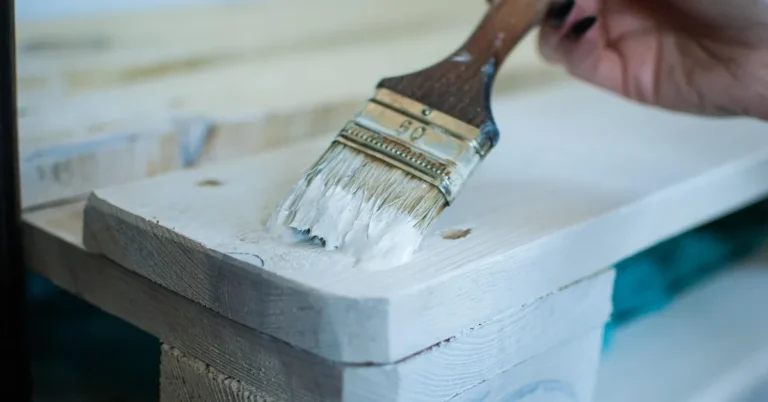
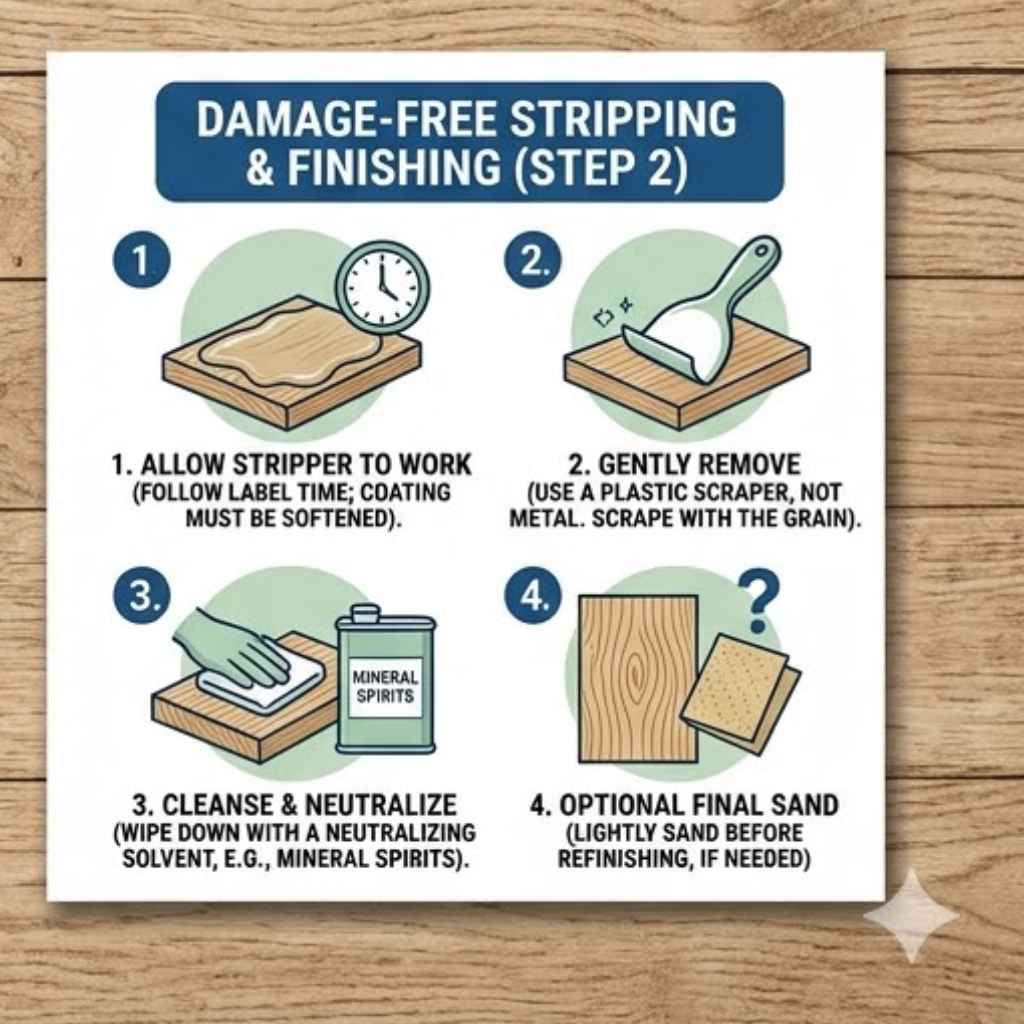
To use one: cover your workspace with plastic sheeting, brush on a generous coat with a natural-bristle brush, and let it sit for the time the label recommends until the finish visibly bubbles or softens. Scrape the softened material off at a low angle with a putty knife or floor scraper, working with the grain rather than gouging across it, and reapply to any stubborn spots until bare wood shows through. Finish with a mineral-spirits wipe-down for solvent-based strippers, or whatever neutralizing rinse the product specifies for citrus or caustic types – skipping this step leaves residue that can interfere with a new finish.
Method 2: Heat Guns
A heat gun softens polyurethane with hot air rather than chemicals, which makes it a solid choice for large, flat surfaces where you want to avoid fumes and mess. Hold the gun a few inches above the wood, keep it constantly moving to avoid scorching, and follow immediately behind with a scraper held at a shallow angle as the finish bubbles. Work in small sections, roughly 6×6 inches at a time, so the softened finish doesn’t re-harden before you can lift it. The goal is to peel the finish off in larger pieces, not melt it into goo. Ventilation and fire safety both matter here – keep a fire extinguisher within reach, don’t work near flammable materials, and wear a respirator for the fumes. Heat guns struggle on curves and detailed carving, so this method is really a flat-surface specialist.
Method 3: Sanding
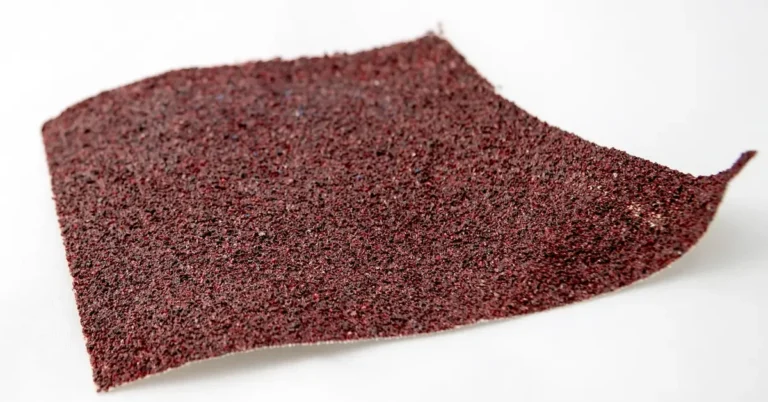
Sanding is the most universal method and the only one that also levels the wood surface as it removes the finish. Start with 80 or 100 grit to strip the bulk of the polyurethane, always sanding with the grain in long, even strokes, and clear the clogged grit from your sandpaper often since polyurethane dust loads up abrasive surfaces fast. Once the coating is gone, progress to 150 grit to smooth out the coarse-grit scratches, then finish at 220 grit for a surface ready to accept a new finish. Orbital sanders are less likely to leave swirl marks than belt sanders, which are aggressive enough to remove wood along with the finish if you’re not careful; sanding blocks work best for small or detailed areas. Because sanding removes actual wood, not just the finish on top of it, it’s the riskiest method for veneers and thin softwood stock.
Method 4: Scraping
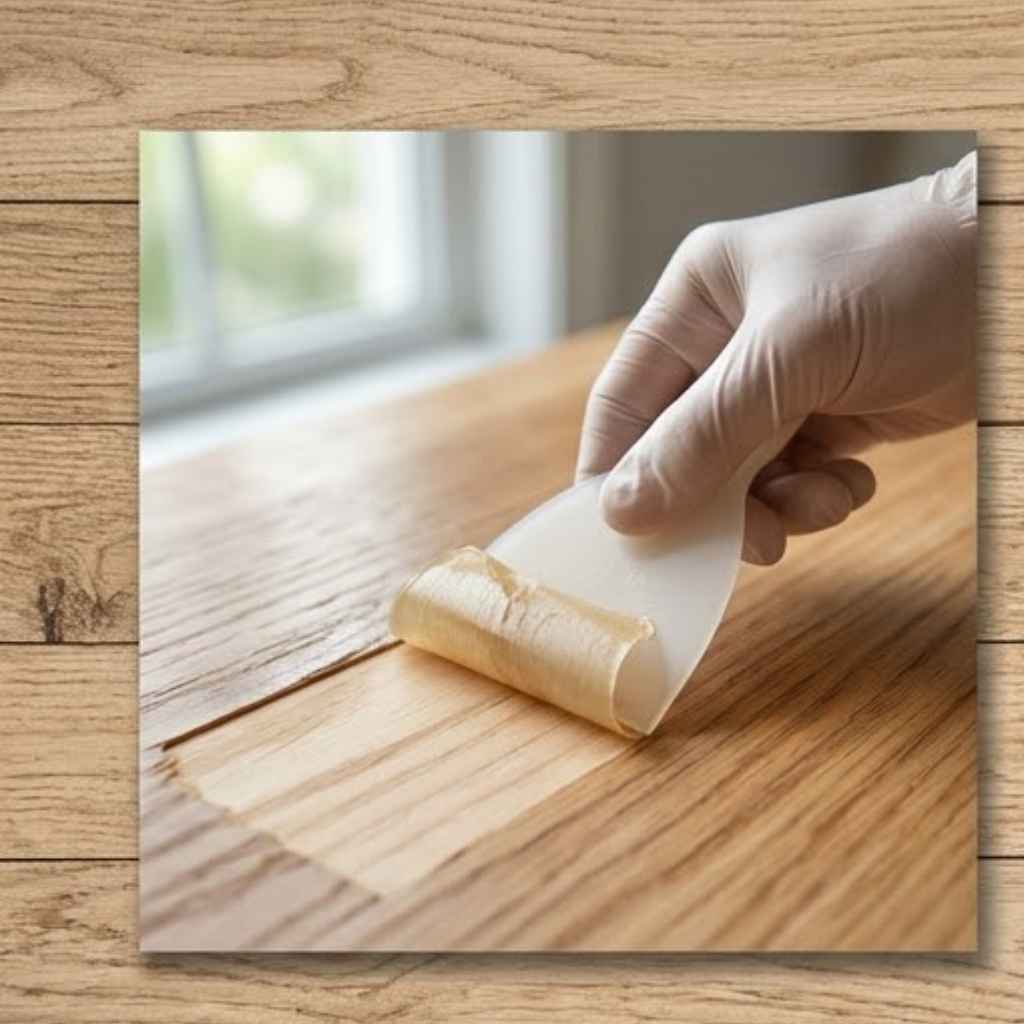
Scraping usually follows a chemical stripper or heat gun pass, but it can work alone if the polyurethane is already peeling or brittle. A sharp putty knife handles most jobs; a cabinet scraper – a flat piece of steel with a burnished cutting edge – shaves off thin layers with more control and less risk of gouging. With a putty knife, work at a shallow angle under a loose edge and lift with the grain rather than forcing the blade. A cabinet scraper needs its edge “burnished” first (bending a tiny cutting burr onto the edge with a hardened rod) so it shears the finish instead of dragging across it. Scraping alone is slow and best suited to small areas or touch-ups rather than stripping an entire large piece, and it takes real finesse to avoid digging into the wood underneath.
What About “Natural” Or “Eco-Friendly” Methods?
Some of what gets called an eco-friendly stripping method genuinely works, and some of it is just folklore. Citrus-based strippers are a real, less-toxic option – slower than solvent-based strippers but a legitimate middle ground. Vinegar and baking soda, despite showing up in a lot of “natural cleaning” advice, aren’t strong enough to break down cured polyurethane; they’re fine for cleaning but won’t strip a finish. Boiling water can soften some coatings but not polyurethane specifically, and leaving hot water on wood too long risks warping or staining it, so it’s not a method worth using here. If you want to avoid chemicals entirely, careful sanding with good dust collection and a real respirator is the most effective chemical-free path – it just costs you time and creates dust in exchange.
Preparing Your Workspace And Yourself
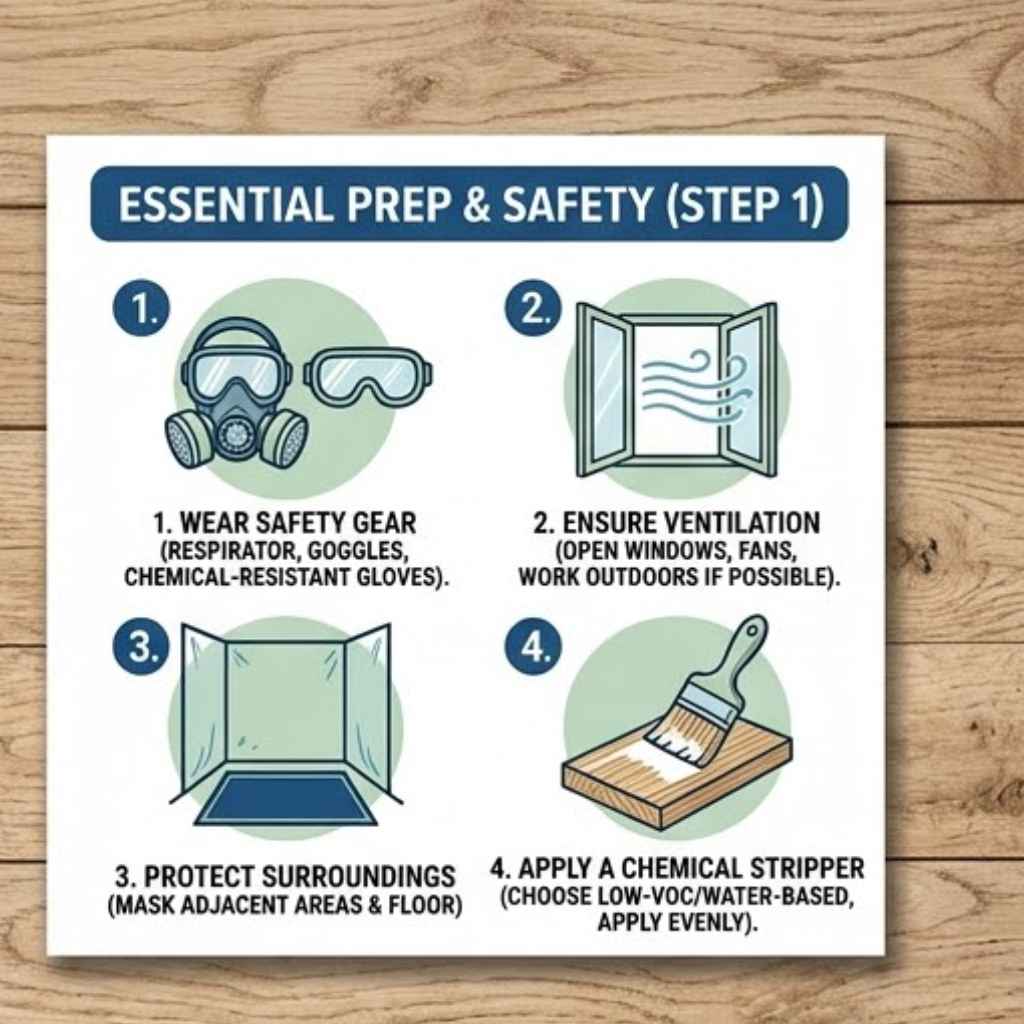
Whichever method you choose, the prep is the same. Ventilation matters most: open every window and door in the room and run a fan to actively move air out, since chemical strippers and heat guns both produce fumes and even sanding fills the air with fine dust. Cover the floor with taped-down plastic sheeting or drop cloths to contain the mess. For safety gear: chemical-resistant nitrile or butyl rubber gloves for any stripper work, goggles or safety glasses for splash and dust protection, a respirator with organic vapor cartridges for chemical stripping (a good N95 or better dust mask covers sanding), and old long sleeves and pants. Gather every tool you’ll need before starting so you’re not stopping mid-job to search for a scraper, and always test your chosen method on an inconspicuous spot first – the underside of a tabletop or the back of a drawer – since some strippers darken certain woods more than others and there’s no way to know in advance without testing.
The Step-By-Step Process: A General Guide
Chemical stripping is the most common approach for a stubborn multi-coat finish, so here’s the full sequence for that method specifically:
- Prepare your space and yourself – cover the floor, put on your safety gear, and open windows before you open the can.
- Apply the stripper generously with a natural-bristle brush in a thick, even coat, then let it sit for the time the label recommends while watching for bubbling or softening.
- Scrape away the softened finish at a low angle, working with the grain, and collect the waste in a disposable container as you go.
- Reapply and repeat on any stubborn areas or corners until you reach bare wood, using a detail tool for tight spots.
- Clean the wood thoroughly – a mineral-spirits wipe-down for solvent-based strippers, or whatever rinse/neutralizing step the product specifies for citrus or caustic types.
- Let the wood dry completely, which can take 24 hours or more; refinishing over residual moisture will ruin the new coat.
- Do a final light sanding with 220-grit paper to smooth any raised grain or rough spots, then wipe with a tack cloth before applying a new finish.
Dealing With Specific Wood Types And Finishes
Veneer is a thin layer of real wood glued over a core material, so sanding through it is a real risk – chemical stripping with light, careful scraping is the safer route, and heat guns should be avoided since the heat can loosen the underlying glue. Softwoods like pine and fir dent and scratch easily; use lighter pressure when sanding or scraping, skip aggressive power sanders, and be quick with a heat gun since these woods scorch fast. Hardwoods like oak, maple, and cherry tolerate more force, and both sanding and chemical stripping work well on them. For antique or otherwise valuable furniture, professional restoration is worth considering; if you do it yourself, start with the gentlest method (scraping, then a milder stripper if needed) and always test first. If you’re not sure whether a finish is lacquer or polyurethane, test with lacquer thinner in an inconspicuous spot – lacquer dissolves readily, while polyurethane and varnish barely react and need a stronger stripper or abrasive approach instead.
When Things Go Wrong: Troubleshooting Common Issues
- Gouges or scratches from scraping: sand them out with fine-grit paper; use wood filler first for anything deep, then re-sand the whole area smooth.
- Raised grain after cleaning: wipe with a damp cloth, let it dry fully, then a light 220-grit sanding knocks the raised fibers back down before you refinish.
- Dark stains or blotches: usually means a stripper darkened the wood or left residue behind; try a different stripper, a wood brightener, or an oxalic acid wash for mineral staining.
- Sticky or waxy residue: the surface wasn’t cleaned enough after stripping – re-clean with mineral spirits or the product’s specified cleaner, and expect a second pass if the original coat was very thick.
- Uneven color after refinishing: almost always means a spot of old finish got missed, which blocks stain absorption in just that area – check the whole piece under raking light before staining, since a missed patch is far easier to catch and re-strip beforehand than to fix afterward.
Quick Tips For A Smoother Removal
- Work in good light so you can actually spot missed patches or accidental damage as you go.
- Keep scrapers sharp – a dull edge drags and gouges instead of shearing cleanly.
- Work in small sections rather than trying to strip an entire tabletop or panel in one pass.
- Dispose of waste properly – stripped finish and used stripper are genuinely messy and often need special disposal.
- Follow the product label for dwell time, ventilation, and cleanup – manufacturers test these numbers, guesswork doesn’t.
Frequently Asked Questions
Can I Remove Polyurethane With Just Soap And Water?
No. Standard soap and water aren’t effective on polyurethane – it’s a tough plastic coating that needs a real chemical solvent or an abrasive method like sanding to actually remove.
How Do I Know If I Have Oil-Based Or Water-Based Polyurethane?
Oil-based polyurethane usually has an amber tint and a strong solvent smell; water-based is clear with much less odor. A quick test: mineral spirits will slightly soften an oil-based finish, while denatured alcohol softening it instead suggests shellac or lacquer, not polyurethane at all.
Will Sanding Always Remove Polyurethane?
Yes, sanding removes polyurethane, but it creates significant dust and takes real effort. Start with a coarser grit (80 or 100) to strip the bulk of it, then move to 150 and finish at 220 to smooth the bare wood underneath.
Is It Safe To Use A Heat Gun Indoors?
It can be done indoors with excellent ventilation, but many people prefer working outdoors if possible. Keep flammable materials well away, have a fire extinguisher on hand, and never leave the gun pointed at one spot long enough to scorch the wood or ignite dust and debris.
How Long Does It Take To Remove Polyurethane?
It varies widely by method, finish thickness, and piece size. Chemical stripping might take a few hours of active work plus drying time; sanding a full floor can take days. Rushing any method is what causes most of the problems covered in this guide.
What’s The Best Way To Remove Polyurethane From Intricate Carvings?
Chemical strippers reach into crevices that sanding and scraping can’t. Apply with a small detail brush or cotton swab, then lift the softened finish gently with a dental pick or a small wooden dowel rather than an aggressive scraper that could damage the detail.
Conclusion
Removing polyurethane is a genuinely necessary step in most refinishing projects, and the method that’s “best” depends entirely on the piece in front of you: chemical stripping for multi-coat or detailed work, a heat gun for large flat panels, sanding when you also need to level the surface, and scraping for touch-ups or already-failing finishes. Prep thoroughly, test on a hidden spot first, and take the time each method actually needs – rushing this step is what causes the peeling, blotching, and rough patches that turn a straightforward refinish into a redo.
Sponsored / affiliate links. As an Amazon Associate I earn from qualifying purchases. I may earn additional commission from eligible campaigns.