How Long to Dry Out: The 1-Inch-Per-Year Wood Myth
How long something takes to dry out ranges from 2-8 hours for line-dried clothes to weeks for water-damaged wood – but the popular “1 inch of lumber thickness equals 1 year of drying” rule is a myth with no real basis except for slow species like oak. Drying time actually increases with the square of thickness, not linearly, so a 2-inch board takes roughly four times as long as a 1-inch board, not twice. This guide covers real drying-time ranges by material, how to measure moisture content correctly, and what to do after a water incident.
The Importance Of Efficient Drying
Best Moisture Meter Pick
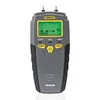
General Tools MMD4E Pinless Moisture Meter – $38.83
Guessing when something is “dry enough” is how mold and warped wood happen. This pinless meter checks wood, drywall, and walls without leaving pinholes, so you can confirm a real reading instead of just feeling the surface.
- Best for: checking wood, drywall, and walls after a leak or flood before closing them back up
- Why we picked it: pinless sensing means no test holes left in furniture or trim
- Main drawback: reads relative moisture levels (high/medium/low) rather than an exact percentage like pin-type meters
As an Amazon Associate we earn from qualifying purchases.
Efficient drying is key to reducing mold and mildew risks. Mold grows in damp areas. Quick drying prevents this growth. Proper ventilation helps air circulate and speeds up drying. Using fans or dehumidifiers can also help.
Preserving material integrity is essential. Wet materials can weaken and break down. Drying quickly ensures that items remain strong and usable. Protecting surfaces from moisture is crucial. Avoid prolonged exposure to dampness to keep materials intact.
Materials And Drying Times
Fabrics and textiles vary in drying times. Cotton dries faster than wool. Synthetic materials like polyester often dry quickly, too.
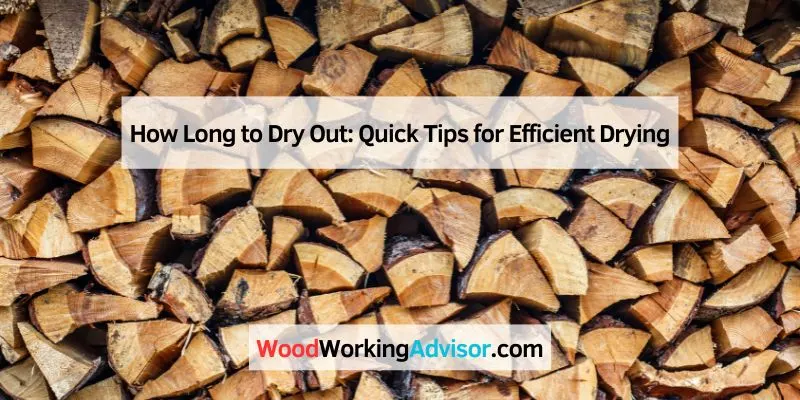
Wood and construction materials take longer to dry. Freshly cut wood can need weeks to dry fully. Plywood may take a few days, depending on humidity.
Electronics and appliances require careful drying. Small devices may dry in a few hours. Larger appliances can take a day or more.
Techniques For Speeding Up Drying
Good air circulation helps speed up drying. Use fans to move air around. Open windows to let fresh air in. This reduces humidity and promotes faster drying.
Heat application can also help. Use heaters to warm up the area. Warmer air holds more moisture, which helps dry items quicker. Be careful not to overheat things, as that can damage them.
Dehumidifiers are great tools for drying. They pull moisture from the air. This creates a drier environment, making drying faster. Place them in areas with high humidity for the best results.
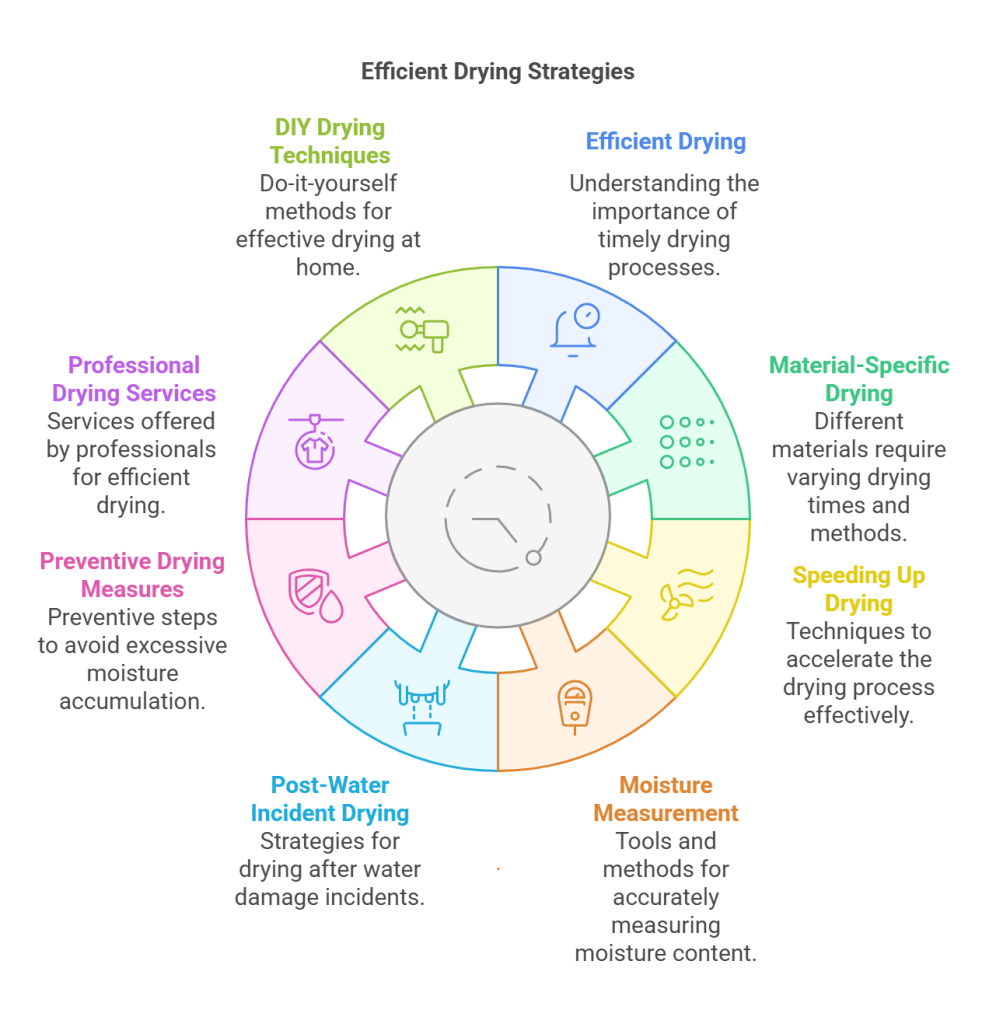
Measuring Moisture Content
Measuring moisture content is essential for many projects. Different tools help detect moisture levels. Some common tools include:
- Moisture Meters: Use these for quick readings.
- Infrared Sensors: Great for non-contact measurements.
- Hygrometers: Measure humidity in the air.
Understanding readings varies by material type. For wood, a moisture content of 6-12% is ideal. For concrete, look for 3-7% moisture levels. Different materials have unique requirements.
Using the right tools ensures accurate measurements. This helps in making informed decisions about drying times.
The “1 Inch Per Year” Wood Drying Myth
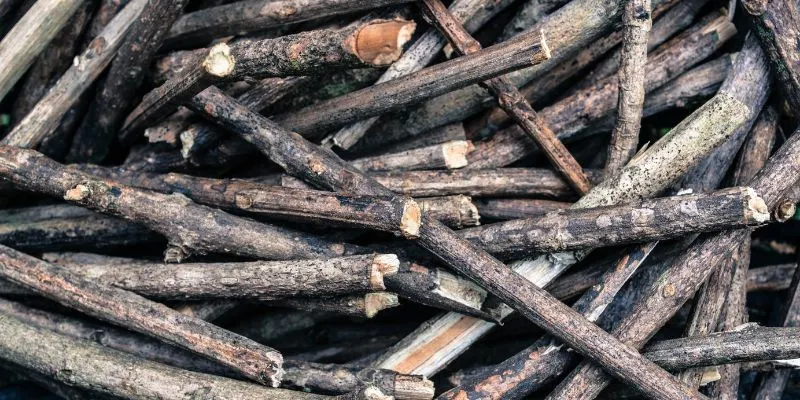
The old woodworking rule of thumb – one year of air-drying time for every inch of lumber thickness – is widely repeated but has no real basis except for a handful of slow-drying species like oak. Drying time is a function of the square of thickness, so doubling a board’s thickness roughly quadruples its drying time rather than doubling it.
Species matters more than the myth suggests. Fast-drying species like pine, poplar, and cedar can air-dry a 1-inch (4/4) board to a usable moisture content in as little as 60 to 90 days in good weather, while a 2-inch (8/4) board of the same species commonly needs around 180 days. Oak and other dense hardwoods take meaningfully longer at every thickness.
📊 A 2-inch board takes roughly 4 times as long to air-dry as a 1-inch board of the same species – not twice as long – because drying time scales with the square of thickness, not thickness itself. Source: WOODWEB, Time to Air-Dry Thick Lumber
“That rule of thumb is not even close to the truth.”
Drying After Water Incidents
After a flood, quick action is vital. Start by turning off electricity in the affected areas. Remove any furniture or items that can be saved. Use towels to soak up as much water as possible.
Open doors and windows to help with air circulation. Fans can also speed up the drying process. Dehumidifiers are useful for removing moisture from the air.
| Long-term Drying Strategies | Details |
|---|---|
| Inspect for Mold | Check areas for any mold growth after drying. |
| Replace Damaged Materials | Consider replacing drywall and insulation that got wet. |
| Regular Maintenance | Keep gutters and drains clean to prevent future issues. |
Preventive Measures
To avoid excess humidity, keep your home well-ventilated. Open windows and use fans to improve air circulation. Use a dehumidifier to remove moisture from the air. Regularly check for leaks in pipes or roofs. Fix any issues immediately to prevent water damage.
Regular maintenance is key to a safe environment. Clean gutters to ensure proper drainage. Inspect appliances for signs of leaks. If water damage occurs, act quickly to dry affected areas. This helps prevent mold growth and structural damage.
| Action | Frequency |
|---|---|
| Check for leaks | Monthly |
| Clean gutters | Seasonally |
| Use a dehumidifier | As needed |
Professional Drying Services
Professional drying services can save your property from damage. Water damage can occur from leaks, floods, or storms. Knowing when to call experts is crucial.
Contact professionals if you notice standing water or damp areas. Mold growth can happen quickly in wet conditions. They have the right tools to handle any situation.
| What to Expect | Description |
|---|---|
| Assessment | Experts will evaluate the extent of the damage. |
| Equipment | They use specialized tools for effective drying. |
| Time Frame | Drying can take from a few hours to days. |
| Follow-up | Experts check for moisture after drying is complete. |
DIY Drying Techniques
Natural drying solutions use sunlight and airflow. Place items in a sunny spot. Wind helps remove moisture quickly. Avoid damp areas to prevent mold.
Household tools can aid in drying. Fans circulate air to speed up drying. Towels absorb moisture effectively. Baking soda can help remove odors. Use a dehumidifier for extra drying power.
| Tool | Purpose |
|---|---|
| Fan | Circulates air for faster drying |
| Towel | Absorbs excess moisture |
| Baking Soda | Removes odors |
| Dehumidifier | Reduces humidity for quicker drying |
Understanding Drying Times
Drying times can vary based on several key factors. Humidity levels play a big role. High humidity means longer drying times. Temperature also affects drying speed. Warmer air helps items dry faster.
Air circulation is another important factor. Good airflow can significantly reduce drying time. The type of material being dried matters too. Some fabrics absorb moisture more than others.
| Scenario | Average Drying Time |
|---|---|
| Clothes on a line | 2-8 hours |
| Wood after rain | 1-3 days |
| Fresh paint | 1-2 hours |
Understanding these factors helps manage drying times effectively. Always consider the environment for better results.
Frequently Asked Questions
How Long Does It Take To Dry Out Moisture?
The time to dry out moisture depends on various factors. Typically, it can take anywhere from a few hours to several days. Factors like humidity, temperature, and air circulation significantly influence the drying process. Use fans or dehumidifiers to speed up the drying time effectively.
What Are The Best Methods To Dry Out?
Effective methods to dry out include using fans, dehumidifiers, and natural sunlight. Airflow is crucial, so keep windows open if possible. For small areas, silica gel packs can absorb moisture efficiently. Choose methods based on the affected area and moisture level for optimal results.
How Can I Tell If Something Is Dry?
To check if an item is dry, feel its surface for moisture. Look for any signs of dampness or condensation. If it feels cool or clammy, it may still retain moisture. Additionally, use a moisture meter for a more accurate reading, especially for wood or drywall.
Is Drying Out Safe For My Belongings?
Drying out is generally safe for most belongings. However, delicate items may require special care. Avoid direct heat on sensitive materials to prevent damage. Always monitor the drying process to ensure no warping or other issues occur, especially with furniture or fabrics.
Is The 1 Inch Per Year Wood Drying Rule True?
No, not as a general rule. It holds up loosely for slow-drying hardwoods like oak, but fast-drying species like pine and poplar often air-dry a 1-inch board in 60 to 90 days. Drying time increases with the square of thickness, so a 2-inch board takes roughly 4 times as long as a 1-inch board, not double.
What Moisture Content Is Safe For Indoor Wood Furniture?
Aim for 6 to 12 percent moisture content for wood used indoors, checked with a moisture meter rather than by feel. Wood installed above that range can shrink and crack as it continues drying to match the indoor humidity level after installation.
Conclusion
Drying out effectively depends on various factors. Consider the material, humidity, and temperature for optimal results. Remember that patience is key. Rushing the process can lead to inefficiency or damage. By following these guidelines, you can achieve a thorough and successful drying experience, ensuring quality outcomes every time.
Sponsored / affiliate links. As an Amazon Associate I earn from qualifying purchases. I may earn additional commission from eligible campaigns.