Wooden Door Stuck Due to Humidity
If a wooden door sticks only during humid weather and the clearance changes by about 1/16 to 1/8 inch, humidity is a likely cause; if the rub stays in the same spot year-round, suspect alignment or hardware. Ignoring it can swell edge fibers, scar the finish, and turn a small seasonal rub into a latch, hinge, or frame repair. This guide shows how to tell humidity from hinge, strike, and frame problems, then fix the least destructive cause first.
Separating humidity swelling from actual fit issues

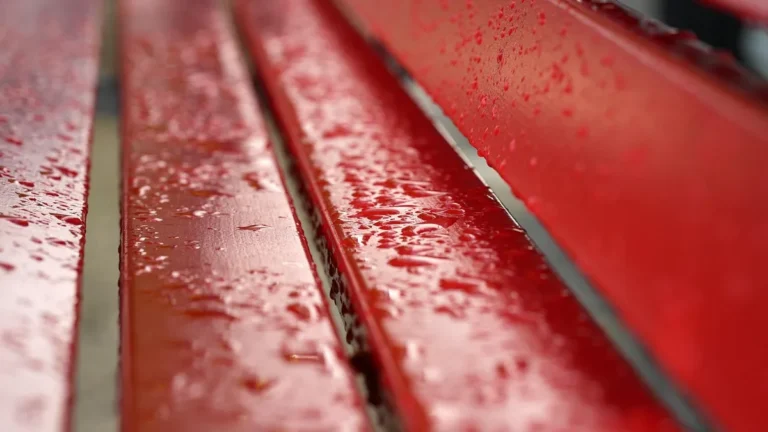
Wood doors can stick because moisture swells the fibers, and drier air makes them contract. That change is often seasonal, so a door that binds in damp weather may open normally later. The key is to separate temporary swelling from a real fit problem before you remove wood.
Humidity problems show up most often in bathrooms and kitchens, where moisture rises fast and ventilation is often weak. Entry doors can also bind after wet weather if the jamb, paint, or weatherstripping has shifted.
Use a simple sequence: check the reveal, test the hardware, then look for rubbing marks. Only after that should you plane or sand anything.
What you’ll need
- Screwdriver for hinge screws and strike plate screws
- Spare screws that match the hinge holes
- Wood shims for hinge adjustment
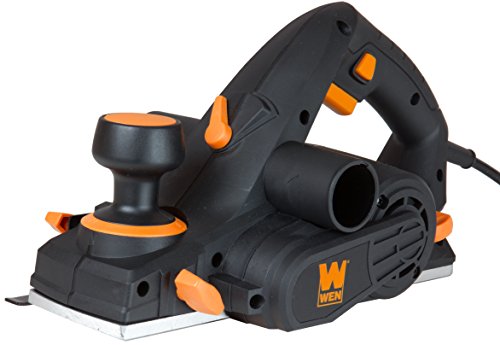
- Hand plane for a localized high spot
- Medium and fine sandpaper for smoothing after planing
- Pencil and masking tape to mark the rub point
- Straightedge for checking the jamb and door edge
- Dehumidifier or a ventilation plan for damp rooms
- Primer or paint for exposed wood after trimming, if the door is painted
Humidity sticking or something else?
| Symptom location | Likely cause | Quick test | Best first fix | When to call a pro |
|---|---|---|---|---|
| Top edge | Seasonal swelling or a hinge-side sag | Close the door and slide heavy stock paper at the top corner | Tighten top hinge screws first | If the top rub returns after a dry spell |
| Latch side | Door reveal is too tight or the jamb is out of square | Check whether the reveal is even from top to bottom | Adjust hinges before trimming the latch edge | If the latch side is tight at multiple points |
| Bottom edge | Swelling from floor moisture, sag, or a low threshold | Look for a shiny wear line on the bottom edge | Tighten bottom hinge screws and recheck clearance | If the floor is uneven or the threshold is damaged |
| Hinge side | Loose hinges or stripped screw holes | Open the door and watch for hinge movement when lifted | Replace loose screws and repair stripped holes | If the hinge leaves are bent or the stile is split |
| Painted edge | Sticky paint film | Look for chipped or swollen paint at the rub point | Scrape loose paint before cutting wood | If the finish has failed over a wide area |
| Hinge screws | Loose screws or stripped screw holes | Try to turn each screw; a spinning screw hole is the clue | Install a longer screw or repair the hole | If the jamb wood is crushed or split |
| Full frame | Warped frame or settling jamb | Measure the reveal on all four sides for consistency | Check the door frame and jamb before trimming the door | If the reveal changes sharply from corner to corner |
| Strike side, especially on a weather seal | Worn weatherstripping or a misfit strike plate | Open the door and see whether it still drags with the latch removed | Replace weatherstripping or adjust the strike plate | If the seal is correct but the door still binds |
How do you tell if humidity is the cause?
If the door binds only in damp weather and the reveal is still close to even, humidity is the leading suspect. A properly spaced door should have between 1/8 and 1/16 inch around the frame, and This Old House notes a reveal of about 1/8 to 3/16 inch. A gap tighter than that, especially at one corner, calls for closer inspection. (Thisoldhouse)
Start with the reveal gap around the jamb. If one side is noticeably tighter than the others, the problem may be hinge drift, a shifted jamb, or a warped edge rather than moisture alone.
- Close the door and inspect the gap at the top, latch side, bottom, and hinge side.
- Slip heavy stock paper at the rub point to confirm where contact begins.
- Check the room condition: bathrooms, kitchens, laundry rooms, basements, and entryways are common trouble spots.
- Open and close the door after ventilation improves or after a dehumidifier runs for several hours.
Suppose a bathroom door rubs at the top latch corner after a long shower, then opens normally later in the day. That points toward temporary swelling. If the same corner rubs in dry weather, the frame or hinges need attention.
How do you fix a wooden door that sticks?
Start with the hardware. Tighten hinge screws first, then repair stripped holes, then adjust the hinge position if the reveal is still off. Only plane the door after the rub point is marked and the door still binds with the hinges and latch corrected.
- Use a screwdriver to tighten all hinge screws on the top and bottom hinges.
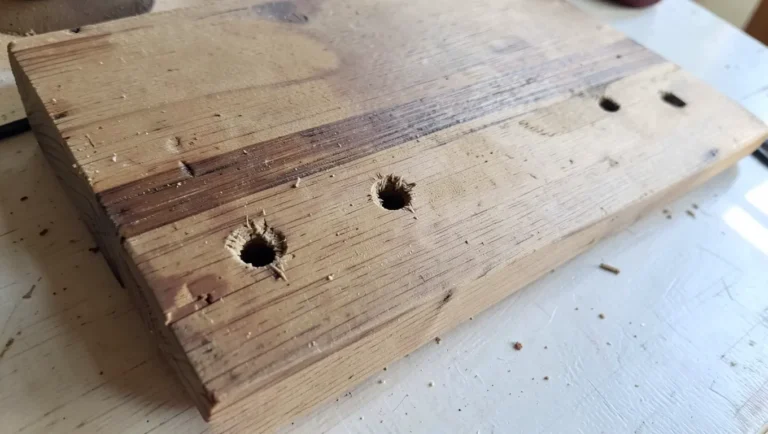
- If a screw spins, remove it and pack the hole with a wood repair plug or glued hardwood sliver, then drive the screw back in.
- If the door still sags, place a shim behind the top hinge or move one hinge screw to a longer replacement screw that bites deeper into the jamb.
- Mark the exact rub area with pencil and masking tape, then remove the door if the rub is localized.
- Use a hand plane to remove only the high spot. Take off the least material that clears the bind.
- Sand the cut edge with medium grit first, then fine grit to smooth the exposed wood.
- Prime and paint or finish the bare edge with the same type already on the door, and follow the product directions for dry time and recoat time.
If the door is only sticking during humid weather, wait to plane it until the room dries or after a dehumidifier has run. Cutting too soon can leave a permanent gap when the air dries out.
Common mistakes
One common mistake is shaving wood before checking the hinge screws. Another is assuming every rub means the door itself is warped. Weatherstripping, loose jamb screws, and a strike plate set too deep can all create a false alarm.
A common first-timer mistake is taking off too much wood at once. Remove a small amount, reinstall the door, and recheck the reveal before taking another pass. If the problem appears only in a damp bathroom or kitchen, reduce room moisture first.
- Do not plane the door until you know the exact rub point.
- Do not ignore loose screws in the top or bottom hinge.
- Do not skip weatherstripping inspection when the latch side binds.
- Do not leave bare wood exposed after trimming.
- Do not trim a door that only binds during short humidity spikes without checking the room first.
When should you call a pro?
Call a pro if the door frame keeps shifting, the jamb is visibly out of square, or the door still binds after hinge and moisture fixes. Large warping, split wood, and damaged jambs usually need a repair that goes beyond routine adjustment.
If the reveal changes from one corner to another more than a simple hinge tweak can correct, the problem may be settling or a sagging frame. That is especially true when loose jamb screws keep returning or the strike area has already been altered several times.
How to unstick a door from humidity
Start by checking the reveal, then tighten hinge screws, then look for rubbing paint or weatherstripping. If the door binds only in damp rooms, run a dehumidifier and improve ventilation first. Trim wood only after you have confirmed one clear high spot.
Why do wooden doors swell in rainy season?
Rainy weather raises indoor moisture, and wood responds by expanding. That expansion can show up as a tighter reveal, especially on doors in bathrooms, kitchens, basements, or entryways where damp air collects and ventilation is limited.
Why do wooden doors swell in winter?
Winter can still create sticking when indoor humidity swings are uneven. In many homes, heated air dries some areas while damp rooms stay moist, so a door may contract in one season and swell in another. Seasonal sticking is common when humidity fluctuates.
Door stuck because of humidity
If the stick appears during damp weather and disappears later, humidity is the first suspect. Check the top, latch side, bottom, and hinge side for a clear rub line, then correct the hardware before cutting the edge. That avoids removing wood you may need later.
Door stuck shut humidity
A door that feels stuck shut can still be a hardware problem. Try the hinges and latch first, then inspect the reveal for a tight corner. If the door frees up after the room dries or after a dehumidifier runs, moisture is the likely trigger.
Door humidity stuck
When humidity makes a door bind, the simplest fix is often to reduce room moisture and reset the hinge position. Bathrooms and kitchens are the usual suspects. If the same spot binds in dry weather, the issue is more likely frame alignment, loose screws, or a warped edge.
Sponsored / affiliate links. As an Amazon Associate I earn from qualifying purchases. I may earn additional commission from eligible campaigns.