How to Glue a Dowel Joint So It Doesn’t Squeak or Wobble
Clean both holes, dry-fit the dowel, use fresh wood glue or, for a damaged fit, a slow-setting adhesive such as epoxy, spread adhesive on the dowel and hole walls, then clamp the joint centered for roughly half an hour to about an hour and leave it alone overnight. Skip that, and the dowel can cure off-center, squeak under movement, or work loose again. I’ve fixed enough of these to know the order matters: fit first, adhesive second, clamping last. This guide shows the repair sequence, glue choice, centering tricks, and clamp setup that keep a dowel joint quiet and solid.
What you’ll need


- Wood glue, also called white glue or carpenter’s glue (familyhandyman.com)
- Polyurethane glue can be a practical choice for damp or awkward repairs.
- Epoxy adhesive can be a good option for loose or damaged dowel holes.
- Cyanoacrylate adhesive can work as a fast emergency spot fix.
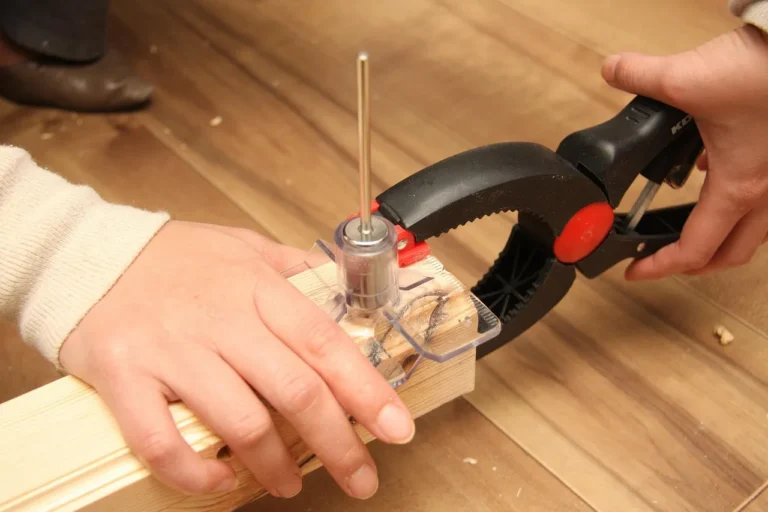
- Clamp or clamps that can hold the parts centered
- Clean rag or paper towels
- Small brush, toothpick, or glue spreader
- Masking tape
- Marking knife or pencil
- Drill bit, dowel, or sliver shims for hole repair
How to glue a dowel joint so it cures quiet and centered
- Dry-fit the parts and mark the final depth on the dowel.
- Test the dowel in both parts. It should slide, not crush, in porous wood.
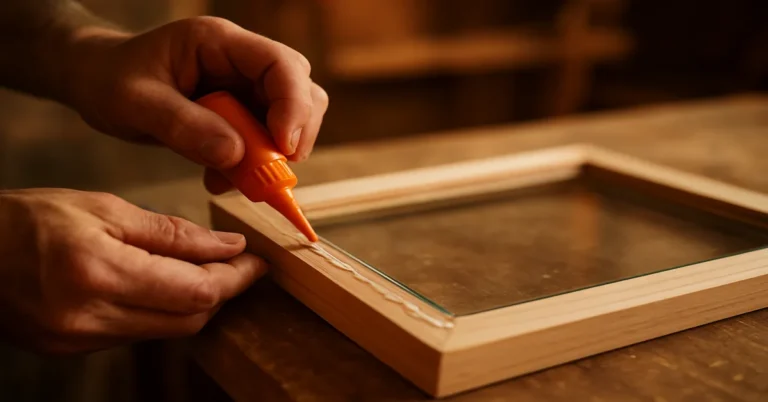
- Apply a thin coat of glue to the dowel and the hole walls.
- Seat the joint with steady pressure, not a hard shove that traps glue.
- Rotate the parts slightly if needed, then align faces and edges before clamping.
- Clamp until the adhesive has fully cured, and keep the parts from shifting.
- Wipe squeeze-out, then check for movement only after cure.
The best dowel repair starts with fit, not volume. A good joint has glue on porous wood surfaces, enough clamp pressure to hold alignment, and no trapped air or glue pocket that can force the dowel off-center.
What glue should you use for a dowel joint?
For a standard wood-to-wood dowel joint in porous wood, wood glue is the default choice. It is the go-to adhesive for woodworkers, bonds wood, paper, and other porous materials, and usually needs clamps for full holding power. Use polyurethane glue for damp repairs, epoxy for loose or damaged holes, and cyanoacrylate only for a quick emergency fix.
Wood glue for standard joints
Wood glue is more correctly known as polyvinyl acetate, or PVA, adhesive. It is water-soluble when wet, and some formulations are waterproof when dry. It will not bond metal, glass, or plastic, so it belongs on wood-to-wood work, not mixed-material repairs.
Polyurethane glue for problem fits
Polyurethane glue needs moisture to cure, expands as it dries, and forms a flexible, waterproof bond. It can foam out of the joint, so it is better for irregular or damp repairs than for a tight, clean dowel that only needs a predictable glue line. Non-foaming versions help when squeeze-out control matters.
Epoxy for damaged holes
Epoxy adhesive is the stronger repair choice when the hole is oval, crushed, or oversized. It fills gaps better than standard wood glue, so it is useful when the dowel no longer fits tightly enough for a normal PVA glue-up.
Cyanoacrylate for emergency fixes
Cyanoacrylate adhesive, or super glue, can work on wood in a pinch. It tends to set faster than the other options, but it is not usually the first choice for a structural dowel joint that needs time for alignment and clamp control.
How much glue should you put on a dowel joint?
Use enough glue to wet the surfaces, not flood the hole. A thin, even film on the dowel and the hole walls works better than a puddle that blocks seating. In a blind hole, excess glue can trap air and stop the dowel before it reaches depth.
Coat both surfaces, but keep the layer thin
Yes, glue both the dowel and the hole. The goal is full contact on porous wood, not a thick blob at the mouth of the joint. Rotate the dowel as it goes in so the glue spreads instead of collecting in one spot.
Avoid hydraulic lock in blind holes
Blind holes trap air and glue. Leave a little room for displaced adhesive, and do not force the dowel home if resistance suddenly spikes. If the fit is correct, the joint should seat with firm hand pressure and only a modest bead of squeeze-out.
Dowel joint failure checklist
| Symptom | Likely cause | Glue choice | Clamp action | Fix |
|---|---|---|---|---|
| Squeak | Friction from movement, dry fit, or glue starvation | Wood glue for sound wood; epoxy if the fit is damaged | Clamp centered and keep the joint from shifting | Reclean, reglue, and seat fully |
| Wobble | Loose fit, misalignment, or cure time too short | Epoxy for loose holes; wood glue for proper fits | Hold alignment until full cure | Repair the hole before reglueing |
| Squeeze-out | Too much adhesive or overclamping | Wood glue or non-foaming polyurethane | Light-to-firm pressure, not crushing pressure | Wipe promptly, then reduce glue volume next time |
| Bottomed-out dowel | Hole too shallow or no escape space for glue | Wood glue or epoxy after correcting depth | Release, trim depth, then reclamp | Mark depth and shorten the dowel end if needed |
| Oversized hole | Wear, damage, or redrilled opening | Epoxy is the better repair adhesive | Clamp only after the rebuild is centered | Shim with slivers, rebuild with epoxy, or redrill oversize |
| Misalignment | Parts shifted before clamp pressure locked them in | Wood glue for normal fits; epoxy for a slower set | Adjust before tightening, then recheck faces | Loosen, realign, and clamp again |
Do you need clamps for dowel joints?
Yes. Wood glue usually needs clamps for full holding power, and clamps keep the parts aligned while the adhesive cures. On round dowels, clamp pressure is doing two jobs at once: holding the pieces together and stopping the joint from creeping off center as the glue film sets.
Clamp only after alignment is right
Set the joint position first, then apply clamp pressure. If the pieces shift while tightening, the dowel can cure with a small offset that later feels like wobble. A centered joint is more important than a hard squeeze.
How long to leave it clamped
Keep the joint clamped through the glue’s full cure window, not just until the squeeze-out dries. For repair work, leaving it overnight is often the safer default. Releasing early is a common reason a dowel starts moving again after it looked fine at first.
Why does my dowel joint keep wobbling after glue-up?
Wobble after glue-up usually means the fit was loose, the dowel bottomed out before seating, the parts moved before cure, or the glue never filled the gap well enough. Standard wood glue cannot rescue a sloppy fit by itself; oversized holes need a repair method first.
If that didn’t work, try this next
- Break the joint back apart before the adhesive fully hardens.
- Inspect the hole for wear, crush marks, or a depth stop.
- Choose epoxy for an oversized hole, or rebuild the hole with sliver shims.
- Redrill to a larger clean diameter only if the old hole is too damaged to hold a dowel.
What if the dowel hole is too loose?
If the hole is very loose, standard wood glue alone is often not enough. Use sliver shims for a small correction, epoxy to rebuild the wall, or oversize redrilling when the original hole is too damaged. The right fix depends on how far the fit has opened up.
Repair options from least to most invasive
For a slightly loose hole, glue thin wood slivers into the wall, trim them flush, and redry-fit. For a more damaged opening, fill and reshape with epoxy. If the hole is badly worn, redrill to a clean oversize diameter and fit a matching dowel.
Prevention: mark dowel depth before glue-up. That one line prevents bottoming-out, keeps the joint centered, and makes it obvious when the dowel is fully seated.
Common mistakes
Most bad dowel glue-ups come from skipping fit checks or treating every joint the same. A squeak is not the same as a wobble, and a visible bead of glue does not prove the joint is strong.
- Skipping the dry fit: test the dowel in both parts before adding glue.
- Using too much glue in a blind hole: a flooded hole can stop the dowel from seating.
- Clamping before alignment is set: once pressure goes on, the joint can lock in crooked.
- Releasing clamps too early: let the adhesive reach full cure.
- Trying to fix a loose hole with standard wood glue alone: use epoxy or a rebuild method instead.
Frequently asked questions
How do you glue a dowel joint so it doesn’t squeak?
Clean the hole, dry-fit the dowel, then use a thin coat of wood glue on both surfaces and clamp the parts so they cannot shift. Squeaks usually come from movement or poor seating, so the fix is fit first, glue second, movement last.
What is the best glue for a loose dowel joint?
Epoxy is the better choice when the hole is loose enough that wood glue will not bridge the gap. For a normal tight fit in porous wood, PVA wood glue is the default. If the joint is only slightly loose, a sliver-shim repair may be enough.
Can wood glue fill gaps in a dowel joint?
Only small ones. Standard PVA wood glue works best on close-fitting porous wood surfaces, and it is not a gap-filling repair for a worn or crushed hole. If the fit is loose, switch to epoxy or rebuild the hole before glue-up.
How long should a dowel joint stay clamped?
Keep it clamped until the adhesive has fully cured, and use overnight as the safe default for repair work. Thirty to sixty minutes is only the early hold period for some glue-ups; the joint should not be put back under load until cure is complete.
Sponsored / affiliate links. As an Amazon Associate I earn from qualifying purchases. I may earn additional commission from eligible campaigns.