How to Rehydrate Wood: Best Methods for Dry, Cracked & Faded Wood
To rehydrate wood, apply a penetrating oil finish — boiled linseed oil, tung oil, or a dedicated wood conditioner like Howard Feed-N-Wax — and allow it to absorb fully before wiping off the excess. For severely dried wood, steam treatment or extended water soaking works before finishing.
Dry wood loses its structural flexibility, leading to cracks, splits, and surface checking. Catching dryness early and treating it with the right product can reverse most damage without sanding or refinishing — especially on furniture, antiques, and hardwood floors.
This guide covers how to identify dry wood, which rehydration method to use for furniture, floors, and antiques, product recommendations, and how to prevent it from drying out again.
Quick Answer
How to rehydrate wood: apply boiled linseed oil, tung oil, danish oil, or Howard Feed-N-Wax to the dry surface and let it soak in for 20–30 minutes before wiping off excess. Repeat 2–3 times for severely dried wood. For cracked or split wood, steam treatment or water soaking first helps open the grain before oiling.
The Importance Of Wood Hydration
Best for How to Rehydrate Wood
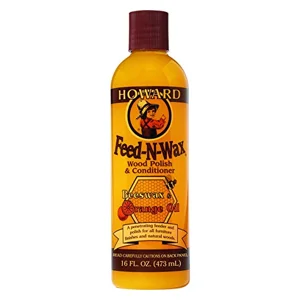 |
Howard Products Beeswax Wood Polish & Conditioner, Feed-N-Wax, Beeswax Furniture – $11.48 The product this guide names by name for how to rehydrate wood – matched here to a real, currently listed ASIN.
|
Proper wood hydration is key to preserving its durability. Dry wood can crack and warp. This damage can make furniture and structures weak. Regular hydration keeps wood strong and long-lasting.
Wood also looks better when hydrated. It can maintain its color and shine. Well-hydrated wood enhances the aesthetic appeal of any space. Keeping wood moist prevents it from looking dull.
Identifying Dry Wood
To identify dry wood, start with a visual inspection. Look for cracks or splits on the surface. Check for a dull color instead of a rich hue. Warped shapes can also indicate dryness.
Next, use tactile clues. Feel the wood for smoothness. Dry wood often feels rough or bumpy. Tap the wood lightly. A hollow sound suggests it may be dry.
Use a moisture meter for a precise reading. This tool shows the exact moisture content. Aim for a level above 6% for healthy wood.
Essential Tools And Materials
To rehydrate wood, various hydration agents can be used. Water is the most common choice. Other options include oil and special wood conditioners. These agents help restore the wood’s moisture content.
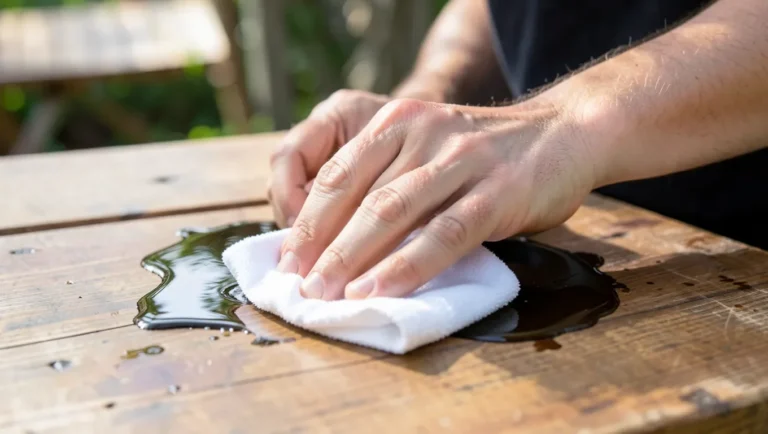
For applying these hydration agents, specific application tools are necessary. A brush works well for spreading oil. Spray bottles can also be effective for water or liquid conditioners. Cloths can help wipe excess moisture.
Using the right tools makes the process easier and more effective. Always remember to work in a well-ventilated area. This ensures safety and better results.
Preparation For Rehydration
Start by cleaning the wooden surface. Remove dirt and dust using a soft cloth. Use mild soap and water for stubborn stains. Rinse with clean water and let it dry completely.
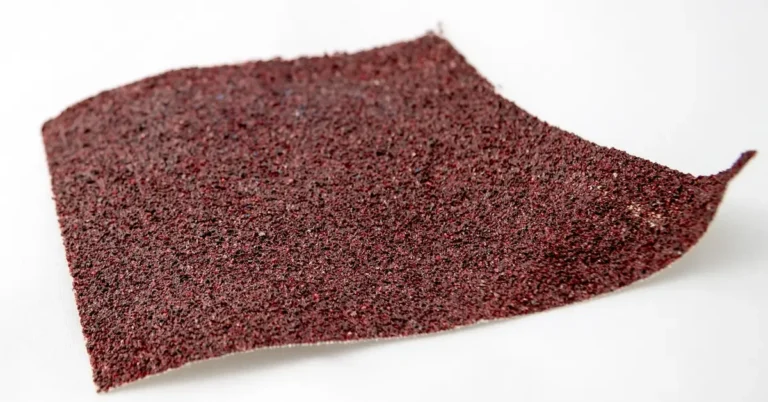
Next, sanding helps the wood absorb moisture better. Use fine-grit sandpaper to smooth the surface. Sand in the direction of the wood grain for best results. This process opens up the wood’s pores.
After sanding, wipe away any dust with a damp cloth. Let it dry again before rehydrating. Proper preparation makes the rehydration process more effective.
Mixing The Hydration Solution
Mixing a hydration solution for wood is simple and effective. Use natural oils for best results. These oils help restore moisture and protect wood surfaces.
Common natural oils include linseed oil, coconut oil, and olive oil. Each oil offers unique benefits. For example, linseed oil provides a rich finish.
To create a custom blend, combine different oils. This mix can enhance the wood’s appearance and durability. Use equal parts of each oil for a balanced solution.
Apply the solution with a clean cloth. Ensure even coverage across the wood surface. Allow it to absorb fully for optimal results.
The Application Process
Start by cleaning the wood surface. Remove any dust or dirt. Use a damp cloth for best results.
Choose a suitable rehydrating solution. Options include water, mineral oil, or specialized products. Test the solution on a small area first.
Apply the solution evenly. Use a brush or cloth to spread it. Make sure to cover all areas.
Wait for the wood to absorb the solution. This may take a few hours. Check frequently to ensure it’s not drying out.
Reapply if necessary. This helps to achieve the desired moisture level. Monitor the wood’s condition over time.
Drying And Curing Time
Drying wood needs optimal conditions for best results. Keep wood in a dry area with good air circulation. Temperature should be between 60°F and 80°F. Humidity levels should stay low, ideally below 50%.
To test if wood is properly hydrated, use a moisture meter. Insert the meter into the wood. A reading of 6% to 8% indicates good hydration. If the reading is higher, further drying is needed.
| Moisture Level | Condition |
|---|---|
| 6% – 8% | Well Hydrated |
| Above 8% | Too Moist |
Maintenance And Upkeep
Creating a regular hydration schedule for wood is essential. Watering should occur every few weeks. Use a spray bottle for even distribution. Always check the wood’s moisture level first.
Implementing protective measures can greatly enhance wood longevity. Store wood in a cool, dry place away from sunlight. Use a humidifier in dry environments to maintain moisture. Avoid letting wood stay in damp areas.
| Protective Measure | Description |
|---|---|
| Cool Storage | Prevents warping and cracking. |
| Humidity Control | Keeps wood from drying out. |
| Regular Checks | Ensure moisture levels stay balanced. |
Troubleshooting Common Issues
Over-hydration can cause wood to swell. This can lead to cracks and warping. To fix this, allow the wood to dry naturally. Place it in a well-ventilated area. Avoid direct sunlight, which can cause uneven drying.
Restoring unevenly hydrated wood requires patience. Use a damp cloth to lightly moisten dry areas. Then, allow the wood to absorb moisture evenly. Monitor the wood closely. This process may take several days.
| Issue | Solution |
|---|---|
| Swelling | Allow it to dry naturally. |
| Cracking | Moisten dry areas with a damp cloth. |
| Warping | Place in a well-ventilated area. |
Recommended Product
Howard Feed-N-Wax Wood Polish & Conditioner
Feed-N-Wax is one of the most effective penetrating wood conditioners available — it combines beeswax, carnauba wax, and orange oil to deeply moisturize dry wood, restore color, and leave a protective finish. Works on furniture, antiques, cabinets, and paneling.
Check Price on Amazon →Frequently Asked Questions
How Does Wood Lose Moisture?
Wood loses moisture through evaporation and exposure to air. Factors like temperature and humidity significantly affect this process. When the environment is dry, wood can dry out quickly. Over time, this leads to cracks, warping, and structural issues. Understanding this is crucial for maintaining wood integrity.
What Are The Signs Of Dry Wood?
Signs of dry wood include visible cracks and warping. It may also produce a hollow sound when tapped. Additionally, the surface can feel rough and splinter easily. Recognizing these signs early is essential for effective rehydration. Taking action can help preserve the wood’s longevity and appearance.
How Can I Rehydrate My Wood?
To rehydrate wood, use a moisture meter to check levels. Applying a wood conditioner or oil helps restore moisture. Alternatively, place the wood in a humid environment, like a bathroom. Regular maintenance can prevent excessive drying. Always monitor moisture levels to ensure optimal results.
Is It Safe To Soak Wood In Water?
Soaking wood in water can be risky. While it may rehydrate, excess moisture can cause swelling and warping. Instead, consider using a damp cloth or steam method. This approach is gentler and more controlled. Always test a small area first to avoid damage.
What is the best product to rehydrate dry wood furniture?
The best products for rehydrating dry wood furniture are penetrating oil conditioners: Howard Feed-N-Wax (beeswax and orange oil blend), boiled linseed oil, danish oil, and tung oil. For antiques, Feed-N-Wax is preferred because it doesn’t darken the wood significantly. For outdoor furniture, tung oil or danish oil provides better moisture resistance. Always apply thin coats and let each coat absorb fully before applying the next.
Can you rehydrate wood that has already cracked?
Yes — cracked wood can often be partially rehydrated, but cracks that are already open won’t close on their own. Apply a penetrating oil finish to stabilize the wood and stop further drying. For cracks wider than 1/8 inch, fill with wood glue or epoxy filler after oiling, then sand flush. Steam treatment can sometimes help the wood swell slightly and reduce hairline cracks before you apply a finish.
Conclusion
Rehydrating wood is essential for maintaining its strength and beauty. By following the methods outlined, you can restore moisture effectively. Regular maintenance will prevent damage and extend the lifespan of your wooden items. Embrace these techniques for a healthier, more durable wood that enhances your space.
Happy woodworking!
Sponsored / affiliate links. As an Amazon Associate I earn from qualifying purchases. I may earn additional commission from eligible campaigns.