How to Texture Plywood: 5 Real Methods (Wire Brush to Skip-Trowel)
A stiff wire brush dragged with the grain raises plywood’s soft grain into a real wood-grain texture — but only on the face veneer, since plywood’s outer layer is often just 1/32 to 1/16 inch thick and sanding or brushing too hard cuts straight through it to the glue line beneath. This guide covers wire-brush graining, texturing rollers, and skip-trowel plaster texture, plus how to tell how much veneer you actually have to work with before you start.
Check Your Veneer Thickness First
Best Plywood Wire-Brush Texturing Pick
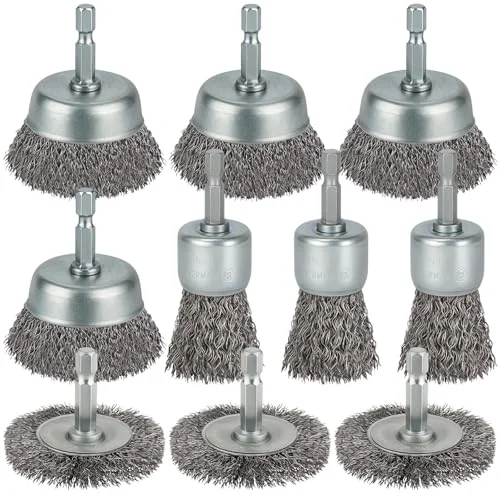 |
WENORA 10-Pc Wire Wheel Brush Set for Drill – $9.99 A drill-mounted crimped wire wheel is exactly the tool this guide’s wire-brush graining method calls for – it raises the plywood’s soft grain without needing a separate handheld wire brush.
|
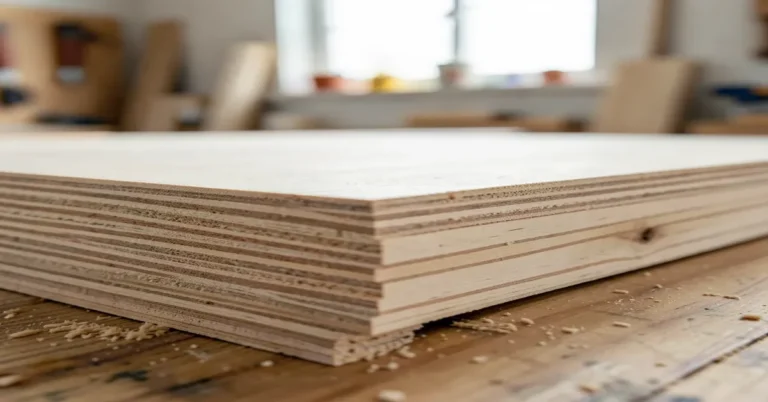
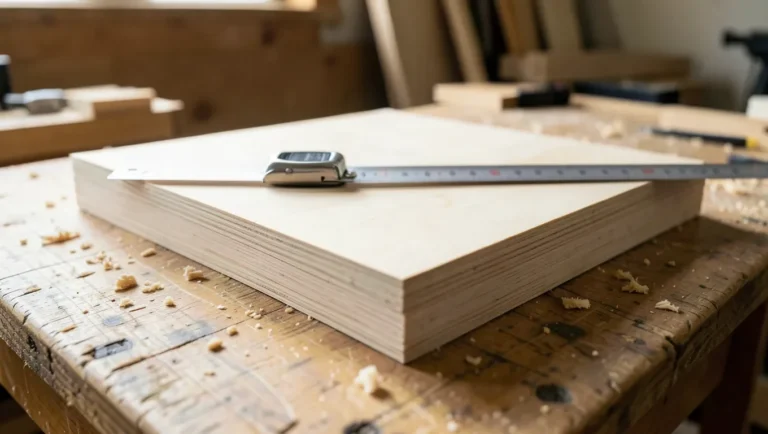
Standard plywood’s outer face veneer is typically 1/32 to 1/16 inch thick — thin enough that aggressive sanding or wire-brushing can cut straight through to the core layer underneath, exposing a different wood color or the glue line. Check the edge of your sheet: if you can see the veneer layer is noticeably thin, use a lighter touch and test any texturing method on a scrap offcut first. Cabinet-grade plywood (Baltic birch, marine-grade) generally has a thicker, more uniform veneer that tolerates texturing better than construction-grade CDX.
Once you know how much veneer you’re working with, a drill-mounted wire wheel is the tool most of the methods below rely on for raising grain texture without cutting all the way through it.
Method 1: Wire-Brush Wood Graining
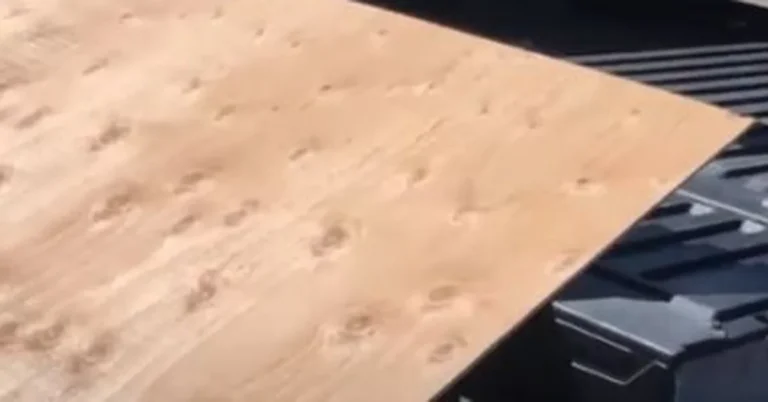
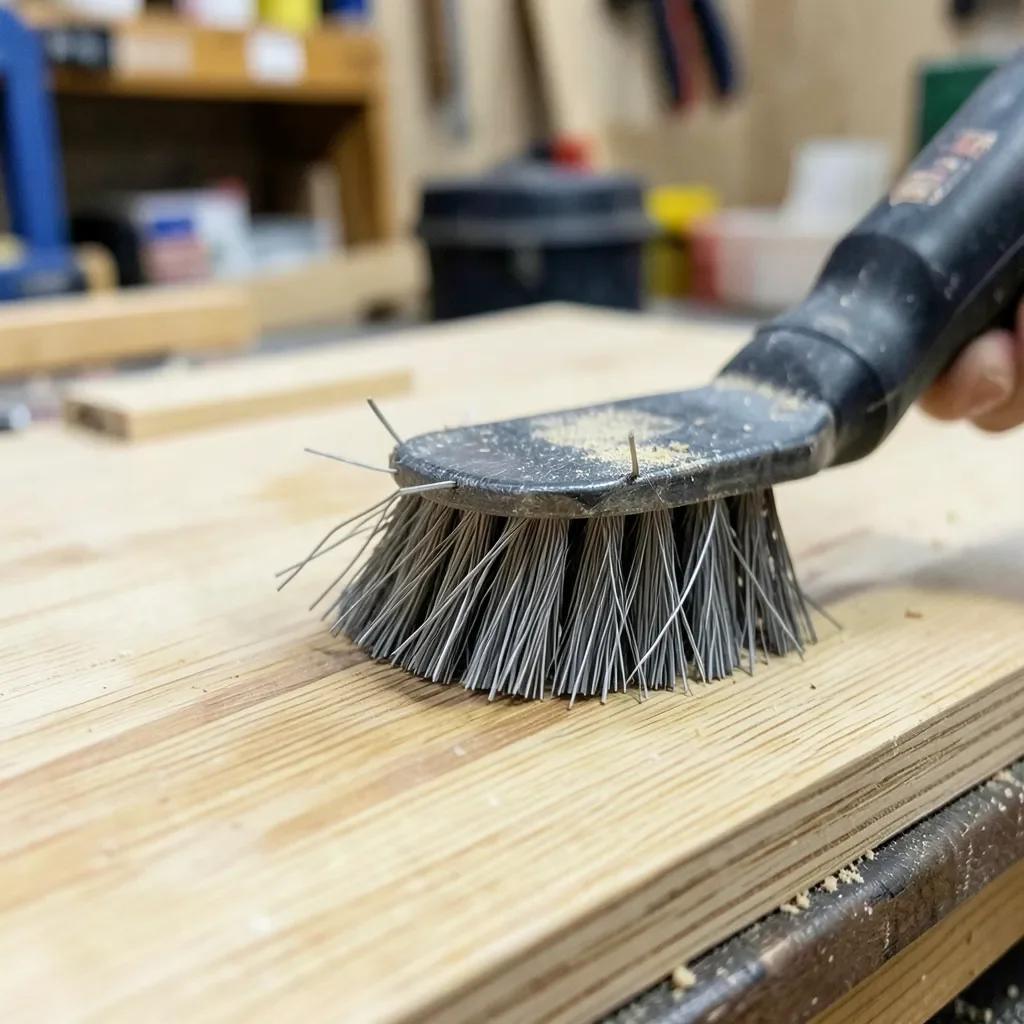
Wire-brushing raises the plywood’s softer early-wood grain while leaving the harder late-wood grain lines standing proud — the same effect seen on weathered barn wood, but produced on demand.
- Clean the surface: wipe off dust and any old finish residue.
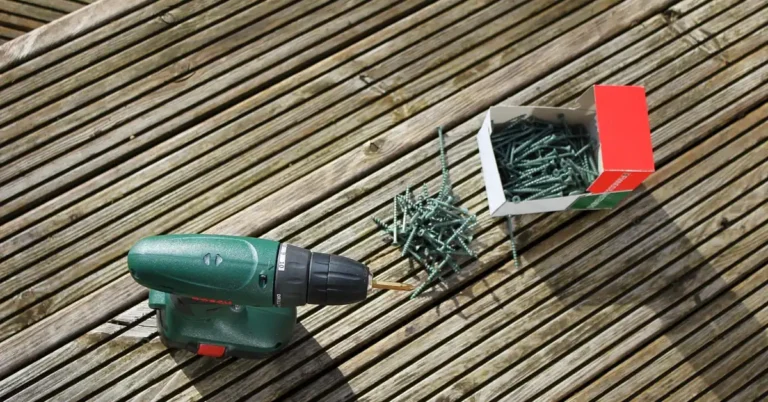
- Mount a crimped wire wheel on a drill: a coarse carbon-steel wheel raises grain faster than a handheld brush.
- Work with the grain, not across it: pull the wheel in long, even strokes along the grain direction.
- Check depth on scrap first: a few light passes is usually enough on thin face veneer — stop before you cut through it.
- Vacuum and wipe with a tack cloth: raised grain sheds a surprising amount of fine dust.
Method 2: Texturing Rollers and Stencils
A textured paint roller or a stencil applied over a base coat is the fastest way to add a repeatable pattern without removing any material — a real advantage on thin veneer where wire-brushing risks cutting through. Roll on a primer coat, let it dry, then apply textured paint or joint compound with the roller while it’s still workable. This method works well for wall-panel plywood where you want a consistent pattern across multiple sheets.
Method 3: Skip-Trowel Plaster Texture
Skip-trowel is a drywall-finishing technique adapted for plywood accent walls: thin-set joint compound is applied with a trowel in irregular, skipped strokes, leaving raised ridges and flat valleys. It adds real physical depth (not just a printed pattern) and works over any plywood grade, since the compound sits on top rather than altering the veneer itself. Prime the plywood first so the compound adheres evenly, then seal the finished texture with paint or clear coat once fully cured.
Sealing and Protecting Textured Plywood
| Sealant | Benefit | Best For |
|---|---|---|
| Polyurethane | Durable, water-resistant | Floors, furniture, high-touch surfaces |
| Varnish | Enhances wood color and grain | Wire-brushed grain texture, natural finishes |
| Shellac | Fast-drying, easy to apply | Quick recoats, sealing knots before staining |
| Matte or eggshell paint | Hides brush/roller marks | Skip-trowel or stenciled texture |
Wire-brushed grain texture takes stain and varnish especially well — the raised grain lines pull the finish and hold more pigment than the flatter valleys, deepening the contrast. Test on scrap first, since some stains pool unevenly in a deeply textured surface.
Common Mistakes When Texturing Plywood
- Sanding or brushing across the grain instead of with it: leaves visible scratch marks that show through the finish.
- Pressing too hard with a wire wheel: cuts straight through thin face veneer to the core layer.
- Skipping the scrap test: plywood veneer thickness varies by grade — what works on Baltic birch can cut through CDX.
- Applying stain before the surface is fully dust-free: trapped dust shows as gritty spots under the finish.
- Using construction-grade plywood for a fine wire-brushed finish: its thinner, lower-grade veneer tears more easily than cabinet-grade sheets.
Frequently Asked Questions
Can you wire-brush any plywood, or only certain grades?
You can wire-brush most plywood, but cabinet-grade sheets (Baltic birch, marine-grade) have a thicker, more consistent face veneer that holds up better than construction-grade CDX, which can wear through to the core layer with just a few passes.
What tools are needed for texturing plywood?
A drill-mounted wire wheel for grain-raising, a textured roller or stencil for a painted pattern, or a trowel and joint compound for skip-trowel texture. Safety glasses and a dust mask are essential for any of the three methods.
Can you stain textured plywood?
Yes, and wire-brushed grain texture takes stain especially well — the raised grain lines pull more pigment than the flat valleys, which deepens the contrast. Always test on a scrap piece first, since heavily textured surfaces can absorb stain unevenly.
Is texturing plywood a beginner-friendly DIY project?
Wire-brush graining and textured rollers are both approachable for a first attempt, especially practiced on a scrap offcut first. Skip-trowel plaster texture takes more practice to get an even, intentional-looking pattern, since inconsistent trowel pressure shows clearly once painted.
Wire-brush graining, textured rollers, and skip-trowel plaster each give plywood a distinct look — pick based on how much of the original veneer you want to keep intact. Whichever method you choose, test on scrap first and sand or brush with the grain to avoid tearing through a thin face veneer.
Sponsored / affiliate links. As an Amazon Associate I earn from qualifying purchases. I may earn additional commission from eligible campaigns.