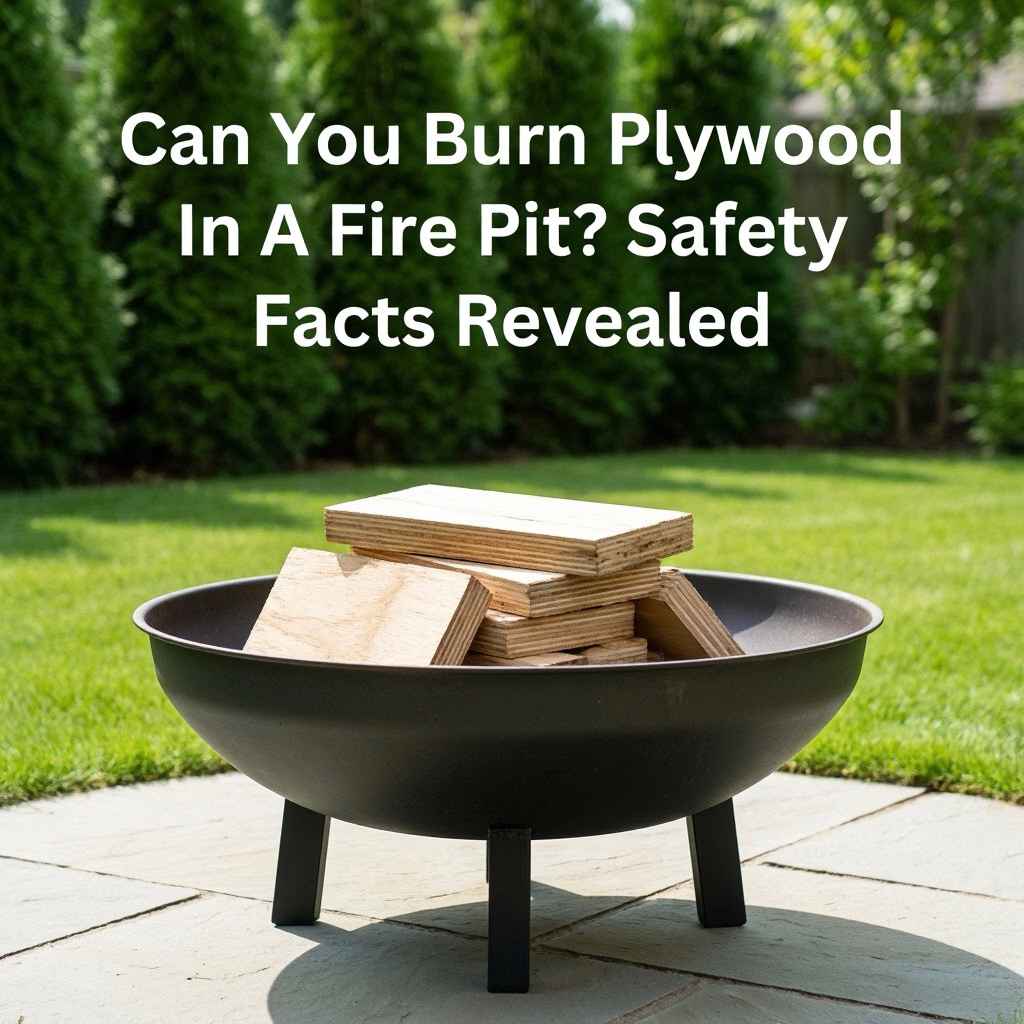
Can You Burn Plywood In A Fire Pit? Safety Facts Revealed
Thinking about tossing some plywood into your backyard fire pit? It’s a question many folks ponder when looking for quick fuel. You want a roaring fire, and maybe you have some scrap wood lying around.
But is it a good idea? Let’s dive in and find out what happens and if it’s something you should actually do.
The short answer is technically yes, you can burn plywood in a fire pit, but it’s generally not recommended for several important reasons. It often creates more smoke, releases harmful chemicals, and can leave behind sticky residue. It’s better to stick with seasoned firewood.
Understanding Plywood and Fire
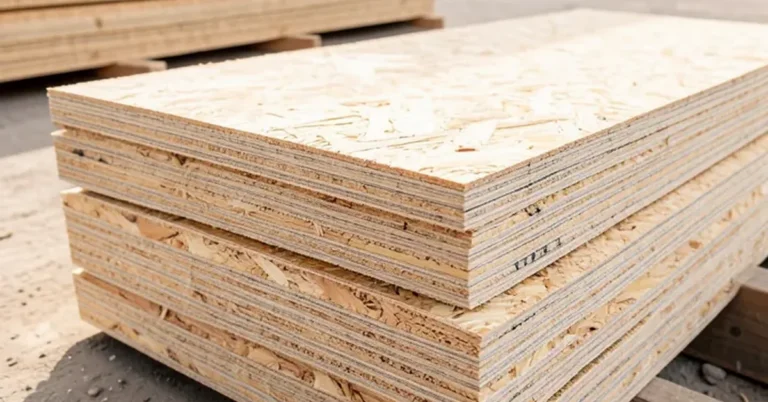
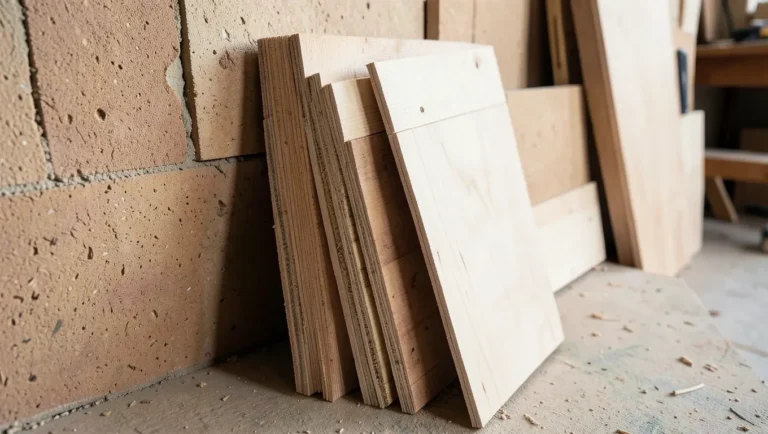
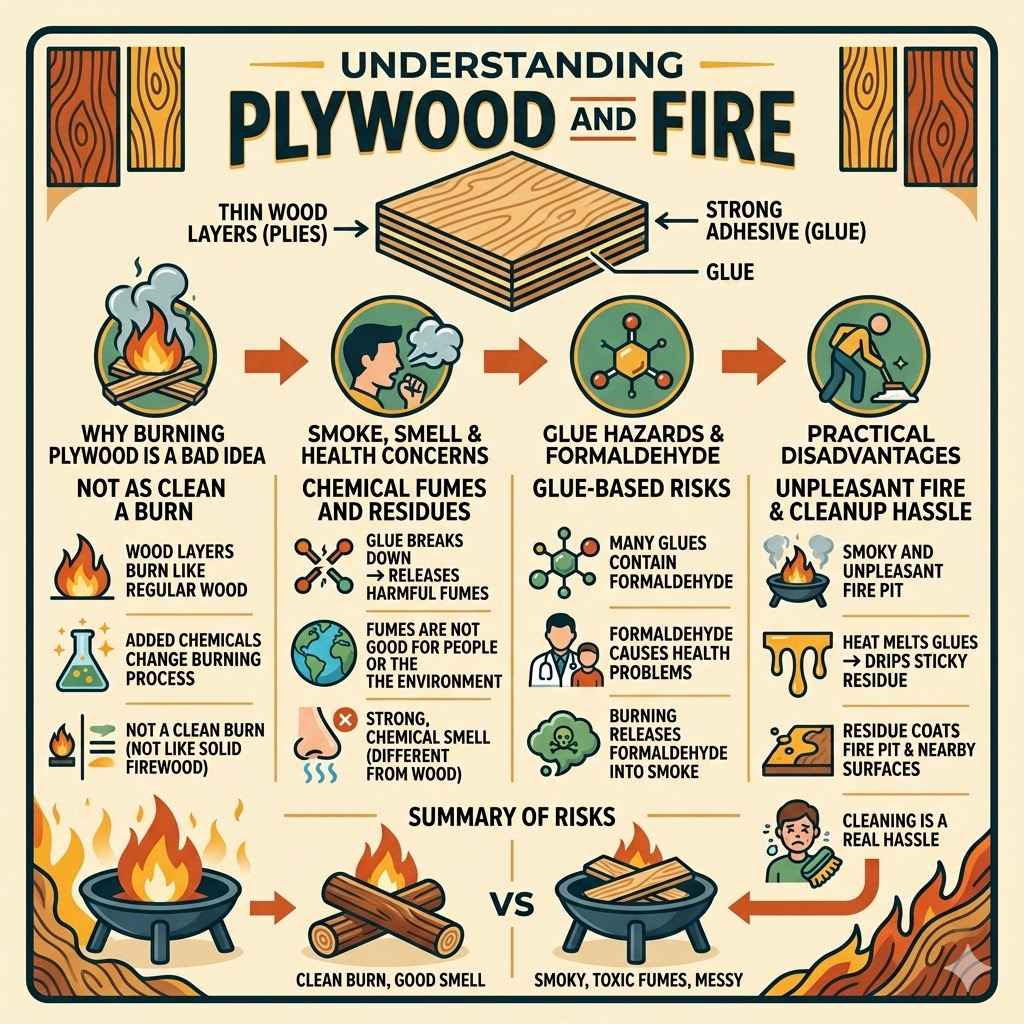
Plywood is made of thin layers of wood glued together. These layers, or plies, are usually glued with a strong adhesive. This glue is the main reason why burning plywood is often a bad idea.
When plywood burns, the glue breaks down. This releases fumes that are not good for you or the environment.
The wood layers themselves will burn like regular wood. But the added chemicals from the glue change the burning process. It’s not as clean a burn as you’d get from solid, natural firewood.
This can make your fire pit smoky and unpleasant. It can also affect how your fire pit and chimney, if you have one, function over time.
Many types of plywood use glues that contain formaldehyde. This is a chemical known to cause health problems. When it burns, it can become part of the smoke that drifts into the air.
You might also notice a strong, chemical smell. This is different from the pleasant, woody smell of burning firewood.
The heat from the fire can also make these glues melt and drip. This sticky residue can coat the inside of your fire pit. It can also stick to nearby surfaces.
Cleaning this up can be a real hassle. It’s not the kind of mess most people want to deal with after a nice evening outside.
My Own Plywood Fire Pit Fiasco
I remember one chilly autumn evening a few years back. My family and I were gathered around our fire pit. We had burned through most of our good firewood.
My husband, bless his heart, wanted the fire to last longer. He spotted some old plywood scraps in the garage. He figured they’d be a quick fix.
He tossed a few pieces in. At first, it seemed okay. The fire flared up.
But then the smell started. It wasn’t the usual campfire smell. It was sharp and a bit acrid.
Then, the smoke thickened. It was a dark, greasy-looking smoke that stung our eyes. We all started coughing.
The kids wanted to go inside.
We had to put the fire out early. The plywood had left this sticky, black gunk all over the fire pit. It took ages to scrub off.
That was the last time we even considered burning plywood. It just wasn’t worth the smoky air, the smell, or the cleanup.
Plywood vs. Firewood: A Quick Look
Plywood:
- Made of thin wood layers.
- Glued together with adhesives.
- Adhesives contain chemicals (like formaldehyde).
- Burns quickly.
- Produces more smoke.
- Releases fumes from glue.
- Can leave sticky residue.
Firewood:
- Solid pieces of natural wood.
- No added glues or chemicals.
- Burns slower and steadier.
- Produces less smoke.
- Smells natural and pleasant.
- Leaves ash, which is easier to clean.
Why Plywood Burns Differently
The structure of plywood is key here. Imagine thin sheets of wood stacked up. There’s a lot of glue holding those sheets together.
When you heat this up, the glue softens and then burns. This process is very different from burning a solid piece of oak or pine.
Solid firewood is just wood. It has natural resins and oils, but no added binders. The burning of these natural components creates smoke.
But this smoke is generally less harmful than the smoke from burning synthetic glues. Plus, the heat from burning glue can make the wood char faster.
This rapid charring can lead to more sparks. Sparks can be a safety hazard. They can fly out of the fire pit and land on dry grass or nearby structures.
This increases the risk of an accidental fire spreading. So, not only is the smoke bad, but the burn itself can be more unpredictable.
The type of glue used in plywood matters a lot. Some common glues include urea-formaldehyde (UF) and phenol-formaldehyde (PF). Both can release harmful compounds when heated.
UF glues are often used for interior plywood. PF glues are stronger and more water-resistant, used for exterior plywood. Regardless, both create unpleasant and potentially harmful byproducts when burned.
Think about it like baking cookies. If you use good quality ingredients, they taste great. If you add something strange, the outcome can be messy and unappealing.
Plywood is like adding a strange ingredient to your campfire.
The Smoke Factor: More Than Just Annoyance
We often think of smoke from a campfire as a nuisance. But smoke from burning plywood is more than just an inconvenience. It’s a sign that harmful substances are being released.
These substances can affect your health. They can also impact the air quality around you.
The chemicals released from burning glue can include volatile organic compounds (VOCs). Formaldehyde is one such VOC. Inhaling these can irritate your lungs.
For people with asthma or other breathing issues, this can be particularly dangerous. Even for healthy individuals, prolonged exposure isn’t good.
Beyond the direct health impacts, there’s the environmental aspect. Burning materials with chemicals adds pollutants to the air. This can contribute to smog.
It’s not the same as the natural carbon cycle of burning wood. The added chemicals are not something our ecosystem is designed to handle easily.
Many local regulations and fire codes discourage or outright ban the burning of treated lumber or composite materials. This is precisely because of the smoke and the harmful compounds it carries. It’s important to know your local open-burning rules.
You don’t want to accidentally break a law while trying to enjoy a fire.
The smell itself can be quite unpleasant. It’s not that cozy, wood-smoke scent. It can linger on clothes, skin, and hair.
Some people describe it as a chemical or plastic-like smell. It can ruin the whole experience of sitting by a fire.
Common Fire Pit Fuels
Best Choices:
- Seasoned Hardwood (Oak, Maple, Hickory)
- Seasoned Softwood (Pine, Fir – burns faster, more sparks)
- Durable Kindling (small dry twigs, bark strips)
Avoid These:
- Treated Lumber (pressure-treated wood)
- Painted or Stained Wood
- Particle Board and MDF
- Plastic, Rubber, Trash
- Leaves and Greenery (causes excessive smoke)
The Messy Aftermath: Residue and Cleaning
One of the most frustrating parts of burning plywood is the residue it leaves behind. The glues and resins in plywood can melt and become sticky when heated. As the fire dies down, this sticky substance cools.
It can harden into a tar-like coating on the surfaces of your fire pit.
This isn’t like the fine ash you get from burning firewood. Ash is relatively easy to sweep up and dispose of. This residue is much more stubborn.
It can be difficult to scrape off. Sometimes it requires harsh cleaners or a lot of scrubbing. This adds a significant chore to your fire pit enjoyment.
The residue can also cause issues with how your fire pit works. If it coats the grates or the bottom, it can affect airflow. This can make future fires harder to start or keep going.
It can also smell bad even after the fire is out.
In metal fire pits, this sticky residue can lead to faster rusting. The chemicals can sometimes react with the metal. Over time, this can shorten the lifespan of your fire pit.
For brick or stone fire pits, the residue can seep into the pores. This makes it even harder to remove and can stain the material.
I’ve heard stories from people who tried burning plywood. They ended up with fire pits that looked like they were covered in tar. It took them hours with special solvents to get it clean.
Many decided it simply wasn’t worth the effort. They went back to buying or collecting proper firewood.
Real-World Context: Why It’s Not Built for Fires
Plywood is designed for construction and woodworking. Its purpose is to be strong, stable, and easy to cut. It’s used for subflooring, walls, furniture, and more.
It’s engineered to hold things together, not to burn cleanly.
The manufacturing process involves high heat and pressure to bond the wood veneers with adhesives. These adhesives are chosen for their strength and durability, not for their clean burning properties. They are meant to last, which means they are often made of synthetic materials that produce unpleasant byproducts when burned.
Think about where you find plywood. It’s in houses, sheds, furniture. It’s inside your living space or used in ways that don’t involve open flames.
This gives you a clue that it’s not meant to be fuel for recreational fires.
If you’re looking for fuel, natural, untreated wood is the way to go. Firewood is wood that has been seasoned (dried out). This drying process reduces moisture content.
Dry wood burns hotter and cleaner. It produces less smoke and fewer emissions. This is why dedicated firewood is always the best choice for fire pits and fireplaces.
When is a Fire Pit Safe to Use?
Conditions for Safe Fires:
- Clear Area: Ensure no flammable materials (leaves, furniture, branches) are within 10-25 feet of the fire pit.
- Stable Surface: The fire pit should be on a level, non-combustible surface like gravel, concrete, or brick.
- No High Winds: Avoid fires on very windy days. Sparks can travel far.
- Water Nearby: Keep a hose, bucket of water, or fire extinguisher within easy reach.
- Proper Fuel: Only burn dry, seasoned firewood or charcoal.
- Supervision: Never leave a fire unattended, especially with children or pets around.
What This Means for Your Fire Pit Experience
So, what’s the takeaway? Burning plywood can seem like a quick solution for more fire, but it often leads to more problems than it solves. The negative effects on air quality, your health, and the cleanliness of your fire pit usually outweigh any perceived benefit.
When it comes to your backyard fire pit, the goal is usually relaxation and enjoyment. Dealing with excessive smoke that makes your eyes water, a chemical smell, and a sticky mess isn’t very relaxing. It can quickly turn a pleasant evening into an unpleasant chore.
It’s also important to consider your neighbors. The smoke from burning plywood can drift into their yards. They might not appreciate the smell or the reduced air quality.
Being a good neighbor means being mindful of the impact your actions have on those around you.
The simplest approach is often the best. Stick to fuels specifically designed for burning in fire pits and fi
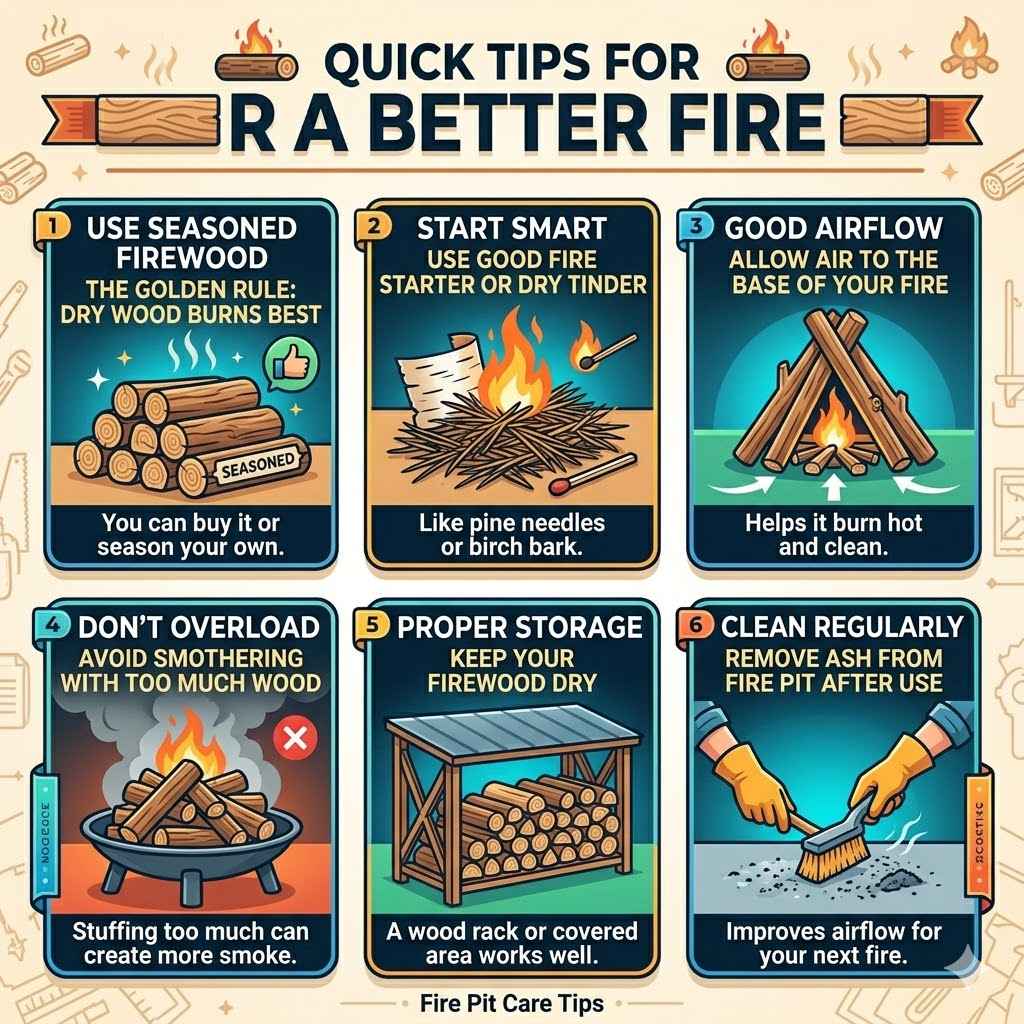
Quick Tips for a Better Fire
If you’re looking to get the most out of your fire pit, here are a few simple tips:
- Use Seasoned Firewood: This is the golden rule. Dry wood burns best. You can buy it or season your own.
- Start Smart: Use a good quality fire starter or some dry tinder like pine needles or birch bark.
- Good Airflow: Make sure air can get to the base of your fire. This helps it burn hot and clean.
- Don’t Overload: Stuffing too much wood in at once can smother the fire and create more smoke.
- Proper Storage: Keep your firewood dry. A wood rack or a covered area works well.
- Clean Regularly: Remove ash from your fire pit after it has completely cooled. This improves airflow for your next fire.
Frequent Questions About Burning Plywood
Can I burn plywood scraps from a home improvement project?
It’s generally not recommended to burn plywood scraps. These scraps often contain glues and resins that release harmful fumes when burned. They also produce a sticky residue that’s hard to clean.
It’s better to dispose of them properly or find alternative uses.
What kind of wood is safe for a fire pit?
The safest wood for a fire pit is seasoned, natural firewood. This means wood that has been dried out for at least six months. Hardwoods like oak, maple, and hickory burn longer and hotter.
Softwoods like pine and fir burn faster and can produce more sparks but are still safe if seasoned.
Will burning plywood damage my fire pit?
Yes, it can. The sticky residue left by burning plywood can coat the inside of metal fire pits, potentially leading to rust or making it harder to clean. For stone or brick fire pits, the residue can stain and be difficult to remove.
It can also affect airflow over time.
Is the smoke from burning plywood dangerous?
The smoke from burning plywood can be dangerous. The adhesives used to make plywood often contain chemicals like formaldehyde. When these burn, they release fumes and particulate matter into the air.
Inhaling this smoke can irritate your lungs and eyes, especially for those with respiratory issues.
What are the alternatives to burning plywood for more fuel?
If you need more fuel for your fire pit, the best alternatives are dry, seasoned firewood. You can purchase firewood from local suppliers or collect fallen, dry branches if allowed in your area. Always ensure the wood is completely dry before burning.
Can I burn painted or stained plywood?
Absolutely not. Burning painted or stained plywood is even worse than burning plain plywood. The paints and stains contain chemicals, including heavy metals and VOCs, that are toxic when burned.
This releases hazardous fumes into the air, posing a serious health risk and environmental hazard.
Final Thoughts on Plywood Fires
So, while the idea might cross your mind, burning plywood in your fire pit isn’t the best practice. It’s messy, smelly, and can release harmful fumes. Stick to good old-fashioned firewood for a safer, cleaner, and more enjoyable fire experience.
Sponsored / affiliate links. As an Amazon Associate I earn from qualifying purchases. I may earn additional commission from eligible campaigns.