How To Use Wood Cookie Molds: An Essential, Genius Guide
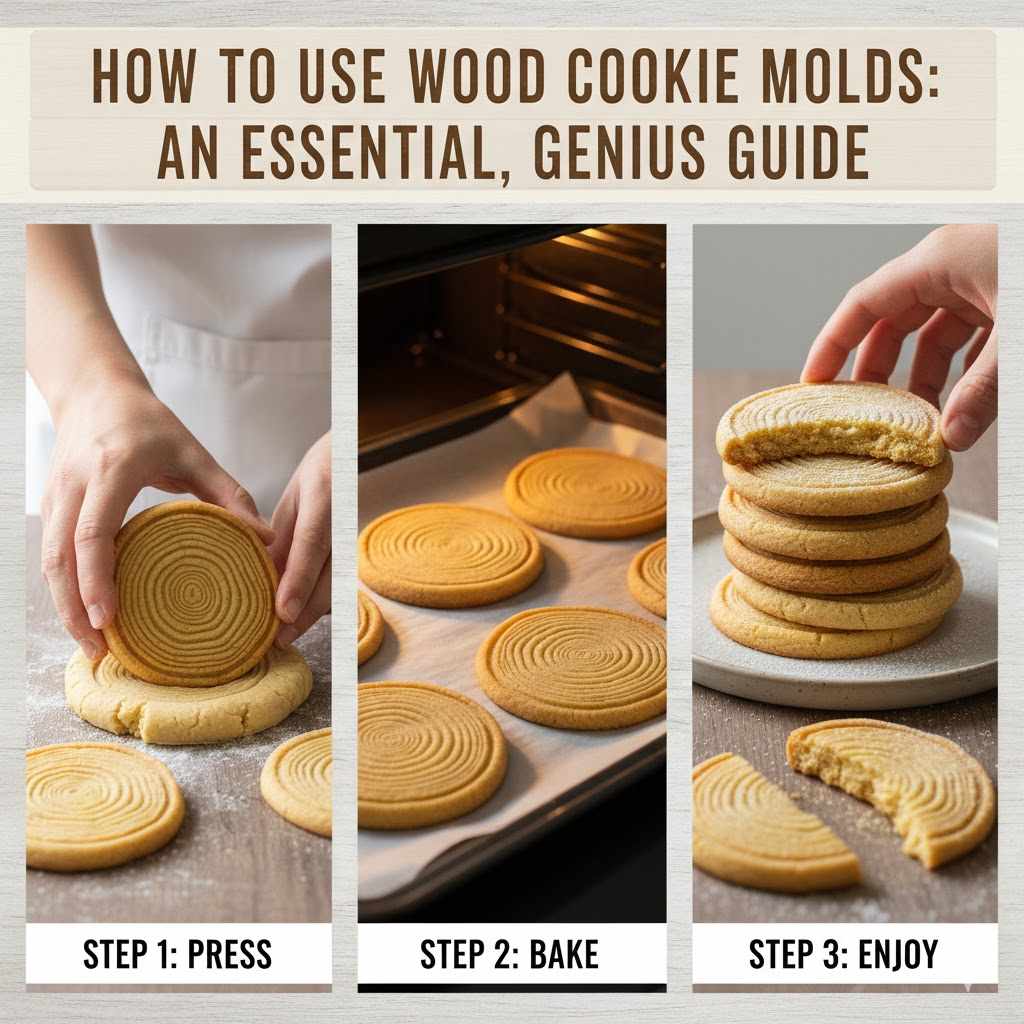
To use wood cookie molds, season a new mold with food-safe mineral oil and let it dry. For baking, chill your cookie dough, then dust the mold cavity thoroughly with flour, tapping out the excess. Press the chilled dough firmly into the mold, trim any extra, and carefully unmold it. Chill the formed cookies again before baking to ensure the design stays sharp.
Hello there, fellow creators! Md Meraj here. Welcome to the workshop. Today, we’re swapping sawdust for flour and diving into a delightful craft: using wooden cookie molds. Have you ever admired those beautifully detailed cookies and wondered how they were made? It feels like magic, but I promise it’s a skill anyone can learn.
Many people feel intimidated by these beautiful tools. They worry the dough will stick or the design won’t come out right. If that sounds like you, take a deep breath. You’re in the right place! We’re going to break it down step-by-step. I’ll show you how to prepare your molds, pick the right dough, and get a perfect impression every single time. Let’s turn that frustration into fun and bake some edible works of art together.
What Exactly Are Wood Cookie Molds?
Wooden cookie molds are more than just baking tools; they are pieces of history you can hold in your hand. For centuries, artisans have carved intricate designs into blocks of wood to press patterns into dough. These molds were traditionally used to make special holiday treats like German Springerle or Dutch Speculaas. Each carving told a story, featuring everything from animals and flowers to religious scenes and family crests.
Most traditional molds are carved from hardwoods that hold fine details well, such as:
- Pearwood: A favorite among carvers for its fine, even grain that allows for incredibly detailed designs.
- Beechwood: A durable and common choice, known for being hard and smooth.
- Cherrywood: Appreciated for its warm color and smooth finish.
Using a wood mold connects you to a long line of bakers and traditions. It’s a way to slow down and create something beautiful with your hands, transforming a simple cookie into a tiny masterpiece.
Why Choose Wood Molds Over Plastic or Metal?
In our modern kitchens, we have access to cookie molds made from all sorts of materials like plastic, silicone, and metal. So why stick with wood? While modern materials are convenient, wooden molds offer a unique experience and set of benefits. However, they also require a bit more care. Let’s look at a simple comparison.
| Feature | Wooden Molds | Plastic/Silicone/Metal Molds |
|---|---|---|
| Impression Quality | Creates exceptionally sharp, deep, and detailed impressions due to the porous nature of wood absorbing a bit of moisture from the dough. | Can create good impressions, but often less detailed. Silicone can be too flexible, and metal can lack intricate depth. |
| Material & Feel | Natural, warm, and has a satisfying weight. Each piece is unique. Feels like an heirloom tool. | Functional and lightweight. Can feel less special or traditional. Often mass-produced. |
| Durability & Longevity | Can last for generations with proper care. They become cherished family heirlooms. | Plastic can become brittle over time. Silicone is durable but can tear. Metal can bend or rust if not cared for properly. |
| Cleaning & Care | Requires careful cleaning. Must never be soaked in water. Needs occasional oiling to prevent drying out. | Generally very easy to clean. Most are dishwasher-safe. Requires minimal maintenance. |
| Cost | Often more expensive, especially if hand-carved by an artisan. Considered an investment. | Typically very affordable and widely available. |
Choosing a wood mold is about more than just the final cookie. It’s about embracing a tradition, enjoying the feel of a natural tool, and creating something with a story.
Gathering Your Supplies: The Baker’s Toolkit
Before we start pressing cookies, let’s get our station set up. Having everything you need within arm’s reach makes the whole process smooth and enjoyable. Think of it as setting up your woodworking bench before a project!
Here’s your simple checklist:
- Your Wooden Cookie Mold: The star of the show! Make sure it’s clean and completely dry.
- Chilled Cookie Dough: The type of dough is very important. We’ll cover this in the next section.
- All-Purpose Flour: For dusting the mold. This is the secret to preventing sticking.
- A Soft Pastry Brush: For applying a light, even coat of flour to your mold.
- A Rolling Pin: A simple, straight rolling pin works best.
- A Dough Scraper or Sharp Knife: For trimming the excess dough.
- Baking Sheets: Lined with parchment paper for easy cleanup and no sticking.
- Food-Safe Mineral Oil: Only if you have a brand-new, unseasoned mold.
That’s it! No fancy gadgets needed. With these simple tools, you’re ready to create beautiful, detailed cookies.
Choosing the Right Dough: The Secret to Sharp Impressions
This is probably the most important secret to success with wood cookie molds. Not all cookie doughs are created equal! If you use a dough that spreads a lot when baked, your beautiful, intricate design will melt into a blurry blob in the oven. The heartbreak is real!
You need a dough that is firm, not too sticky, and has very little (or no) leavening agent like baking powder or baking soda. These agents create air bubbles that make cookies rise and spread, which is the enemy of a detailed design.
Good Dough Choices:
- Springerle: The classic German cookie made specifically for molds. It has a crisp texture and holds incredibly fine detail. It’s traditionally flavored with anise.
- Speculaas (or Speculoos): A spiced Dutch shortcrust biscuit. Its firm texture is perfect for molded cookies.
- Shortbread: A simple, buttery dough that holds its shape well, as long as the recipe doesn’t include leavening.
- Gingerbread (for molding): There are specific gingerbread recipes designed for construction that are very stiff and low-leavening, making them ideal for molds.
Dough Characteristics at a Glance
Here’s a quick table to help you understand what to look for in a recipe.
| Dough Characteristic | Why It’s Important for Molds | Good Example | Bad Example |
|---|---|---|---|
| Low Leavening | Prevents the cookie from puffing up and spreading, which erases the design. | Springerle dough (uses baker’s ammonia or no leavening) | Classic chocolate chip cookie dough (high in baking soda) |
| High Flour Content | Creates a stiffer, less sticky dough that is easier to handle and holds a shape well. | Traditional shortbread | Soft, chewy sugar cookies |
| Chilled Fat (Butter) | Cold butter creates less spread. Dough must be kept cold throughout the process. | Pie crust-style dough | Dough made with melted butter |
When in doubt, search for recipes specifically labeled “for molded cookies” or “Springerle.” Starting with the right foundation makes all the difference.
Step-by-Step Guide: How to Use Wood Cookie Molds Perfectly
Alright, your supplies are ready, and your dough is chilling. It’s time for the fun part! Follow these steps carefully, and you’ll be making gorgeous cookies in no time. Don’t rush—enjoy the process.
Step 1: Prepare Your Mold (A Crucial First Step!)
If your mold is brand new, you need to season it. This is like seasoning a cast-iron skillet. It creates a non-stick surface and protects the wood. Simply apply a thin layer of food-safe mineral oil with a soft cloth. Let it soak in for at least an hour, then wipe away any excess. Let the mold sit overnight to fully absorb the oil before its first use. For molds you’ve already used, just ensure they are clean and completely dry.
Step 2: Flour the Mold Generously
This is the most critical step for preventing sticking. Take your soft pastry brush and dip it in flour. Gently brush the flour into every nook and cranny of the carved design. Don’t be shy! Once it’s fully coated, turn the mold upside down and tap it firmly on the counter to knock out all the excess flour. You should see a fine, white dusting left in the carving. This thin layer of flour creates a barrier between the dough and the wood.
Step 3: Prepare the Dough
Your dough should be well-chilled. If you’re pressing the mold into a sheet of dough, roll it out on a lightly floured surface to a uniform thickness, usually about 1/4 to 1/2 inch (or as your recipe recommends). If you’re pressing dough into the mold, take a piece of dough slightly larger than the mold cavity.
Step 4: Make the Impression
You have two main methods here. Both work great!
- Pressing the Mold onto the Dough: This works well for larger molds or when making many cookies from a rolled-out sheet. Place the floured mold onto your dough and press down firmly and evenly with the palms of your hands. You want to apply enough pressure to transfer the whole design. Lift the mold straight up to reveal the impression.
- Pressing the Dough into the Mold: This is great for smaller or deeply carved molds. Take your piece of chilled dough and dust it lightly with flour. Press it into the floured mold cavity, starting from the center and working your way out. Make sure it fills every detail.
Step 5: Release and Trim the Cookie
If you pressed the mold onto a sheet, simply use a knife or a cookie cutter to cut out the molded shape. If you pressed dough into the mold, trim any excess dough that is sticking out over the edges with a knife. To release the dough, you can either gently flex the mold (if it’s a flexible block) or simply turn the mold upside down and give it a firm tap on the counter. The cookie should fall right out!
Step 6: Chill, Chill, and Chill Again!
Once your beautiful cookies are formed and on a parchment-lined baking sheet, don’t put them straight into the oven! Place the entire baking sheet in the refrigerator for at least 30 minutes, or even an hour. This re-chills the butter in the dough, which is essential for preventing spread. For some recipes like Springerle, you may even let the cookies air-dry for up to 24 hours to set the design. Follow your recipe’s instructions.
Step 7: Bake with Care
Bake your cookies according to the recipe, but keep a close eye on them. Often, a slightly lower oven temperature helps “set” the design before the cookie has a chance to spread. You want the cookies to be baked through but not overly browned, as too much browning can obscure the delicate pattern.
Common Problems and Easy Fixes
Even with the best instructions, you might run into a little trouble. Don’t worry, it happens to all of us! Here are some common issues and how to solve them like a pro.
| Problem | Likely Cause(s) | Simple Solution(s) |
|---|---|---|
| Dough is sticking in the mold. | 1. The mold was not floured enough. 2. The dough is too warm and soft. 3. The dough is too wet/sticky. |
1. Re-flour the mold between each pressing. Tap out excess! 2. Put your dough back in the fridge for 15-20 minutes. 3. Knead a tiny bit more flour into your dough. |
| The design isn’t sharp or clear. | 1. Not enough pressure was used. 2. The dough has too much leavening. 3. The dough is too soft. |
1. Press more firmly and evenly. 2. Use a recipe specifically for molded cookies. 3. Chill the dough for longer. |
| The cookies spread and lost their shape in the oven. | 1. The dough wasn’t chilled enough before baking. 2. The oven temperature is too high. 3. The recipe has too much butter, sugar, or leavening. |
1. Always chill the formed cookies on the baking sheet. 2. Try lowering your oven temperature by 25°F (about 15°C). 3. Stick to tried-and-true molding recipes. |
| The edges of the cookie are ragged. | The dough was too dry or overworked. | Make sure not to overmix the dough. If it’s crumbly, you can try adding a teaspoon of water or milk. |
Cleaning and Caring for Your Wood Cookie Molds
Your wooden molds are trusty tools that can last a lifetime if you treat them with respect. Proper care is simple but very important.
What to Do Immediately After Use:
Use a dry, stiff-bristled brush (like a new, clean toothbrush or a mushroom brush) to whisk away any flour and dry dough crumbs. This is usually all the cleaning you need!
For Stubborn Bits of Dough:
If some dough got stuck in the fine details, let it dry completely. Once dry, it will shrink and become brittle, making it easier to flick out with a wooden toothpick or a bamboo skewer. Be gentle to avoid scratching the wood.
The Golden Rule: Never Use Water!
Whatever you do, please do not soak your wooden mold in water or put it in the dishwasher. Water will cause the wood to swell, warp, and crack, ruining the delicate carving forever. If you absolutely must use a tiny bit of moisture, use a slightly damp cloth on a stubborn spot and dry it immediately and thoroughly.
Long-Term Storage and Maintenance:
Store your molds in a cool, dry place away from direct sunlight or extreme temperature changes. To keep the wood from drying out, you can re-oil them with food-safe mineral oil once a year or so. This simple care routine will ensure your molds can be passed down as treasured heirlooms. For more in-depth information on preserving wooden objects, the Smithsonian Museum Conservation Institute offers excellent professional guidance that applies just as well to our cherished kitchen tools.
Beyond Cookies: Other Creative Uses for Your Molds
Your beautiful wooden molds don’t have to be just for cookies! Their detailed designs are perfect for a range of other crafts. Here are a few ideas to get you inspired:
- Decorative Butter Pats: Soften butter slightly, press it into a plastic-wrap-lined mold, chill until firm, and unmold beautiful butter pats for a fancy dinner party.
- Clay Ornaments: Use air-dry clay or polymer clay to create beautiful ornaments, gift tags, or decorations. Dust the mold with cornstarch first to prevent sticking.
Fondant or Marzipan Decorations: Press fondant or marzipan into the molds to create stunning, edible decorations for cakes and pastries. Again, use a little cornstarch or powdered sugar for dusting.
- Paper Casting: You can create beautiful paper art by pressing damp paper pulp into the mold and letting it dry.
- Beeswax Ornaments: Gently pour melted beeswax into the molds to create fragrant, beautiful ornaments to hang around the home.
Your molds are tools for creativity in all forms, not just baking!
Frequently Asked Questions (FAQ)
Traditionally, fine-grained hardwoods like pearwood and beechwood are considered the best. They are dense enough to hold very intricate details without chipping and have a smooth surface that releases dough well. Cherrywood is also a popular and beautiful choice.
It’s generally not a good idea. Most standard sugar cookie recipes contain baking powder or baking soda, which will cause the cookies to puff up and spread during baking, erasing the molded design. For best results, always use a recipe specifically developed for molded cookies, like Springerle or Speculaas.
This is almost always due to one of three things: 1) The dough is too warm. Chilling the dough before molding AND chilling the formed cookies before baking is critical. 2) The recipe has too much fat, sugar, or leavening. 3) The oven is too hot, causing the butter to melt too quickly. Try a specialty recipe and make sure to chill thoroughly!
To season a new mold, use a soft cloth to apply a thin, even coat of food-safe mineral oil to all its surfaces, especially inside the carving. Let it sit for several hours (or overnight) to allow the oil to soak in, then wipe off any excess. This protects the wood and helps create a non-stick surface.
It can be, but you must be careful. First, inspect the mold for any signs of mold, rot, or insect damage. Clean it very well with a stiff brush. Be aware that you don’t know what it might have been treated with in the past (like certain oils or pesticides). To be completely safe, you can line the mold with a small piece of plastic wrap before pressing the dough in, or use the antique mold only for non-edible crafts.
6. How do I prevent the dough from sticking, every single time?
The secret is a two-part process: use a well-chilled, firm dough and dust your mold thoroughly with flour before every single pressing. Use a soft brush to get flour into every detail, then turn the mold over and tap it hard to remove all the excess. A fine coating of flour is all you need to create a perfect barrier.
7. What kind of flour is best for dusting the molds?
Plain all-purpose flour works perfectly well for dusting. Some bakers like to use rice flour because it is very fine and has low gluten, which makes it extra non-stick. You can also mix all-purpose flour with a bit of cornstarch. Experiment and see what works best for you!
Let’s Get Baking!
See? It’s not so intimidating after all. Using wooden cookie molds is a wonderful way to connect with a timeless baking tradition, slow down, and create something truly special with your own two hands. It’s a craft of patience, not perfection. Your first few cookies might not be flawless, and that’s completely okay! Each batch is a chance to learn and improve.
Remember the key steps: choose the right dough, keep it cold, and use flour as your best friend. With a little practice, you’ll be pulling beautifully detailed, edible works of art from your oven. So go ahead, dust off that beautiful mold, and fill your home with the warm scent of baking. Happy creating!