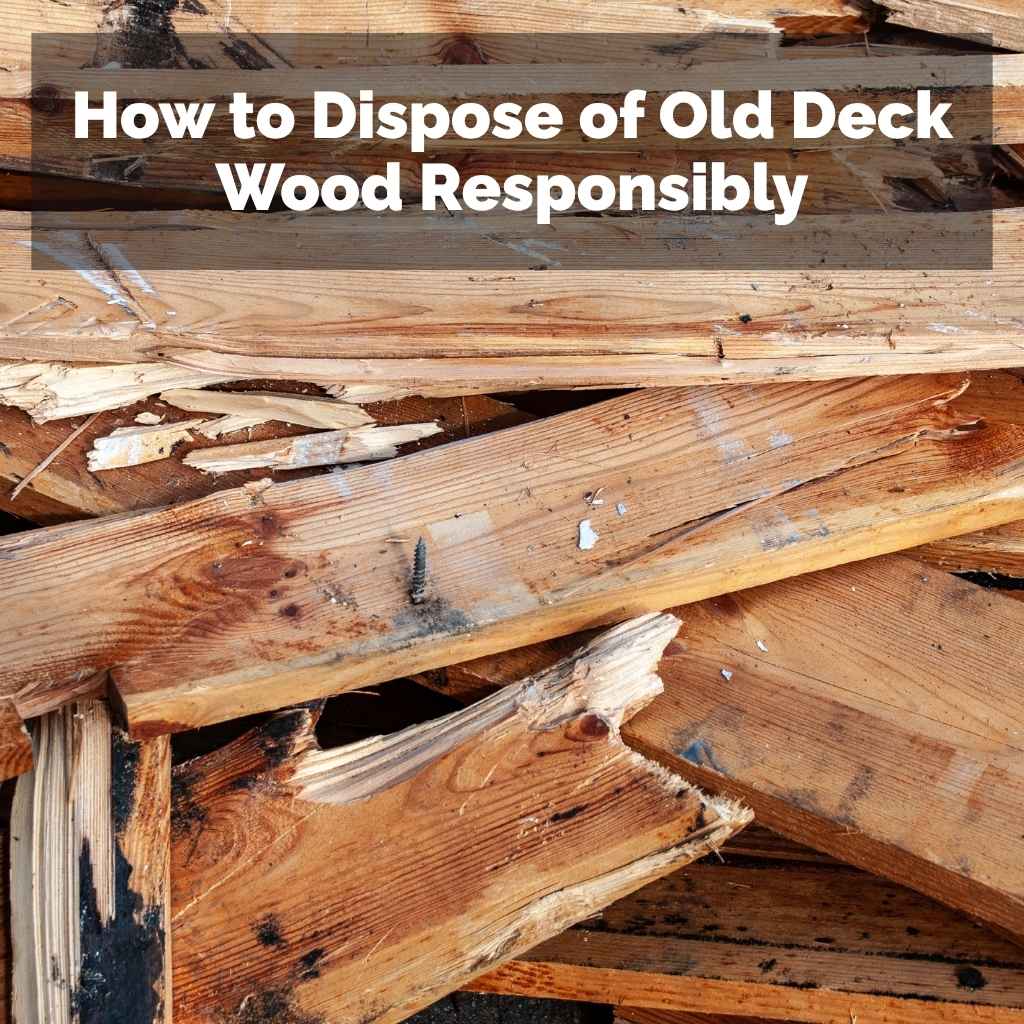
How to Dispose of Old Deck Wood Responsibly
Dealing with old deck wood can feel tricky. You might wonder what to do with it after it’s served its purpose. It’s not always clear how to get rid of it without causing harm to the environment or breaking rules. This guide will make it simple. We’ll walk you through exactly How to Dispose of Old Deck Wood the Responsible Way, step by step, so you can feel good about your choice.
Understanding Deck Wood Disposal Options
When your wooden deck reaches the end of its life, tossing it in the regular trash often isn’t an option or the best choice. Old deck wood can be quite bulky, and many local landfills have specific rules about what they accept. Plus, if the wood has been treated with chemicals, it can pose environmental risks if not handled properly. Understanding the different paths you can take ensures you’re doing right by your community and the planet.
What Is Treated Wood
Treated wood is wood that has been infused with chemicals to protect it from decay, insects, and moisture. This treatment process significantly extends the lifespan of the wood, making it ideal for outdoor projects like decks, fences, and play structures. However, these same chemicals can be a concern when it comes to disposal. The most common type of wood treatment in the past involved Chromated Copper Arsenate (CCA).
While CCA is no longer used for most residential applications in many places, older decks might still contain CCA-treated wood. Newer treatments use alkaline copper quaternary (ACQ) or copper azole (CA), which are generally considered less toxic, but still require careful handling.
The chemicals used in wood treatment are designed to be stable within the wood itself. They prevent rot and insect damage by creating an environment that is toxic to these organisms. This is why treated wood is so durable for outdoor use.
For example, a deck built with untreated pine might last only a few years before succumbing to rot and termites. In contrast, a deck built with CCA-treated lumber could last 20 to 40 years.
When it comes to disposal, the concern is that these chemicals might leach into the soil or water if the wood is simply dumped in an unlined landfill. This can contaminate the environment. For CCA-treated wood, especially, specific disposal guidelines are often in place because arsenic is a heavy metal and can be toxic.
Even newer treatments, while safer, might still have regulations attached to their disposal, particularly when dealing with large quantities.
It is important to identify whether your deck wood is treated. Look for stamps or markings on the wood, often on the ends, that indicate the type of treatment used. If you are unsure, it is safest to assume it is treated and follow the stricter disposal guidelines.
This proactive approach ensures you are always making the most environmentally sound decision for your old deck materials.
Why Responsible Disposal Matters
Responsible disposal of old deck wood is about more than just clearing out your yard. It’s about preventing pollution, conserving resources, and complying with local laws. If wood ends up in a standard landfill, especially treated wood, the chemicals can slowly seep into the ground, potentially contaminating soil and groundwater. This can harm plants, animals, and even human health over time. Think of it as a long-term health check for your local environment.
Furthermore, old wood, even if treated, can often be given a new life through recycling or repurposing. When we choose to recycle, we reduce the need to harvest new timber, which helps conserve forests. Forests are vital for clean air, water, and biodiversity.
By diverting wood from landfills, we are actively participating in a circular economy where materials are reused rather than wasted.
Local regulations for disposing of construction and demolition debris, which includes deck wood, are in place to protect public health and the environment. Ignoring these rules can lead to fines or penalties. Adhering to them is a straightforward way to be a good neighbor and responsible citizen.
It shows respect for shared resources and future generations.
Consider this: According to the Environmental Protection Agency (EPA), construction and demolition waste is a significant portion of the municipal solid waste stream. Finding ways to divert this material, like old deck wood, from landfills is a key goal for sustainability efforts nationwide. Your actions, however small they may seem, contribute to a larger, positive impact.
Preparing Your Old Deck Wood for Disposal
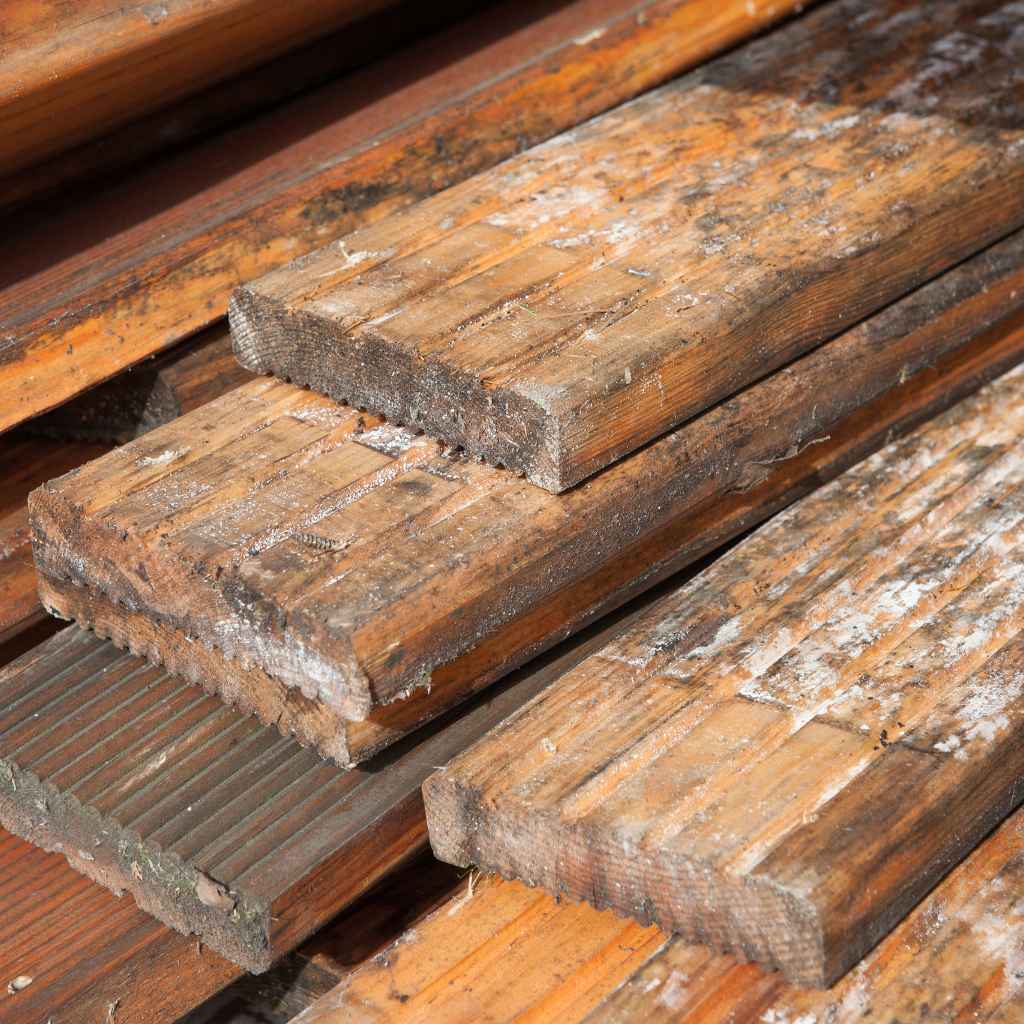
Before you can say goodbye to your old deck, a bit of preparation makes the process much smoother. This involves safely dismantling the deck, cleaning the wood, and understanding what can and cannot be included. Getting this right ensures your wood can be properly processed, whether it’s headed for a recycling center or a specific disposal facility.
Dismantling Safely
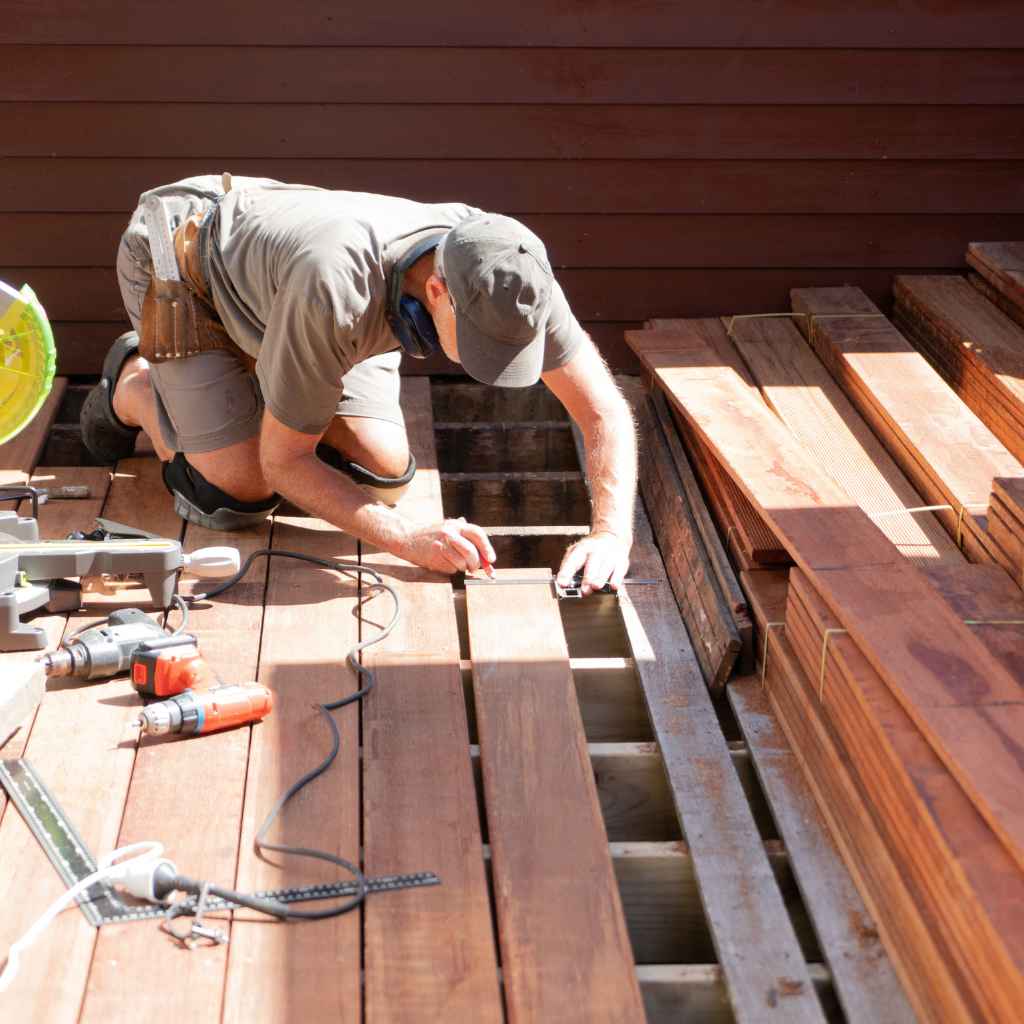
Taking apart an old deck requires care and the right tools. Safety should always be your top priority. Wear sturdy work gloves to protect your hands from splinters and nails. Safety glasses are a must to shield your eyes from flying debris. A hard hat is also a good idea, especially if you’re working underneath the deck.
Start by removing deck boards. They are usually attached with nails or screws. If using a pry bar, be gentle to avoid damaging the wood more than necessary, especially if you plan to reuse some of it.
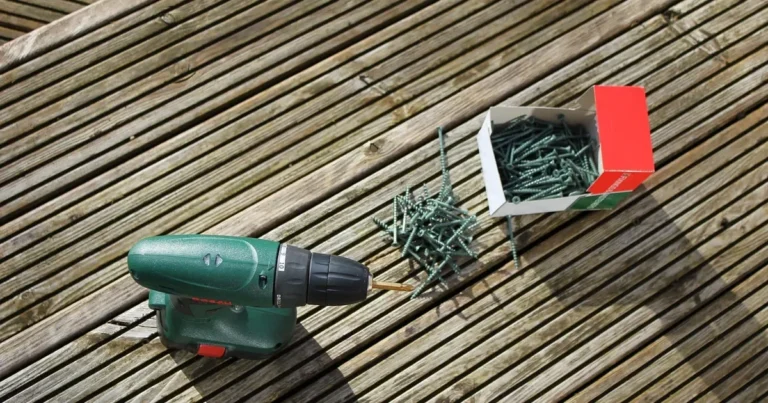
For screws, a power drill with the appropriate bit is your best friend. If nails are stubborn, a nail puller or even a reciprocating saw can help.
Next, tackle the joists and beams. These are typically larger and heavier. You might need help from another person to lift and maneuver them safely.
If the deck is attached to your house, make sure you carefully detach it from the house structure. This often involves cutting ledger boards or removing bolts.
Be mindful of any electrical wiring or plumbing that might have been run through or near the deck. Always turn off power to any outdoor outlets or lights before you begin. If you’re not comfortable dealing with these elements, it’s wise to hire a professional to disconnect them safely.
Finally, after the main structure is down, remove any remaining hardware like nails, screws, and metal brackets. These can be a hazard and may need to be separated from the wood for recycling purposes. A magnetic sweeper can be very helpful in picking up stray nails from the ground around the work area.
Removing Nails and Hardware
After dismantling your deck, you’ll likely have a pile of wood covered in nails, screws, and possibly other metal hardware like joist hangers or brackets. Removing these is a crucial step for safe handling and for making the wood eligible for recycling or certain disposal methods. Nails and screws left in the wood can be dangerous, causing injury to anyone handling it or damaging equipment at processing facilities.
Start with a good pair of pliers or a cat’s paw (a specialized nail-pulling tool) to remove protruding nails. For screws, a cordless drill with a screwdriver bit is the most efficient tool. Make sure the drill is set to reverse.
If screws are rusted and stuck, a penetrating lubricant can help loosen them.
For larger hardware like metal joist hangers or angle brackets, they might be attached with nails or screws as well. Use your pry bar or drill to remove these. Sometimes, these metal pieces are difficult to detach completely.
In such cases, you can often trim the wood around them, ensuring the metal is either fully removed or very securely embedded so it won’t snag.
A magnetic sweeper is an excellent tool for finding and collecting any nails or screws that have fallen onto the ground during the dismantling process. This not only helps in clearing the wood itself but also makes the surrounding area safer. It is especially useful for finding small nails that might be hidden in grass or dirt.
If you plan to take your wood to a recycling center, they will often have specific requirements about the amount of metal fasteners left in the wood. Some may not accept wood with any metal, while others might allow a small percentage. Always check with the recycling facility beforehand to understand their guidelines.
This saves you a trip and ensures your efforts are not in vain.
Sorting Your Wood
Once you’ve dismantled your deck and removed as much hardware as possible, it’s time to sort the wood. This step is important because not all wood is the same, and different types may have different disposal or recycling requirements. Proper sorting makes the next steps much easier and ensures you’re following the right procedures.
The first distinction to make is between treated and untreated wood. If your deck is old, it might contain CCA-treated wood. Newer decks may have ACQ or CA treated wood.
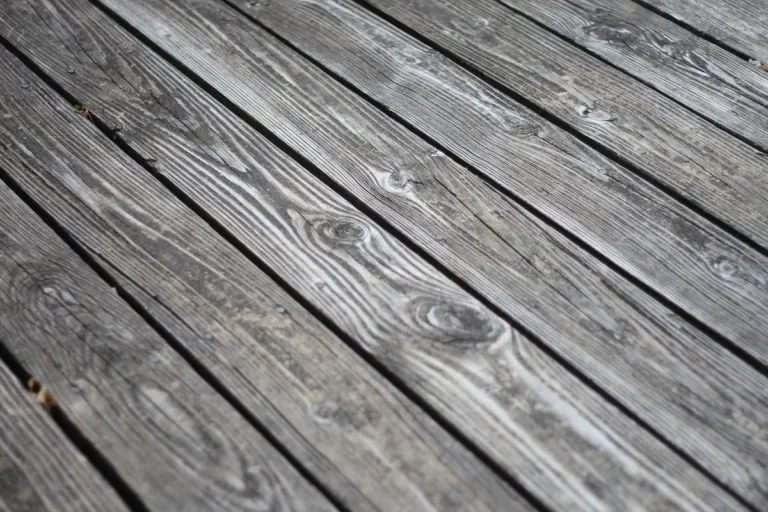
Untreated wood is typically pine, cedar, or redwood that hasn’t undergone chemical processing. Visually, treated wood might have a greenish or brownish tint, and you might see small, evenly spaced holes from the treatment process. Check for stamps on the wood ends that indicate treatment type.
Next, separate wood that is in good condition from wood that is badly rotted or damaged. Wood that is structurally sound and free from severe rot might be suitable for donation or resale, especially if it’s a desirable type like cedar. Wood that is too far gone for reuse might be better suited for chipping or mulch production, if available.
Also, separate any non-wood materials. This includes things like old carpet padding if it was used under the deck, plastic decking components, or any other foreign objects that got mixed in. These items will need to be disposed of according to their own material types.
Consider creating piles for different categories: 1) Treated wood, 2) Untreated wood in good condition, 3) Untreated wood in fair condition, 4) Severely rotted or damaged wood, and 5) Non-wood materials. This organized approach helps when you are ready to transport your sorted wood for disposal or recycling.
Eco-Friendly Disposal Methods
Choosing how to get rid of your old deck wood responsibly is key to minimizing your environmental footprint. Fortunately, several eco-friendly methods are available that go beyond simply sending it to the landfill. These options often involve recycling, repurposing, or donating the wood, giving it a new lease on life.
Recycling Options for Deck Wood
Recycling is one of the most effective ways to dispose of old deck wood. Many communities have dedicated recycling centers or waste management services that handle construction and demolition debris. These facilities can often process wood into valuable products like mulch, compost, or even engineered wood products.
To find a recycling facility near you, start by checking your local municipality’s waste management website or contacting your city or county’s public works department. They can provide information on drop-off locations, collection events, and any specific requirements for accepting wood waste. Some areas may have specific programs for yard waste and construction debris that include wood.
When you take your wood to a recycling center, it’s often sorted by type. Clean, untreated wood is generally easier to recycle. Treated wood may have stricter guidelines and might need to be taken to specialized facilities.
These facilities often use machinery to chip the wood into smaller pieces. If it’s untreated, it can be processed into landscape mulch or compost. If it’s treated, it might be used for energy recovery at specialized plants, though this is less common for residential waste.
The process typically involves grinding the wood into chips or sawdust. These chips can then be used in various ways. For untreated wood, it’s commonly turned into mulch for landscaping projects, which helps retain soil moisture and suppress weeds.
It can also be composted, adding organic matter to soil. Treated wood recycling is more specialized and might involve incineration in controlled environments to generate energy, but it’s crucial to ensure the facility handles treated wood safely and legally.
Some recycling programs might offer curbside pickup for construction debris. You can often rent a dumpster specifically for wood waste. When filling the dumpster, ensure you’re only putting in accepted materials as per the recycling center’s guidelines.
This proactive step ensures your old deck wood contributes positively to resource conservation rather than becoming a landfill burden.
Donating Usable Deck Wood
If your old deck wood is still in decent condition, donating it is a fantastic way to give it a second life and help others. Many organizations accept building materials for renovation projects, community builds, or educational programs. This is a win-win situation: you clear out your space, and someone else gets valuable materials for free or at a low cost.
Habitat for Humanity ReStores are well-known for accepting donations of gently used building materials, including lumber. They sell these items in their stores, and the proceeds support their mission of building affordable housing. Other local non-profit organizations focused on community improvement or affordable housing may also accept such donations.
It’s worth a phone call to your local chapters.
Before donating, ensure the wood is clean and free from protruding nails or screws. While some organizations might be willing to do minor prep work, donating usable materials in good condition makes it much easier for them to process and sell your donation. Check their specific donation guidelines online or by phone, as acceptance policies can vary.
If your wood is treated, be sure to inquire about their policy on treated lumber. While many organizations prefer untreated wood, some might accept it for specific projects where its properties are beneficial, provided it’s handled safely. It’s always best to be upfront about the wood’s condition and treatment status when you inquire about donating.
You might also consider donating to local schools with vocational programs, community gardens, or art programs that could use lumber for projects. Sometimes, local theater groups need wood for set construction. A quick search for “building material donation” or “recycled building materials” in your area can reveal potential recipients.
Repurposing Your Deck Wood
Beyond donation, you can also repurpose your old deck wood yourself for various creative projects. This is a great way to add character to your home or garden while keeping materials out of the waste stream. Old deck boards can be transformed into a variety of useful and decorative items.
One popular idea is to create rustic shelving. Old deck boards can be cut to size, sanded, and sealed to make unique shelves for your garage, shed, or even an indoor accent wall. They offer a charming, weathered look that’s hard to replicate with new materials.
You can also build simple benches or planters for your garden. The natural aging of the wood often gives these items a beautiful patina.
Another creative use is for DIY outdoor furniture. You can build Adirondack chairs, picnic tables, or even a charming outdoor coffee table from reclaimed deck boards. If the wood is still relatively strong, it can be ideal for these applications.
A bit of sanding and a good sealant or stain will bring out its best features.
For smaller projects, think about making decorative items like picture frames, birdhouses, or signs. Even small scraps of wood can be used for craft projects. If you enjoy woodworking, the possibilities are nearly endless.
You might discover a hidden talent for creating beautiful items from materials that would otherwise be discarded.
Remember to handle treated wood with caution if you plan to repurpose it for indoor projects or items that come into direct contact with food or children. For outdoor furniture or garden projects, it’s generally fine, but it’s always wise to wear gloves and a mask when cutting or sanding treated wood.
Landfill and Disposal Service Options
While eco-friendly methods are preferred, sometimes landfill disposal or using specialized services is the most practical or only available option, especially for heavily treated or damaged wood. Understanding these choices and how to use them correctly ensures you are still disposing of your deck wood as responsibly as possible within your given circumstances.
When Landfilling is Necessary
There are times when recycling or donating just isn’t feasible. This could be due to the wood being too badly damaged, heavily treated with chemicals that facilities won’t accept, or simply a lack of local recycling options. In these cases, a properly regulated landfill is the next resort. However, even when using a landfill, there are important considerations.
First, you need to know your local landfill’s rules regarding construction and demolition debris. Many landfills have separate areas for bulk items and wood waste. Treated wood, particularly older CCA-treated wood, might have specific handling requirements.
Some landfills may not accept it at all, while others might have designated areas for it to be managed properly. Always call ahead or check their website to confirm.
If your local landfill accepts the wood, you’ll need to transport it there. This might involve renting a truck or a dumpster. Be aware of any fees associated with disposing of bulk waste; these are often based on weight or volume.
Properly securing the wood in your vehicle or dumpster is essential for safe transport and to prevent items from falling out onto public roads.
If you have a significant amount of wood, especially from a full deck demolition, hiring a waste removal service might be the most convenient option. These services often provide large dumpsters that they will deliver and pick up. They are usually knowledgeable about local disposal regulations and will ensure the waste is taken to an appropriate facility.
Even when landfilling, try to remove as much metal hardware as possible. This reduces the hazard at the landfill and can sometimes lower disposal fees. While it may not be recycled, it’s a small step towards cleaner waste management.
The goal is always to minimize environmental impact, and choosing a reputable landfill is part of that process when other options are exhausted.
Understanding Waste Removal Services
Waste removal services, often called junk removal companies or dumpster rental services, can be incredibly helpful when dealing with large amounts of old deck wood. These companies specialize in hauling away unwanted materials, making the process much easier for you. They typically handle everything from pickup to disposal.
When choosing a service, ask if they have specific policies for handling wood waste. Some companies might charge differently for treated wood versus untreated wood. It’s also a good idea to inquire about their disposal practices.
Do they prioritize recycling, or do they primarily take materials to the landfill? Responsible companies will be transparent about this.
For dumpster rentals, you’ll typically choose a dumpster size based on the amount of wood you have. The company drops off the dumpster, you fill it, and then they come back to pick it up and take the contents to a disposal or recycling facility. This is a great option for large projects where you might not have a suitable vehicle to haul the wood yourself.
Junk removal services, on the other hand, usually provide a team of workers who will come to your property, load the wood themselves, and haul it away. This can be more convenient if you have physical limitations or simply want the job done without any effort on your part. Again, ask about their policies regarding wood and what they do with the materials they collect.
Pricing can vary significantly between services, so it’s wise to get quotes from a few different companies. Compare not just the price but also what is included in the service and their commitment to responsible disposal. A slightly higher price from a company that prioritizes recycling or proper disposal of treated wood might be a better investment for the environment.
Local Regulations and Compliance
Local regulations play a big role in how you can dispose of old deck wood. What’s allowed in one town might be different in another. Staying informed about these rules helps you avoid fines and ensures you are doing things the right way for your specific area.
Start by checking your city or county’s official website. Look for sections on waste management, public works, or environmental services. You’ll often find detailed information about how to dispose of construction and demolition debris.
This includes specific guidelines for wood waste.
Some municipalities have limits on the amount of wood you can dispose of at once through regular trash collection. For larger amounts, like from a whole deck, you might need to schedule a special bulk pickup or use a designated drop-off facility. There could also be rules about how the wood needs to be prepared, such as removing all nails and screws.
If your wood is treated, pay special attention to regulations concerning treated lumber. In many areas, treated wood is considered a special waste and cannot be placed in regular landfills. It might need to be taken to a licensed hazardous waste facility or a specialized wood recycler.
The EPA provides guidance on this, but local rules are the ones you must follow.
Failing to comply with these regulations can result in penalties, including fines. So, taking a few minutes to research your local rules is a smart move. It ensures you’re not only disposing of your deck wood responsibly but also legally.
Frequently Asked Questions
Question: Can I burn old deck wood
Answer: Burning old deck wood is generally not recommended and often illegal due to environmental concerns. If the wood is treated, burning it can release toxic chemicals into the air, including heavy metals like arsenic, which are harmful to human health and the environment. Even untreated wood can produce smoke and particulate matter that contributes to air pollution.
Many local ordinances prohibit open burning of construction debris.
Question: How do I know if my deck wood is treated
Answer: You can often tell if your deck wood is treated by its appearance and markings. Treated wood may have a greenish or brownish tint and might show small, evenly spaced holes from the pressure treatment process. Look for stamps or brand marks on the ends of the boards, which usually indicate the type of treatment used (e.g., CCA, ACQ, CA).
If you’re unsure, it’s safest to assume it is treated and handle it with appropriate precautions.
Question: What if my deck has composite decking
Answer: Composite decking is made from a mix of wood fibers and plastic. It cannot be disposed of or recycled like solid wood. Many composite decking manufacturers have their own recycling programs or partner with specific recycling facilities.
Check the manufacturer’s website or contact them directly for information on how to dispose of or recycle your composite decking materials responsibly.
Question: Can I put old deck wood in my curbside recycling bin
Answer: Generally, no. Standard curbside recycling bins are for materials like paper, cardboard, plastic bottles, and metal cans. Large items like old deck wood, especially if treated, are considered construction and demolition debris and require special handling.
You’ll need to find a separate facility or service that accepts wood waste.
Question: How much does it cost to dispose of old deck wood
Answer: The cost can vary greatly depending on your location, the amount of wood, whether it’s treated or untreated, and the disposal method you choose. Recycling centers may charge a fee based on weight or volume. Dumpster rentals have set prices for a certain duration and weight limit.
Landfill fees are typically based on weight. Donating or repurposing can be free if you do the work yourself.
Summary
Properly disposing of old deck wood involves several steps. You must first prepare the wood by safely dismantling the deck and removing nails and hardware. Then, sort the wood into treated and untreated piles. Consider eco-friendly options like recycling at specialized facilities, donating usable lumber to organizations, or repurposing it for new projects. If these aren’t viable, find out your local landfill’s regulations for construction debris. Always follow local laws to ensure responsible disposal.
Sponsored / affiliate links. As an Amazon Associate I earn from qualifying purchases. I may earn additional commission from eligible campaigns.