Is a Steel Frame Cheaper Than Wood? Cost Comparison
Figuring out if a steel frame is cheaper than wood can feel a bit tricky, especially when you’re just starting to plan a building project. Many people wonder about the upfront costs and long-term savings. You’re probably here because you want clear answers without all the jargon.
This guide will break down the Is a Steel Frame Cheaper Than Wood? Cost Comparison in a simple, step-by-step way, so you can make the best choice for your project. Let’s explore what really goes into the price tag.
Steel Frame vs. Wood Frame Understanding the Costs
When you’re building something, one of the biggest questions on your mind is always about money. You want to know how much things will cost and where you can save. The choice between a steel frame and a wood frame is a really common one, and it often comes down to price.
But it’s not just about what you pay today; it’s also about what you pay over time. This comparison aims to make that clear.
Material Costs: The Initial Price Tag
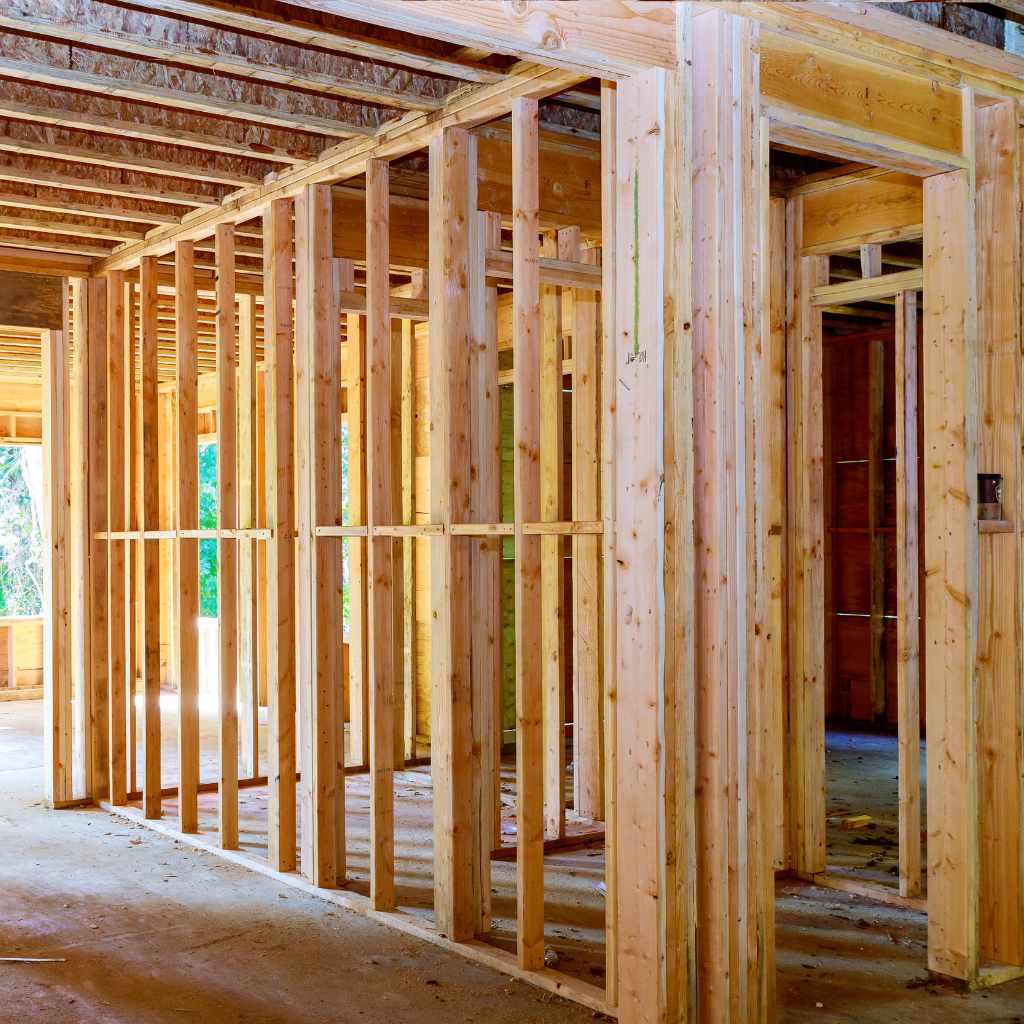
The first thing people look at is the cost of the raw materials. This is where you might see some initial differences. Wood, like lumber, has been a go-to for a long time because it’s readily available and has a familiar price point.
Steel framing, on the other hand, is made in factories. This controlled environment can lead to less waste and more consistent pricing. However, the price of steel can go up and down based on global markets, just like gasoline prices.
So, sometimes steel might be more expensive per pound or per foot than wood, and other times it might be less.
| Material | Typical Cost Factors | Notes |
|---|---|---|
| Wood Framing | Type of wood, grading, availability | Can fluctuate with lumber market trends |
| Steel Framing | Gauge of steel, market price of raw steel | Can be influenced by global supply and demand |
It’s important to remember that “wood” isn’t just one thing. There are different types of lumber, and engineered wood products can have different costs. Similarly, steel comes in various strengths and gauges, which affect its price.
For a basic, standard-sized home, the raw material cost might be closer than you think, especially when you factor in all the pieces needed for each type of frame.
Labor Costs: Who Installs It And How Long It Takes
Beyond the materials themselves, the cost of putting them together is a huge part of the overall budget. This is where significant differences can emerge between steel and wood framing.
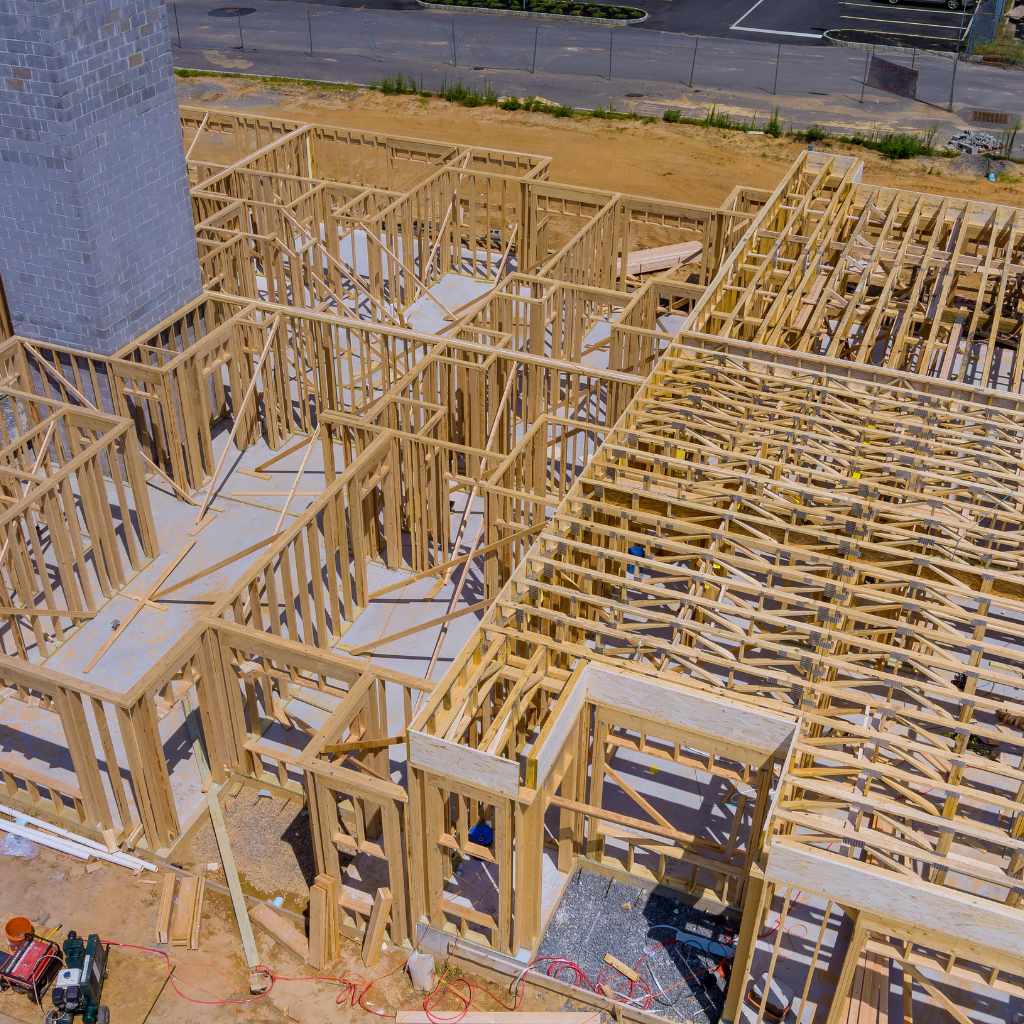
Wood framing is a traditional skill that many construction workers are very familiar with. It’s often quicker for carpenters to frame a house with wood because they can cut and fit pieces on-site. This familiarity can sometimes mean lower labor costs, as experienced wood framers are widely available.
Steel framing, while growing in popularity, still requires specialized skills. Workers need to know how to handle and connect steel studs, often using screws or specialized tools. While steel framing can be faster in some ways because pieces are pre-cut and designed to fit together like a puzzle, the training and specialized equipment needed can sometimes increase labor costs.
However, in areas with high labor costs for traditional carpentry, steel might become more competitive.
Another factor is the speed of construction. Steel framing can sometimes lead to a faster overall build time because the components can be fabricated off-site and then quickly assembled. If your project has tight deadlines, this speed can translate into savings on other costs, like rental equipment and project management time.
Design and Engineering Costs
The planning stage is also important. Both steel and wood framing require design and engineering, but the specifics can differ.
Wood framing is very common, so standard designs and engineering plans are readily available. This can make the design process smoother and potentially less expensive for simple structures. Engineers are very familiar with wood’s properties and how it behaves in different structural situations.
Steel framing often allows for more complex and open designs. Because steel is strong, you can span larger distances without needing as many internal supports. This flexibility can be a big advantage for architects and designers.
However, engineering a steel structure might sometimes require more detailed calculations, especially for unique or large-scale projects, which could add to the engineering fees.
Long-Term Costs and Savings
When we talk about Is a Steel Frame Cheaper Than Wood? Cost Comparison, we also need to think about what happens after the building is up.
Durability and Maintenance
Steel is known for its strength and durability. It doesn’t rot, warp, or get eaten by insects like wood can. This means a steel frame generally requires less maintenance over its lifetime.
You won’t have to worry about replacing termite-damaged studs or dealing with wood that has warped due to moisture.
Wood framing, while strong when properly maintained, is susceptible to these issues. Regular inspections and treatments might be needed to protect wood structures from pests and moisture damage, which can add to long-term costs. So, while the upfront cost might be one thing, the cost of keeping a building in good shape over decades is also a key consideration.
Energy Efficiency
The impact on energy bills is another important part of the long-term cost. This is an area where insulation and building techniques play a big role, regardless of the framing material.
Steel itself is a conductor of heat, meaning it can transfer heat more easily than wood. This is known as thermal bridging. If not properly addressed, this can lead to energy loss.
However, modern building practices often use thermal breaks and advanced insulation methods to overcome this. When properly insulated, a steel-framed building can be just as energy-efficient, if not more so, than a wood-framed one.
Wood is a more natural insulator than steel. However, wood can also be more prone to air leaks if not sealed carefully. The overall energy performance of a building depends heavily on the quality of insulation, windows, doors, and sealing, rather than solely on the framing material.
Resistance to Fire and Natural Disasters
Safety is a major factor, and it can also have financial implications when considering insurance premiums.
Steel is non-combustible. This means it won’t catch fire and contribute to a blaze. In fact, steel is often used in high-rise buildings specifically for its fire resistance.
This can lead to lower insurance premiums in some cases, as the risk of fire damage might be reduced.
Wood is combustible. While modern building codes require fire-resistant treatments and assemblies, wood can still contribute to fire spread. This is a factor that builders and insurers always consider.
When it comes to natural disasters like earthquakes and hurricanes, steel framing can offer significant advantages. Steel’s flexibility and strength allow it to withstand immense forces. Many modern steel framing systems are designed to be very resilient, which can lead to less damage and lower repair costs after such events.
This resilience might also be reflected in insurance costs over the long run.
Hidden Costs and Potential Savings
Sometimes the true cost isn’t just what’s on the initial quote. There are often other factors to consider.
Waste Reduction
Steel framing often results in less on-site waste compared to wood framing. Wood framing can produce a fair amount of offcuts and scrap material, which then needs to be disposed of, adding to costs and environmental impact. Steel components are typically prefabricated to precise measurements, meaning less material is wasted during construction.
Speed of Construction
As mentioned before, faster construction can save money in many areas. Reduced labor time, quicker occupancy, and less need for prolonged equipment rentals can all add up to significant savings. If a project is on a tight schedule, the speed of steel framing might make it more cost-effective overall.
Permits and Inspections
Depending on your local building codes and regulations, one framing material might be favored or require fewer inspections. Generally, both steel and wood framing are well-understood by building departments, but it’s always wise to check local requirements.
Resale Value
While not a direct cost saving during construction, the long-term appeal and durability of a steel-framed home could potentially contribute to a higher resale value. Buyers are increasingly aware of the benefits of low-maintenance and durable materials.
When Is Steel Cheaper Than Wood?
So, to get back to the core question of Is a Steel Frame Cheaper Than Wood? Cost Comparison, it’s not always a simple yes or no answer. Here are some situations where steel might come out ahead:
- Large-span projects: For buildings needing wide-open spaces without many interior walls, steel can be more efficient and cost-effective due to its strength.
- Areas with high lumber prices: If local wood prices are unusually high due to supply issues, steel can become more competitive.
- Projects prioritizing speed: When deadlines are critical, the faster assembly of steel framing can reduce overall project time and associated labor costs.
- Demanding structural requirements: For buildings that need to withstand extreme weather or heavy loads, the inherent strength of steel can make it a more economical choice than over-engineering a wood frame.
- Long-term maintenance concerns: If you’re building for the very long haul and want to minimize future repair and maintenance costs, the durability of steel is a major advantage.
When Is Wood Cheaper Than Steel?
Conversely, wood framing often has the edge in these scenarios:
- Standard residential construction: For typical homes, the familiarity and widespread availability of wood framing often make it the more budget-friendly option upfront.
- DIY projects: Wood is generally easier for homeowners to work with if they plan to do some of the construction themselves, potentially saving on labor.
- Regions with abundant, low-cost lumber: In areas where lumber is plentiful and inexpensive, wood framing will likely remain the cheaper material choice.
- Simpler designs: For straightforward building plans with standard load-bearing walls and simpler spans, wood is a straightforward and cost-effective solution.
Frequently Asked Questions
Question: Does steel framing cost more than wood framing for a typical house?
Answer: Often, wood framing has a lower upfront material and labor cost for a standard residential home. However, this can change depending on local material prices, labor rates, and the complexity of the design.
Answer: While steel can lead to savings in other areas like reduced waste and faster construction, specialized tools and potentially specialized labor might add to initial costs. It’s important to get detailed quotes for both options.
Question: Which framing material is better for the environment?
Answer: Both have environmental considerations. Wood is a renewable resource, but its harvesting can lead to deforestation if not managed sustainably. Steel is highly recyclable, and recycled content in new steel framing is common, reducing the need for virgin materials.
Question: Will a steel frame increase my home insurance costs?
Answer: In some cases, a steel frame’s resistance to fire and pests could lead to lower insurance premiums. However, this can vary by insurer and location, so it’s best to get quotes for both framing types.
Question: Is steel framing more durable than wood framing over time?
Answer: Yes, steel is generally more durable. It does not rot, warp, or get damaged by insects, which means it typically requires less maintenance and can have a longer lifespan than wood framing.
Final Thoughts
Deciding between steel and wood framing involves looking at more than just the initial price tag. While wood often seems cheaper when you first look at material and labor costs for a standard home, steel framing can offer significant advantages in the long run. Consider the durability of steel, its resistance to pests and fire, and its potential for faster construction times.
These factors can lead to savings in maintenance, insurance, and overall project timelines. When you’re looking at Is a Steel Frame Cheaper Than Wood? Cost Comparison, think about the total cost of ownership, not just the building expense today.
For projects with specific needs like large open spaces or high resistance to the elements, steel might even be the more economical choice from the start. Weigh all these points carefully for your unique project. By doing your homework and getting detailed estimates for both options, you’ll be well-equipped to make the choice that best fits your budget and long-term goals.