Wood Cutting Board Safety Guide for Daily Kitchen Use
A wood cutting board is generally a good option for produce, bread, cheese, and cooked foods; for raw meat, many people use one only if they wash it well with hot soapy water after use, sanitize it after raw poultry or seafood, and replace boards with deep cracks. Ignore those basics and you raise cross-contamination risk, leave residue buried in cuts, and end up with a board you can no longer clean well enough for safe prep. This guide covers which board to pick, what foods belong on wood, how to wash and sanitize it, how to dry and oil it, how to store it, and when I would throw it out.
What wood cutting board safety really depends on


The three variables that matter
Board safety comes down to three things: the food on it, the board’s condition, and the cleaning done right after prep. That is why a board used for herbs and toast can stay safe for years, while a neglected board used for raw chicken turns risky in a hurry.
Wooden cutting boards can absorb moisture and bacteria if not properly maintained. I pay closest attention when I see deep knife grooves, raised grain, or cracks that still feel damp long after washing. (extension.umaine.edu)
Why risk changes by kitchen routine
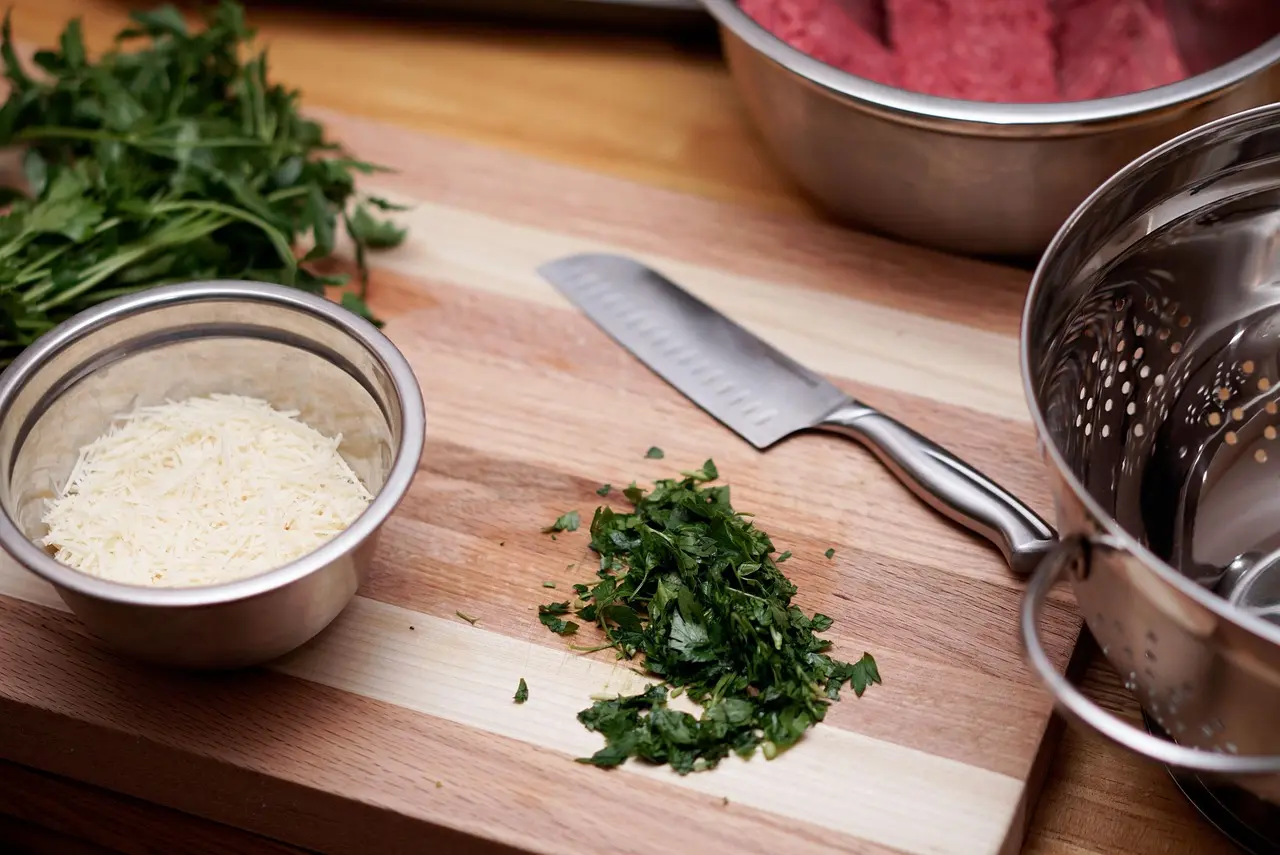
Wooden cutting boards do their best work with vegetables, fruit, bread, herbs, cheese, and other low-risk prep. They hold up well and treat knife edges kindly, which is why I keep one out for daily work.
Safety gets harder when the same board handles raw poultry in the morning, sandwich vegetables at lunch, and sliced fruit at night. In my shop and kitchen, mixed prep sessions are where mistakes happen unless the workflow stays strict and each board has a clear job.
Maintenance changes the risk profile
A well-kept board dries quickly, stays flatter, and sheds residue more easily during washing. A neglected board takes on more moisture, grows rougher cuts, and gets harder to inspect because stains and dark patches hide what is going on.
Board stability matters too. Set the board on a damp towel or mat so it does not slide during prep. A moving board is a knife injury problem first, and it also leads to rougher cutting and deeper scars in the surface.
Are wood cutting boards safe for raw meat?
Yes, but only conditionally. Wood can be used for raw meat when the board is in good shape, washed immediately, and sanitized after higher-risk proteins. For raw poultry, seafood, and ground meat, plastic is the safer dedicated pick because it is easier to sanitize and can go in the dishwasher.
When wood is acceptable and when plastic is the better choice
Plastic boards are recommended for raw meats, seafood, and poultry. That recommendation is practical, not theoretical. Plastic is easier to sanitize, and many plastic boards are dishwasher safe, which gives households a straightforward way to run a raw-protein board through a full hot wash cycle.
Wood is acceptable for an occasional steak or roast if the board is smooth, not cracked, and cleaned at once. I would avoid it in households that break down chicken often, prep shellfish regularly, or move fast between raw proteins and ready-to-eat foods.
Higher-risk protein cases
Raw poultry, seafood, and ground meat demand stricter rules. They shed more juices, spread into grooves faster, and leave behind stronger odor if cleanup is delayed. On those jobs, a dedicated plastic board is the safer pick, especially if the board can be sanitized in the dishwasher after use.
If wood is used for these foods, the board is usually washed with warm water and standard dish soap, scrubbed with a sponge or soft-bristled brush, rinsed, towel dried, and then left to air-dry upright or on edge. Sanitizing should follow that wash when raw poultry or seafood was on the board.
Safer workflows for mixed prep sessions
Using separate cutting boards helps reduce cross-contamination. A color-coding system may help separate food prep tasks. One simple setup is one wood board for produce, bread, cheese, and cooked foods, plus one plastic board for raw animal products.
Labels help even more than memory. Mark the underside, edge, or handle area so no one guesses. If a mixed meal is being prepped, cut ready-to-eat items first on the clean board, then move to the raw-protein board last.
Who should use stricter rules
Immunocompromised cooks, elderly family members, pregnant cooks, and heavy-use kitchens should keep wood out of raw poultry and seafood prep altogether. The margin for error is smaller, and the kitchen traffic is usually higher.
In those households, the safest routine is simple: dedicated plastic for all raw meat, seafood, and poultry; dedicated wood for lower-risk foods; faster replacement of scarred plastic boards; and faster retirement of wood boards that hold odor or moisture.
What foods are best to prep on a wood cutting board?
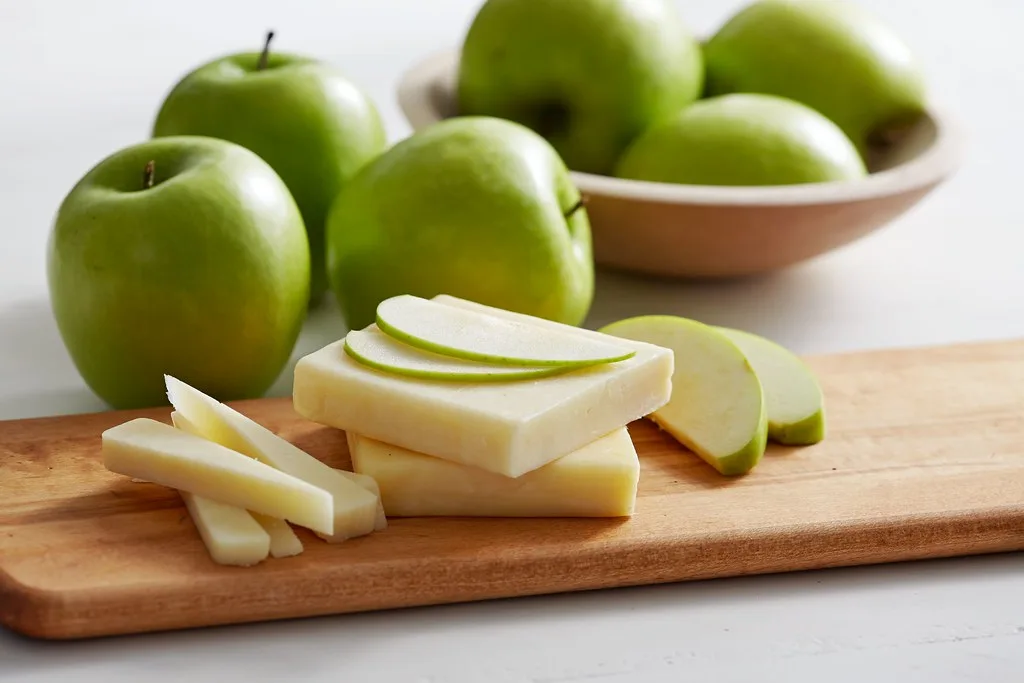
Wood boards are best used for lower-risk foods: vegetables, fruit, bread, herbs, cheese, and cooked foods. They also work well for slicing rested roasts or cooked chicken. They are a weaker choice for raw poultry, seafood, and messy protein prep that leaves heavy moisture or strong odor behind.
Best fits for wood
Wooden cutting boards are well-suited for lower-risk foods like vegetables, fruits, and bread. Add herbs, cheese, sandwiches, and cooked foods to that list. These jobs leave less risky residue and are easier to wash off a smooth wood surface.
Wood also stays gentler on knives than glass, stone, or ceramic. That matters because a sharp knife reduces the risk of deep grooves or cuts in the board.
Foods that change the cleaning burden
Onions, garlic, oily peppers, beets, and juicy tomatoes are still fair use for wood, but they ask more from cleanup. Strong odors and staining ingredients make inspection harder, so the board should be washed right away and checked again after drying.
Acidic and strongly pigmented foods do not make a board unsafe on their own. They do make wear easier to spot, especially where raised grain, end-grain fuzz, or old knife scars hold moisture and color.
When to switch boards for the task
Switch away from wood when the food is raw poultry, raw seafood, or a high-volume meat prep session. Also switch when the wood board already shows deep grooves, blackening near cuts, a persistent damp smell, or edge cracks.
A good board choice is less about material loyalty and more about matching risk to the job.
What is the safest material for cutting boards?
The safest material depends on the job. For raw meats, seafood, and poultry, plastic is the safer dedicated choice because it is easier to sanitize and often dishwasher safe. For produce, bread, cheese, and cooked foods, a smooth, well-kept wood board is a safe and practical option.
Wood, plastic, and bamboo by use case
Wooden cutting boards are durable and knife-friendly, but they absorb moisture if not maintained and should not be soaked. Plastic boards are easier to sanitize, though they can develop knife scars that trap residue and call for faster replacement.
Bamboo boards are harder than most wood and less porous. They can dull knives over time, and they are more prone to cracking if not properly cared for.
Material-by-task recommendation matrix
| Material | Best jobs | Main safety watch-out |
|---|---|---|
| Wood | Produce, bread, herbs, cheese, cooked foods | Absorbs moisture if neglected; unsafe when cracked, warped, or deeply grooved |
| Plastic | Raw meat, seafood, poultry, heavy daily protein prep | Knife scars can become deep and hard to clean; inspect often |
| Bamboo | Light produce prep, bread, dry tasks | Harder surface can dull knives; cracking risk rises with poor drying and storage |
Board stability is part of safety
Any board becomes a poor choice if it rocks or slides. Keep the board stable with a damp towel or a thin mat underneath. A stable setup gives cleaner cuts, less pressure, and fewer deep scars in the board.
Do bamboo boards count as wood cutting boards for food safety?
Yes. Bamboo belongs in the same food-safety discussion, but it does not behave exactly like maple, walnut, or beech. Bamboo is harder than most wood and less porous, yet it can dull knives faster and is more prone to cracking when drying and storage are sloppy.
How bamboo behaves differently
Bamboo boards are often chosen because they feel dense and dry quickly on the surface. That helps in day-to-day use, but the harder face can be tougher on knife edges over time.
Bamboo boards can dull knives over time. That matters for safety because dull knives force more pressure, wander more easily, and leave rougher cuts in the board.
Where bamboo fits in a safer system
Bamboo works best for lighter prep, dry foods, and households that inspect boards often. It is less forgiving when neglected. If the board starts to split, cup, or darken at the joints, it should be pulled from food prep faster than a lightly marked hardwood board.
Care rules are still strict: no soaking, immediate drying, and no dishwasher.
How do you clean a wooden cutting board without damaging it?
Clean a wooden cutting board with warm water, standard dish soap, and a sponge or soft-bristled brush right after use. Rinse, towel dry immediately, then air-dry fully on edge or upright. Do not soak it, and avoid residue-heavy antibacterial cleaners that stay on food-contact surfaces.
The standard wash routine
- Scrape off loose food and juices as soon as prep is done.
- Wash with warm water and standard dish soap.
- Scrub the full face, edges, and groove areas with a sponge or soft-bristled brush.
- Rinse thoroughly so soap does not stay in the grain.
- Dry with a clean towel right away.
- Stand the board on edge or upright until fully air-dried.
Wooden boards should be washed with warm water and standard dish soap. Wooden boards should be scrubbed with a sponge or soft-bristled brush.
Drying is part of cleaning
Most board damage starts after the sink, not during the cut. If a board is left flat on a wet counter, moisture stays trapped against one face and the board can cup, swell, or develop a damp smell.
Dry with a clean towel, then let air reach both sides.
How often should you sanitize a wood cutting board?
Sanitize wood after any raw poultry or seafood contact, after strong odor that remains after washing, and after any questionable contamination event such as contact with raw meat juice. For produce-only use, normal washing is enough after each session if the board is clean, smooth, and dries fully.
Sanitizing is an extra step, not a replacement for washing. Avoid leave-on antibacterial products that can leave residue on a food-contact board.
Can a wooden cutting board go in the dishwasher?
No. A wooden cutting board should not go in the dishwasher because long water exposure and heat push moisture deep into the board, then dry it unevenly. That cycle raises grain, loosens joints, drives warping, and can open cracks that make future cleaning less reliable.
Soaking wooden boards can cause them to warp or crack over time. A dishwasher creates the same problem with more heat and more stress.
How do you stop a wood cutting board from warping or cracking?
Keep wood boards out of standing water, dry them immediately after washing, and store them where air reaches both faces. Warping and cracking usually start with long wet contact, trapped moisture against the counter, or repeated heat-and-water swings from sinks, dishwashers, or hot appliances nearby.
The moisture mistakes that do the damage
The big errors are simple: soaking in the sink, leaving the board under a wet towel, storing it flat while still damp, or leaning one wet edge against a hot backsplash. Any of those can lead to warping, cracking, or raised grain.
Blackening around cuts or at the edge is a warning sign, not a cosmetic quirk. So is a persistent damp smell after the board looks dry.
Proper drying and storage
After washing, towel dry first, then let the board finish drying upright or on edge. Do not stack a damp board between pans, on a wet drainboard, or under other boards where air cannot move.
If the board starts to rock on the counter after drying, treat that as damage. A wobbling board is both a knife hazard and a cleaning problem because the twist often comes with stress cracks or joint movement.
Where oiling and wax fit
Oiling and board wax can support stability by slowing moisture swings, but they do not clean the board and they do not fix unsafe damage. Apply them only to a clean board that is fully dry.
If a board still smells sour, shows black streaks, or has open cracks after drying, maintenance products are beside the point. That board needs resurfacing or retirement.
When should you resurface, retire, or replace a wood cutting board?
Keep using a wood board with light surface marks that wash clean and dry fast. Resurface when grooves feel rough, hold color, or stay damp. Replace the board when cracks open, blackening returns after washing, odor lingers, layers separate, or the board rocks on the counter.
Normal wear versus unsafe damage
Light knife marks are normal. They become a safety issue when cuts deepen enough to trap residue, moisture, or odor. Deep grooves can harbor bacteria because washing no longer reaches the bottom cleanly.
A sharp knife reduces the risk of deep grooves or cuts in the board. Dull knives press harder, skid more, and tear at the grain instead of slicing cleanly.
What specific warning signs mean
- Keep using: faint knife lines, even color, no odor, flat on the counter, dries fully after washing.
- Resurface: rough raised grain, shallow-to-moderate grooves that catch a fingernail, stain held in cuts, minor cupping without cracks.
- Replace or discard: open cracks, splinters, black stains that return, persistent odor, delamination, soft spots, rocking or wobble.
Heavy-use kitchens need faster decisions
In a kitchen that preps raw protein often, boards wear out by cleaning stress as much as by knife work. That means quicker inspection and less tolerance for grooves and odor.
For high-risk households, any wood board that has seen raw poultry or seafood and now shows deep scars, recurring odor, or darkening near seams should leave food duty. There is little value in trying to save a board that can no longer be trusted.
How to Choose an End Grain Cutting Board That Lasts
A high-quality end grain cutting board reduces knife wear, resists warping, and lasts longer than edge grain alternatives—but only if built correctly. The best options prioritize thickness (1.5+ inches), tight glue lines, and food-safe finishes to prevent bacteria buildup. Thicker boards handle daily use better, while lighter materials suit occasional prep. This guide breaks down key differences in knife protection, maintenance needs, and construction quality to help you select or build the right board for your kitchen.
For a detailed comparison of top-rated end grain cutting boards, including recommendations for heavy prep, budget-friendly picks, and wet cutting, see our end grain board reviews.
Wood cutting board safety decision table and daily checklist
Wood cutting board safety decision table
| Food type | Safe cleaning method | Replace/resurface triggers |
|---|---|---|
| Bread, pastries, crackers | Brush off crumbs, wash with warm water and standard dish soap if needed, towel dry, air-dry on edge | Resurface for rough grain; replace if cracked or rocking |
| Fruit, herbs, lettuce, cucumbers | Wash with warm water and standard dish soap, scrub with sponge or soft-bristled brush, dry immediately | Resurface if grooves hold pulp or color; replace if odor develops or blackening appears |
| Onions, garlic, peppers, beets | Full soap wash, careful scrubbing of grooves, rinse well, towel dry, air-dry fully upright | Resurface if smell or stain stays in cuts after drying; replace if smell returns repeatedly |
| Cheese, sandwiches, cooked meats | Wash with warm soapy water, scrub edges and juice groove, dry at once | Resurface for rough cuts; replace if board stays damp-smelling or develops splits |
| Raw beef, pork, lamb | Prefer plastic; if wood is used, immediate full wash, rinse, dry, then sanitize after any questionable contamination | Replace if deep grooves, odor, blackening, cracks, or raised grain remain after cleaning |
| Raw poultry, seafood, ground meat | Use dedicated plastic board when possible; if wood is used, wash immediately, sanitize after use, dry fully on edge | Replace at first sign of crack, persistent odor, recurring stain in cuts, delamination, or wobble |
Daily do checklist
- Use separate boards for raw animal products and ready-to-eat foods.
- Set the board on a damp towel or mat so it stays stable.
- Keep knives sharp to reduce deep board scars.
- Wash wood with warm water, standard dish soap, and a soft sponge or brush after each use.
- Dry with a clean towel immediately.
- Let the board air-dry fully upright or on edge.
- Inspect for grooves, odor, blackening, cracks, and wobble before putting it away.
- Label or color-code boards so no one guesses which board is for raw protein.
Daily don’t checklist
- Do not soak a wooden board in the sink.
- Do not put a wooden board in the dishwasher.
- Do not use one board for raw chicken and salad greens in the same session.
- Do not leave a washed board flat on a wet counter.
- Do not ignore black stains, damp smell, cracks, or rocking.
- Do not rely on residue-heavy antibacterial cleaners in place of proper washing.
Set up a safer board system in your kitchen
How many boards most homes need
A typical home cook needs two working boards: one wood board for lower-risk foods and one plastic board for raw meat, seafood, and poultry. A third small board helps in busy kitchens, but the key is separation, not collecting more boards.
Labels and color cues that work
Using separate cutting boards helps reduce cross-contamination, and a color-coding system may help separate food prep tasks. One plain system is green or unmarked for produce and bread, red or clearly labeled for raw proteins.
Even simple painter’s tape on the underside works until a permanent mark is added. The goal is zero hesitation during prep.
A low-friction routine for protein-heavy households
Keep the plastic raw-protein board closest to the sink or dishwasher. Keep the wood produce board in the dry prep zone. That physical separation cuts mistakes.
During cleanup, wash the wood board right away and stand it to dry. Run the plastic protein board through the dishwasher if it is dishwasher safe. Inspect both often, because plastic fails by scars and wood fails by moisture damage.
Frequently asked questions
Are wood cutting boards safe for raw meat?
They can be, but only with strict limits. A smooth, well-kept wood board can handle raw meat if washed immediately and sanitized after higher-risk proteins. For raw poultry, seafood, and ground meat, a dedicated plastic board is the safer routine because sanitizing is simpler and more repeatable.
How do you clean a wooden cutting board without damaging it?
Wash it right after use with warm water, standard dish soap, and a sponge or soft-bristled brush. Rinse well, towel dry immediately, then air-dry fully on edge or upright. Skip soaking, skip the dishwasher, and avoid residue-heavy antibacterial cleaners on food-contact wood.
Can a wooden cutting board go in the dishwasher?
No. Dishwasher heat and long water exposure swell the fibers, dry them unevenly, and push the board toward warping, raised grain, joint failure, and cracks. Once that damage starts, cleaning gets less reliable because moisture and residue stay trapped in the damaged surface.
How often should you sanitize a wood cutting board?
Sanitize after raw poultry or seafood contact, after strong odor that stays after washing, and after any suspect contamination event. For produce, bread, cheese, and cooked foods, routine washing after each use is enough when the board is smooth, clean, odor-free, and dries fully.
What foods are best to prep on a wood cutting board?
Wood is best for vegetables, fruit, herbs, bread, cheese, and cooked foods. It is also good for dry prep and everyday knife work because it is gentler on knife edges. It is a weaker choice for raw poultry, seafood, and heavy, messy protein prep.
Do bamboo boards count as wood cutting boards for food safety?
Yes, though they act differently from many hardwood boards. Bamboo is harder than most wood and less porous, but it can dull knives faster and is more prone to cracking when care is poor. The same no-soak, no-dishwasher, dry-immediately rules still apply.
Sponsored / affiliate links. As an Amazon Associate I earn from qualifying purchases. I may earn additional commission from eligible campaigns.