Is CDX Plywood Pressure Treated? Not Unless Labeled
Standard CDX plywood is not pressure-treated by default – the “X” only means it uses exterior-rated glue, not that the panel itself resists rot or insects long-term. Using untreated CDX for ground contact or permanent outdoor exposure voids most warranties and invites decay within a few seasons. This guide explains what CDX actually means, when you need pressure-treated CDX specifically, and what to use instead.
Introduction To CDX Plywood
Best CDX Sealant Pick
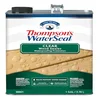
Thompson’s WaterSeal Clear Wood Sealer, 1 Gallon – $19.94
If untreated CDX will see any temporary weather exposure before it gets covered – or you’re using it somewhere pressure-treated CDX isn’t practical – a penetrating sealer is the cheapest insurance against the moisture damage covered below.
- Best for: sealing untreated CDX exposed to rain during construction, or semi-exposed uses like shed floors
- Why we picked it: a widely available, well-known sealer – not a substitute for pressure treatment, but real added protection
- Main drawback: a surface sealer only, not a substitute for pressure-treated lumber in ground contact or permanent wet conditions
As an Amazon Associate we earn from qualifying purchases.
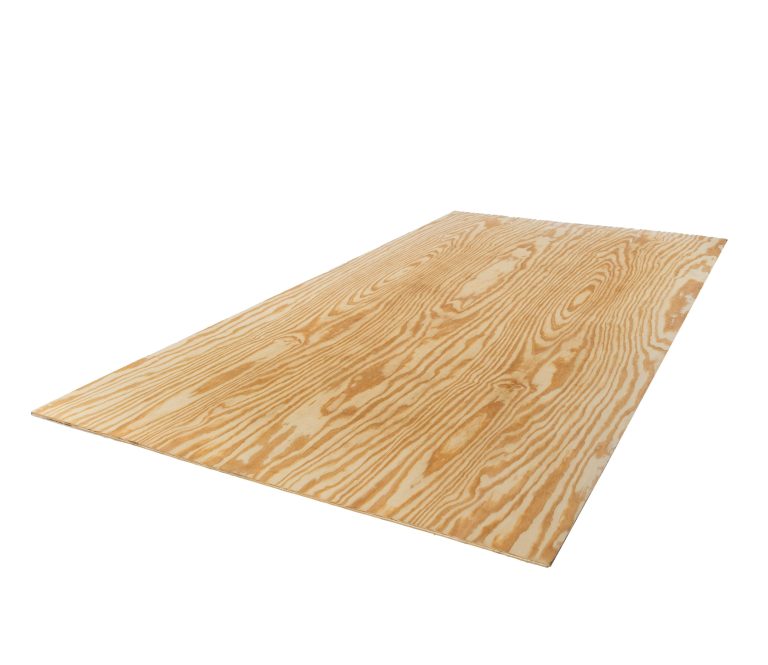
CDX is a plywood grade, not a brand or a single product. The letters describe two different things: veneer quality and glue type.
- C: the face veneer grade – structurally sound but can show knots, patches, or color variation.
- D: the back veneer grade – rougher, with more natural imperfections, since it’s not meant to stay visible.
- X: Exposure 1 glue – a moisture-resistant adhesive that survives temporary exposure during construction, not permanent weathering.
That “X” is the source of most confusion. It describes the glue bond, not the panel’s overall weather resistance – which is exactly why so many builders assume CDX is treated when it isn’t.
Common uses of CDX plywood include roof sheathing, wall sheathing, subflooring, and temporary structures – all applications where the panel gets covered by roofing, siding, or flooring before long-term weather exposure sets in.
Pressure Treated Wood Explained
Pressure-treated wood is infused with preservatives – commonly copper-based compounds like ACQ – in a sealed chamber that forces the chemical deep into the wood fibers under pressure, not just onto the surface. This is fundamentally different from Exposure 1 glue, which only protects the bond lines.
| Benefit | Description |
|---|---|
| Rot resistance | Preservatives stop fungal decay that untreated wood is vulnerable to |
| Insect resistance | Deters termites and other wood-boring pests |
| Ground-contact rated | Only pressure-treated lumber is rated for direct soil contact |
| Longer lifespan | Outlasts untreated wood by years in exposed applications |
Common Misconceptions About CDX Plywood
The most common misconception is treating “exterior grade” as a synonym for “pressure-treated” or “waterproof.” CDX is exterior-rated only in the sense that its glue survives temporary moisture – the wood itself is untreated softwood, just as vulnerable to rot as any other untreated lumber once it’s permanently wet.
CDX can be pressure-treated, but it isn’t by default. Always check the stamp on the panel itself or the product label – pressure-treated plywood is stamped with the treatment standard and chemical retention level, not just a grade stamp.
The Verdict On CDX Plywood And Pressure Treatment
CDX plywood is not naturally pressure-treated. For projects needing that extra protection, manufacturers do sell pre-treated CDX – usually stamped with an ACQ or borate retention level and an ICC-ES or similar third-party certification. Buy pressure-treated CDX specifically by name; don’t assume a standard CDX sheet has it.
Durability Factors Of CDX Plywood
Untreated CDX resists occasional moisture reasonably well thanks to its Exposure 1 glue, but repeated wetting and drying cycles will eventually delaminate the veneer layers and invite rot, especially at cut edges where the glue line is exposed.
Properly protected – covered promptly and edges sealed – untreated CDX used as sheathing can last the lifespan of the structure, often 30+ years, because it’s never actually exposed to sustained weather. Left uncovered outdoors, expect visible degradation within a few seasons.
Alternatives To CDX For Outdoor Projects
For projects with real, sustained outdoor exposure, skip untreated CDX entirely:
- Pressure-treated plywood: the direct upgrade path when you specifically need CDX’s structural properties with real rot/insect protection.
- Marine-grade plywood: void-free core, designed for constant wet conditions – overkill and expensive for most residential projects.
- Pressure-treated dimensional lumber: the standard choice for decking and fence framing rather than plywood at all.
Non-wood alternatives like composite decking or fiber-cement board avoid the moisture question entirely, at a higher material cost.
Safety Considerations With Pressure Treated Lumber
📊 CDX’s grading system (C-D Exposure 1) comes from APA – The Engineered Wood Association’s voluntary product standard PS1-95, which defines face/back veneer grades and glue-bond ratings separately from any pressure-treatment standard. Source: Plywood.cc, “CDX Grade Plywood”
Working with pressure-treated lumber requires care the plywood grading system doesn’t: wear gloves and a dust mask when cutting or sanding, wash hands after handling, and never burn treated wood – it releases toxic fumes from the preservative chemicals. Dispose of offcuts through a designated waste site rather than a regular burn pile.
Making The Right Choice For Your Project
The decision comes down to one question: will this panel ever be permanently exposed to weather or ground contact? If yes, buy pressure-treated CDX or a rated alternative by name. If the panel gets covered by siding, roofing, or flooring shortly after installation, standard CDX with its Exposure 1 glue is the right, more affordable choice.
| Plywood Type | Relative Cost | Rated For Ground Contact? |
|---|---|---|
| Standard CDX | Low | No |
| Pressure-Treated CDX | High | Check specific rating – some are, some are above-ground only |
The “X” in CDX only certifies the glue bond survives Exposure 1 conditions during construction – it says nothing about the wood itself resisting rot once the panel is permanently wet, which is exactly the distinction that leads builders to assume more protection than the grade actually provides.
Frequently Asked Questions
Is CDX Plywood Treated For Outdoor Use?
No, not by default. CDX’s “X” means the glue is Exposure 1 rated, not that the wood is pressure-treated. For sustained outdoor exposure or ground contact, buy pressure-treated CDX specifically, or seal standard CDX and keep it covered.
What Is The Difference Between CDX And Pressure-Treated Plywood?
CDX describes veneer grade (C face, D back) and glue type (Exposure 1) – it’s a construction grade, not a chemical treatment. Pressure-treated plywood has preservative chemicals forced into the wood fibers under pressure, specifically to resist decay and insects in exposed or ground-contact use.
How Long Does Pressure Treatment Last On Plywood?
Pressure-treated plywood typically lasts 20-40 years with proper installation and occasional resealing. Moisture exposure, soil contact, and climate all affect actual lifespan – ground-contact applications wear faster than above-ground uses.
Can I Paint CDX Plywood?
Yes. Sand the surface smooth, remove debris, and apply an exterior-rated primer before painting. This protects the plywood from moisture and gives paint something to grip, since raw CDX face veneer can be uneven.
Conclusion
CDX is a construction grade defined by veneer quality and glue type, not a pressure-treatment standard – the “X” refers to Exposure 1 glue, which handles temporary moisture during construction, not permanent weather exposure. For sheathing that gets covered promptly, standard CDX is the right, economical choice. For anything with sustained outdoor exposure or ground contact, buy pressure-treated CDX by name or switch to a rated alternative.
Sponsored / affiliate links. As an Amazon Associate I earn from qualifying purchases. I may earn additional commission from eligible campaigns.