PVC Deck Boards at Home Depot: Prices, Pros & Cons Inside
PVC deck boards offer a low-maintenance, durable alternative to traditional wood. They resist rot, insects, and fading, often coming with long warranties. While the upfront cost might be higher, their longevity and minimal upkeep can provide significant long-term value for homeowners.
Understanding PVC Deck Boards
So, what exactly are PVC deck boards? PVC stands for polyvinyl chloride. It’s a type of plastic.
These boards are made entirely from this plastic material. Think of it like a very strong, very stable form of plastic. They are designed to look like wood.
But they don’t have any actual wood in them. This is a big difference from composite decks. Composite decks are a mix of wood fibers and plastic.
For a side-by-side look at how PVC pricing compares to pressure-treated wood and composite at Home Depot, see our full Home Depot decking materials comparison.
Protect the Surface From Day One
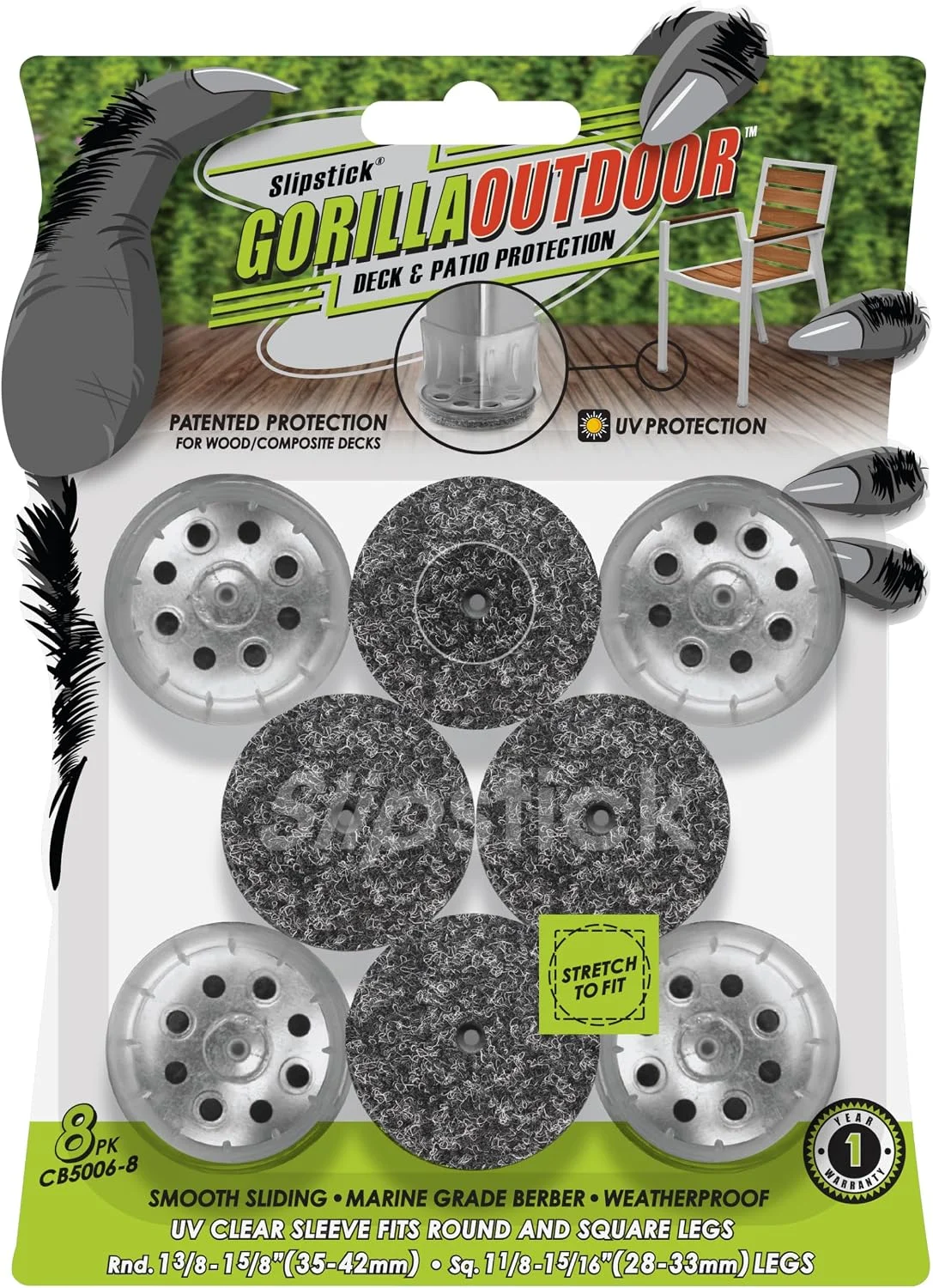 |
Slipstick GorillaOutdoor Furniture Feet Pads (8-Pack) – $19.99 A dragged chair or table leg is the most common way a PVC deck’s uniform color gets a visible scratch — these prevent it.
|
PVC decks are pure plastic.
This pure plastic makeup gives PVC decks some unique features. They are incredibly resistant to moisture. This means they won’t rot or warp like wood can.
They also don’t invite insects like termites or carpenter ants. Mold and mildew also have a very tough time growing on PVC. This makes them a popular choice for people who want a deck that lasts.
They want a deck that doesn’t need constant work.
The way these boards are made is also pretty interesting. They often have a core made of expanded PVC. This makes them lighter.
It also adds to their insulation properties. Then, they have a tough outer shell. This shell is usually embossed with a wood-grain pattern.
It’s also coated to protect against UV rays. This coating helps keep the color from fading in the sun. The result is a board that’s strong, looks good, and is built to last.
The Core Difference: PVC vs. Composite
PVC Decks:
- 100% plastic (polyvinyl chloride).
- Extremely resistant to moisture, rot, and insects.
- Often lighter due to an expanded PVC core.
- Can sometimes be more prone to scratching than higher-end composites.
Composite Decks:
- Mix of wood fibers and plastic (e.g., polyethylene, polypropylene).
- Good resistance to rot and insects.
- Can be heavier and denser.
- Surface quality can vary greatly by brand and price point.
The main reason people consider PVC is the promise of easy maintenance. Wood decks need regular staining or sealing. This can be a weekend-consuming chore.
They also can splinter. They might crack. PVC avoids most of these issues.
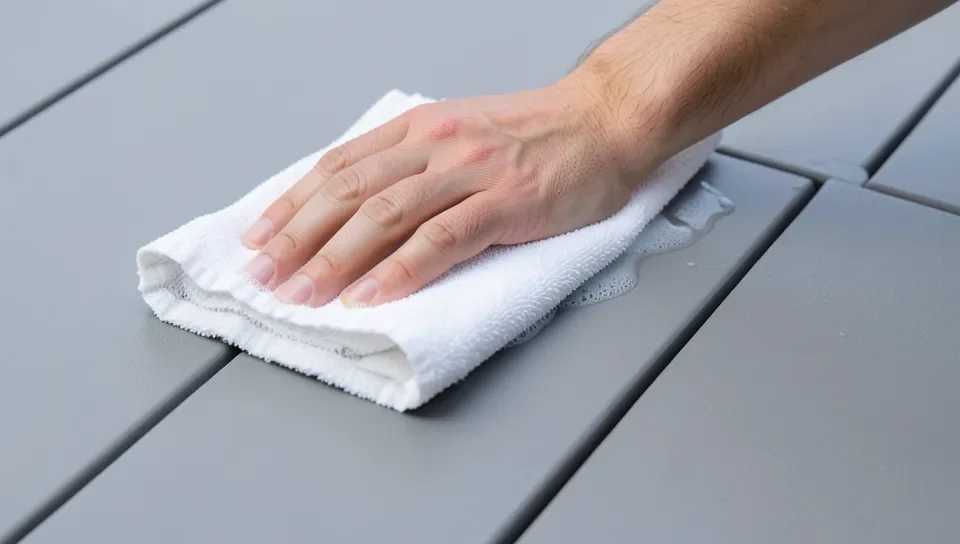
You don’t need to stain or seal PVC boards. Cleaning is usually just a simple wash with soap and water. This lack of hassle is a huge selling point for busy homeowners.
PVC Deck Boards at Home Depot: What to Expect
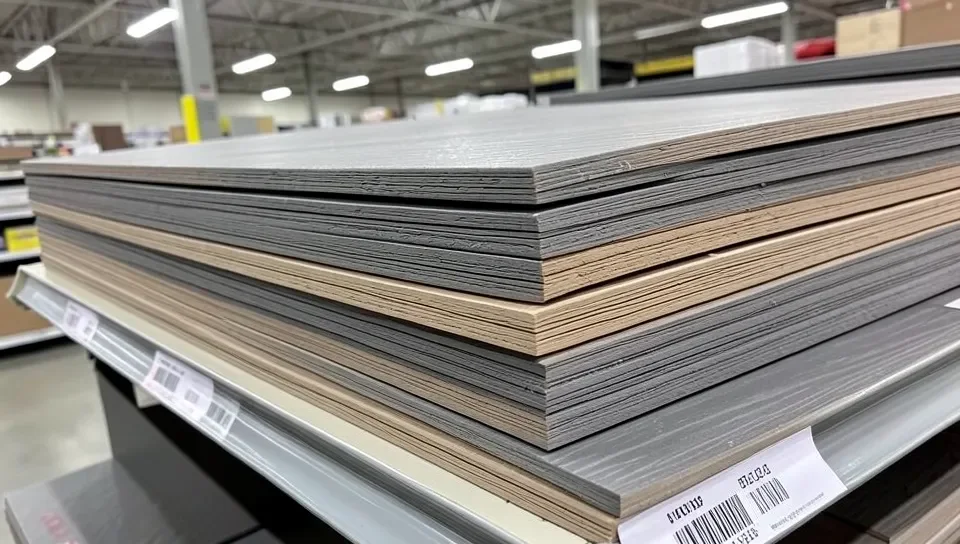
Home Depot is a go-to spot for many DIYers and homeowners. They carry a range of deck building materials. When you go to Home Depot for PVC deck boards, you’ll find several brands.
Each brand might offer different styles, colors, and price points. It’s important to know that not all PVC deck boards are created equal. The quality can vary.
You’ll typically see brands that focus on durability and aesthetics. Some might have very realistic wood grain. Others might offer modern, solid colors.
The prices can differ quite a bit. You might see options ranging from around $3 to $6 per linear foot. This can add up quickly for a whole deck.
It’s helpful to have a rough idea of your deck’s square footage. Then you can estimate the total cost.
When you’re looking at Home Depot, pay attention to the product details. Look for information about the warranty. Most good PVC deck boards come with a 25-year or even a 50-year limited warranty.
This is a good indicator of the manufacturer’s confidence in their product. Also, check for features like UV protection and stain resistance. These details matter for how your deck will look and perform over time.
Quick Scan: Average PVC Deck Board Prices at Home Depot (Per Linear Foot)
Entry-Level PVC: $3.00 – $4.50
Mid-Range PVC: $4.50 – $5.50
Premium PVC: $5.50 – $7.00+
Note: Prices are estimates and can vary by brand, color, and current sales. Always check current pricing at Home Depot.
It’s also worth checking if the specific PVC boards you are looking at are offered in a “hidden fastener” system. This means the screws or clips that hold the boards down aren’t visible on the surface. This gives the deck a very clean, smooth look.
It’s a small detail, but it makes a big difference in the finished appearance. Many higher-end PVC decks use this system. It’s something to ask about or look for in the product descriptions.
The Pros of PVC Deck Boards
Let’s dive into why PVC deck boards have become so popular. The benefits are pretty compelling for many homeowners. They address common frustrations with traditional decks.
Understanding these advantages will help you see if PVC is the right fit for your home and lifestyle.
Unmatched Durability and Longevity
The biggest pro is how long PVC decks last. They are incredibly tough. Unlike wood, they don’t suffer from moisture damage.
This means no rotting, no warping, and no cracking due to rain or humidity. They also resist the ravages of insects. Termites and carpenter ants simply can’t eat plastic.
This significantly reduces the risk of structural damage that can plague wood decks over time.
Compared to a wood deck that might need replacing or major repairs after that same amount of time, PVC really shines in its staying power.
Low Maintenance Lifestyle
This is a huge draw for many people. Wood decks require constant upkeep. You need to clean them, sand them, stain them, or seal them.
This can cost money and take up your valuable weekend time. With PVC, most of that work is gone. Cleaning is simple.
You can sweep off debris. For dirtier spots, a hose and some mild soap usually do the trick. No harsh chemicals or scraping needed.
Think about it: no more dreading the spring deck staining project. No more worrying about splinters from dry, cracked wood. It’s a set-it-and-forget-it kind of material.
This freedom from constant maintenance is a major reason why people choose PVC, even with the higher initial price.
Maintenance Comparison: PVC vs. Wood
PVC Decking:
- Cleaning: Simple soap and water wash.
- Sealing/Staining: Never needed.
- Resurfacing: Not required.
- Common Issues: Can be scratched or dented by sharp objects.
Wood Decking:
- Cleaning: Regular washing, sometimes power washing.
- Sealing/Staining: Every 1-3 years.
- Resurfacing: Sanding may be needed.
- Common Issues: Rot, warp, splinter, crack, fade, insect damage.
Color and Style Variety
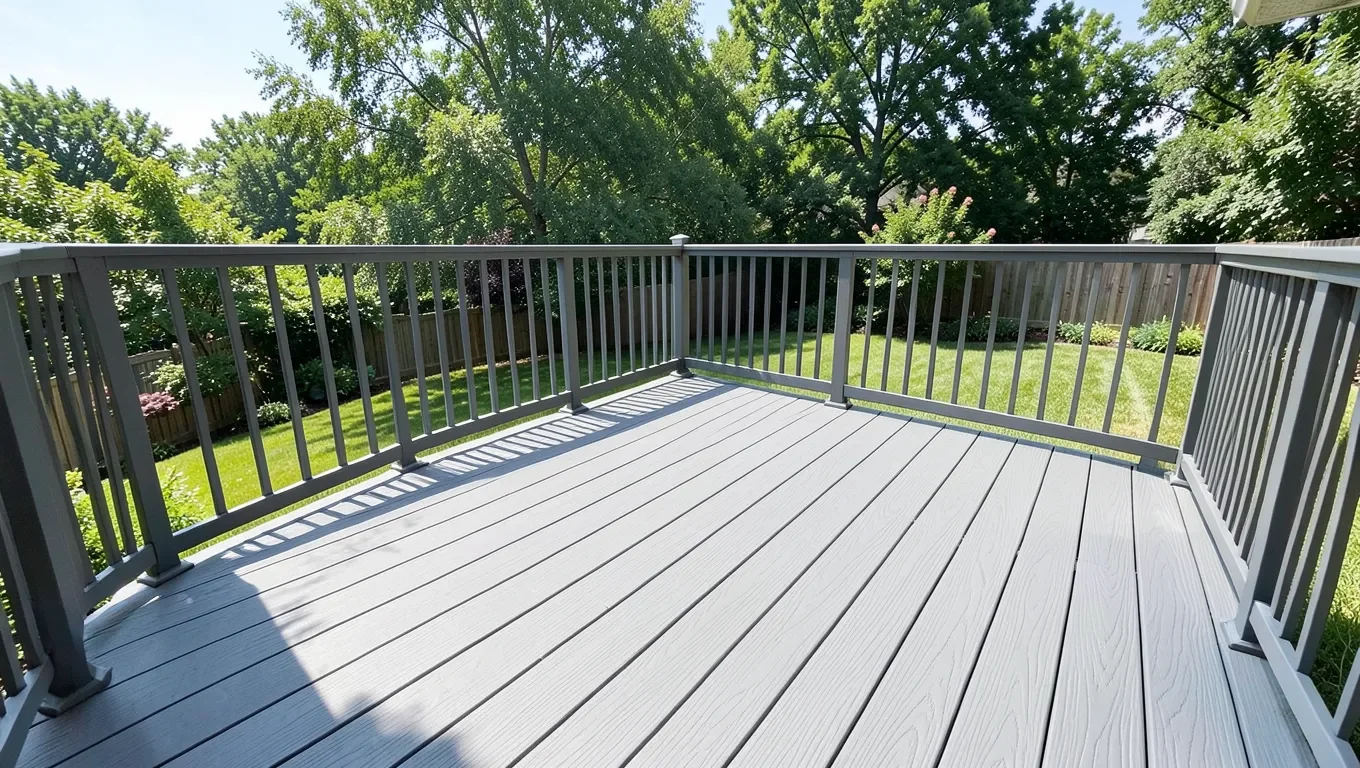
PVC deck boards come in a wide array of colors and styles. You can find options that mimic the look of natural wood, from light pine to rich mahogany. There are also solid, modern colors like grays, blacks, and whites.
Many PVC boards have a realistic wood grain texture. This helps them look attractive and feel more natural underfoot.
The color is not just a surface layer. It’s usually integral to the material. This means scratches are less noticeable.
And the color is less likely to fade compared to painted wood. Brands are constantly improving their aesthetics. You can find PVC that looks very convincing.
It’s hard to tell the difference from a distance.
Environmental Resistance
Beyond rot and insects, PVC is great at resisting the elements. It doesn’t swell or shrink much with temperature changes. This means your deck stays stable.
It won’t buckle or warp due to heat or cold. It’s also resistant to mold and mildew. This is especially useful in humid climates or shady areas where mold can thrive on wood.
The UV protection built into many PVC boards is also a big plus. It helps prevent the boards from degrading or fading due to constant sun exposure. This keeps your deck looking good for years.
It’s a material designed to withstand the outdoor environment without constant worry.
Quick Insight: Environmental Benefits of PVC
Moisture: Resists rot, warp, and mildew like nothing else.
Insects: Termites and ants can’t chew through it.
Sunlight: UV inhibitors help prevent fading and degradation.
Temperature: Stays stable, with minimal expansion/contraction.
Safety Features
Many PVC deck boards offer enhanced safety features. Some are designed to be slip-resistant. This is a critical feature, especially if you have kids or older adults using your deck.
The textured surfaces can provide better traction, even when wet. They also don’t splinter like wood. This means no more painful splinters when walking barefoot.
Some PVC boards also have a cooler surface temperature than traditional wood or even some composite decks. This can make a big difference on hot summer days. You won’t have to worry as much about your deck becoming too hot to walk on.
This adds to the overall comfort and safety of your outdoor space.
The Cons of PVC Deck Boards
No material is perfect. While PVC has many great advantages, there are some downsides to consider. Being aware of these potential drawbacks will help you make a fully informed decision.
Higher Upfront Cost
This is often the biggest hurdle for homeowners. PVC deck boards generally cost more per linear foot than standard pressure-treated lumber. Even when compared to some composite options, premium PVC can be pricier.
This means the initial investment for a PVC deck can be significantly higher.
For a large deck, this difference in cost can be thousands of dollars. It’s important to weigh this upfront cost against the long-term savings in maintenance and potential repair costs. For some, the peace of mind and time saved make it worth it.
For others, the budget might be a stricter constraint.
Cost Comparison: Entry Point
Pressure-Treated Pine: Typically the most affordable ($1 – $3 per linear foot).
Cedar/Redwood: Mid-range to high ($3 – $7+ per linear foot).
Composite Decking: Mid-range to premium ($4 – $8+ per linear foot).
PVC Decking: Mid-range to premium ($3 – $7+ per linear foot).
Note: These are general ranges and exclude fasteners and labor. PVC can be comparable to higher-end composites.
Potential for Scratches and Dents
While PVC is durable, it’s not indestructible. The outer shell can be scratched by sharp objects. Dropping tools, dragging heavy furniture without pads, or even a pet’s claws can potentially leave marks.
Dents can also occur from heavy impacts.
This is a bit different from wood. Wood might get gouged, but it often blends in more. Scratches on PVC can be more noticeable against the uniform color and pattern.
Some premium PVC boards have harder shells to resist this. But it’s still something to be mindful of, especially in high-traffic areas.
A metal chair or table leg dragged across a PVC board leaves a visible scratch quickly, since the color is uniform and any mark stands out against it. Felt or rubber pads on furniture legs prevent most of this damage and are worth adding before the first scratch happens, not after.
Can Get Hot
While some PVC boards are engineered to stay cooler, many can still get quite warm in direct sunlight. Especially darker colors. If your deck gets a lot of sun, especially during the hottest parts of the day, it might become uncomfortable to walk on barefoot.
This is similar to many composite decks.
This is where choosing lighter colors and looking for boards with specific heat-reducing technology becomes important. If you live in a very hot climate, this is a factor to seriously consider. You might want to test samples in the sun to feel how hot they get.
Heat Management Tips
Color Choice: Lighter colors absorb less heat.
Ventilation: Ensure good airflow under the deck.
Shade: Use umbrellas, pergolas, or plant trees.
Specific Technology: Look for brands advertising “cool-touch” or heat-reflective features.
Environmental Concerns (Manufacturing & Disposal)
PVC production involves chlorine. There are environmental concerns related to the manufacturing process and the disposal of PVC products. While many manufacturers are working to improve their processes and offer recycling programs, it’s a point of consideration for those focused on sustainability.
When PVC decks reach the end of their life (which is often decades away), proper disposal is important. Some recycling programs exist, but they might not be readily available everywhere. This is an area where innovation is ongoing.
It’s worth researching the manufacturer’s stance on sustainability.
Limited Repair Options
If a PVC board gets significantly damaged (a deep gouge, a crack from extreme impact), repairing it can be difficult. Unlike wood, you can’t simply sand down a scratch or patch a small hole. Replacing an entire board might be necessary.
This is why buying a few extra boards when you build your deck is a good idea. If a board needs replacing down the line, you’ll have a perfect color and style match. Trying to match an older PVC board perfectly can be challenging due to fading or changes in product lines.
Real-World Context and Scenarios
Let’s talk about where PVC deck boards truly shine. These are the situations and environments where their benefits really become clear. Think about your own backyard and see if these scenarios sound familiar.
Coastal and Humid Climates
If you live near the coast or in a region with high humidity, PVC is a fantastic choice. Salt spray can degrade wood quickly. High humidity breeds mold and mildew.
PVC decks are not affected by salt. They resist mold and mildew growth exceptionally well. This means less worry about structural damage and a deck that stays looking cleaner longer.
Busy Families with Kids and Pets
For families who want a backyard that’s easy to enjoy, PVC is a lifesaver. Kids playing, pets running around – these activities can be tough on a deck. The splinter-free nature of PVC is a huge win for safety.
The easy-to-clean surface means spills and messes are no problem. You can spend more time playing and less time cleaning or worrying about repairs.
Imagine a cookout. Kids are running around with juice boxes. The dog might track in mud.
With a PVC deck, you can just wipe it up. You don’t have to panic about permanent stains or damage. It’s a practical choice for a busy household that wants to maximize their outdoor living space without the constant upkeep.
Scenario Snapshot: The Active Family Backyard
Challenge: Frequent spills, muddy paws, active kids.
PVC Solution: Easy to clean, scratch-resistant (mostly), splinter-free, no rot from pet accidents.
Outcome: More playtime, less cleaning stress, safer environment.
Homeowners Seeking Minimal Maintenance
If your idea of a perfect weekend doesn’t involve sanding and staining, PVC is for you. It’s for the person who wants a beautiful deck but has limited time or inclination for upkeep. The “set it and forget it” aspect is the main selling point.
You get the look of a wood deck without the demanding maintenance schedule.
This is the kind of homeowner who invests in quality for peace of mind. They might pay more upfront, but they value the time and energy they save over the years. It’s about enjoying their home and their outdoor space more fully.
The reduced workload is the real luxury here.
Modern and Sleek Designs
Many PVC deck boards come in contemporary colors and finishes. This makes them ideal for modern homes or for homeowners looking to update their property with a sleek, clean aesthetic. The hidden fastener systems create a smooth, uncluttered surface.
This contributes to a high-end look that can significantly boost curb appeal.
You can find PVC boards in sophisticated shades of gray, charcoal, and even pure white. These colors are often harder to achieve and maintain with wood. They offer a different style that many homeowners are seeking.
It’s a way to achieve a custom look without the custom price tag of some exotic hardwoods.
Aesthetic Options: Beyond Wood Grain
Solid Colors: Modern grays, blacks, whites, and earth tones.
Texture: Realistic wood grain or smooth finishes.
Fastening Systems: Hidden fasteners for a clean, screw-free surface.
Board Profiles: Options for different edge styles and widths.
What This Means for You: When is PVC Right?
So, after looking at all the pros and cons, when should you actually consider PVC deck boards for your home? It really comes down to your priorities, your lifestyle, and your budget. Let’s break it down.
When It’s a Great Fit
PVC is an excellent choice if you:
- Prioritize low maintenance above all else. You hate staining and sealing.
- Live in a humid or coastal climate. You need strong resistance to moisture and salt.
- Have a busy family with kids and pets. You need a durable, safe, and easy-to-clean surface.
- Want a long-lasting deck. You’re willing to pay more upfront for decades of performance.
- Desire a modern, clean aesthetic. You like sleek designs and solid color options.
- Are building a new deck or replacing an old one entirely. This is when you can get the most value.
When to Be Cautious
You might want to reconsider or explore other options if you:
- Are on a very strict budget. The upfront cost of PVC can be a barrier.
- Are looking for the most eco-friendly material possible. While improving, PVC has environmental considerations.
- Need to match an existing deck perfectly. Replacing a few boards might be hard to color-match later.
- Are rough on your deck surface. Constant dragging of heavy, sharp objects without protection could cause issues.
- Live in an extreme heat zone and prefer not to deal with potentially warm surfaces. Even with cool-touch technology, some heat is absorbed.
Decision Tree: Is PVC Your Deck Material?
Step 1: Budget Check. Can you afford the upfront cost compared to wood?
Step 2: Maintenance Goal. Do you want minimal upkeep?
Step 3: Climate & Usage. Is your area humid? Do you have kids/pets?
Step 4: Aesthetic. Do you prefer modern or rustic looks?
If Yes to 1, 2, and at least one of 3 or 4: PVC is likely a great choice!
If No to 1 or 2: Explore wood or composite alternatives.
Quick Fixes & Tips for PVC Decking
While PVC decking is low-maintenance, a few simple tips can help keep it looking its best and ensure you get the most out of your investment.
Regular Cleaning is Key
Even though it’s low maintenance, a quick sweep or rinse every so often makes a difference. This prevents dirt and pollen from building up. It also helps remove any potential stains before they set.
A gentle scrub with mild soap and water is usually all you need for tougher spots.
Protect Against Scratches
Use furniture pads on the legs of chairs and tables. Be careful when moving heavy items. If you use a grill, consider a mat underneath it to catch any grease or hot coals that might fall.
These simple precautions will help maintain the pristine look of your PVC deck.
Maintenance Checklist
Monthly: Sweep debris, hose down if needed.
Seasonally (Spring/Fall): Gentle soap and water wash for deeper cleaning.
As Needed: Address spills immediately. Use furniture pads.
Avoid: Harsh chemicals, abrasive cleaners, metal brushes.
Beware of Certain Chemicals
While PVC is resistant, avoid using harsh cleaning chemicals. Things like bleach or strong degreasers can potentially damage the surface or fade the color over time. Stick to mild soap and water.
For stubborn stains, check the manufacturer’s recommendations for safe cleaning agents.
Consider Light Colors in Hot Climates
If you live in a very hot region, opting for lighter colored PVC boards can make a noticeable difference in how warm the surface gets. Some brands also offer specific “cool touch” technologies that reflect more sunlight.
Always Keep Manufacturer Instructions Handy
Each brand and product line might have specific cleaning and maintenance recommendations. Keeping the manufacturer’s guide accessible will ensure you’re caring for your deck correctly and maintaining its warranty. They are the experts on their own product.
Frequently Asked Questions About PVC Deck Boards
Are PVC deck boards more expensive than wood?
Yes, PVC deck boards generally have a higher upfront cost per linear foot than basic pressure-treated lumber. However, their longevity and minimal maintenance can make them more cost-effective over the lifetime of the deck.
Do PVC deck boards fade in the sun?
Most quality PVC deck boards are designed with UV inhibitors to resist fading. While some slight color change might occur over many years, they are generally much more fade-resistant than stained wood.
Can PVC deck boards get hot?
Yes, like most decking materials, PVC can get warm in direct sunlight, especially darker colors. Some brands offer heat-reflective technology to help mitigate this. Choosing lighter colors can also help.
Are PVC deck boards slippery when wet?
This varies by brand and surface texture. Many PVC deck boards are designed with slip-resistant textures to provide good traction, even when wet. It’s advisable to check product specifications or look for textured options.
How long do PVC deck boards last?
PVC deck boards are known for their durability and can last 25-50 years or even longer, often backed by similar warranties. Their resistance to rot, insects, and moisture contributes to their long lifespan.
Can PVC deck boards be scratched?
Yes, PVC deck boards can be scratched or dented by sharp objects or heavy impacts, similar to other decking materials. Using furniture pads and being careful with heavy items can help prevent damage.
Is PVC decking better than composite decking?
It depends on your priorities. PVC is 100% plastic, offering superior moisture and rot resistance. Composite decking is a mix of wood fibers and plastic, which some find offers a more natural wood look and feel.
Both are low-maintenance options.
Conclusion
PVC deck boards offer a compelling solution for homeowners seeking a beautiful, durable, and low-maintenance outdoor living space. While the initial investment might be higher than traditional wood, the long-term benefits in terms of longevity, resistance to the elements, and minimal upkeep often make them a wise choice. By understanding the pros, cons, and real-world applications, you can confidently decide if PVC is the right material to transform your backyard into the oasis you’ve always dreamed of.
Sponsored / affiliate links. As an Amazon Associate I earn from qualifying purchases. I may earn additional commission from eligible campaigns.