Is Hardwood Flooring Waterproof: Truths Every Homeowner Must Know
Are you wondering if hardwood flooring can handle spills and moisture without damage? You’ve probably heard mixed answers, and it’s confusing to know what’s true.
Your home deserves flooring that looks great and stands up to everyday life. You’ll discover the real facts about hardwood flooring and water. By the end, you’ll know exactly how to protect your floors and whether hardwood is the right choice for your space.
Keep reading to find out what every homeowner needs to know!
Hardwood Flooring Basics
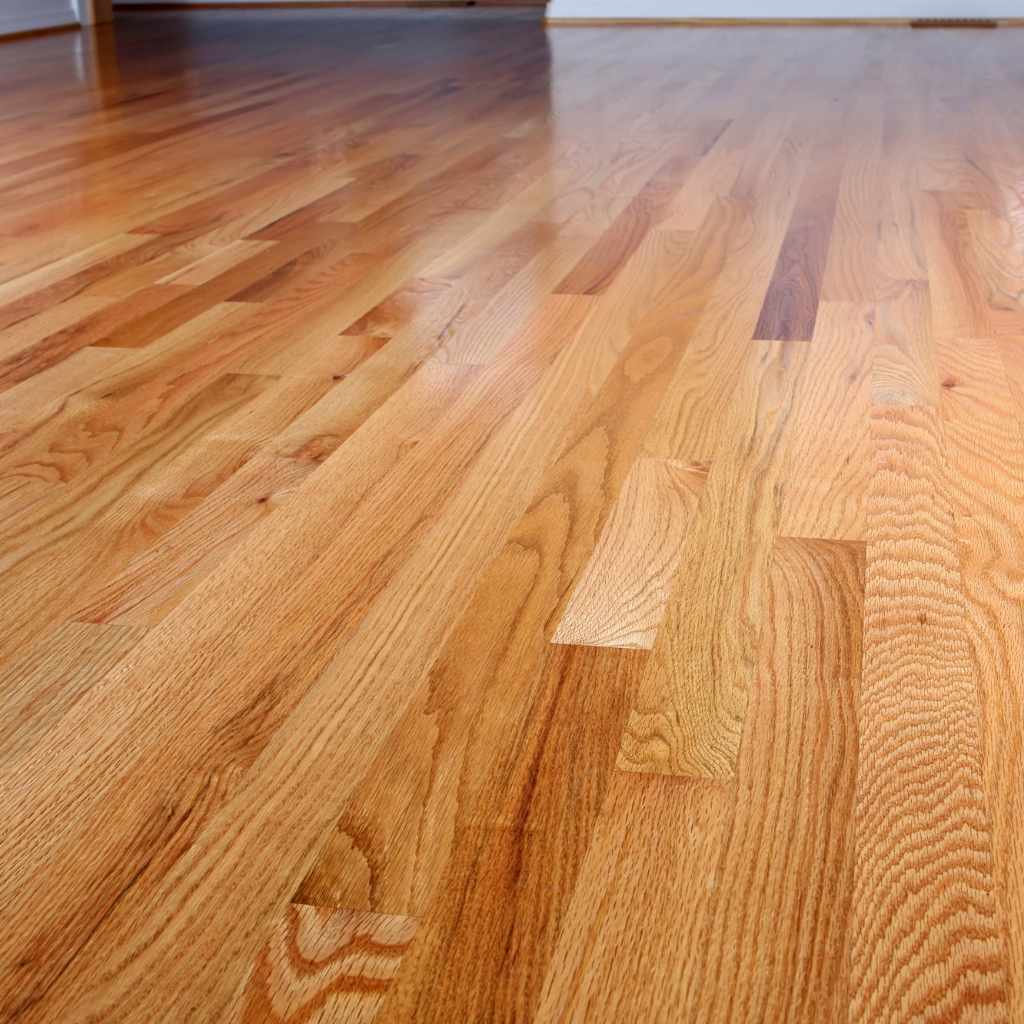
Hardwood flooring adds beauty and warmth to any home. It is a popular choice for many rooms. Understanding its basics helps you make the right decision. This section covers key points about hardwood floors and their relationship with water.
Types Of Hardwood
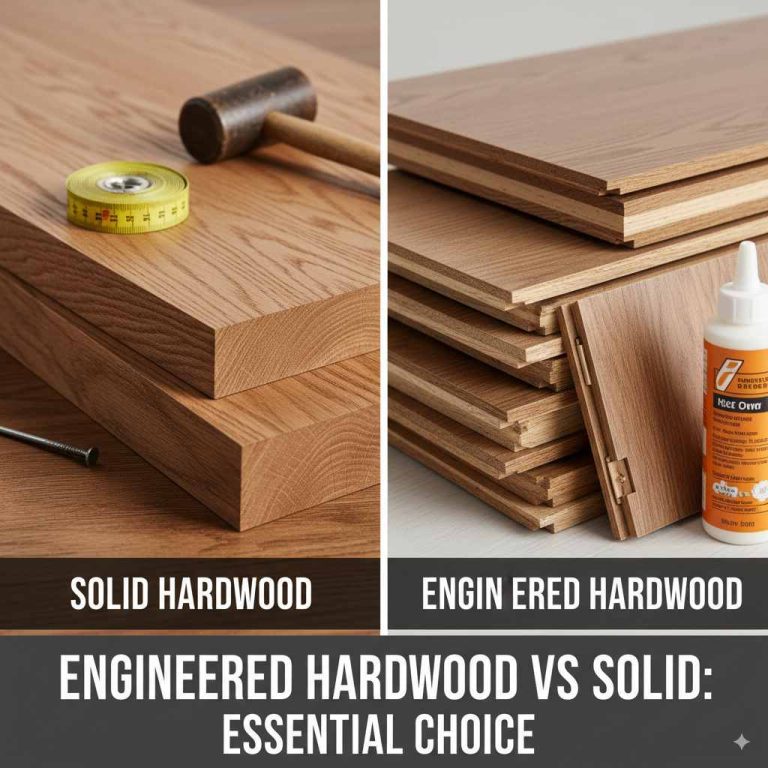
There are two main types of hardwood flooring: solid and engineered. Solid hardwood comes from a single piece of wood. It is thick and can be sanded many times. Engineered hardwood has layers of wood glued together. The top layer is real wood, while the bottom layers add stability. Each type has different strengths and weaknesses.
Common hardwood species include oak, maple, and walnut. Oak is strong and durable. Maple is hard and has a smooth look. Walnut is softer but has rich color. Choosing the right type depends on your style and needs.
How Hardwood Reacts To Moisture
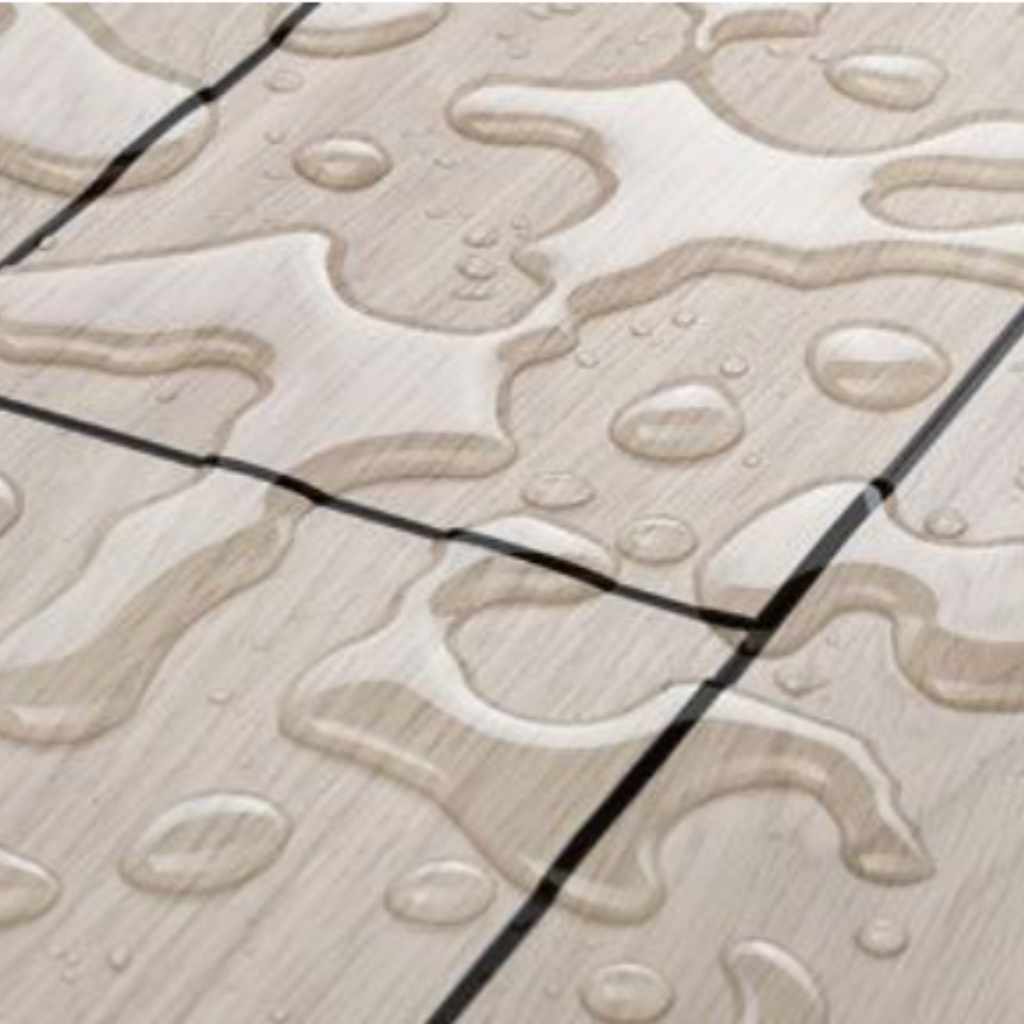
Hardwood is not fully waterproof. It can absorb water and change shape. This causes the wood to swell, warp, or cup. Moisture can also lead to mold and damage under the surface. Solid hardwood is more sensitive to moisture than engineered hardwood.
Engineered hardwood handles moisture better due to its layered design. It resists warping and shrinking more than solid wood. Still, no hardwood is completely safe from water damage. Proper care and quick cleanup of spills are essential to protect hardwood floors.
Water Resistance Vs Waterproof
Understanding the difference between water resistance and waterproof is key for hardwood flooring. Many people assume hardwood can handle water well. The truth is more complex. Water resistance means the floor can resist some water but not all. Waterproof means no water can damage the floor at all. Knowing this helps set proper expectations for hardwood floors.
Common Misconceptions
Many think hardwood floors are waterproof by nature. This is not true. Hardwood is a natural material and can absorb water. Water can cause warping, swelling, and damage over time. Some finishes add a layer of protection. This only makes floors water resistant, not fully waterproof. Small spills can be cleaned up quickly. Long exposure to water will still harm hardwood floors.
Factors Affecting Waterproofing
Type of wood affects water resistance. Some hardwoods absorb water faster than others. The finish used on floors adds protection. Polyurethane finishes create a water-resistant layer. Oil-based finishes may repel water better than water-based ones. Installation methods matter too. Proper sealing between planks reduces water seepage. Room conditions like humidity and temperature also play a role. Hardwood floors in bathrooms or kitchens need extra care.
Effects Of Water On Hardwood
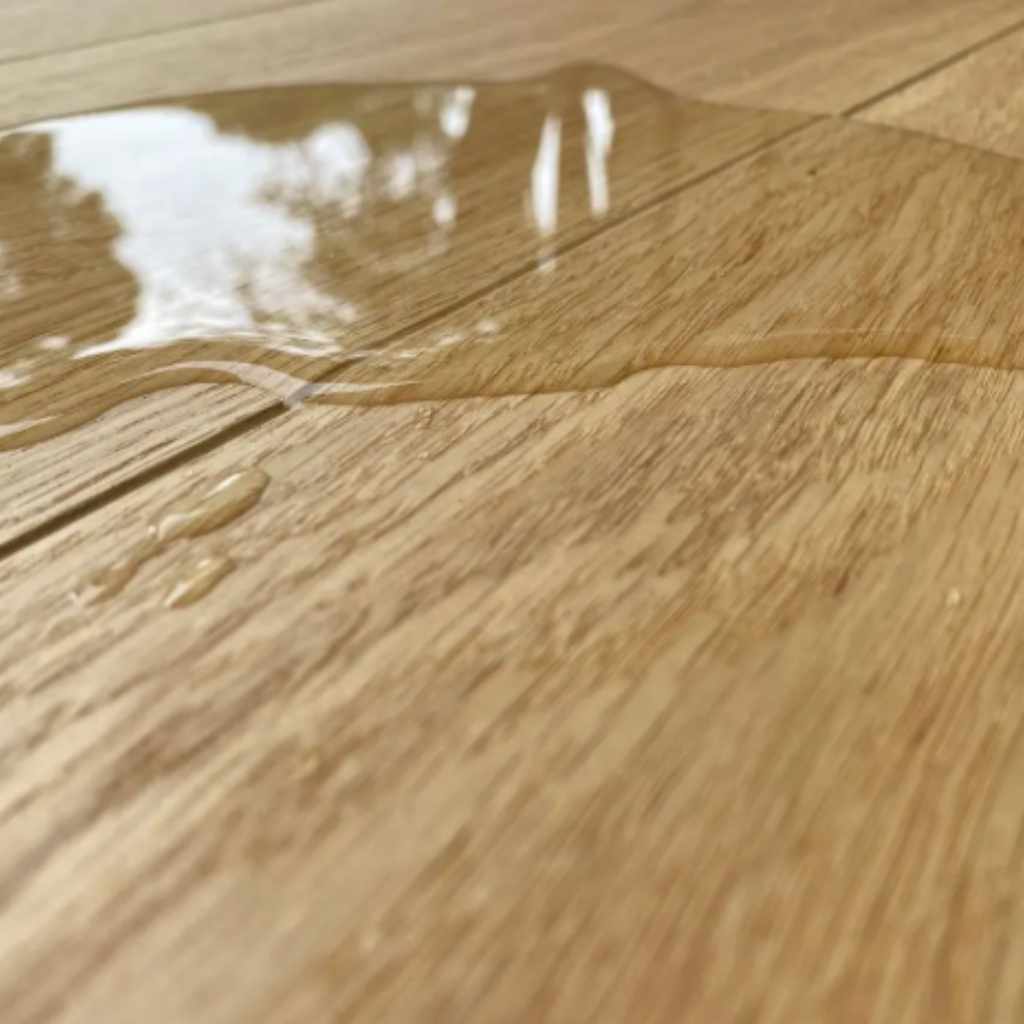
Water and hardwood do not mix well. Hardwood flooring looks beautiful but reacts badly to moisture. Water can harm hardwood in many ways. Understanding these effects helps you protect your floors better. The damage might take time to show but can be costly to fix.
Swelling And Warping
Hardwood absorbs water from spills or humidity. This causes the wood to swell and expand. The boards can bend or warp out of shape. Warping creates uneven surfaces and gaps between planks. It may also cause creaking sounds underfoot. Long exposure to water worsens this problem.
Staining And Discoloration
Water leaves marks on hardwood floors. These stains often look dark or blotchy. The wood’s finish can fade or peel due to moisture. Once stained, hardwood loses its natural beauty. Cleaning stains can be difficult and might require sanding. Protecting floors from water stops these ugly spots.
Mold And Mildew Risks
Moisture trapped in hardwood invites mold and mildew growth. These fungi damage the wood fibers and finish. Mold also creates a bad smell in the room. It can cause health problems for sensitive people. Removing mold needs professional cleaning and repairs. Keeping floors dry prevents mold from growing.
Protecting Hardwood Floors
Hardwood floors add beauty to any home. They require care to stay strong and look good. Protecting hardwood floors helps stop water damage and stains. Small steps can keep floors safe from spills and moisture. Proper care extends the life of hardwood and keeps them shining.
Sealing And Finishing Options
Sealing hardwood floors creates a strong barrier against water. Polyurethane is a common finish that protects wood well. Oil-based finishes soak into the wood and offer good protection. Water-based finishes dry faster and have less odor. Regularly reapplying finish keeps floors sealed and safe. Choose a finish that fits your lifestyle and floor use.
Preventive Measures For Spills
Wipe up spills quickly to avoid water damage. Use rugs in high-risk areas like kitchens and entryways. Place mats under plants to catch water leaks. Avoid wet shoes on hardwood floors. Use coasters under drinks to stop rings and stains. These small actions stop moisture from reaching the wood.
Proper Cleaning Techniques
Clean hardwood floors with a soft broom or vacuum. Avoid using a wet mop, which can cause warping. Use a damp mop with a cleaner made for hardwood. Dry floors immediately after cleaning to prevent water damage. Avoid harsh chemicals that strip the floor’s finish. Regular, gentle cleaning keeps floors healthy and beautiful.
Alternatives For Wet Areas
Hardwood flooring is beautiful but not ideal for wet areas. Water can cause damage like warping and swelling. Choosing the right flooring for bathrooms and kitchens is important. Many alternatives offer water resistance and durability. These options protect your floors and maintain style.
Waterproof Flooring Options
Vinyl plank flooring is a popular waterproof choice. It looks like wood but handles moisture well. Luxury vinyl tiles also resist water and are easy to clean. Porcelain and ceramic tiles offer excellent water resistance. They come in many designs and textures. Laminate flooring with a waterproof core is another option. It blends durability with a wood-like look.
Best Choices For Bathrooms And Kitchens
Vinyl planks work great in kitchens and bathrooms. They handle spills and humidity without damage. Porcelain tiles are perfect for wet floors. They stay strong and safe under water. Waterproof laminate can also be used with care. Avoid standing water to keep it intact. These choices combine function with style in wet areas.
Maintenance Tips For Longevity
Hardwood flooring adds beauty to any room but needs care to last long. Proper maintenance keeps it strong and looking great. Small actions every day protect your floors from damage and water problems. Follow these tips to keep your hardwood floors healthy for years.
Routine Inspections
Check your floors regularly for scratches, cracks, or water spots. Early signs of damage can be fixed before they grow worse. Walk through each room slowly and look closely at corners and edges. Use a flashlight to spot hidden issues under furniture or rugs. Routine checks help catch problems early and save money on repairs.
Repairing Water Damage
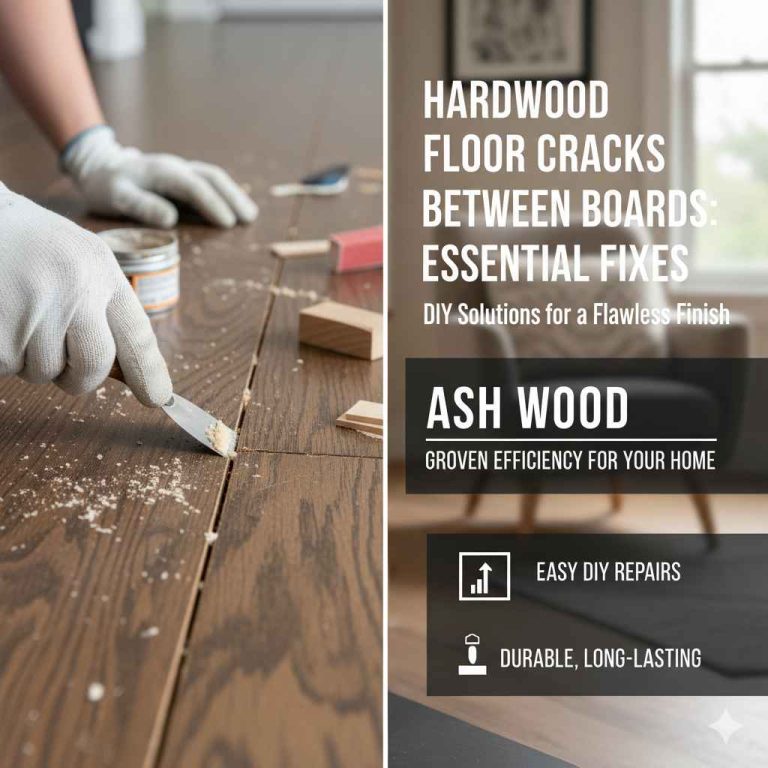
Water can harm hardwood floors quickly. If you see stains or warping, act fast. Dry the area with a soft cloth and a fan to remove moisture. Avoid using harsh chemicals that can strip the finish. For deep damage, sanding and refinishing may be needed. Small repairs stop water damage from spreading and keep floors strong.
Frequently Asked Questions
Is Hardwood Flooring Completely Waterproof?
No, hardwood flooring is not completely waterproof. It resists moisture to some extent but can warp or swell if exposed to excess water.
Can Hardwood Flooring Handle Spills And Moisture?
Hardwood flooring can handle small spills if cleaned quickly. Prolonged exposure to moisture can damage the wood and finish.
How To Protect Hardwood Flooring From Water Damage?
Use sealants and finishes to add water resistance. Clean spills immediately and avoid wet mopping to protect hardwood floors.
Are Engineered Hardwood Floors More Waterproof?
Engineered hardwood floors have better moisture resistance than solid hardwood. They are more stable but still not fully waterproof.
Conclusion
Hardwood flooring is not fully waterproof. Water can damage wood over time. Spills should be cleaned up quickly. Some hardwoods resist moisture better than others. Consider engineered wood for better water resistance. Proper sealing helps protect the floor from water.
Avoid standing water on hardwood surfaces. Regular care keeps floors looking good longer. Choose flooring that fits your home’s needs. Protect your investment with simple maintenance steps.