Is It Safe to Burn Wood with Fungus? A Simple Guide
Yes, wood with fungus can be burned in most cases, but the safety of it depends entirely on which type of fungus you’re dealing with and how far the decay has progressed. Surface mold on otherwise sound, dry firewood is a minor irritant, not a real hazard, once the wood is burned hot and cleanly. Wood-decay fungi that have eaten deep into the log are a different story: they change the wood’s structure and chemistry, produce more smoke and creosote, and are worth avoiding for both burn quality and health reasons.
The Three Types Of Fungus You’ll Actually Find On Firewood
Best Firewood Moisture Meter
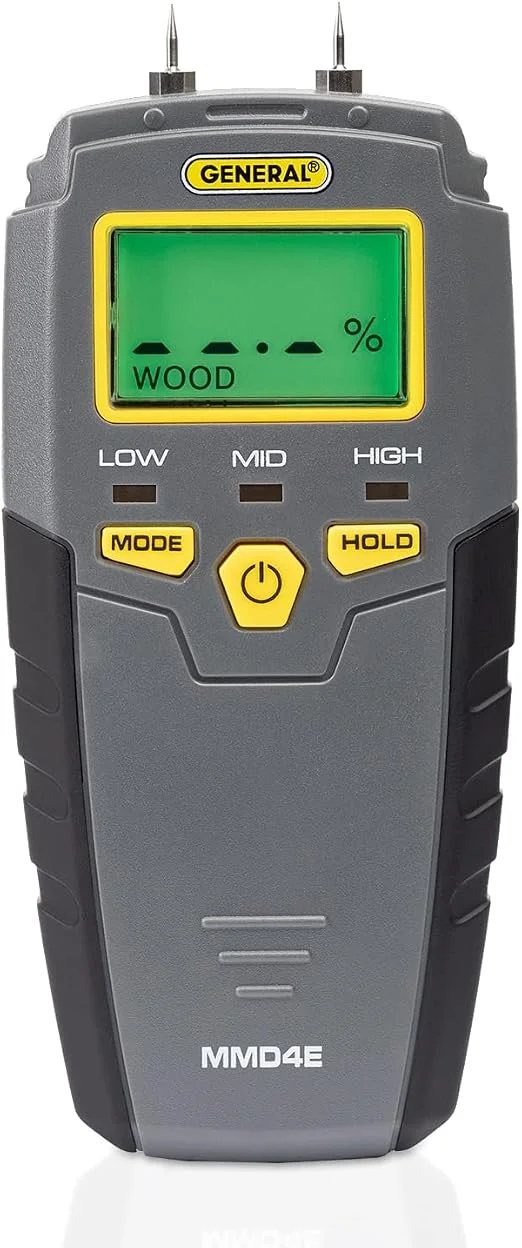 |
General Tools MMD4E Pinless Moisture Meter – from $48.95 The fastest way to tell if a fungus-affected log is actually dry enough to burn, or just still holding water.
|
- Surface mold – the fuzzy green, white, or black patches you see on damp bark or cut ends. This is a sign the wood picked up moisture during storage, not that the wood itself is structurally compromised. Once dried and burned hot, surface mold is a minor concern.
- Mushrooms and bracket fungi – the visible fruiting bodies of a fungus that’s usually already well established inside the wood. If you see mushrooms growing out of a log, assume the interior has real decay, not just a surface issue.
- Wood-decay fungi (brown rot and white rot) – these are the ones that actually matter for burn safety. Brown rot breaks down cellulose and leaves wood dry, crumbly, and checkered (this is the “dry rot” people talk about); white rot breaks down lignin and leaves wood stringy and pale. Both reduce the wood’s density and heat value, and both can carry a heavier spore load than surface mold.
How Much Fungus Actually Changes The Burn
Fungus needs moisture to grow, and that’s the real mechanism behind every problem it causes for firewood. Wood that’s actively hosting fungal growth is almost always above the 20% moisture content that’s considered burn-ready, which is why fungus-affected wood tends to hiss, smoke heavily, and burn cooler than seasoned wood – the extra energy goes into boiling off water instead of producing heat.
- Moisture content: Check with a moisture meter before burning any log you’re unsure about – a reading above 20% means the wood needs more drying time regardless of whether fungus is visible.
- Structural loss: Decay-fungus wood is less dense than sound wood of the same species, so it burns faster and produces less usable heat per log – you’ll go through more wood for the same warmth.
- Creosote buildup: The extra smoke from wet, fungus-affected wood condenses in the chimney as creosote, which is the leading cause of chimney fires – this is the single biggest practical risk of burning damp, fungal firewood regularly.
Health Risks: What The Smoke Actually Carries
Burning any wood with active fungal growth releases some amount of mold spores into the surrounding air along with the smoke, and for most healthy adults standing near an outdoor fire pit, that’s a minor, short-lived irritant. The real risk concentrates in two situations: burning heavily moldy or decayed wood indoors in a stove or fireplace where smoke lingers, and exposure for people with asthma, COPD, or mold allergies, for whom even a small spore load can trigger a reaction.
- Respiratory irritation: coughing, sneezing, throat irritation – the most common reaction, usually resolves once you’re away from the smoke.
- Allergic/asthmatic reactions: genuinely medically significant for people with existing conditions – keep them away from smoke from any moldy or decayed wood.
- Carbon monoxide: not from the fungus itself, but wet/decayed wood burns less completely, which increases CO production in an enclosed stove or fireplace – make sure your space is properly ventilated regardless of what you’re burning.
Checking Your Firewood Before You Burn It
- Moisture meter reading: Under 20% is the standard target for burn-ready hardwood. A pinless meter (pressed flat against the split face) avoids damaging the wood and gives a fast, repeatable reading.
- Break test: Sound seasoned wood snaps cleanly. Wood with real decay crumbles, feels spongy, or has soft, checkered patches – that’s brown rot, and that log is past the point of being worth burning for heat value.
- Bark test: Bark that peels off easily, especially with visible fungal threads (mycelium) underneath, points to decay that’s already progressed past the surface.
- Smell test: A strong musty smell usually means active fungal growth is still ongoing, not just old surface staining from a past wet spell.
Safe Handling And Burning Practices
- Wear gloves and a dust mask when handling visibly moldy wood – this matters far more for the person stacking and splitting than for someone standing near the eventual fire.
- Store firewood off the ground, covered on top but open on the sides for airflow – this is the single biggest factor in whether fungus takes hold in the first place.
- Burn hot, not smoldering – a hot, well-ventilated fire consumes more of the wood’s moisture and organic material completely, which cuts down on both smoke and creosote compared to a slow, choked-down burn.
- Get your chimney swept annually, especially if you regularly burn wood that’s less than ideally seasoned – this is standard fire-safety practice, not specific to fungus.
When To Just Get Rid Of The Wood Instead
Not every fungus-affected log is worth the effort of drying out and burning. If a piece is heavily colonized – soft throughout, crumbling at a touch, or covered in mushrooms – it has lost most of its heat value already, so burning it is a poor trade even before health is factored in. Composting it (if the fungal growth isn’t excessive) or setting it aside for yard-waste pickup is usually the better call than fighting to dry out wood that’s structurally gone.
Frequently Asked Questions
Is It Safe To Burn Wood With Fungus?
Usually yes for wood with light surface mold, once it’s properly dried and burned hot. Wood with deep decay fungi (brown rot or white rot) has lost structural integrity and heat value, and is generally not worth burning.
Can Burning Moldy Wood Make You Sick?
For most healthy people at an outdoor fire, the spore exposure is a minor, short-lived irritant. It’s a real concern for people with asthma, COPD, or mold allergies, and for anyone burning heavily moldy wood indoors where smoke lingers.
How Can I Tell If Firewood Has Decay Fungus Versus Just Surface Mold?
Do a break test: sound wood snaps cleanly, while decay-affected wood crumbles or feels spongy with soft, checkered patches. Surface mold is a fuzzy coating on otherwise solid wood; decay fungus has changed the wood’s actual structure.
Does Drying Fungus-Affected Firewood Make It Safe To Burn?
Drying helps a lot with surface mold – once moisture content drops under 20%, most of the burn-quality and smoke problems go away. Drying does not reverse structural decay from wood-decay fungi; that wood has already lost density and heat value regardless of how dry it gets.
Final Thoughts
Whether wood with fungus is safe to burn comes down to which kind of fungus you’re looking at: light surface mold on wood that dries out fine is a minor concern, while wood that’s been structurally broken down by decay fungi has lost the heat value that makes burning it worthwhile in the first place. A quick moisture check and a break test before you burn will tell you which situation you’re actually in.
Sponsored / affiliate links. As an Amazon Associate I earn from qualifying purchases. I may earn additional commission from eligible campaigns.