How to Burn Wood Safely: Fireplace, Wood Stove & Fire Pit Guide
Burning wood the wrong way is one of the most common causes of house fires, chimney fires, and carbon monoxide poisoning every winter. The good news is that burning wood safely isn’t complicated once you know the handful of things that actually matter: which wood to use (and which to never touch), how much clearance your setup needs, how to read the early warning signs of a creosote problem, and how to put a fire out completely instead of just letting it “go out” on its own. This guide walks through all of it, whether you’re running an indoor wood stove, a traditional fireplace, or an outdoor fire pit.
Choose Wood That Burns Clean, and Know What to Never Burn
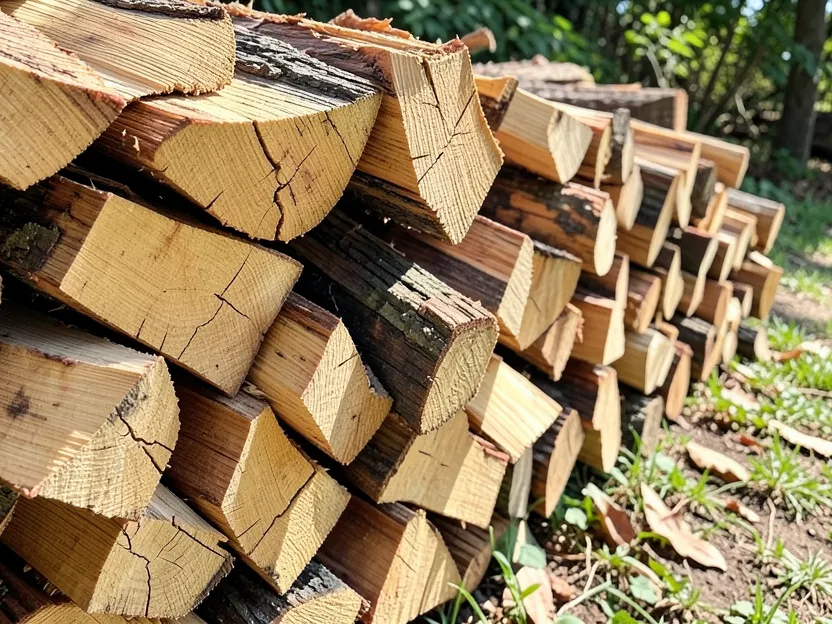
Seasoned hardwood is the safest fuel you can burn. Oak, maple, hickory, and ash that have dried for at least six to twelve months until their moisture content drops below 20% matter more than most people realize: wet or “green” wood burns cooler, produces far more smoke, and deposits more creosote in your chimney than dry wood does. You can check moisture with an inexpensive pin-style moisture meter, or look for the classic signs of seasoned wood: checked (cracked) end grain, a lighter weight than a freshly cut piece of the same size, and a hollow knock when two pieces are tapped together. Softwoods like pine and fir are fine for kindling because they catch fast, but they burn quick and dirty, so they shouldn’t be your main fuel in an indoor stove or fireplace.
Best CO Detector for Wood-Burning Homes
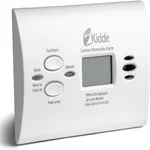 |
Kidde Carbon Monoxide Detector, Digital Display – $27.79 A wood stove or fireplace makes a working CO alarm non-negotiable, not optional, and this one shows an actual PPM reading instead of just an alarm bark.
|
What you burn matters just as much as how dry it is. Never burn pressure-treated, painted, or stained lumber. The chemicals used to treat lumber (historically chromium and arsenic compounds, now usually copper-based preservatives) release toxic fumes and leave behind contaminated ash when burned, and paint on older wood can contain lead. Plywood, particleboard, and MDF are off-limits too, since the glues and resins holding them together release formaldehyde and other irritants when heated. And never burn household trash or plastic; almost anything that isn’t clean, seasoned firewood can produce dioxins and other carcinogens that a normal fireplace or stove isn’t built to filter out.
Set Up the Space Before You Strike a Match
Clearance is the safety step people skip most often. For an older, uncertified wood stove, the commonly required minimum is 36 inches from combustible walls and furniture, sometimes reduced to that from 48 inches if an approved heat shield is installed; a newer EPA-certified stove can often sit closer, but the exact number is printed on the unit’s own rating plate and installation manual, not a general rule of thumb, so check that before assuming. Too little clearance is also one of the ways a wood burner can run hotter than it should, so don’t treat the spacing as optional. Outdoors, the National Fire Protection Association recommends keeping any open fire pit at least 10 feet from anything that can burn, and many local fire codes require 25 feet of clearance from a house, garage, fence, or shed, especially around wood or vinyl fencing that ignites or melts fast. Local ordinances vary a lot by city and county, so check yours before you install a permanent fire pit rather than assuming the national guideline is what applies where you live.
Before the first fire of the season, have your chimney or stovepipe professionally swept and inspected. A chimney fire is one of the most preventable house fires there is, and it’s almost always caused by creosote that’s been left to build up over more than one season. While you’re getting the space ready, clear away decorations, stacked wood, and anything else that could catch a stray spark, and confirm the damper opens and closes freely before you rely on it.
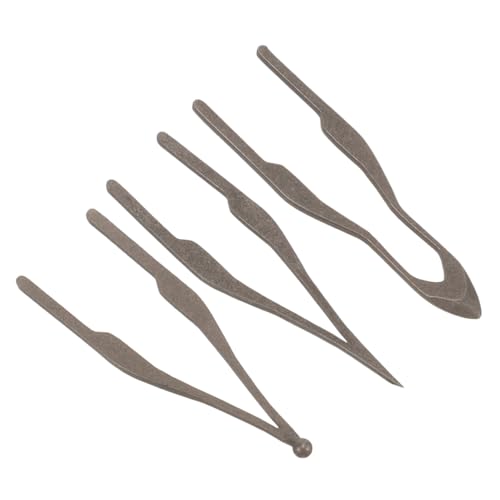
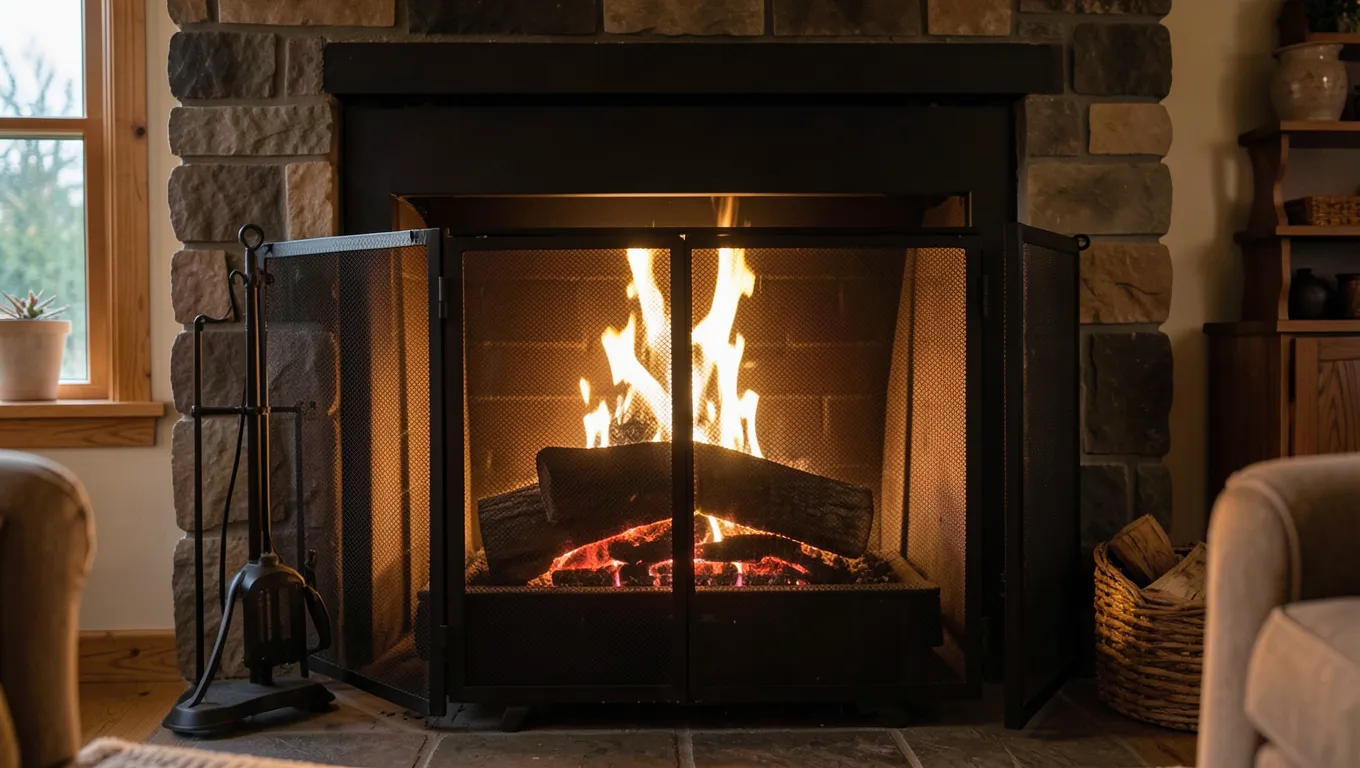
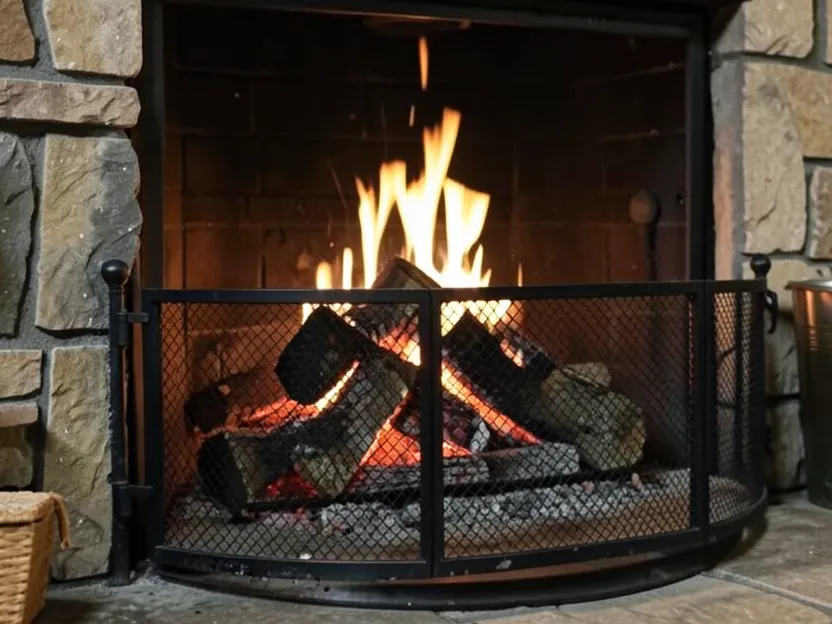
Keep four things within arm’s reach before you light anything: a metal poker, long-handled tongs, a metal ash shovel, and either a Class A fire extinguisher or a full bucket of water or sand. A fireplace screen or mesh curtain matters more than most people think. A single popping ember from a knot of pine is enough to scorch a rug or carpet in seconds if there’s nothing in front of the opening.
Build and Tend the Fire
Two methods cover most situations. The log cabin method stacks two larger logs parallel on the bottom, then two more perpendicular on top to form a square, building upward with progressively smaller pieces and a fire starter placed in the center; it’s easy to build and gives good airflow through the middle. The top-down method reverses the usual order: largest logs on the bottom, smaller logs above them, and kindling with a fire starter on top. Because it burns from the top down, it produces noticeably less smoke and a cleaner burn, though it takes a little longer to get going than lighting from underneath.
Once the kindling catches, add wood gradually rather than loading the fire all at once. Piling on too much wood too fast smothers the flame, produces excess smoke, and can send sparks flying when logs shift. Use the damper to manage the burn: open it wider for a stronger fire and close it slightly to slow one down, but never close it enough to choke off airflow completely while the fire is still burning, since that’s exactly what pushes smoke and carbon monoxide back into the room instead of up the flue.
Watch for the Two Dangers You Can’t See: Carbon Monoxide and Creosote
Carbon monoxide is the danger that doesn’t announce itself. It’s colorless and odorless, and a poorly drafting fireplace, a stuck damper, or a wood stove burning in a tightly sealed room can all push it into your living space faster than you’d expect. The Consumer Product Safety Commission recommends a CO alarm on every level of the home and outside each sleeping area, not just near the fireplace. Mount the detector on a wall around five feet up, roughly eye level, and keep it at least 15 feet away from the fireplace or stove itself; placing one directly above or right next to a wood-burning appliance is a common mistake that causes false alarms and, worse, can make people start ignoring the thing that’s supposed to warn them.
Creosote is the other one, and it’s the direct cause of most chimney fires. It builds up in stages: a flaky, soot-like layer that a sweep brushes out easily, a harder tar-like layer that needs chemical treatment or professional scraping, and a shiny, glazed layer that’s essentially solidified and highly flammable. You can’t reliably judge which stage your chimney is at just by looking up from the hearth, which is exactly why an annual professional sweep, not just “cleaning it when it looks bad,” is the standard that chimney sweep associations and fire-safety agencies actually recommend. Burning only seasoned hardwood and maintaining good airflow slows creosote buildup, but it doesn’t eliminate the need for that yearly inspection.
Put the Fire Out Completely, Then Deal With the Ashes
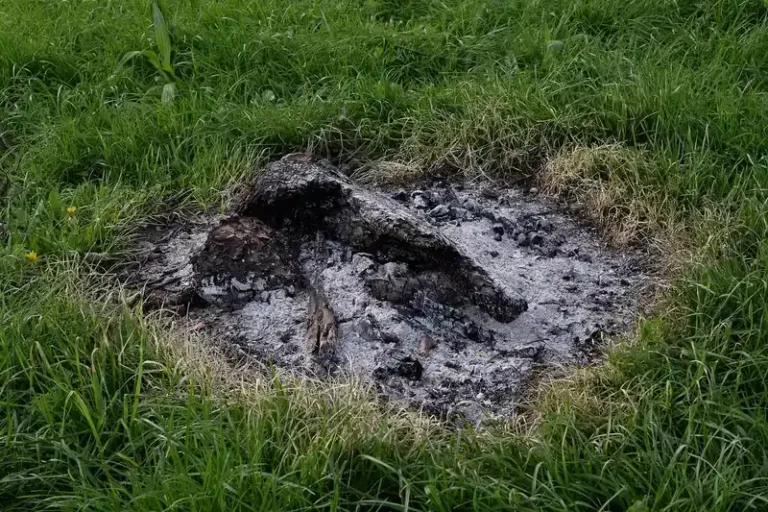
A small, well-tended fire can be allowed to burn down naturally, but don’t walk away until every ember has stopped glowing. For a faster or more thorough shutdown, pour water slowly and directly onto the embers, stirring with a shovel so hidden hot spots underneath get soaked too, and stand back while you do it since wet embers can throw up a burst of steam. Sand or plain wood ash works as well; smothering embers cuts off their oxygen and they cool without the steam. Whichever method you use, the ashes need to be fully cold, not just dark, before you consider the fire out.
Ashes stay dangerously hot for far longer than they look like they should, sometimes for several days in a deep bed of coals. Scoop them into a metal container with a tight lid, set that container on a non-combustible surface like concrete or bare soil, and keep it away from the house, deck, or any other combustible material for at least a day or two before you dispose of them. A surprising number of house fires start hours or days after a fire “went out,” from ashes that were bagged in paper or plastic and set too close to the siding.
Frequently Asked Questions
What’s the safest wood to burn in a fireplace or wood stove?
Seasoned hardwood, like oak, maple, hickory, or ash, that has dried for six months to a year until its moisture content is below 20%. Never burn treated, painted, or coated wood, plywood or particleboard, or trash and plastic.
How far should a fire pit be from my house?
The National Fire Protection Association recommends at least 10 feet from anything combustible, but many local fire codes require 25 feet from a house, garage, fence, or shed. Check your local ordinance before installing a permanent fire pit.
Where should I put a carbon monoxide detector if I have a wood stove?
Mount it on a wall about five feet up (eye level) on every level of the home, and keep it at least 15 feet from the stove or fireplace. Don’t place it directly above or right next to the appliance, since that causes false alarms.
How often should a chimney be professionally cleaned?
At least once a year, and more often if you burn wood heavily. Regular sweeping removes creosote before it reaches the hard, glazed stage that’s the most common cause of chimney fires.
Is it safe to burn wood outdoors in a fire pit?
Yes, as long as you keep proper clearance from structures, never leave it unattended, keep water or sand nearby, and follow your local burning regulations. Fully extinguish and cool the ashes before leaving the area.
Final Thoughts
Burning wood safely comes down to a short list of habits: use dry, seasoned hardwood and skip anything treated, painted, or synthetic; give the fire the clearance and clean chimney it needs before you light it; keep a working carbon monoxide detector in the right spot, not just any spot; and never call a fire “out” until the ashes are actually cold. None of that requires special skill, just consistency every time you build a fire, indoors or out.
Sponsored / affiliate links. As an Amazon Associate I earn from qualifying purchases. I may earn additional commission from eligible campaigns.