How Far Should Firewood Be From the House?
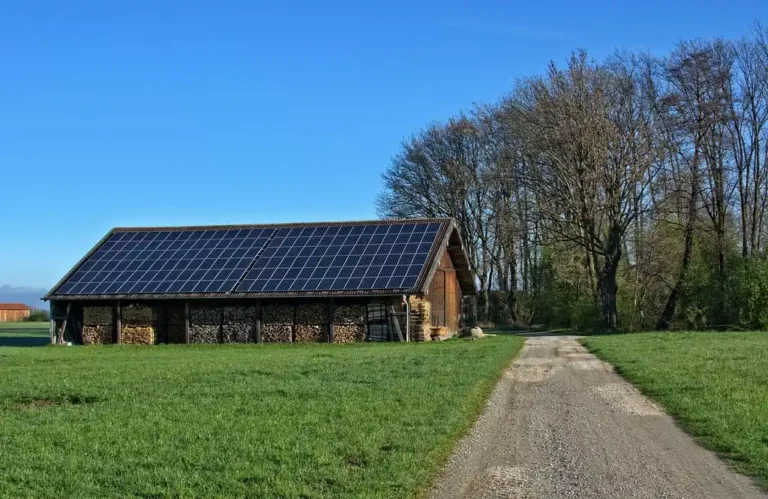
Keep seasoning stacks about 30 feet from the house. Keep only a small day-use load near the door or stove, and follow local code if it requires more distance. Closer storage raises pest pressure and leaves less margin for embers, heat, or a stray spark. This guide gives a placement rule, stove-adjacent exceptions, and the code checks that outrank general advice.
Firewood placement decision table
| Situation | Recommended spacing | Main hazard | When to move it farther away |
|---|---|---|---|
| Seasonal storage | At least 30 feet from the house, with open air on the sides and clear space from vents, eaves, and ignition sources | Embers, pests, and smoke exposure if the pile is too close to siding or rooflines | Move it farther if you are in a wildfire-prone area, have dry vegetation nearby, or local code requires a larger setback |
| Short-term staging | As far as practical from the wall, with only a small amount near the door for immediate use | Fast pest migration and higher exposure to wall heat, sparks, or roof drip line debris | Move it away if the stack sits under an eave, beside a dryer vent, or near a grill, fire pit, or other ignition source |
| Under-eave storage | Avoid it if possible; if you must stage there briefly, keep the stack well away from the wall and leave the area dry and open | Radiant heat, trapped moisture, and easier fire spread along soffits and trim | Move it out immediately if embers, roof edges, or nearby appliances make that area part of a fire path |
| Deck-adjacent storage | Do not crowd the deck; keep a clear gap from posts, stairs, skirting, and any grill or heater | Deck fires can spread quickly through wood framing and stored fuel | Move it farther if the deck is enclosed, low to the ground, or used for cooking or heating equipment |
| Indoor transfer piles | Bring in only a small amount at a time, just enough for the next burn or two | Pests, bark debris, and moisture carried indoors | Keep the bulk pile outside if insects are active, the wood is damp, or the storage area is near living spaces |
How far should firewood be from the house?
The practical starting point for most homes is 30 feet away, especially for long-term seasoning stacks. That distance gives you more room between the pile and siding, vents, eaves, and windows, and it reduces the chance that one ignition source becomes a larger fire problem.
When to move the stack farther away
Move the pile farther than 30 feet when local fire code says so, when you live in a wildfire exposure zone, or when the area around the house holds dry grass, leaf litter, or shrubs. Increase the gap if the only available spot is beside a garage, shed, crawl-space vent, or deck.
Why local rules can override general advice
Firewood storage is one of those details that local authorities may treat differently based on fire danger, building layout, and neighborhood density. A rural property with open ground may tolerate different placement than a suburban lot with short setbacks and multiple exterior ignition sources. If a code, insurer rule, or fire department standard is stricter, that rule wins.
What changes the safe distance?
The safe distance changes with wildfire exposure, nearby ignition sources, and pest pressure. A stack that is acceptable in a sheltered yard may be too close if it sits under an eave, beside a vent, or in a location where insects can move easily from the pile into the house.
Wildfire exposure and dry vegetation
Dry vegetation around the home makes the pile part of the fuel path. If embers land in bark, leaves, or grass, the stack can catch and feed a fire that reaches the structure faster. In high-risk areas, move the wood well away from the house and clear the surrounding ground.
Windows, vents, eaves, and exterior ignition sources
Keep firewood away from dryer vents, furnace intakes, electrical equipment, grills, fire pits, and any place where heat or sparks can reach it. The same caution applies to windows, soffits, and roof edges. A stack under an overhang may look protected from rain, but it can also sit in a more dangerous fire path.
Say your only available spot is along a garage wall. A better choice is to move the pile to a freestanding rack farther out in the yard, even if that means carrying a few extra steps. The extra distance matters more than convenience.
Pest pressure and moisture on the ground
Stacks that sit close to the house invite insect traffic, especially if the wood stays damp or is piled against mulch, soil, or leaf litter. Keep the pile on pallets or a rack so the bottom row stays above wet ground. That reduces ground moisture and helps the underside dry more evenly.
How should you stack and cover it?
Stack firewood in loose rows with gaps between pieces so air can move through the pile. Raised off the ground, spaced for airflow, and covered on top with the sides open is the simplest approach for drying and storage. Bark side up on top courses can help shed water; the main goal is still airflow, not a sealed cover.
Keep the stack off the ground
Use boards or pallets to lift the logs. That keeps the bottom row out of wet soil and slows decay. It also makes the pile easier to inspect for insects, mildew, or rot near the base.
Leave the sides open for airflow
Do not wrap the stack in plastic or tarp the sides shut. Air moving across the ends and sides helps moisture escape. Tight wrapping traps dampness, which slows drying and can leave the wood smoky when burned.
Cover the top, not the sides
A cover over the top keeps rain and snow off while the open sides continue drying the pile. That matters because properly seasoned firewood is typically dried for at least six months to a year. A cord of wood gives up about 1,000 pounds of water before it is seasoned, so the stack needs time and airflow. (Thisoldhouse)
Picture a homeowner who stacks split oak under a tarp that hangs down the sides. The wood stays damp longer, the lower courses remain musty, and the pile is harder to inspect for pests. A top-only cover avoids that problem.
How do seasoned and green wood differ?
Seasoned wood has lost enough moisture to burn more efficiently, start more reliably, and make less smoke than green wood. Properly seasoned firewood is typically dried for at least six months to a year, and many people start preparing or ordering it nine to twelve months before burning season.
Drying time and moisture reduction
Drying changes how the wood burns. As moisture falls, heat goes more toward combustion and less toward boiling water out of the log. That is why seasoned wood generally burns cleaner and is easier to light than freshly cut wood.
Signs wood is ready to burn
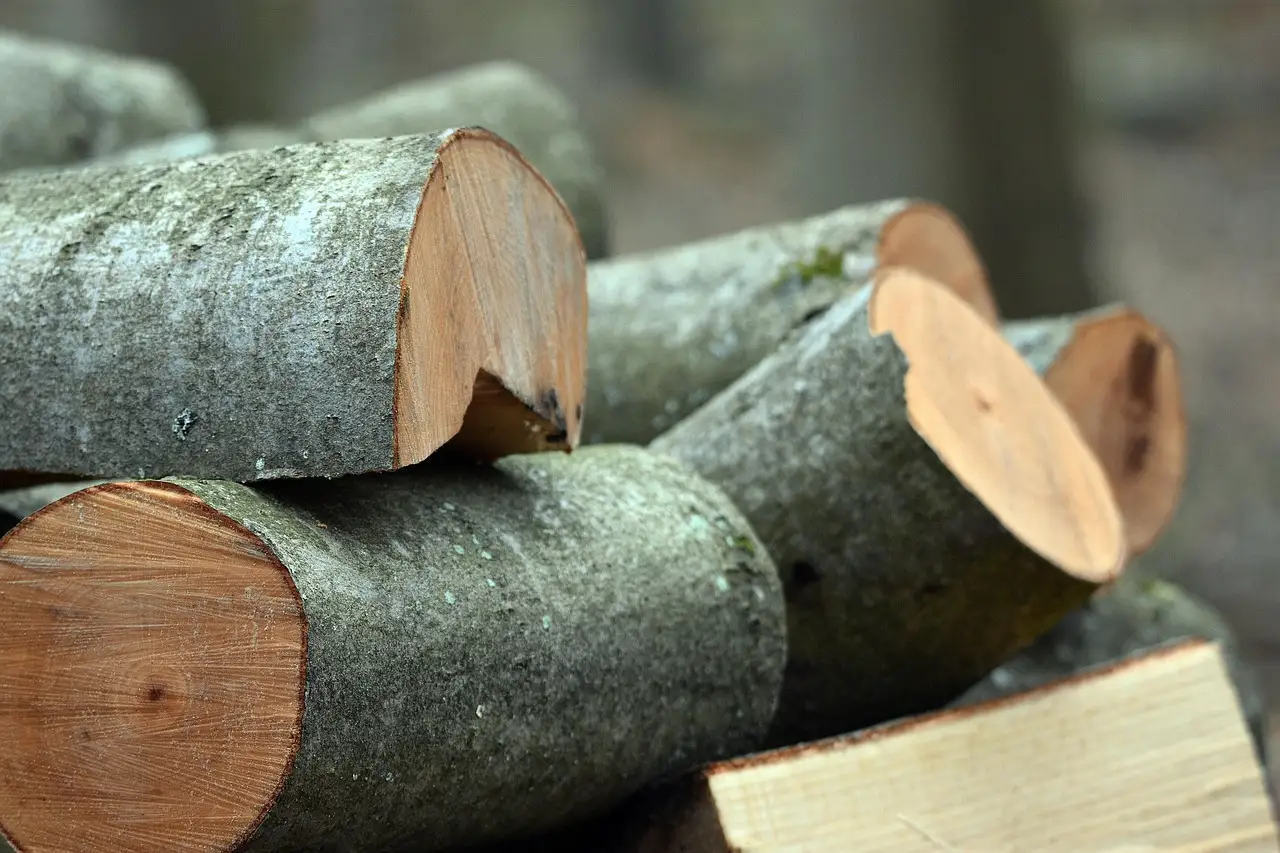
Look for split ends, loose bark, lighter weight, and visible checking or cracks in the grain. The wood should sound hollow when two pieces are knocked together, and the cut faces should look dry rather than damp or glossy. These are practical signs, not guarantees, but they help separate ready fuel from wet stock.
How wet wood affects smoke and creosote
Wet wood burns poorly and produces more smoke. That smoke matters because creosote is a sticky substance that builds up in chimneys and flues. Creosote is highly flammable and is the primary cause of chimney fires. Excess smoke from wet fuel speeds that buildup.
What wood type should you store?
For home heating, hardwoods like oak and maple generally burn hotter and longer than softwoods. Softwoods ignite easily and burn quickly, making them useful for starting fires. The right choice depends on whether you need long heat output or fast ignition.
Hardwood versus softwood
Hardwood is usually the better choice for the main fuel pile because it lasts longer once lit. Softwood is useful as kindling or for getting a fire established. That division matters more than chasing a single “best” species for every situation.
Burn time and heat output
Longer-burning hardwood reduces how often you reload the stove. In practical terms, that can mean fewer trips outside and more stable heat across the evening. If your storage area is far from the house, that slower burn can also reduce handling.
Smoke and spark behavior
Softwoods tend to light fast and can throw more sparks, so keep them away from places where a stray ember would be a problem. Hardwoods usually give steadier heat with less frequent reloads. If you store both, keep the softwood for kindling and the hardwood for the main stack.
Firewood storage risks table
| Risk | What can go wrong | Best practice | When to change the setup |
|---|---|---|---|
| Pests and indoor transfer | Insects can shelter in bark, cracks, and stacked gaps, then move indoors with the wood | Bring only the amount you need inside and inspect it before transfer | Move the main pile farther from the home if insect pressure is high or if the wood sits near doorways |
| Creosote and chimney fires | Wet wood makes more smoke, and smoke deposits creosote in the flue | Burn seasoned wood and keep the chimney cleaned on schedule | Use drier fuel and review stove operation if you notice heavy smoke or fast soot buildup |
| Placement near walls, decks, and eaves | Heat, embers, and roofline details can turn a wood pile into a fire exposure | Keep the pile away from siding, vents, and overhangs, with open air around it | Move it farther if the only storage spot is under an eave, beside a deck, or near a garage wall |
A common first-timer mistake is placing a neat stack against the wall because it looks tidy. The stack then blocks airflow, stays damp longer, and sits where embers or a wall-mounted ignition source can reach it. Moving it out into open air solves more than one problem at once.
Frequently asked questions
How far should firewood be stacked from the house?
For a stack you intend to season outdoors, use 30 feet as the baseline and move it farther if the area is exposed to wildfire risk or has dry vegetation. For short-term staging, keep only a small amount near the door or stove, not the main pile.
How long should firewood be seasoned before burning?
Properly seasoned firewood is typically dried for at least six months to a year. Many people plan ahead nine to twelve months before burning season to give the stack enough time to dry. Dry wood burns more efficiently and makes less smoke.
Should firewood be covered or left open?
Cover the top and leave the sides open. That keeps rain off while allowing airflow through the pile. Raised off the ground and spaced for drying, the stack has a better chance of seasoning evenly than a pile that is wrapped tightly on all sides.
Does firewood attract insects near the house?
Yes. Firewood can harbor insects, especially if it is damp, bark-heavy, or stored close to the home. Bring only the amount you need indoors, and do not keep the main pile against the foundation or near doorways where pests can migrate easily.
Is it ok to store firewood near house?
Only for very short-term staging, and only when the pile stays away from walls, vents, eaves, and ignition sources. The main seasoning stack belongs farther out. If you need a day-use pile, keep it small and move it back outside after use.
Sponsored / affiliate links. As an Amazon Associate I earn from qualifying purchases. I may earn additional commission from eligible campaigns.