Is Lacquer Oil-Based? No – It’s Solvent-Based, Here’s Why
Lacquer is not oil-based. It’s solvent-based — the classic nitrocellulose lacquer used on furniture and guitars cures purely by solvent evaporation, not by the oxidation process that makes a true oil-based finish harden. That distinction gets lost because “oil-based” is often used loosely to mean “not water cleanup,” which lumps lacquer in with real oil finishes even though the chemistry has nothing in common. Below is the actual three-way split between solvent-based, oil-based, and water-based finishes, plus where lacquer fits and what to use it on.
The Short Answer: Lacquer Cures by Evaporation, Not Oxidation
Every clear wood finish hardens through one of three mechanisms, and which one applies is what actually defines “oil-based” versus “solvent-based” versus “water-based” — not just what thins it. Traditional nitrocellulose lacquer is dissolved in lacquer thinner (mostly acetone, toluene, and similar solvents), sprayed on wet, and hardens the moment those solvents flash off into the air. Nothing chemically reacts. That’s why you can wipe a fresh lacquer coat with thinner and dissolve it right back down, and why a lacquer repair blends into an old coat instead of just sitting on top of it.
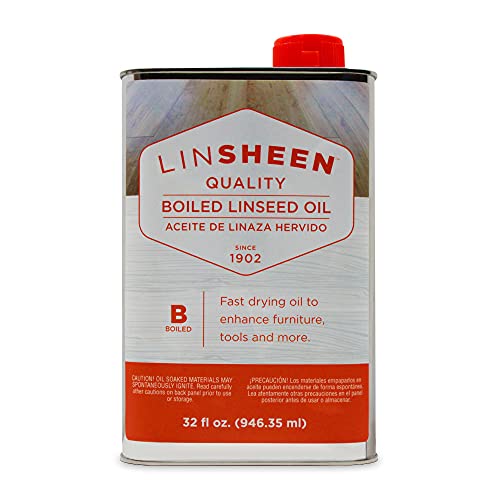
A true oil-based finish, like an oil-modified polyurethane or a straight boiled linseed oil, hardens through oxidation: the oil absorbs oxygen from the air and cross-links into a solid polymer network. That’s a real chemical reaction, it’s why oil finishes take hours or days to cure instead of minutes, and it’s why you can’t redissolve a cured oil finish with the solvent it shipped in. Lacquer does none of that.
Best Beginner-Friendly Lacquer Spray
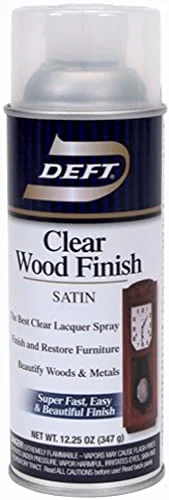 |
Deft Clear Wood Finish Satin Lacquer, 12.25 oz – $21.82 A 100% nitrocellulose brushing lacquer in an aerosol can — the same solvent-based chemistry described above, without needing a spray gun.
|
The Real Distinction: Solvent-Based vs. Oil-Based vs. Water-Based
Most “oil vs. water-based” articles skip a whole category, and it’s the one lacquer actually belongs to. Here’s how the three cure mechanisms compare:
| Finish type | Cure mechanism | Redissolves in its own thinner? | Typical dry-to-recoat time |
|---|---|---|---|
| Solvent-based (lacquer) | Evaporation only — no chemical reaction | Yes | 15-30 minutes |
| Oil-based (varnish, oil poly, linseed oil) | Oxidation — oil cross-links as it absorbs oxygen | No | 6-24 hours |
| Water-based (acrylic/urethane) | Water evaporates, then resin particles fuse (coalesce) | No, once fully cured | 1-2 hours |
Water-based lacquer sits in an odd spot on that chart, and it’s worth calling out because it’s a genuinely newer, more common product than most “lacquer 101” guides admit. It swaps the acetone/toluene solvent blend for a water-and-resin emulsion, so it dries by evaporation plus coalescence rather than pure solvent flash-off. It still isn’t oil-based — there’s no oxidation step — but it’s also not the traditional solvent-based lacquer most woodworkers picture. If a can says “water-based lacquer” or “water-based conversion varnish,” treat it as its own third option, not a synonym for either of the other two.
Why Lacquer Gets Called “Oil-Based” Anyway
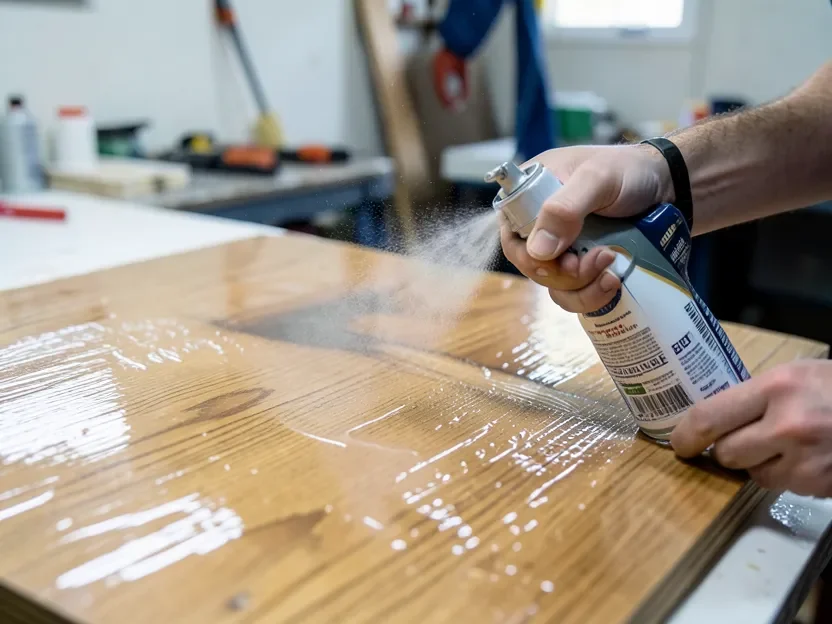
The confusion isn’t random. Paint and hardware stores routinely split every product into two shelves: “oil-based” and “water-based,” because that’s the split that matters for cleanup — mineral spirits versus soap and water. Lacquer thinner isn’t water, so by that informal two-bucket system, lacquer gets filed under “oil-based” by default, even though nothing in it is actually oil. That’s imprecise but common usage, and it’s exactly the kind of mislabeling this page exists to untangle: “not water cleanup” and “cures by oxidizing oil” are two completely different claims, and only the second one is what “oil-based” technically means.
Types of Lacquer You’ll Actually Run Into
Nitrocellulose lacquer is the traditional formula — the one on most pre-1990s furniture and most electric guitars. It’s fast-drying, sprays thin, ambers slightly with age, and is the easiest of the bunch to repair since fresh lacquer melts into old lacquer. If you’re not sure lacquer is even the right family of finish for your piece, our guide to what lacquer actually means as a wood finish covers how it compares to shellac, varnish, and polyurethane side by side.
Acrylic (CAB-acrylic) lacquer swaps in an acrylic resin instead of nitrocellulose. It stays water-clear instead of ambering, resists yellowing far longer, and is common on light-colored or white-washed furniture where amber tint would be a problem. It’s still solvent-based and still cures by evaporation.
Catalyzed (conversion) lacquer adds a chemical catalyst that triggers some genuine cross-linking on top of the solvent evaporation, giving it more heat and chemical resistance than standard lacquer. It’s a hybrid in cure behavior but still marketed and used as lacquer, and it’s common in cabinet shops.
Water-based lacquer, covered above, is the newest category and the one most likely to get mislabeled in either direction.
Any of these can also come pre-catalyzed or post-catalyzed straight from the can, meaning the hardener is either already mixed in with a limited working life or added separately right before spraying. That’s a shop-workflow detail, not a different chemistry category — it still comes down to the same solvent-evaporation base with an optional cross-linking boost layered on top.
How to Tell If a Finish on Existing Furniture Is Lacquer
If you’re refinishing an older piece and don’t know what’s already on it, a small denatured-alcohol test on a hidden spot is the fastest check. Dab a cotton swab with denatured alcohol and rub gently on an inconspicuous area:
- Finish softens or gets tacky: likely shellac, not lacquer.
- Finish stays hard but a lacquer thinner swab dissolves it: lacquer — confirming the solvent-based, redissolvable behavior described above.
- Neither alcohol nor lacquer thinner affects it: most likely a true oil-based varnish or polyurethane, which won’t redissolve once cured.
This test works because it’s testing the actual cure mechanism, not the smell or sheen, which is a much more reliable way to identify a finish than guessing from how glossy or amber it looks.
Lacquer vs. Polyurethane vs. True Oil Finishes: Which to Use
Pick lacquer for furniture, trim, and musical instruments where you want a fast turnaround and an easy repair path — multiple thin coats in an afternoon, with the option to blend in a touch-up years later. Pick an oil-based polyurethane for tabletops, floors, and anything that needs real heat, water, and abrasion resistance; the oxidized film is simply tougher and more chemical-resistant than a solvent-evaporated one, at the cost of a much longer cure time between coats. Pick a straight oil finish (Danish oil, tung oil, boiled linseed oil) when you want the wood grain to stay open and touchable rather than sealed under a film — oil finishes penetrate instead of building a surface layer, which is a different job entirely from either lacquer or polyurethane.
Ventilation and Safety
Lacquer’s fast evaporation is exactly what makes it a ventilation hazard: those same solvents (acetone, toluene, and similar VOCs) are flashing straight into the air you’re breathing, not slowly oxidizing over hours like an oil finish. Spray it outdoors or with cross-ventilation and a respirator rated for organic vapors, not just a dust mask. Water-based lacquer cuts VOC output substantially and is the safer choice for a garage or basement shop without strong airflow.
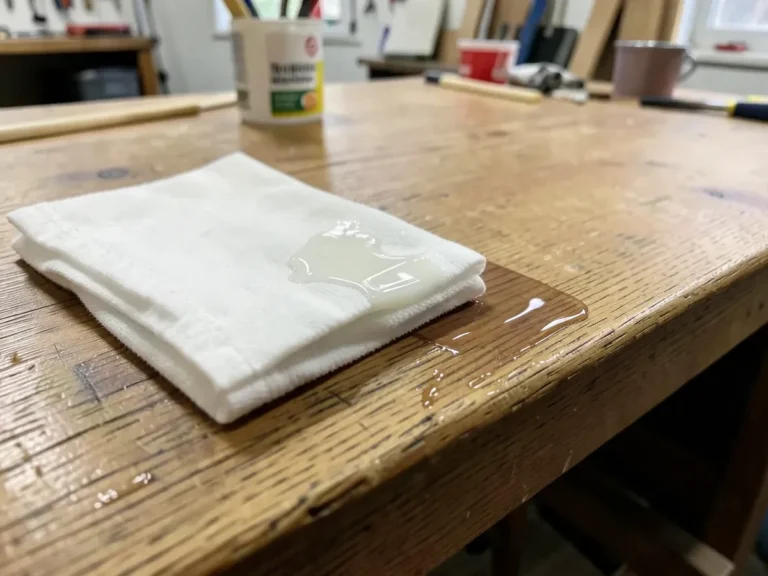
Rags and overspray debris soaked in lacquer are a real fire risk too, though for a different reason than oil finishes: lacquer’s solvents are flammable in vapor form, while an oil-soaked rag is a spontaneous-combustion risk from the oxidation heat itself. Either way, don’t ball up finish-soaked rags in a bin — lay them flat outside to dry, or submerge them in a sealed metal can of water, before disposing of them per your local hazardous-waste rules.
Frequently Asked Questions
Is lacquer an oil-based finish?
No. Lacquer is a solvent-based finish. Traditional nitrocellulose lacquer cures purely through solvent evaporation, not through the oxidation or polymerization process that defines a true oil-based finish like an oil-modified polyurethane.
Is lacquer water-based or oil-based?
Neither, by default. Standard lacquer is solvent-based. Water-based lacquer formulations do exist and have grown more common, but they’re a distinct product category, not the traditional definition of lacquer.
Why do people call lacquer oil-based?
Because retailers and DIYers often use oil-based as informal shorthand for anything that isn’t water-based cleanup. Since lacquer thinner isn’t water, lacquer gets lumped in with true oil-based finishes even though its cure chemistry is completely different.
Is lacquer better than polyurethane?
Neither is better in every case. Lacquer dries faster, sprays thinner, and is easier to repair or blend. Oil-based polyurethane builds a thicker, more heat- and chemical-resistant film. Choose lacquer for furniture and instruments, polyurethane for tabletops and floors.
Can you put lacquer over an oil-based stain?
Yes, once the oil-based stain has fully cured (not just dry to the touch – typically 24 to 72 hours). Lacquer’s solvents can lift a stain that hasn’t finished curing, so test an inconspicuous spot first.
Bottom Line
Lacquer is solvent-based, not oil-based, because it hardens by evaporation instead of oxidation — a chemistry difference, not just a marketing label. Reach for it when you want a fast-drying, easy-to-repair film on furniture or instruments, and reach for a true oil-based finish when a project needs the tougher, more heat- and chemical-resistant film that only an oxidized coating can build.
Sponsored / affiliate links. As an Amazon Associate I earn from qualifying purchases. I may earn additional commission from eligible campaigns.