Is Mdf a Good Sound Insulator? Discover the Truth
Have you ever wondered if MDF is a good sound insulator? You’re not alone.
Many homeowners and DIY enthusiasts like you are on the hunt for the perfect material to keep unwanted noise at bay. Whether it’s the sound of traffic outside your window or the chatter from the next room, finding an effective solution can be a game changer for your peace of mind.
MDF, or Medium Density Fiberboard, often pops up as a potential option. But can it really deliver the quiet you crave? We’ll dive into the world of sound insulation and explore whether MDF lives up to the hype. Stick around to discover if MDF is the answer to your noise problems and how it compares to other materials. Your quest for tranquility starts here.
What Is MDF?
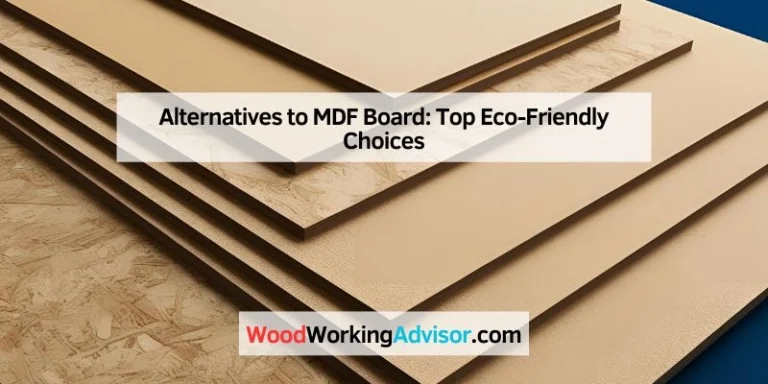
MDF stands for Medium Density Fiberboard. It is a type of engineered wood. It is made from wood fibers. These fibers are combined with wax and resin. The mixture is then pressed into panels. MDF panels are dense and smooth. They are uniform in texture. This makes them ideal for many uses.
MDF is made from wood fibers. These fibers are bonded with wax and resin. The mixture is hot-pressed. This creates a dense board. MDF is thicker than plywood. It has no knots or grains. This gives it a smooth surface. Ideal for painting and coating.
MDF is used in furniture. It is popular in cabinets. Used for speaker boxes too. Often found in doors and paneling. MDF is easy to cut and shape. This makes it versatile. It is less expensive than real wood. People use it for cost-effective projects.
Sound Insulation Basics
Sound insulation keeps noise from entering or leaving a space. Absorbing sound is crucial. Blocking noise is another key part. Materials must be dense to stop sound. Thickness of the material helps too. Air gaps in walls can reduce effectiveness. Seal all gaps for better insulation. Vibration can travel through materials. Dampening vibrations is important. Mass and elasticity are vital traits. Combine materials for best results. Use layers to improve soundproofing. Heavy curtains can help with windows.
| Material | Properties |
|---|---|
| MDF | Dense, good for absorbing sound. |
| Foam panels | Light, reduces echo. |
| Mass loaded vinyl | Heavy, blocks noise. |
| Fiberglass | Traps sound, prevents sound travel. |
| Carpet | Soft, absorbs sound. |
MDF’s Acoustic Properties
MDF is dense. This helps it absorb sound well. Sound waves lose energy in MDF. The density stops sound from passing through. MDF acts like a sponge for sound. This makes rooms quieter. People use MDF for soundproofing walls. It’s affordable and easy to find. MDF is good for reducing noise.
MDF is not the only sound insulator. Fiberglass and foam also reduce noise. Fiberglass is better at stopping sound. Foam is light but absorbs sound well. MDF is dense, which helps in sound absorption. It is cheaper than fiberglass. MDF is easier to cut and shape. Foam is soft and flexible. MDF is strong and firm. Each material has its own benefits. Choosing the right one depends on needs and budget.
Applications Of MDF In Soundproofing
MDF is great for soundproofing homes. It helps block noise between rooms. Many people use it in walls and ceilings. MDF panels are thick. This helps them stop noise better. You can paint them too. They look nice in any room. MDF is also affordable. Many families choose it for their homes. It keeps rooms quiet and peaceful.
Studios need quiet spaces. MDF is used in music studios and offices. It stops sound from going through walls. MDF is strong and lasts long. It helps keep noise inside rooms. This is good for recording music. In offices, MDF reduces noise. It helps workers focus better. Many businesses use MDF for soundproofing. It makes places quiet and calm.
Advantages Of Using MDF
MDF is known for its low cost. It is cheaper than wood and other materials. Builders and DIY enthusiasts love this. You can save money when you use MDF. It is a smart choice for those on a budget. Many people choose it for projects. It is affordable and easy to find. This makes it popular.
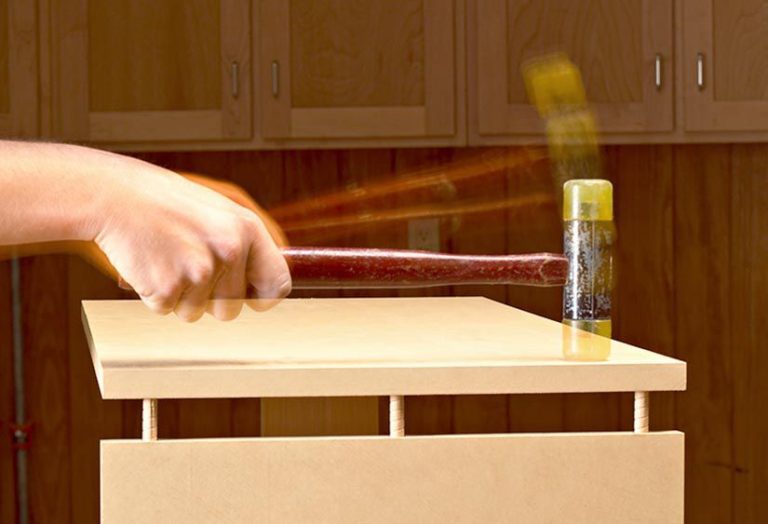
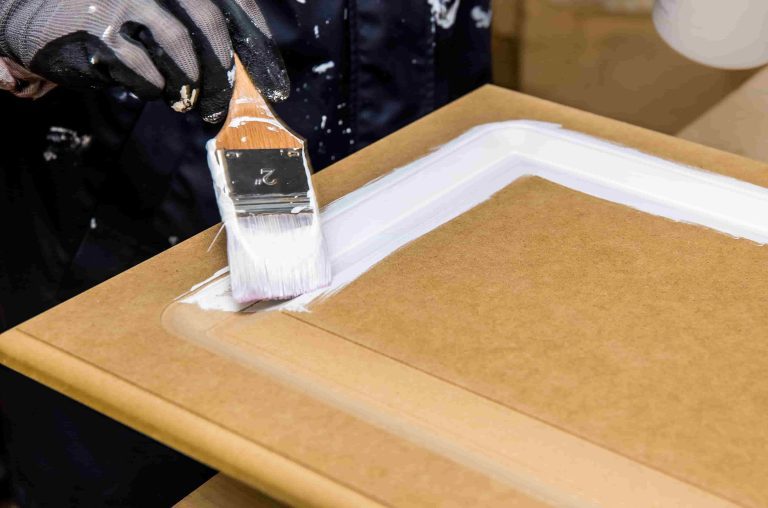
MDF is easy to work with. It can be cut and shaped easily. This makes it perfect for beginners. Tools can handle MDF without problems. The surface is smooth. This means it is simple to paint or cover. MDF is not heavy. This makes it easy to move around. Even kids can help carry it.
Credit: thesoundproofwindows.co.uk
Limitations Of MDF
MDF is often used for sound insulation, but it has limits. In very noisy places, MDF might not work well. Other materials can block more noise. MDF can absorb some sound, but not all. Thicker MDF may help, but not enough. People may need extra sound barriers.
MDF is not as strong as real wood. It can bend or break easier. Water can damage MDF quickly. Moisture makes it swell and lose shape. Over time, MDF might need replacing. This can be costly. Regular checks are important to ensure longevity.
Improving MDF’s Insulation Capabilities
MDF can be a better sound insulator with extra materials. Adding acoustic foam or mass-loaded vinyl helps a lot. These materials stop sound from passing through walls. Layers of different materials work together. They create a sound barrier.
Using multiple layers of MDF can help. More layers mean more sound blocked. Sandwich MDF between soundproofing sheets. This makes walls thicker. Thicker walls stop more noise. Create air gaps between layers. Air gaps trap sound. This makes the room quieter. MDF can be painted with soundproof paint too. It adds an extra sound barrier.

Credit: topolocfrt.com
Frequently Asked Questions
Is MDF Good For Noise Reduction?
MDF is effective for noise reduction due to its density. It absorbs sound waves and minimizes vibrations. Use MDF for soundproofing walls, ceilings, or floors. It’s a budget-friendly option compared to other materials. Ensure proper installation for optimal noise reduction results.
What Is The Soundproofing Rating Of MDF?
MDF has an average Sound Transmission Class (STC) rating of 30-35. It reduces noise better than regular wood. For improved soundproofing, combine MDF with other materials like insulation or mass-loaded vinyl. This combination enhances its effectiveness in controlling sound transmission between spaces.
Is Plywood Better Than MDF For Soundproofing?
Plywood is not better than MDF for soundproofing. MDF offers better density, reducing sound transmission effectively. Use MDF for improved soundproofing results.
What Is The Most Effective Soundproofing Material?
Mass loaded vinyl is the most effective soundproofing material. It blocks noise by adding mass and density. Use it on walls, floors, or ceilings for optimal sound reduction. It’s flexible, easy to install, and durable, making it ideal for various applications in homes and studios.
Conclusion
MDF offers decent sound insulation for various needs. It’s versatile. MDF absorbs sound, reducing echo and noise. Perfect for home projects. Cost-effective choice for soundproofing. Easy to work with. MDF performs well in specific settings. Not the best for professional studios, though.
Consider using MDF for moderate sound control. It’s a practical choice for many. Always assess your specific insulation needs first. MDF might be the right fit for your project. Make sure to weigh all factors. Soundproofing can vary greatly in results.
MDF is reliable in many cases.