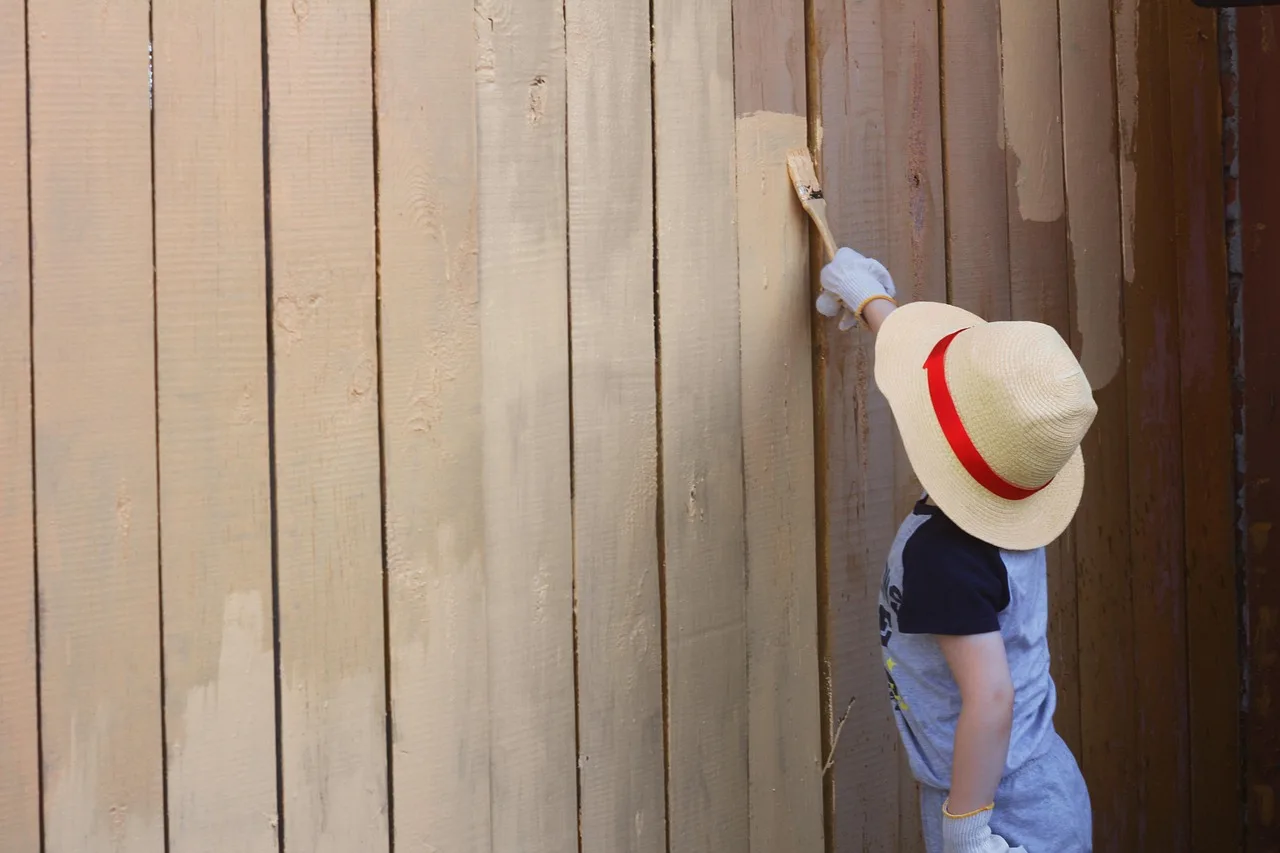
How Much Does It Cost to Paint a Wood Fence?
Painting a wood fence is often estimated at about $1.50 to $4.00 per square foot for DIY and about $3.50 to $8.00 per square foot with a pro, with prep-heavy or hard-to-reach fences tending to cost more. Skip prep or pick the wrong coating, and the finish can peel early, forcing a full repaint sooner. This guide breaks pricing into fence condition, paint system, and access so you can estimate a realistic budget.
Typical cost range


Homeowners spend about $1,700 on fence painting costs on average, and typical projects range from $750 to $4,250. Fence painting can cost $3 to $14 per linear foot, depending on height, condition, and whether the quote covers one side or both. A basic repaint usually includes cleaning, light prep, exterior-rated coating, and labor.
The total cost climbs quickly as fence length grows. A 50-foot fence can cost $150 to $700 to paint, a 100-foot fence can cost $300 to $1,400, and a 400-foot fence can cost $1,200 to $5,600. Taller fences also cost more because they add surface area, ladder work, and more paint.
For a quick estimate, start with the fence’s painted surface, not the lineal fence run alone. A 4-foot-tall fence has less area than a 6-foot privacy fence, and an 8-foot fence can take far more labor and coating. That is why two fences with the same length can still land in very different bids.
Fence painting cost estimator
This table separates new wood from repaint work. The labor and material load changes a lot once you add old coatings, gray weathering, or full two-sided coverage.
| Fence scenario | Likely prep tasks | Labor intensity | Materials multiplier | Installed price range per linear foot |
|---|---|---|---|---|
| New bare wood | Cleaning, spot sanding, primer on bare boards, one finish coat or two light coats | Low to moderate | 1.0x to 1.2x | $3 to $6 |
| Weathered or stained wood | Wash, dry time, sanding, stain-blocking or bonding primer where needed, finish coat | Moderate | 1.1x to 1.4x | $4 to $8 |
| Peeling painted fence | Scraping, sanding, patching, spot priming, cleanup, one or two finish coats | High | 1.3x to 1.8x | $6 to $12 |
| Full two-sided repaint | All repaint prep on both sides, top edges, hardware masking, more setup and coverage time | High | 1.5x to 2.0x | $8 to $14 |
Say your 100-foot privacy fence is sound but gray from weather. A contractor may price it closer to the middle of the range because the wood needs cleaning, sanding, and primer in spots, but not full scraping. If the same fence has peeling paint on both sides, the bid usually jumps because labor goes into removal before coating begins.
What drives fence painting costs
Fence price comes down to surface area, condition, access, and the coating system. Height matters as much as length. A 6-foot fence has about 50 percent more painted area than a 4-foot fence of the same length, and an 8-foot fence adds even more labor, paint, and ladder time.
Fence height and surface area
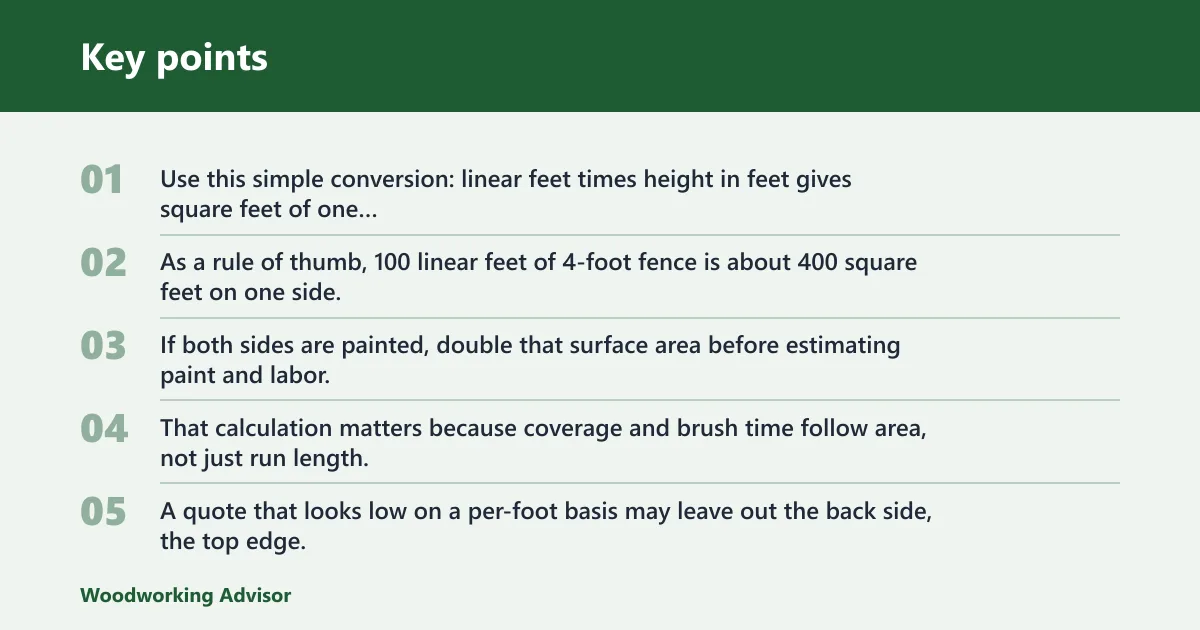
Use this simple conversion: linear feet times height in feet gives square feet of one side. As a rule of thumb, 100 linear feet of 4-foot fence is about 400 square feet on one side, while 100 linear feet of 6-foot fence is about 600 square feet. If both sides are painted, double that surface area before estimating paint and labor.
That calculation matters because coverage and brush time follow area, not just run length. A quote that looks low on a per-foot basis may leave out the back side, the top edge, or the extra coats needed on weathered boards.
Fence type and layout
Simple straight runs are cheaper than fences with many corners, gates, or changes in height. Gates add hinges, latches, and hardware to mask or work around. Post caps, decorative trim, and lattice panels slow the job because they add edges and small surfaces that are harder to coat evenly.
Minor repairs also change the bid. Loose boards, popped fasteners, split rails, or rotted sections may need fixing before paint goes on, and some painters will stop and price those items separately.
Access, repairs, and masking
Painting along a sloped yard, tight side yard, dense planting bed, or pool fence can take longer than a clear straight run. If the painter needs more masking around patios, walkways, or adjacent structures, setup time climbs. That time shows up in labor, even when the paint quantity does not change much.
One side versus both sides
Some quotes cover only the visible side from the street or yard. Others include both sides and the top edge of the fence boards. Always ask which surfaces are included, because the price difference can be large. A one-side quote is not the same job as a full wraparound repaint.
Does fence type change the price?
Yes. Fence type changes both surface area and detail work, so a privacy fence usually costs more than a split-rail or post-and-rail fence of the same length. More boards, tighter spacing, and more surface to cover all raise labor and material use.
Privacy fence
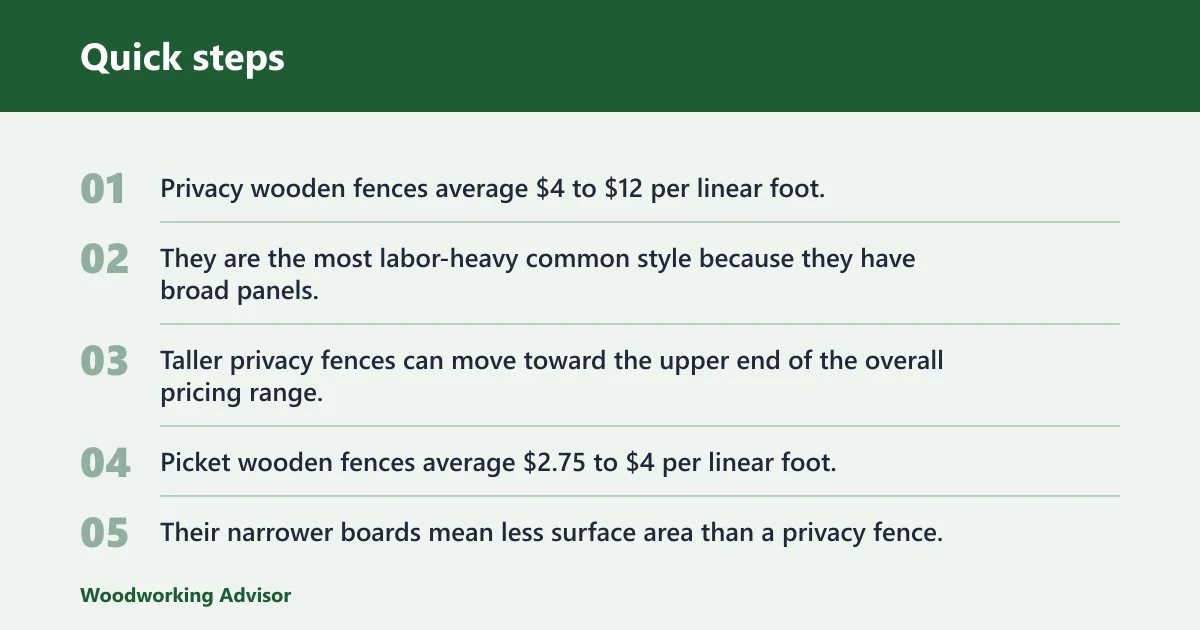
Privacy wooden fences average $4 to $12 per linear foot. They are the most labor-heavy common style because they have broad panels, more square footage, and a larger painted surface on each side. Taller privacy fences can move toward the upper end of the overall pricing range.
Picket fence
Picket wooden fences average $2.75 to $4 per linear foot. Their narrower boards mean less surface area than a privacy fence, but the small vertical pieces still take time to cut around and coat evenly, especially if the fence has decorative tops or a lot of posts.
Split-rail fence
Split rail wooden fences average $2.25 to $3.50 per linear foot. They often cost less because there is less continuous board surface to paint. Even so, rough timber, knots, and uneven rails can slow prep and increase paint use compared with a flat-panel fence.
Lattice fence
Lattice wooden fences average $4 to $7 per linear foot. The open pattern is visually lighter, but the small intersections, edges, and cutouts make it slow to coat. Paint can also collect at the joints, so careful application matters more than with plain boards.
Post-and-rail fence
Post-and-rail wooden fences average $2.25 to $3.50 per linear foot. Like split rail, they usually cost less because there is less board area. The estimate can rise if the rails are rough, the posts need spot priming, or the fence includes many end caps and braces.
How do paint and primer affect cost?
Exterior-rated paint is the standard choice for weather protection on a wooden fence, but the product system changes the price. Bare wood, patched areas, and old stain or paint may need primer before the finish coat. Two coats of paint are often necessary for protection, especially on exposed fences.
Exterior-rated coating choices
Contractors usually price the job based on the paint grade, expected coverage, and durability target. A higher-quality exterior coating costs more per gallon, but it may cover more evenly and hold up better to sun and rain. Stain can be a lower-build option, but the surface still needs to be sound and clean.
Primer needs on bare or patched wood
Bare wood drinks in coating faster than already sealed wood. That is why primer is common on new boards, spot-repaired areas, and spots where old finish has been scraped away. Skipping primer can save money on the front end, but it can also leave color uneven and shorten the life of the finish.
Single-coat versus two-coat pricing
Single-coat pricing may be acceptable on well-prepped, previously coated wood, but two coats are often needed for even color and weather protection. A second coat increases material use and labor time, so it should be spelled out in the estimate. Ask whether the bid includes one coat, two coats, or primer plus finish.
Painted finish versus stained finish
Wood fences can be painted or stained. Paint creates a solid color film and usually needs more prep than stain when the surface is failing. Stain may be easier on lightly weathered wood, but it will not cover peeling paint the way a proper repaint system does.
What prep work changes the bid?
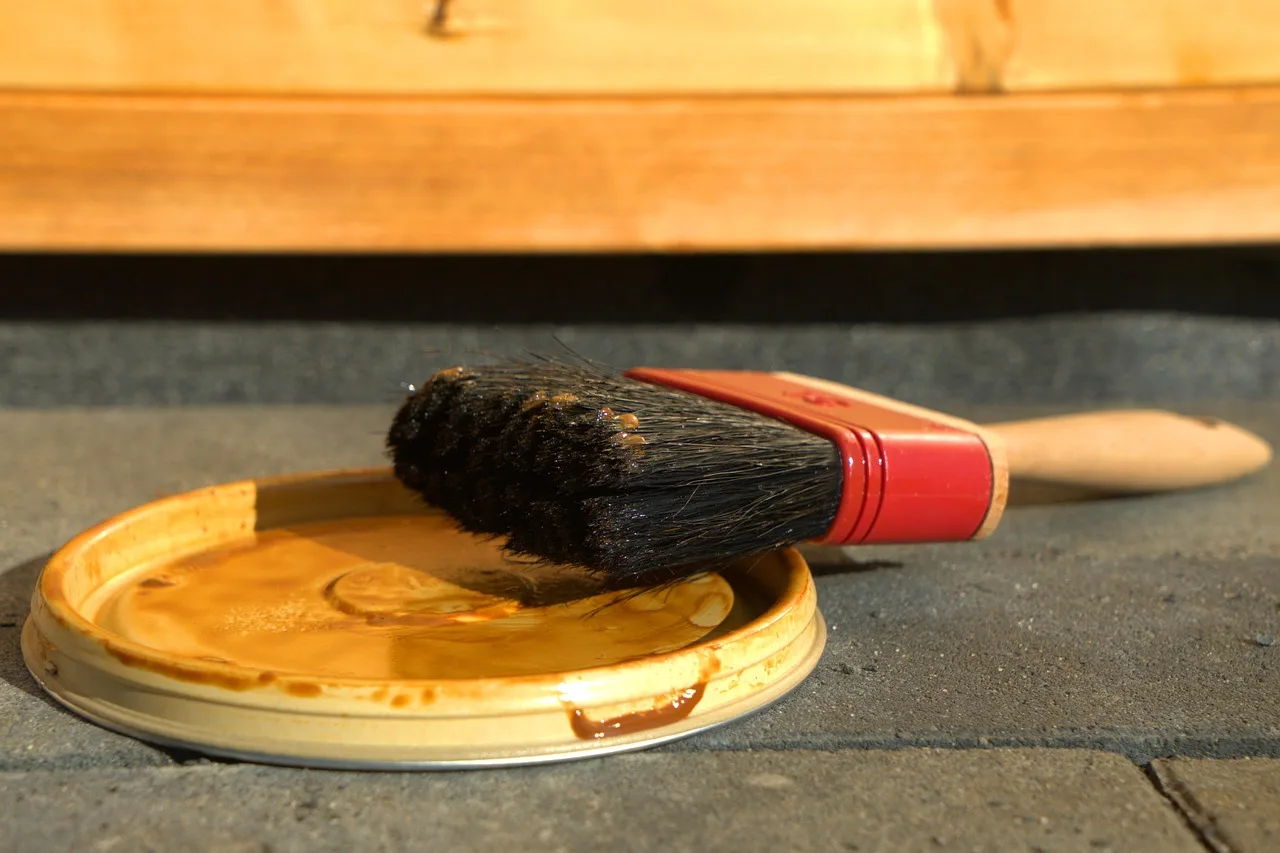
Prep is where many fence bids separate. The more finish that has failed, the more time the job takes. Cleaning, scraping, sanding, and drying all add labor before the first coat goes on, and that is why two fences of the same size can price very differently.
- Wash off dirt, mildew, and loose debris.
- Let the fence dry fully before coating.
- Scrape any peeling paint or loose stain.
- Sand rough edges and transition areas.
- Spot-prime bare wood and repaired sections.
- Mask hardware, nearby hardscape, and plants.
- Apply the agreed paint or stain system.
Scraping and sanding
Peeling paint is the most prep-heavy condition. Loose material has to come off before new coating can bond well. Sanding smooths the edges so the finish does not telegraph every flake and ridge. That labor is why repainting usually costs more than coating new bare wood.
Cleaning and dry time
Moisture matters. A fence that has just been washed needs dry time before primer or finish can go on. Humid weather slows the job, and wet boards can lead to adhesion problems. That delay is part of the schedule, and sometimes part of the quote.
Dealing with peeling paint
Faded stain or gray weathering is not the same as peeling paint. Weathered wood often needs cleaning and sanding, while peeling paint may need scraping, spot repair, and more extensive priming. The bid should reflect the actual coating condition instead of a generic per-foot price.
Fence repairs before painting
Cracked pickets, loose rails, rotten sections, missing fasteners, and damaged posts can change both cost and timing. Some painters include minor fixups in the labor line; others exclude them. If repairs are likely, ask for a separate line item so you can compare bids cleanly.
Picture a 6-foot privacy fence with several peeling sections near the bottom rails. A labor-only quote may look low at first, but once scraping, sanding, and spot priming are added, the installed price can move into the upper part of the range. The fence condition, not just the length, is driving the number.
Should you paint it yourself or hire a pro?
DIY can save money, but it trades cash savings for time, tools, and prep work. A homeowner who already owns brushes, rollers, sprayers, and safety gear can trim the budget, yet the job still takes surface prep, masking, and careful coating. Bigger or damaged fences usually make professional help more practical.
DIY labor savings
DIY painting often lands closer to the lower end of the price per square foot because labor is your own time. Materials still cost money, especially if you need primer, multiple coats, or exterior-rated paint that stands up to weather. Poor prep can erase the savings if the finish fails early.
Time and equipment needs
Fence painting is physically repetitive. You need enough dry time, a steady weather window, and a way to coat boards, rails, posts, and edges without misses. A sprayer can speed up coverage, but it also demands masking and cleanup. Brush-and-roll work takes longer but gives better control on detailed fences.
When a contractor makes more sense
Hire a pro if the fence is tall, badly peeling, hard to access, or large enough that the job will span several days. A contractor also makes sense when you want a single installed price that includes prep, materials, and cleanup. That structure reduces the chance of surprises.
How pros price the job
Some painters quote hourly, especially for small repair-heavy work. Others price by linear foot, which is easier to compare if the scope is clear. The cleanest bids state whether the price is labor only or materials inclusive, whether primer is included, and whether both sides, tops, and gates are part of the scope.
Frequently asked questions
How much should I charge to paint a wood fence?
If you are pricing the work yourself, base your charge on surface area, prep condition, and whether the quote includes one side or both sides. A light repaint on sound wood should price lower than a peeling-finish job. Add extra for gates, repairs, masking, and two coats of exterior-rated product.
What affects the cost to paint a wooden fence?
Fence height, length, condition, access, and coating system drive the price most. Privacy fences usually cost more than split-rail or post-and-rail styles because they have more painted area. Peeling paint, faded stain, and missing primer also raise labor and materials. Geographic labor rates matter as well.
Is it cheaper to paint or stain a wood fence?
Stain can be cheaper on some fences, especially when the wood is in good shape and the goal is color refresh rather than full coverage. Paint often costs more when prep is heavy because it needs a cleaner, more uniform surface. The right choice depends on the fence condition and the finish you want.
How much does fence length change painting cost?
Length changes the total almost linearly, but not perfectly. Taller fences and difficult access push those totals higher.
What does a pro fence painter include in the price?
That depends on the quote. A complete price may include washing, scraping, sanding, primer, paint or stain, masking, and cleanup. Some bids exclude repairs, gates, or the backside of the fence. Ask for a written scope so you can compare labor-only and materials-inclusive quotes fairly.
Can I save money by painting a fence myself?
Yes, especially on a smaller fence with minimal prep. DIY cuts labor cost, but it adds your time, tool cleanup, and weather planning. The savings shrink fast on large privacy fences, peeling paint, or any project that needs extensive scraping, priming, or second-side coverage.
Sponsored / affiliate links. As an Amazon Associate I earn from qualifying purchases. I may earn additional commission from eligible campaigns.