What’s the Cheapest Hardwood Flooring? Real Cost Tiers by Species
Red oak is the cheapest true solid hardwood flooring in most of the U.S., typically running $3–$8 per square foot for materials, with lower-grade boards dipping closer to $1–$3. But “cheapest” depends on whether you mean the wood species itself, the plank type (solid vs. engineered), or the lumber grade — three separate cost levers that most buying guides lump together. Here’s how each one actually moves the price, and where the real savings are.
The Cheapest Hardwood Species, Ranked by Real Cost Tier
Domestic species that grow abundantly in U.S. forests cost less because supply is high and mills don’t have to import or age them as long. Here’s how the common options stack up.
Best Underlayment for Engineered & Laminate Floors
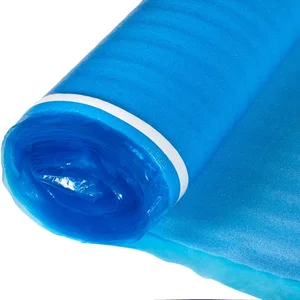 |
Bestlaminate 3-in-1 Vapor Barrier Underlayment – $28 If you’re going with engineered hardwood or laminate to save money, a moisture-barrier underlayment protects the plywood core and is often required to keep the flooring’s warranty valid.
|
| Species | Typical Cost Tier (per sq. ft., materials) | Why It’s Priced This Way |
|---|---|---|
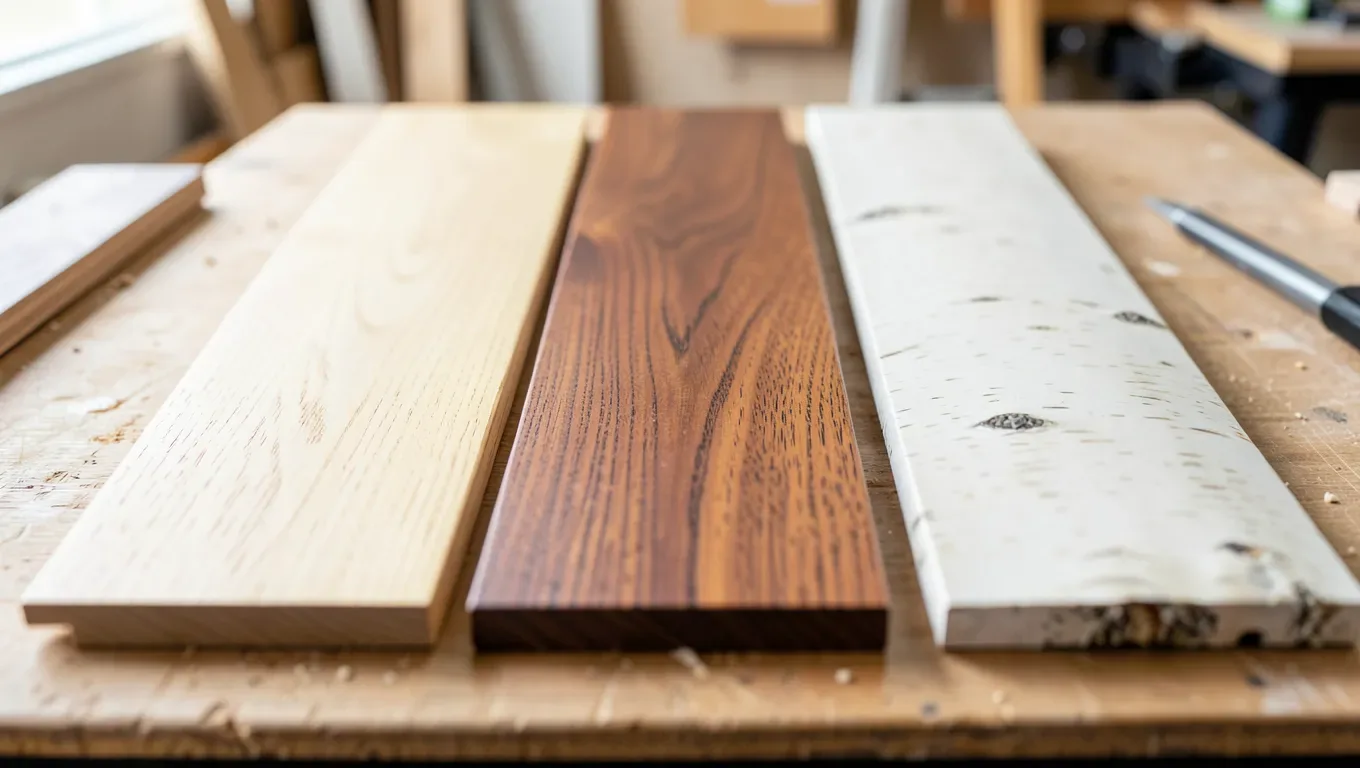
| Red Oak | Lowest of the true hardwoods — roughly $3–$8 | Most abundant domestic hardwood; mills process huge volumes, which keeps milling costs down |
| Hickory | Slightly above red oak — roughly $4–$10 | Also widely available and very hard, so it costs a bit more to mill and blade wear is higher |
| White Oak | A step up from red oak — roughly $5–$12 | Slower growing and more in demand for cabinetry/furniture, which pulls some supply away from flooring mills |
| Maple | Mid-range — roughly $6–$10 | Common domestic species, but tighter, more uniform grain costs slightly more to select and grade |
| Cherry, Walnut, exotics | Highest — often $10–$20+ | Slower-growing or imported; lower supply and higher shipping/import costs |
Because prices shift with lumber markets and region, treat these as relative tiers, not quotes — always get a current per-square-foot price from a local supplier or big-box store before budgeting a project. For a full room-by-room breakdown, our wood flooring cost estimator guide walks through the math. If you’re buying raw boards for a DIY project rather than pre-made flooring, board-foot pricing works differently — see our guide to the cheapest hardwood lumber to buy.
Solid Hardwood vs. Engineered Hardwood: The Bigger Cost Lever
Picking a cheaper species only moves the price so far. The bigger swing is solid vs. engineered construction, and most flooring articles blur the two together as if they’re the same product in different price tiers — they’re not.
Solid hardwood is one piece of wood, milled top to bottom, in a species like the ones above. Engineered hardwood is a thin layer of real hardwood veneer bonded over several layers of plywood or high-density fiberboard core. Because the core uses cheaper material and less of the expensive face species is needed, engineered flooring in a common species like oak often undercuts solid oak by a noticeable margin — and it’s frequently the least expensive way to get a genuine hardwood surface rather than a wood-look laminate or vinyl.
The tradeoff most guides skip: engineered hardwood’s veneer layer is thin, so it can typically only be sanded and refinished once, maybe twice, over its lifetime — versus solid hardwood, which can often be refinished four or more times across decades. In exchange, engineered floors are dimensionally more stable and tolerate humidity and temperature swings (like basements or homes with radiant heat) better than solid wood, which can cup or gap in those conditions. So the “cheaper” option isn’t automatically the better long-term value — it’s a real tradeoff between upfront cost and how many times you can restore the surface down the road.
A vapor/moisture barrier underlayment (like the one above) matters more for engineered floating floors than solid nail-down installs, since it protects the plywood core from subfloor moisture that a solid board would tolerate better on its own.
Is Poplar Really a “Cheap Hardwood”? The Distinction Most Guides Skip
Poplar shows up on almost every “cheap hardwood” list, and it is inexpensive — but calling it a cheap hardwood option glosses over what “hardwood” actually means. Botanically, hardwood just refers to trees that lose their leaves (deciduous), not how hard the wood physically is — see our full hardwood vs. softwood guide for how that classification actually works. Poplar is a hardwood by that botanical definition, but on the Janka hardness scale — the industry measure of how well a floor resists dents and wear — it’s actually softer than most species people think of as “hardwood floors,” closer to some softwoods than to oak or hickory.
That doesn’t make poplar a bad choice. It’s a reasonable budget option for low-traffic rooms, and it takes stain well enough to be dressed up to resemble a pricier species. But if the room gets real foot traffic — a kitchen, entryway, or living room with kids or pets — the lower Janka rating means it will show dents and wear faster than red oak or hickory at a similar price point. Knowing that distinction before you buy is the difference between “affordable and appropriate” and “affordable and regretting it in two years.”
How Lumber Grade Changes the Price (Without Changing the Species)
Here’s the lever most buying guides leave out entirely: within the same species, the grade of the lumber — not just what type of wood it is — can swing the price by 30-50% or more.
- Select/Better grade: Minimal color variation, few or no knots, longest boards. Costs the most within a species because mills have to sort out a smaller percentage of boards that qualify.
- #1 Common: More natural color variation and some small knots. A noticeably cheaper step down that still looks intentional in a lot of homes — this is often the sweet spot for budget-conscious buyers who still want real hardwood.
- #2 Common (and lower): Significant color/grain variation, more knots, shorter average board lengths. The cheapest tier of solid hardwood flooring you can buy, often $1–$3 per square foot for something like red oak — but expect a busier, more rustic look and more waste from short boards during installation.
If budget is the priority and you’re comfortable with a rustic, character-heavy look, dropping a grade within a species you already like (say, #2 Common red oak instead of Select oak) usually saves more money than switching to a cheaper species altogether.
Other Ways to Cut the Real Cost
Species, construction type, and grade control the material price. Two other factors control the total project cost:
- Installation method: Floating or click-lock engineered flooring can be installed without nails or heavy adhesive, which cuts labor cost significantly compared to a nail-down solid hardwood install — sometimes enough to offset paying more for the flooring itself. See our hardwood flooring installation cost breakdown for labor-vs-material specifics.
- Refinishing instead of replacing: If there’s already solid hardwood under old carpet or a worn finish, sanding and refinishing it is almost always cheaper per square foot than tearing it out and installing anything new, cheap species included.
FAQ
1. What is the single cheapest hardwood flooring species?
Red oak is generally the least expensive true solid hardwood in the U.S., because it’s the most abundant domestic species mills process. Within red oak, dropping to a #2 Common grade is the cheapest way to buy it.
2. Is engineered hardwood cheaper than solid hardwood?
Usually, yes. Engineered hardwood uses a thin veneer of real wood over a plywood or fiberboard core, which uses less of the expensive face species and typically costs less than solid boards of the same wood — though it can only be refinished a limited number of times over its life, unlike solid hardwood.
3. Is poplar a good budget flooring choice?
Poplar is inexpensive and technically a hardwood species botanically, but it’s soft on the Janka hardness scale compared to oak or hickory. It works fine in low-traffic rooms but dents and wears faster in high-traffic areas.
4. Does a lower lumber grade actually save real money?
Yes — often more than switching species. Dropping from Select/Better grade to #1 or #2 Common within the same species can cut the price 30-50%, in exchange for more natural color variation, knots, and shorter boards.
5. Do I need underlayment under cheap engineered or laminate flooring?
For floating installs, yes — a vapor barrier underlayment protects the plywood/fiberboard core from subfloor moisture and adds sound dampening, and most manufacturers require one to keep the flooring’s warranty valid.
6. Is it cheaper to refinish existing hardwood than install new budget flooring?
Often, yes. If solid hardwood already exists under carpet or old finish, sanding and refinishing it is typically cheaper per square foot than removing it and installing any new flooring, including low-cost species.
Sponsored / affiliate links. As an Amazon Associate I earn from qualifying purchases. I may earn additional commission from eligible campaigns.