Kitchen Hardwood Floor Ideas: Stunning Designs to Transform Your Space
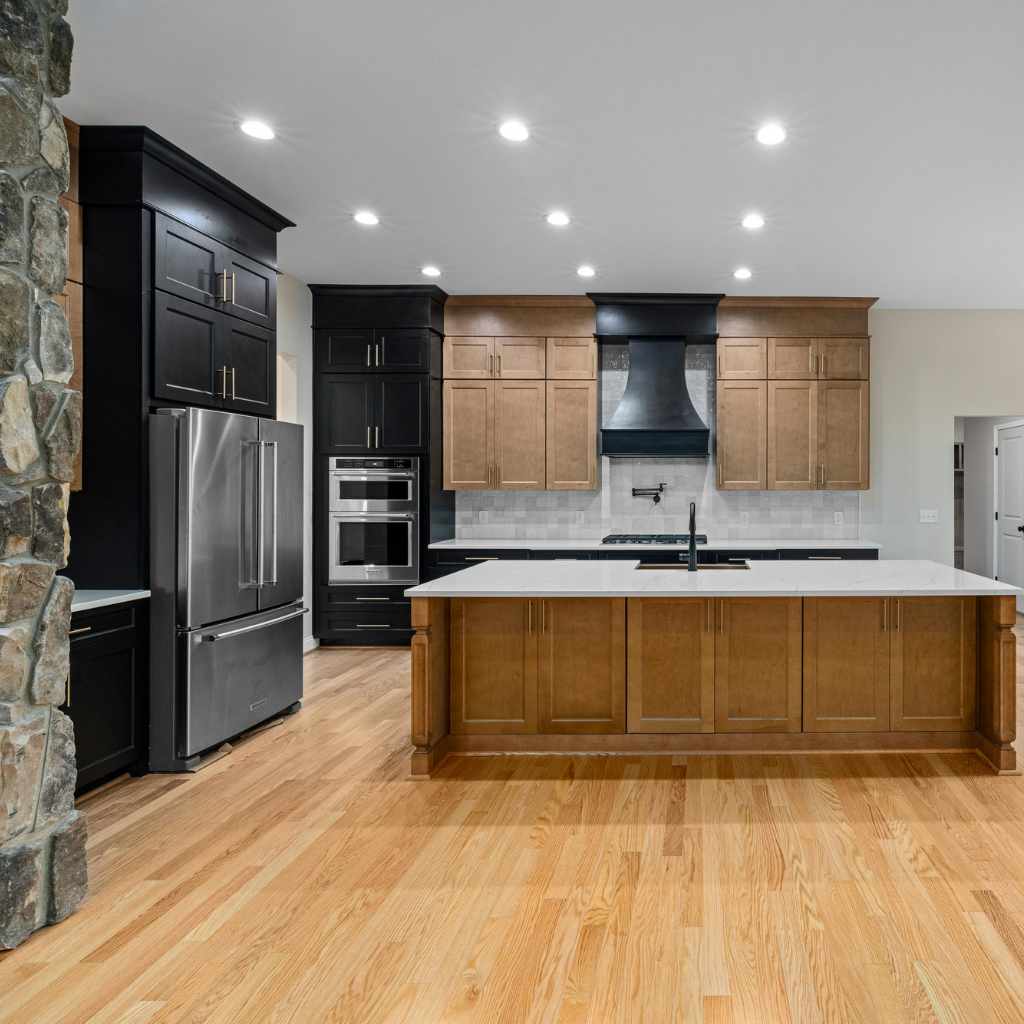
Are you ready to transform your kitchen into a warm, inviting space that feels both stylish and cozy? Choosing the right hardwood floor can make all the difference in how your kitchen looks and feels every day.
Whether you want a classic look or something more modern, the right flooring will boost your home’s charm and value. You’ll discover practical and inspiring kitchen hardwood floor ideas that fit your style and lifestyle. Keep reading to find the perfect floor that turns your kitchen into the heart of your home.
Choosing The Right Hardwood
Choosing the right hardwood for your kitchen floor is important. It affects the room’s style and how long the floor lasts. Hardwood floors add warmth and beauty, but different woods have different features. Pick a wood type that fits your needs and matches your kitchen’s look.
Consider how much wear the floor will get. Think about the colors and patterns that suit your space. Knowing these details helps you choose the best hardwood for your kitchen.
Popular Wood Types
Oak is a classic choice. It is strong and has a grain that looks good in many styles. Maple offers a smooth look with a light color. Hickory is very hard and has a bold grain pattern. Walnut gives a rich, dark color with unique grains. Cherry wood changes color over time, adding warmth.
Durability And Maintenance
Hardwood in the kitchen needs to handle spills and foot traffic. Some woods resist dents and scratches better than others. Oak and hickory are very durable. Maple is harder but shows dents more. Regular cleaning keeps floors looking fresh. Use mild cleaners and avoid excess water. Refinishing the floor can fix wear and scratches.
Color And Grain Options
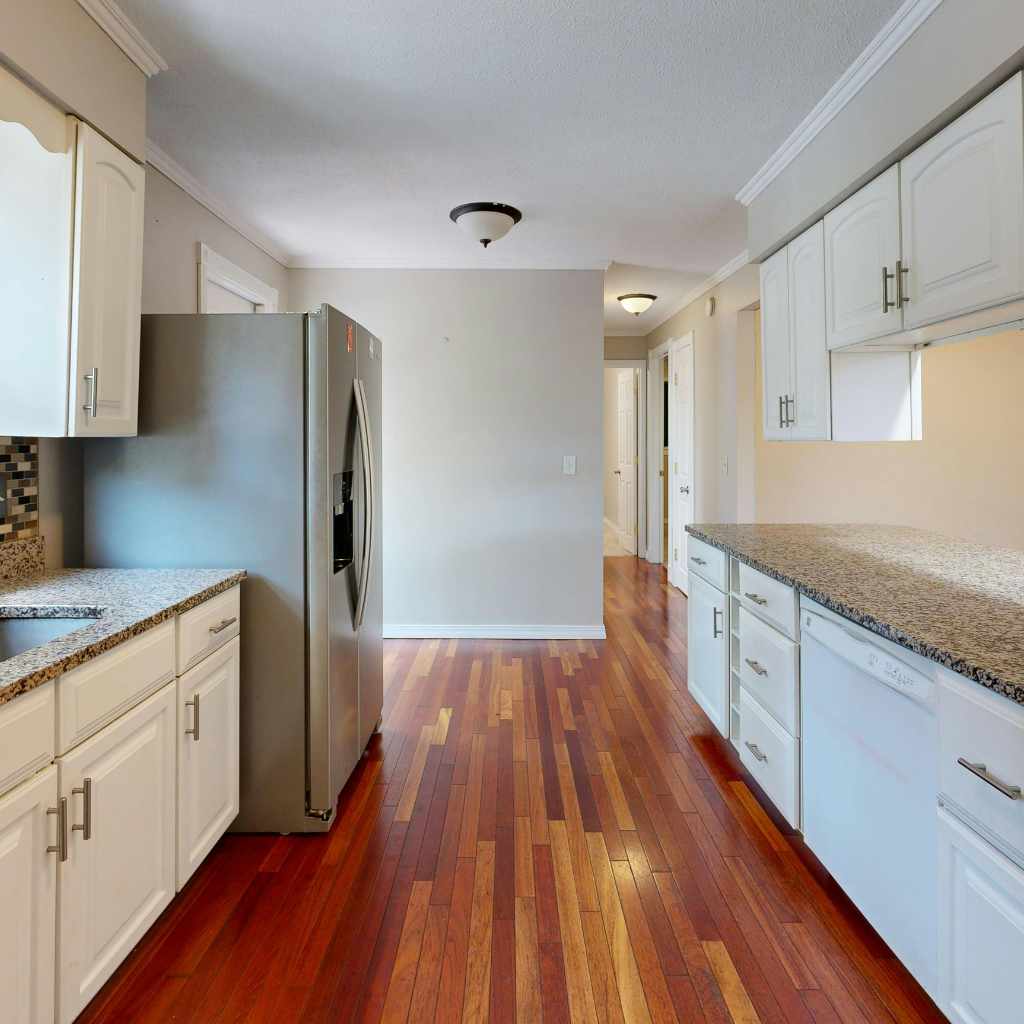
Hardwood comes in many colors, from light to dark. Lighter woods make kitchens feel bigger and brighter. Dark woods add a cozy, elegant touch. Grain patterns vary from straight lines to swirls. Choose grain patterns that match your kitchen style. Smooth grains suit modern kitchens. Bold grains fit rustic or traditional designs.
Design Styles For Kitchens
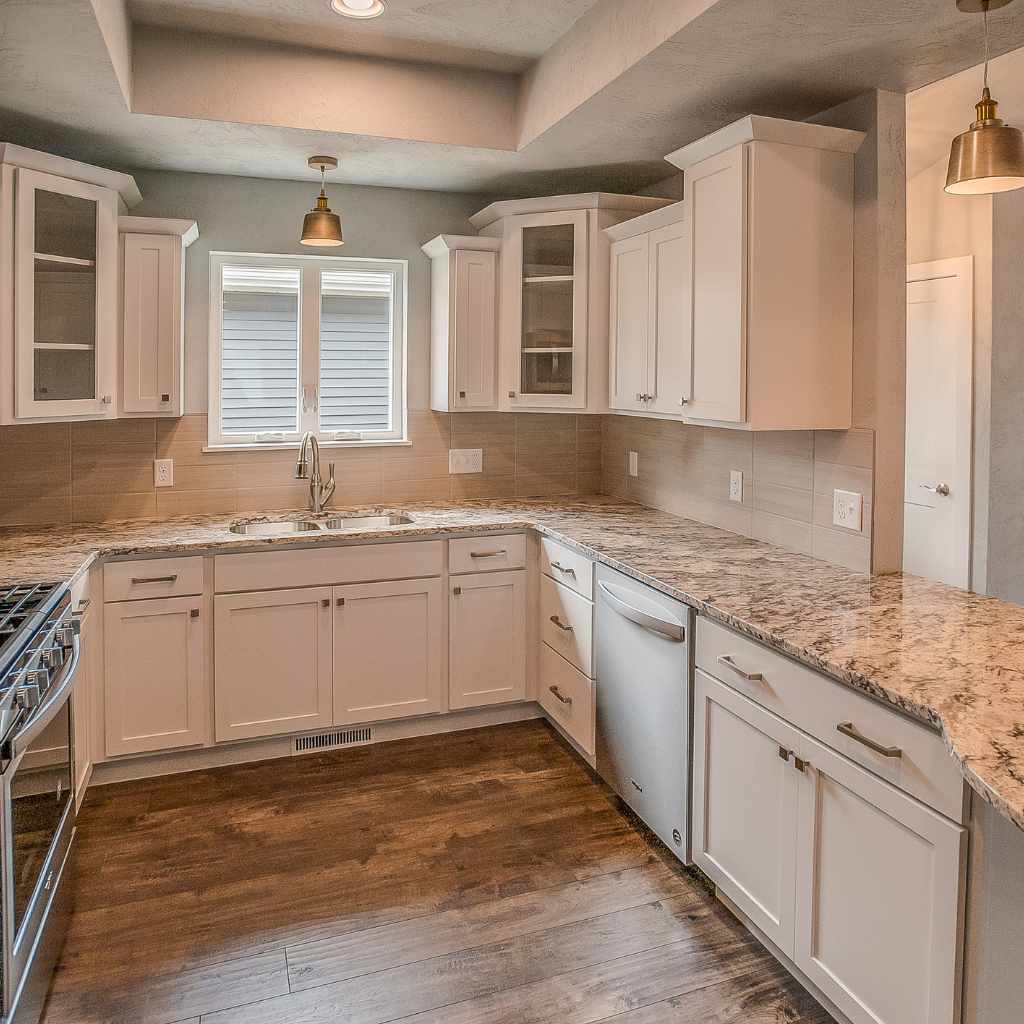
Choosing the right design style is key for kitchen hardwood floors. The style sets the mood and makes the space feel inviting. Hardwood floors fit many kitchen themes. They add warmth and charm to every design.
Here are popular design styles for kitchens using hardwood floors. Each style has unique features that highlight the wood’s beauty.
Classic And Traditional
Classic kitchens focus on timeless beauty. Hardwood floors in rich colors like walnut or cherry work well. They bring a sense of history and elegance. Patterns like herringbone or wide planks add character. These floors pair with detailed cabinets and vintage fixtures. The result feels warm and welcoming.
Modern And Minimalist
Modern kitchens use clean lines and simple shapes. Light-colored hardwood floors like maple or oak are perfect. They create a bright and open look. Narrow planks or smooth finishes keep floors sleek. This style values function and space. Hardwood floors add natural texture without clutter.
Rustic And Farmhouse
Rustic kitchens embrace a cozy, lived-in feel. Hardwood floors with knots and grains show natural beauty. Distressed or hand-scraped finishes add character. Warm tones like honey or chestnut enhance the farmhouse vibe. These floors fit well with wooden beams and open shelves. The look feels inviting and relaxed.
Floor Patterns To Consider
Choosing the right floor pattern can change the entire look of your kitchen. Patterns create style and add character. They also help make your kitchen feel larger or cozier, depending on the design. Here are some popular floor patterns to consider for your hardwood kitchen floor.
Herringbone And Chevron
Herringbone and chevron are classic floor patterns. Both use short wood pieces arranged in a zigzag style. Herringbone has a broken zigzag, with each plank meeting at a right angle. Chevron planks meet at a point, forming a continuous V shape. These patterns add elegance and visual interest to your kitchen. They work well in both small and large spaces.
Wide Planks And Narrow Strips
Wide planks give a bold and modern look. They show more wood grain and color variation. Narrow strips create a more traditional, detailed look. They can make the floor appear longer or wider. Choose wide planks for a simple, clean style. Narrow strips suit kitchens with classic or vintage decor.
Mixed Width Patterns
Mixed width patterns combine wide and narrow planks. This creates a natural, rustic feel. It adds texture and depth to the floor. Mixed widths work well with different wood tones. This pattern is perfect for kitchens that want a unique, handcrafted look. It breaks the monotony of uniform planks and adds charm.
Finishes And Treatments
Choosing the right finish and treatment is key for kitchen hardwood floors. It affects look, feel, and durability. Finishes protect wood from spills, scratches, and daily wear. Treatments can change color and texture too. Understanding these options helps pick the best style and protection.
Matte Vs. Glossy
Matte finishes have a soft, natural look. They hide scratches and dirt well. Glossy finishes shine bright and show off wood grain. They make floors look clean and polished. Matte is good for a cozy, casual kitchen. Glossy fits modern, sleek spaces. Both finishes need care to stay beautiful.
Staining Techniques
Staining changes the wood color without hiding its grain. Light stains keep a natural, airy feel. Dark stains add richness and drama. You can mix colors for a unique look. Stains also help match floors to cabinets and walls. Proper staining brings warmth and style to any kitchen.
Protective Coatings
Protective coatings shield floors from moisture and damage. Polyurethane is common for strong protection. It comes in water- or oil-based forms. Wax gives a soft, warm finish but needs more upkeep. Some coatings resist heat and stains better. Choosing the right coating keeps hardwood floors looking great longer.
Combining Hardwood With Other Materials
Combining hardwood with other materials creates a unique kitchen floor design. It adds texture, color, and interest to the space. This mix also helps highlight the natural warmth of hardwood. Different materials bring new life to traditional floors.
Blending hardwood with stone, tile, rugs, or metal can define areas and add style. It makes the kitchen feel cozy yet modern. These combinations fit well in all kitchen sizes and styles.
Tile And Stone Accents
Tile or stone accents break the hardwood pattern with cool textures. They work well near sinks, stoves, or entryways. These materials resist water and stains better than wood. Use tiles in geometric shapes for a modern look. Natural stone adds an earthy, rustic feel. Small tile borders or insets create subtle design highlights.
Area Rugs And Mats
Area rugs soften hardwood floors and add color. Place rugs near cooking or washing spots for comfort. Mats protect hardwood from spills and scratches. Choose easy-to-clean rugs with low pile for kitchens. Bright colors or patterns bring energy to the space. Rugs also reduce noise and warm cold floors.
Metal And Glass Elements
Metal and glass accents add shine and contrast to hardwood floors. Use metal strips or grids to separate wood sections. Glass tiles or inserts catch light and create sparkle. These materials give a sleek, modern vibe. Metal trims protect floor edges while adding style. Glass details brighten dark hardwood areas beautifully.
Maintenance Tips For Longevity
Keeping kitchen hardwood floors in great shape takes regular care. Proper maintenance helps these floors last many years. Small efforts every day protect their beauty and strength. Follow these simple tips to keep your floors looking fresh and new.
Cleaning Best Practices
Use a soft broom or vacuum to remove dust daily. Avoid wet mops that leave water on wood. Instead, use a damp mop with a cleaner made for hardwood. Clean spills quickly to stop stains and warping. Keep dirt and grit off floors to prevent scratches.
Preventing Scratches And Damage
Place mats at doors to catch dirt and moisture. Use felt pads under furniture legs to avoid marks. Avoid walking on floors with high heels or cleats. Keep pet nails trimmed to reduce scratches. Move heavy items carefully; lift instead of drag.
Refinishing And Repairs
Refinish floors every few years to restore shine and protect wood. Sanding removes old finish and smooths surface before applying new coat. Repair scratches with wood filler or touch-up kits. For deep damage, call a professional for best results. Regular upkeep delays costly repairs and keeps floors strong.
Budgeting Your Hardwood Floor Project
Planning your kitchen hardwood floor project starts with setting a clear budget. Knowing how much money to spend helps avoid surprises. It also guides choices about materials and installation methods. A smart budget balances quality and cost to get the best value.
Cost Factors To Consider
Wood type affects price a lot. Some woods like oak cost less. Exotic woods like walnut are pricier. The floor’s thickness also changes the price. Thicker planks last longer but cost more. Finishing and sealing add extra expenses. Don’t forget delivery and removal of old floors.
DIY Vs. Professional Installation
Installing hardwood floors yourself saves labor costs. It requires tools and some skill. Mistakes can be costly to fix. Professionals work faster and ensure quality. Their fees vary by region and project size. Consider your time and ability before deciding.
Long-term Investment Value
Hardwood floors add value to your home. They last for decades with care. Easy to clean and repair. Well-installed floors improve kitchen comfort and style. A higher upfront cost can mean lower upkeep later. Think of it as an investment, not just expense.
Frequently Asked Questions
What Are The Best Hardwoods For Kitchen Flooring?
Oak, maple, and hickory are top hardwood choices. They offer durability, water resistance, and a timeless look. These woods handle kitchen traffic well and complement various decor styles. Proper finishing enhances their longevity and moisture protection.
How Do I Maintain Hardwood Floors In The Kitchen?
Clean spills immediately to prevent damage. Use gentle cleaners and avoid harsh chemicals. Regular sweeping or vacuuming removes dirt and grit. Refinish floors every few years to maintain shine and protect wood from wear and tear.
Can Hardwood Floors Handle Kitchen Moisture?
Yes, with proper sealing and maintenance, hardwood floors can resist moisture. Use water-resistant finishes and wipe spills quickly. Avoid excessive water during cleaning. Proper ventilation also helps reduce humidity and protect the wood.
What Hardwood Floor Styles Suit Modern Kitchens?
Wide planks, light stains, and matte finishes suit modern kitchens. These styles create a clean, spacious look. Mixed wood tones and herringbone patterns add visual interest while maintaining a contemporary feel.
Conclusion
Choosing the right hardwood floor can change your kitchen’s feel. Warm tones bring cozy vibes. Light colors make space look bigger. Dark shades add a touch of elegance. Think about durability and maintenance. Oak, maple, and cherry are great options.
Add rugs for comfort and style. Hardwood floors last long with proper care. Your kitchen will look beautiful and inviting. Simple choices can make a big impact. Enjoy the charm hardwood floors bring to your home.