Labor Cost to Install Wood Flooring in 2026: Price Per Sq. Ft.
Labor to install wood flooring typically costs $3 to $12 per square foot in 2026, with most homeowners paying $4 to $8 per square foot for straightforward solid or engineered hardwood installation. For a 1,000-square-foot room, that puts labor alone at roughly $3,000 to $8,000 before materials, subfloor prep, or old-floor removal are added in. The exact number for your project depends on the wood type, your region, and what your subfloor needs before a single plank goes down.
What Determines the Labor Cost to Install Wood Flooring?
Labor accounts for roughly 50% to 70% of a wood flooring project’s total cost, and it’s rarely a single flat number. Installers price the job based on the wood type you choose, the square footage involved, local labor rates, and how much work the subfloor needs before installation can even start. Two homes in different parts of the country, with the same square footage and the same flooring, can still end up with labor quotes thousands of dollars apart.
Best For Checking Subfloor Moisture Before Install
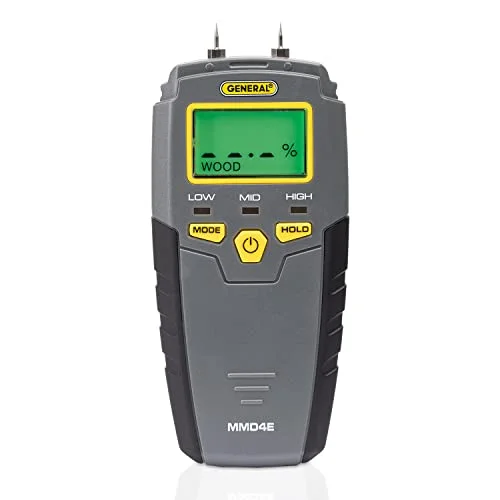 |
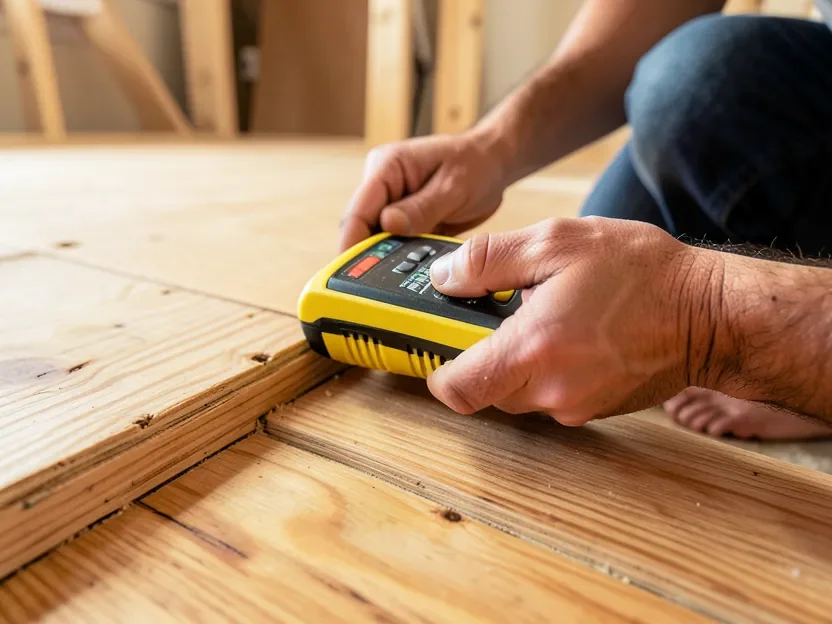
General Tools MMD4E Moisture Meter – $39.98 A subfloor with too much moisture is one of the most common reasons a flooring quote balloons mid-job — checking it yourself before contractors arrive helps you catch that cost driver early.
|
One factor that’s easy to overlook when comparing quotes: what condition your subfloor is actually in. A quick moisture check before contractors walk through can flag a problem — and its added cost — before it becomes a surprise on the final invoice.
Labor Cost by Wood Flooring Type
Not all wood flooring installs the same way, and the method directly affects what a contractor will charge for labor:
- Solid hardwood (oak, maple, walnut): nailed or glued directly to the subfloor. Labor runs roughly $4 to $8 per square foot because fitting and fastening take more skill and time, and unfinished solid wood often needs on-site sanding, staining, and sealing afterward — adding another $3 to $5 per square foot.
- Engineered wood: a real hardwood veneer over a stable plywood core, installed by gluing, nailing, or floating (clicking planks together). Floating installation is the fastest and cheapest labor-wise, typically $3 to $6 per square foot.
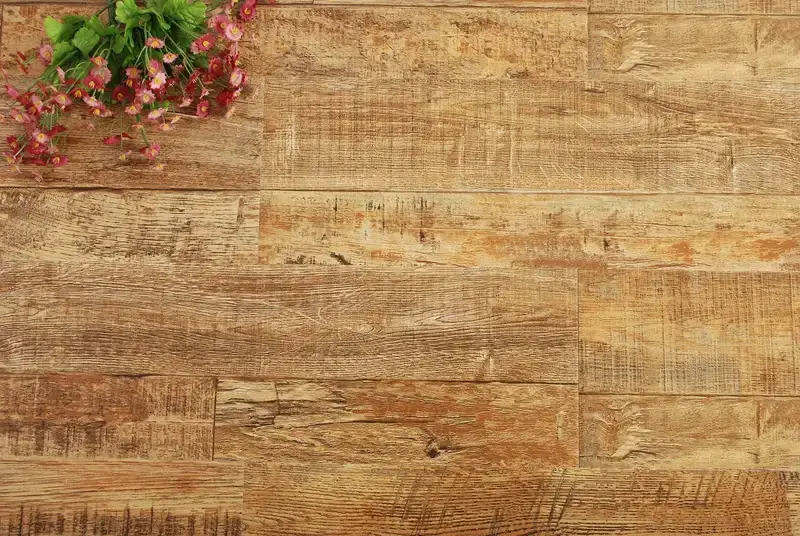
- Reclaimed wood: salvaged boards that are rarely uniform in thickness or width, requiring custom fitting board by board. Labor for reclaimed wood commonly runs $6 to $10 per square foot.
Quick comparison:
| Type of Wood Flooring | Labor Cost per Sq. Ft. | Installation Method |
|---|---|---|
| Solid Hardwood | $4–$8 | Nail/Glue |
| Engineered Wood | $3–$6 | Glue/Nail/Float |
| Reclaimed Wood | $6–$10 | Custom Nail/Glue |
Total installed cost (materials plus labor) for wood flooring generally falls between $6 and $25 per square foot, with most projects landing in the $10 to $16 range once basic prep is factored in.
Factors That Influence Labor Costs
Contractors weigh several project-specific details when building a quote. These are the factors that move the number most:
Size of the Area
Larger jobs often earn a lower per-square-foot rate, since setup and travel time get spread across more square footage. A 500-square-foot room might price out around $5 per square foot, while a 2,000-square-foot whole-floor job could drop closer to $4 per square foot with the same crew.
Location in the USA
Regional labor rates and cost of living drive real swings in price. Midwest and many rural markets often run $3 to $5 per square foot, while high cost-of-living metro areas like New York or San Francisco frequently charge $6 to $8 per square foot for the same work. Always compare quotes from installers local to your area rather than a national average.
Subfloor Preparation
This is one of the most common sources of quote surprises. If the subfloor isn’t level, has moisture issues, or has old adhesive or tile residue that needs scraping, expect an added $1 to $4 per square foot before installation can even begin. A quick moisture reading on the subfloor, taken before contractors walk through, can flag this ahead of time instead of after the invoice arrives.
Removal of Old Flooring
Removing and hauling away carpet, tile, or an old wood floor typically adds $1 to $3 per square foot. Nailed hardwood removal tends to run $2 to $3 per square foot, while glued-down hardwood or tile costs more — often $3 to $4.50 per square foot — because the adhesive has to be scraped and the subfloor cleaned up before new flooring goes down.
Installation Patterns
Straight-plank installation is the cheapest labor-wise. Herringbone, chevron, and other custom patterns require significantly more cutting and layout precision, adding roughly $2 to $5 per square foot on top of the base installation rate.
Stairs and Additional Features
Transitions, baseboards, and especially stair installations add labor time. Stairs are particularly labor-intensive and are commonly priced per step rather than per square foot, so ask your contractor for a separate stair line item if your project includes them.
How to Get Accurate Quotes from Contractors
Quotes for the same job can vary by well over a thousand dollars between contractors, so getting at least three itemized estimates is worth the extra time. A few things make the comparison easier:
- Be specific about the project: square footage, wood type, and any extras like patterns or stairs. Photos of the space help installers estimate more accurately before they visit.
- Ask for an itemized quote that separates labor, materials, and prep work, so you can spot if one contractor is charging significantly more for subfloor prep than another.
- Check reviews and references for local contractors before signing anything — a low bid from an unreliable installer often costs more once mistakes need fixing.
- Ask about timeline, since rush jobs are frequently priced higher than projects booked a few weeks out.
Ways to Save on Labor Costs
Wood flooring installation isn’t cheap, but there are legitimate ways to bring the labor bill down without cutting corners on the install itself:
- Handle demo yourself: pulling up old carpet or clearing furniture before the crew arrives can save $1 to $2 per square foot in labor.
- Choose a simpler layout: straight-plank installation avoids the added labor cost of herringbone or chevron patterns.
- Compare material sourcing: some contractors mark up flooring materials; buying wood directly from a supplier and having the contractor handle labor only can lower the total.
- Time the project for the off-season: many installers have lighter schedules in winter and may offer a discount to fill the calendar.
- Bundle multiple rooms into one job. Installers often price a multi-room project lower per square foot than the same rooms booked separately.
Hidden Costs to Watch Out For
Even a well-planned project can run into add-ons that weren’t in the original quote. Ask about these upfront:
- Subfloor repairs: uneven or moisture-damaged subfloors can add hundreds of dollars once a contractor inspects underneath the old flooring.
- Permits: some municipalities require a permit for flooring work, typically $50 to $200 — check with your local building department.
- Disposal fees: hauling away old flooring and debris commonly runs $100 to $300 depending on volume.
- Delay costs: late material delivery or a job that runs longer than scheduled can add extra labor charges — confirm delivery dates before work begins.
Is DIY Installation Worth It?
DIY installation can save the $3 to $8 per square foot you’d otherwise pay in labor, but it’s not the right call for every project or every skill level.
- Pros: full control over the schedule, real labor savings, and floating engineered wood is genuinely approachable for a beginner.
- Cons: the real cost of DIY includes tool rental ($50 to $150), disposal fees ($79 to $350), and 4 to 16 hours of physical labor for an average room — before accounting for the risk of a mistake. Solid hardwood in particular requires pro-level skill for nailing and sanding, and a botched DIY attempt often costs more to fix than hiring a professional from the start.
Floating engineered wood in a small, simple room is the most reasonable DIY candidate. For larger spaces, solid hardwood, or any custom pattern, professional installation is worth the added cost.
Why Investing in Quality Labor Pays Off
Skilled installation costs more upfront, but a poorly installed floor — gaps between boards, uneven transitions, squeaks from inadequate fastening — often has to be partially redone, which costs more than paying for quality labor the first time. A well-installed wood floor should deliver:
- A smooth, tight-fitting finish that holds up for decades with normal maintenance.
- Fewer callbacks or repairs in the first few years after installation.
- A finished look that supports your home’s resale value.
Conclusion
Labor is the biggest variable in a wood flooring project, and it’s driven by wood type, square footage, your region, and what the subfloor needs before installation starts. Getting several itemized quotes, checking the subfloor condition ahead of time, and understanding where hidden costs tend to hide are the best ways to avoid budget surprises. For a broader look at material types, costs, and long-term care, see our full wood flooring guide. If you still have questions, the FAQs below cover the ones that come up most.
Frequently Asked Questions
How much does it cost to install wood flooring in a 1,000-square-foot home?
Labor alone typically runs $3,000 to $8,000 for 1,000 square feet, depending on wood type and how much subfloor prep is needed. Add materials at roughly $4 to $12 per square foot, and a full installed project (materials plus labor) usually lands between $7,000 and $20,000. Get a written, itemized quote for your specific home since regional labor rates vary.
Can I save money by installing wood flooring myself?
DIY can save the $3 to $8 per square foot you’d otherwise pay in labor, but factor in tool rental ($50 to $150), disposal fees for old flooring ($79 to $350), and the real risk of a mistake on solid hardwood that costs more to fix than hiring a pro from the start. Floating engineered wood is the most beginner-friendly option if you do go the DIY route.
Why do labor costs vary so much across the USA?
Local cost of living and contractor demand drive most of the swing. Installers in high cost-of-living metro areas like New York or San Francisco often charge $6 to $8 per square foot, while many Midwest and rural markets run $3 to $5. Getting at least three local quotes is the only reliable way to know your area’s actual rate.
What’s the cheapest wood flooring to install?
Engineered wood floated over an existing subfloor is generally the least expensive to install, with labor around $3 to $6 per square foot, since floating installation skips nailing or gluing. Solid hardwood and reclaimed wood both cost more in labor because they require more precise fitting and, often, on-site finishing.
Do I need to remove old flooring before installing wood?
In most cases, yes. Contractors typically charge $1 to $3 per square foot to remove and dispose of carpet, tile, or vinyl, with glued-down hardwood or tile costing more to remove than a nailed floor. Some floating floor systems can go over existing flooring, but only if your installer confirms the height and subfloor condition allow it.
Does subfloor moisture affect labor cost?
Yes, and it’s one of the most commonly underestimated cost drivers. If a moisture check turns up excess moisture in a plywood or concrete subfloor, expect to pay for drying time, a vapor barrier, or subfloor leveling before installation can start — often adding $1 to $4 per square foot. Testing moisture before you get quotes helps you budget for this instead of getting a surprise mid-project.
How long does it take to install wood flooring?
Most 1,000-square-foot installations take 1 to 3 days once the crew starts, though subfloor repairs, custom patterns like herringbone, or stair work can add extra days. Ask your contractor for a written timeline that separates prep time from install time so delays are easier to track.
Sponsored / affiliate links. As an Amazon Associate I earn from qualifying purchases. I may earn additional commission from eligible campaigns.