Lawn Tractor Vs Garden Tractor: Ultimate Guide to Choose Right
When it comes to keeping your yard in top shape, choosing the right tractor can make all the difference. You might be wondering: should you go for a lawn tractor or a garden tractor?
Both have their strengths, but knowing which one fits your needs can save you time, money, and frustration. You’ll discover the key differences, benefits, and which tractor suits your property best. By the end, you’ll feel confident making a choice that turns your outdoor chores into a smooth, satisfying experience.
Let’s dive in and find the perfect match for your lawn and garden.
Lawn Tractor Basics
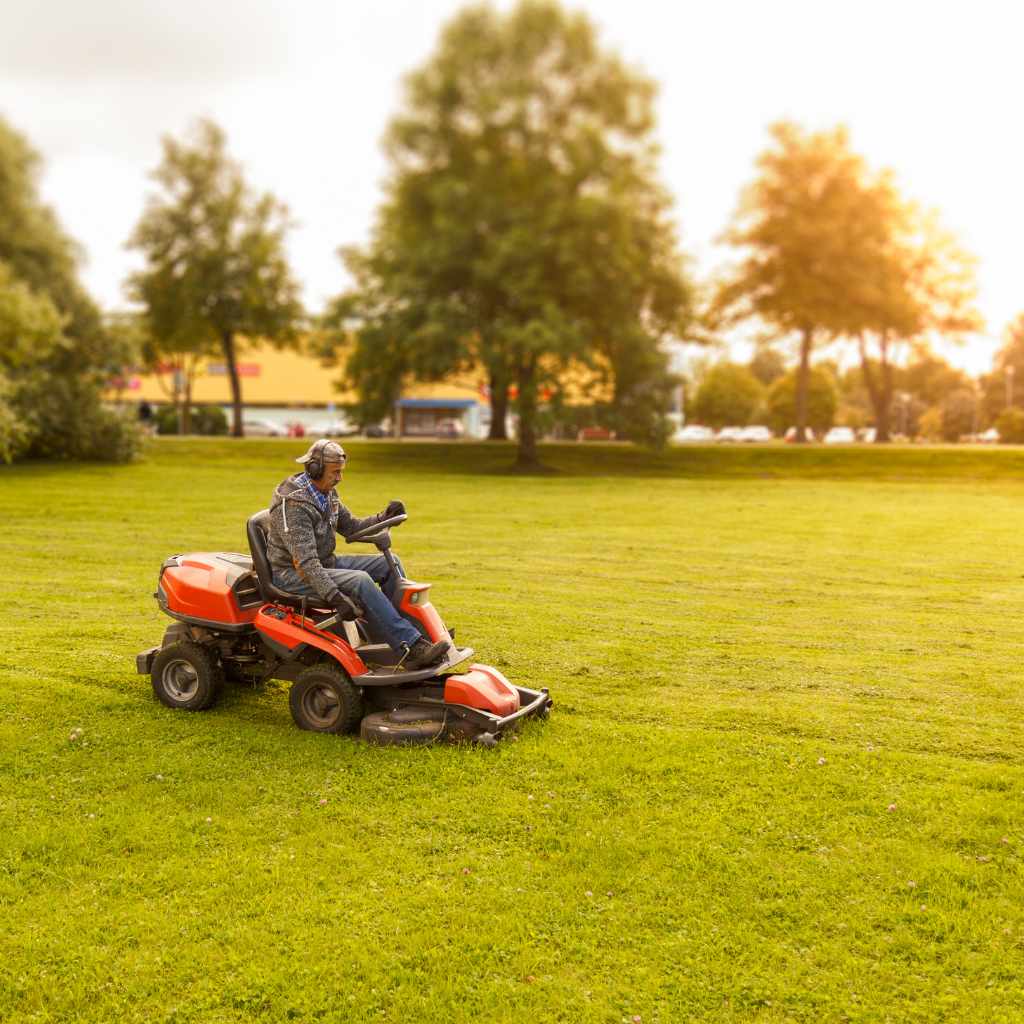
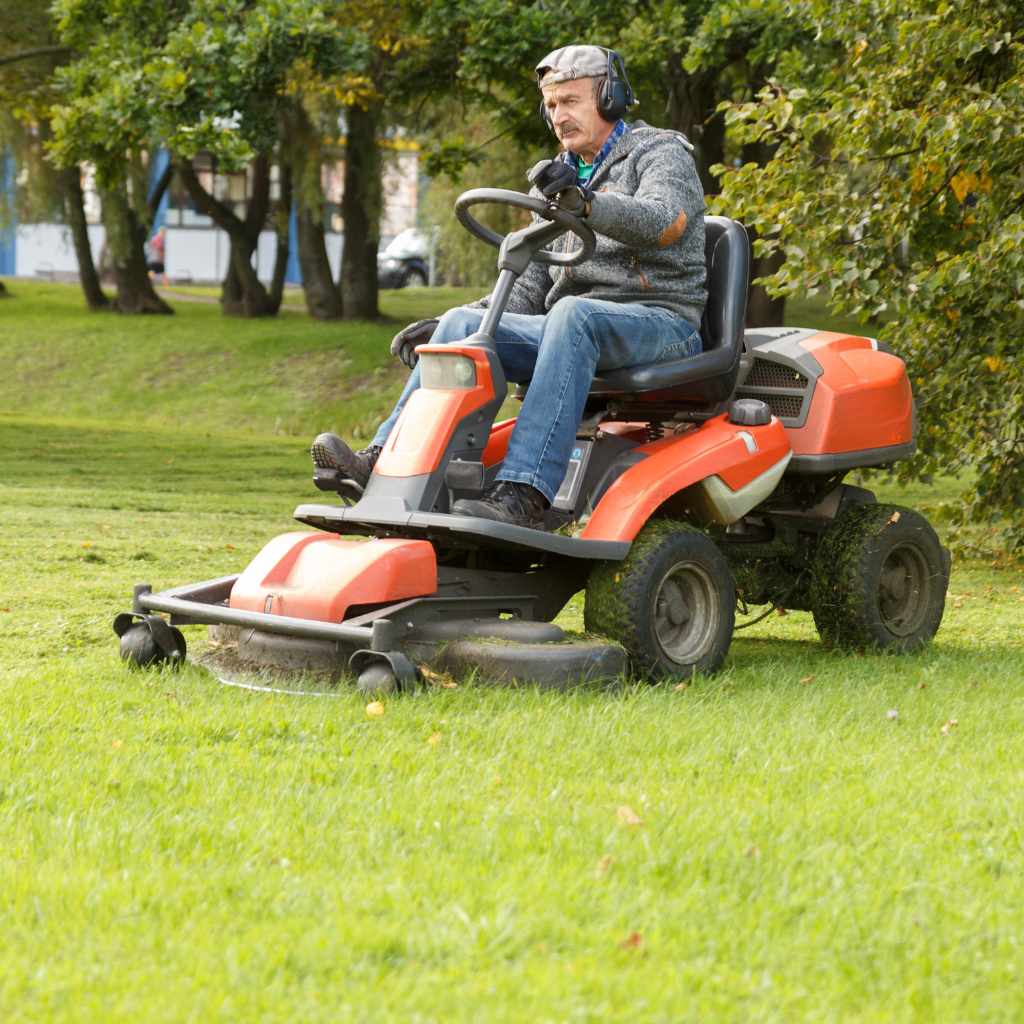
Lawn tractors are popular machines designed to make lawn care easier. They combine power and comfort for efficient mowing. These tractors are built for home use, especially on medium to large lawns.
Understanding the basics of lawn tractors helps you choose the right tool. This section explains their key features, common uses, and main advantages.
Key Features
Lawn tractors have a low, wide frame for stability. They come with a cutting deck under the body. The deck size varies, usually between 30 to 54 inches. Most models have a steering wheel and comfortable seat. Engines range from 12 to 25 horsepower. Some include attachments like baggers or mulchers. The transmission is often automatic or hydrostatic for easy control.
Typical Uses
These tractors mainly cut grass on lawns. They work best on flat or gently sloped yards. Lawn tractors can handle large areas quickly. Some models pull small trailers or garden carts. They can also clear snow with the right attachment. Lawn tractors help maintain neat and even grass surfaces.
Advantages
Lawn tractors are easy to operate and maneuver. They save time compared to push mowers. Their size fits most home garages or sheds. These tractors offer a smooth and comfortable ride. They provide consistent cutting results on various grass types. The ability to add tools makes them versatile. Lawn tractors are generally affordable and reliable for homeowners.
Garden Tractor Essentials
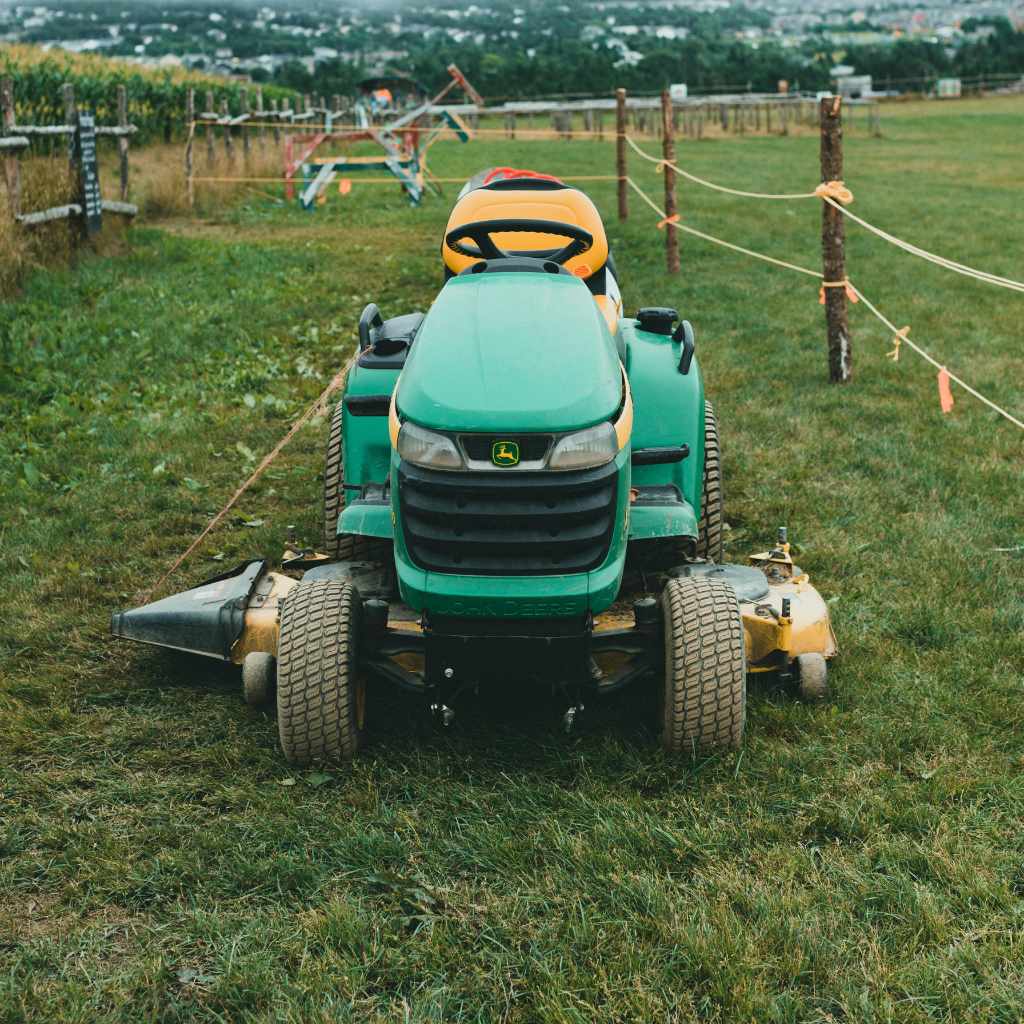
Garden tractors are powerful machines designed for tough outdoor work. They differ from lawn tractors in size, strength, and features. Understanding garden tractor essentials helps you decide if it fits your needs.
Garden tractors handle bigger tasks on larger properties. They offer durability and versatility for a range of chores. Learn the core traits, common uses, and benefits of garden tractors below.
Core Characteristics
Garden tractors have strong engines, usually over 20 horsepower. They come with heavy-duty frames and wider tires. Most models include a gear transmission for better control. Attachments like plows, tillers, and loaders fit easily. They have a higher ground clearance than lawn tractors.
Common Applications
Garden tractors work well for mowing large lawns and fields. They can pull trailers and carts for hauling materials. Many owners use them for snow removal in winter. They also help with gardening tasks like tilling soil. Some models support landscaping jobs and light construction work.
Benefits
Garden tractors save time on big outdoor chores. Their power handles heavy tasks with ease. They offer strong traction and stability on rough ground. Using attachments makes them versatile machines. Garden tractors last long with proper care and maintenance.
Engine And Power Differences
The engine and power are key differences between lawn tractors and garden tractors. These machines serve different tasks, so their engines reflect that. Understanding their engine power helps pick the right tractor for your needs.
Both types use engines designed to move efficiently. But garden tractors usually have stronger engines for heavier work. The power affects how well they handle tough tasks like towing or digging.
Horsepower Comparison
Lawn tractors often have engines with 15 to 25 horsepower. This power suits cutting grass and light yard work. Garden tractors start around 20 horsepower and can go above 30. This higher power helps with heavy-duty jobs and attachments.
More horsepower means the tractor can pull bigger loads and work longer without strain.
Fuel Types
Most lawn tractors run on gasoline. Gas engines are easy to start and maintain. Garden tractors may use gasoline or diesel fuel. Diesel engines provide better fuel efficiency and more torque. This makes garden tractors better for long or tough jobs.
Choosing fuel type depends on the work and fuel availability.
Performance Factors
Engine size and design affect performance. Garden tractors often have larger engines with cooling systems. This helps keep the engine cool during hard work. Lawn tractors focus more on smooth operation and quiet running.
Transmission and engine tuning also impact how power is delivered. Garden tractors offer more control for difficult tasks. Lawn tractors prioritize ease of use for mowing and light chores.
Size And Maneuverability
Size and maneuverability are key factors when choosing between a lawn tractor and a garden tractor. The size affects where you can use the tractor and how easy it is to move around obstacles. Maneuverability determines how well you can handle tight spaces and turns. Both types have different designs that suit various tasks and yard sizes.
Dimensions
Lawn tractors are usually smaller and lighter. They fit well in small to medium yards. Garden tractors are larger and heavier. They work better on big properties and rough terrain. The extra size helps with heavy-duty tasks but needs more storage space.
Turning Radius
Lawn tractors have a tight turning radius. This feature helps in making sharp turns around trees and flower beds. Garden tractors have a wider turning radius. They are less agile but stable on uneven ground. The turning radius affects how easily you can navigate your yard.
Ease Of Use
Lawn tractors are easier to handle for beginners. Their smaller size and lighter weight reduce fatigue. Garden tractors require more effort to operate. They need strength to steer and control. Both types have simple controls, but size influences user comfort.
Attachments And Versatility
Attachments and versatility are key factors when choosing between a lawn tractor and a garden tractor. Both types offer tools and accessories that help with various outdoor tasks. These machines do more than just mow grass. They can handle many jobs around your yard and garden.
Understanding the available attachments and how versatile each tractor is will help you decide which one suits your needs best.
Available Accessories
Lawn tractors come with basic attachments like mowing decks and baggers. Some models support snow blades or small trailers. Garden tractors offer a wider range of accessories. They can use heavy-duty blades, tillers, and even front loaders. This makes garden tractors better for tough jobs. They support more tools for digging, hauling, and clearing.
Seasonal Uses
Lawn tractors mainly work in spring and summer. They cut grass and collect leaves. Garden tractors work year-round. In winter, they can clear snow with plows or snow blowers. In fall, they help with leaf collection and soil preparation. These seasonal uses increase their value on a farm or large property.
Expandability
Garden tractors offer more expandability than lawn tractors. You can add many attachments over time. This includes backhoes, spreaders, and carts. Lawn tractors have limited space and power for extra tools. Garden tractors allow you to grow your machine’s capabilities. This makes them a better long-term investment for varied yard work.
Terrain Suitability
Choosing the right tractor depends on the terrain you have. Different tractors handle different ground types better. Understanding which tractor suits your land helps you maintain it easily. Let’s explore how lawn tractors and garden tractors perform on various terrains.
Flat Lawns
Lawn tractors work best on flat lawns. Their design suits smooth, even surfaces. They provide a clean cut and easy maneuvering. Garden tractors can work here too but are often more than needed.
Hilly Areas
Garden tractors handle hilly areas better than lawn tractors. They have stronger engines and better traction. This helps prevent slipping on slopes. Lawn tractors may struggle and can be unsafe on steep hills.
Rough Terrain
Rough terrain requires a tough machine. Garden tractors are built for uneven, rocky, or muddy ground. Their heavy-duty tires and sturdy frames give stability. Lawn tractors are not designed for rough use and may get damaged easily.
Maintenance And Durability
Maintenance and durability are key factors when choosing between a lawn tractor and a garden tractor. Both machines need care to run well over time. Understanding their upkeep and lifespan helps you make a smart choice.
Routine Upkeep
Lawn tractors require regular oil changes and blade sharpening. Checking tire pressure and cleaning air filters is important too. Garden tractors need similar care but often have bigger engines. This means more frequent oil and filter checks. Both types benefit from storing them in dry places. Regular checks prevent bigger problems later.
Longevity
Garden tractors usually last longer than lawn tractors. They are built with stronger frames and parts. This makes them better for heavy work and rough terrain. Lawn tractors work well for smaller yards and lighter tasks. With proper care, either tractor can serve you for many years. How you use and maintain them affects their lifespan greatly.
Repair Costs
Repair costs vary between lawn and garden tractors. Lawn tractor repairs tend to be cheaper due to simpler parts. Garden tractors have complex engines and attachments that cost more to fix. Finding replacement parts for garden tractors may take longer. Routine maintenance reduces repair expenses for both types. Regular care saves money in the long run.
Price And Value
Choosing between a lawn tractor and a garden tractor involves understanding their price and value. Both serve outdoor tasks but differ in cost and benefits. Knowing these differences helps you invest wisely.
Initial Cost
Lawn tractors generally cost less than garden tractors. They are built for mowing and light yard work. Garden tractors come with stronger engines and more features. This makes their price higher. The price gap reflects their different uses and power.
Long-term Investment
Garden tractors last longer with proper care. They handle heavy tasks like tilling and hauling. Lawn tractors suit simple mowing and light chores. Choosing the right tractor saves money on repairs and upgrades. Think about how you will use the tractor over time.
Resale Considerations
Garden tractors often keep value better than lawn tractors. Their durability and versatility attract more buyers. Lawn tractors may lose value quicker due to simpler design. Maintaining your tractor well can improve resale price. Check market trends before selling your tractor.
Choosing The Right Tractor
Choosing the right tractor is key for your outdoor work. The right choice saves time and effort. It also protects your investment. Understanding what each tractor offers helps make a smart decision. Consider what tasks you need to do and how much space you have. Think about how often you will use the machine. This helps match the tractor to your needs.
Assessing Your Needs
List the tasks you want the tractor for. Mowing, hauling, or tilling? Lawn tractors suit flat, small yards. Garden tractors handle bigger jobs and rough ground. Check the size of your land. Think about attachments you might use. Choose a tractor that fits your daily chores.
Budget Factors
Decide how much money you can spend. Lawn tractors cost less than garden tractors. But cheaper models may lack power or features. Consider the cost of maintenance and fuel. Think about what fits your wallet without cutting corners. Balance price with quality and usefulness.
Future Expansion
Plan for future needs beyond today. Your garden or lawn may grow. You might want more attachments later. Choose a tractor that can grow with you. Look for models with upgrade options. This saves money by avoiding a full replacement later.
Frequently Asked Questions
What Is The Main Difference Between Lawn And Garden Tractors?
Lawn tractors are designed mainly for mowing grass on flat terrain. Garden tractors handle heavier tasks like tilling, hauling, and landscaping. They have stronger engines and attachments for versatile yard work. Choosing depends on your specific outdoor maintenance needs.
Which Tractor Is Better For Large Lawns?
Lawn tractors are ideal for large, flat lawns due to efficient mowing. Garden tractors are better if you need additional tasks like plowing or hauling. For pure mowing on extensive lawns, a lawn tractor provides better speed and maneuverability.
Can Garden Tractors Use Lawn Tractor Attachments?
Garden tractors often use heavier-duty attachments not compatible with lawn tractors. Some lawn tractor attachments fit garden tractors, but compatibility varies by brand and model. Always check manufacturer guidelines before attaching equipment to ensure safety and performance.
Are Garden Tractors More Expensive Than Lawn Tractors?
Yes, garden tractors generally cost more due to stronger engines and versatile features. Lawn tractors are more affordable, focusing on mowing tasks. Your budget and yard work needs should guide your choice between the two.
Conclusion
Choosing between a lawn tractor and a garden tractor depends on your needs. Lawn tractors work best for mowing large, flat lawns quickly. Garden tractors handle tougher jobs like hauling and tilling soil. Consider the size of your yard and the tasks you want to do.
Think about budget and storage space too. Both machines have strengths and limits. Pick the one that fits your property and work style. Simple tools make yard work easier and more enjoyable. A smart choice saves time and effort every day.