How Many Decibels Is a Miter Saw? (103-113 dB, NIOSH Data)
A miter saw runs 103 to 113 decibels, per NIOSH testing — loud enough that OSHA requires hearing protection well before you reach that range. Even a few unprotected cuts a day adds up: OSHA’s 8-hour exposure limit is 90 dBA, and a hearing conservation program kicks in at just 85 dBA. This guide covers the real numbers, how a miter saw compares to other shop tools, and which hearing protection actually brings the noise down to a safe level.
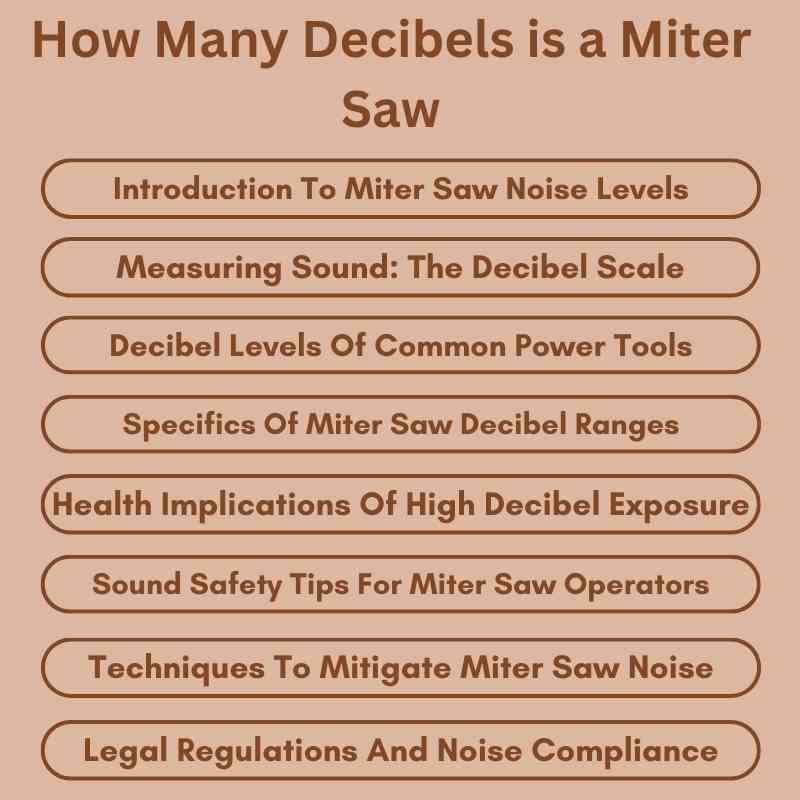
Introduction To Miter Saw Noise Levels
Best Miter Saw Ear Protection Pick
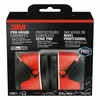
3M Pro-Grade Noise-Reducing Earmuff, NRR 30 dB – $21.91
A 30 dB NRR brings a 113 dB miter saw down to roughly 83 dB at the ear — under OSHA’s 85 dBA hearing-conservation trigger this guide covers, without the bulk of electronic muffs.
- Best for: extended miter saw, table saw, or router sessions in a home shop
- Why we picked it: NRR 30 dB is enough to bring even a loud 113 dB saw below OSHA’s action level
- Main drawback: passive only — you won’t hear shop-mates talking or a phone ringing while cutting
As an Amazon Associate we earn from qualifying purchases.
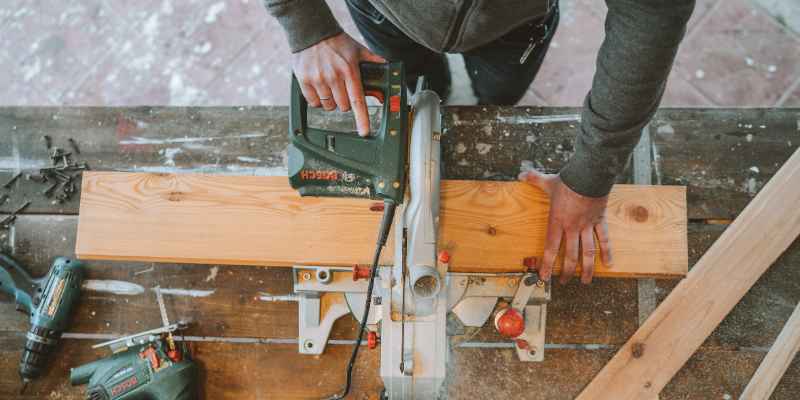
Miter saws are commonly used for cutting wood and other materials. They are popular in woodworking and construction projects. Knowing the decibel level of a miter saw is important for safety. High noise levels can cause hearing damage over time.
NIOSH testing found miter saws run 103 to 113 decibels, with some models hitting the full 113 dBA. This can be very loud, especially in small spaces. Always use hearing protection when operating a miter saw.
| Common Uses | Decibel Level (dB) |
|---|---|
| Woodworking | 103-108 |
| Construction | 105-113 |
| Home Repairs | 103-108 |
Measuring Sound: The Decibel Scale
The decibel scale measures sound intensity. It is a logarithmic scale. This means small changes can show big differences in sound. Sounds are measured in decibels (dB).
Everyday sounds vary in decibel levels. For example:
| Sound | Decibel Level (dB) |
|---|---|
| Whisper | 30 dB |
| Normal Conversation | 60 dB |
| Traffic Noise | 80 dB |
| OSHA Hearing Conservation Trigger | 85 dB |
| OSHA 8-Hour Exposure Limit | 90 dB |
| Miter Saw (NIOSH-tested range) | 103-113 dB |
A miter saw produces loud noise. NIOSH has measured miter saws at 103 to 113 dB, well above both OSHA’s 85 dB hearing-conservation trigger and its 90 dB 8-hour exposure limit. This sound can cause hearing damage. Always wear ear protection while using it.
Decibel Levels Of Common Power Tools
NIOSH has measured miter saws between 103 and 113 dB, making it one of the louder tools in a workshop. Other common power tools have varying levels of noise.
| Tool | Average Decibels (dB) |
|---|---|
| Miter Saw | 103-113 dB |
| Table Saw | 100 dB |
| Drill | 85 dB |
| Angle Grinder | 102 dB |
| Router | 90 dB |
Using hearing protection is important when operating a miter saw. Sounds above 85 DB can harm hearing. It’s wise to check the decibel levels of all tools before use.
Specifics Of Miter Saw Decibel Ranges
Miter saws usually produce loud sounds. NIOSH-tested decibel levels range from 103 to 113 dB. This can vary based on several factors.
Factors affecting loudness include:
- Blade type – Different blades create different noise levels.
- Motor power – More powerful motors can be louder.
- Material being cut – Cutting harder materials often results in more noise.
- Saw design – Some designs are built to reduce sound.
Remember that prolonged exposure to sounds above 85 dB can harm hearing. Using ear protection is always a good idea.
Health Implications Of High Decibel Exposure
High decibel levels from a miter saw can lead to short-term effects on hearing. Users may experience temporary ringing in their ears. This condition is known as tinnitus. It can be annoying and might affect concentration.
Long-term exposure to high noise levels poses serious risks. Noise-induced hearing loss is a common issue among frequent users. Over time, sounds that were once easy to hear become difficult. Protecting your ears is essential for maintaining good hearing health.
Using ear protection can help reduce these risks. Consider wearing earplugs or noise-canceling headphones. Regular hearing check-ups are also a good idea. Early detection can help prevent further damage.
Sound Safety Tips For Miter Saw Operators
Wearing Personal Protective Equipment (PPE) is essential for miter saw operators — see our full guide to using a miter saw safely for the complete checklist. Safety glasses protect eyes from flying debris. Ear protection, like earmuffs or earplugs, helps reduce loud noises. Dust masks keep harmful particles out of lungs.
Practicing best noise reduction techniques can help. Keep the miter saw maintained for less noise. Use sound barriers to block noise from spreading. Cutting materials in a well-ventilated area can help reduce echo.
| Noise Reduction Techniques | Description |
|---|---|
| Maintain Equipment | Regular upkeep minimizes noise levels. |
| Sound Barriers | Use materials to block and absorb sound. |
| Work Environment | Choose quieter spaces for cutting tasks. |
Techniques To Mitigate Miter Saw Noise
Choosing the right saw blade can greatly reduce noise levels. Opt for blades that are designed for quiet operation. A high-quality blade minimizes vibrations and cuts smoothly.
Consider tooth count when selecting blades. More teeth often mean less noise but slower cuts. Fewer teeth can be louder but provide quicker results.
Making acoustic modifications in the workspace helps control noise. Use sound-absorbing materials on walls and ceilings. Carpets and rugs can also reduce echo.
Positioning the saw on a rubber mat can absorb vibrations. Building a soundproof enclosure around the saw is another effective method. These steps create a more comfortable work environment.
Legal Regulations And Noise Compliance
Occupational Safety and Health Administration (OSHA) sets noise standards for workplaces: a hearing conservation program is required once workers are exposed to 85 dBA, and hearing protection becomes mandatory at an 8-hour time-weighted average of 90 dBA. Miter saws run 103-113 decibels — above both thresholds from the moment the blade starts. Prolonged exposure to such noise can be harmful.
Employers must provide hearing protection to workers using miter saws. Training on noise hazards is also essential. Noise compliance ensures a safer work environment.
Local noise ordinances vary by area. Always check local laws regarding acceptable noise levels. Some areas may have strict limits during specific times. Compliance with these regulations is crucial for avoiding fines.
Conclusion: Balancing Productivity With Hearing Health
To protect your ears, follow these sound safety measures. Miter saws can reach 103 to 113 decibels, per NIOSH testing. Always wear ear protection when using one. Choose noise-canceling headphones for better comfort.
Limit the time spent using loud tools. Take frequent breaks to reduce ear fatigue. Ensure your workspace is well-ventilated to help with sound absorption.
Stay informed about hearing health. Regular check-ups can help catch any issues early. Encourage friends and family to follow these safety tips too.
Frequently Asked Questions
How Loud Is A Miter Saw?
A miter saw typically runs between 103 and 113 decibels, based on NIOSH testing. This range can vary based on the saw’s brand and model. At this volume, prolonged exposure can lead to hearing damage. Always consider using ear protection when operating a miter saw to safeguard your hearing.
What Factors Affect A Miter Saw’s Noise Level?
Several factors influence a miter saw’s noise level. These include the blade type, motor power, and material being cut. Higher RPM blades tend to be noisier. Additionally, poor maintenance may increase noise. Regularly checking your equipment can help minimize sound levels.
Can I Reduce Noise When Using A Miter Saw?
Yes, you can reduce noise while using a miter saw. Consider using sound-dampening mats or placing the saw on a stable surface. Additionally, wearing noise-canceling headphones can help protect your ears. Regular maintenance, like lubricating parts, can also decrease noise levels.
Is A Miter Saw Louder Than Other Tools?
Miter saws are generally louder than many hand tools. They can be quieter than some power tools, like table saws or routers. However, their noise levels can be comparable to other electric saws. Always check decibel ratings for specific tools to understand their loudness better.
At What Decibel Level Does OSHA Require Hearing Protection?
OSHA requires a hearing conservation program once workers are exposed to 85 dBA, and mandates hearing protection at an 8-hour time-weighted average of 90 dBA. A miter saw running at 103-113 dB exceeds both thresholds immediately, so ear protection should go on before the first cut, not after extended use.
Conclusion
Understanding the noise level of a miter saw is crucial for safety and comfort. Most models run 103 to 113 decibels, per NIOSH testing. Using hearing protection is essential to prevent long-term damage. Always consider the environment where you’ll be using your saw.
Choose quieter options if noise is a concern for your workspace.
Sponsored / affiliate links. As an Amazon Associate I earn from qualifying purchases. I may earn additional commission from eligible campaigns.