How Much Does It Cost to Build a Wood Storage Shed?
A small DIY wood storage shed usually costs about $1,500 to $8,000, with many 8×10 builds commonly landing around $2,500 to $5,000 depending on foundation, siding, roofing, and finish level. If you price only the shell, you can end up short on floor strength, weather protection, or both. This guide breaks the budget into size, foundation, and finish choices so you can estimate a realistic total.
This guide is part of our Woodworking project ideas and plans series.
Wood shed pricing can vary a lot because framing, sheathing, siding, roofing, and site work all add material and labor. A wood build also gets expensive faster as size grows.
Typical cost range


General shed pricing can run from $15 to $150 per square foot. That spread is wide because the number includes everything from a simple shell to a finished, code-conscious build with a stronger floor, better roofing, and more site work. For wood sheds, square footage is only part of the story; wall height, roof style, and foundation choice can move the total quickly.
Wood shed cost matrix
This matrix breaks three common sizes into the line items that usually matter most for a wood shed. The low, mid, and high columns are meant as planning numbers, not quotes. They help separate material-heavy budget builds from more complete projects with better finishes and more site work.
| Size | Budget total | Midrange total | High-end total | Framing lumber | Sheathing/siding | Roofing | Foundation | Doors/windows | Fasteners/hardware | Permits | DIY total | Pro total | Cost creep |
|---|---|---|---|---|---|---|---|---|---|---|---|---|---|
| 8×10 | $1,500 | $3,500 | $6,500 | $350-$900 | $300-$1,100 | $150-$500 | $250-$1,800 | $150-$900 | $100-$300 | $0-$250 | $1,500-$3,800 | $3,500-$6,500 | Upgraded siding, floor joists, better roofing, extra window |
| 10×12 | $2,400 | $5,000 | $9,000 | $500-$1,300 | $450-$1,500 | $200-$700 | $350-$2,500 | $200-$1,200 | $150-$400 | $100-$400 | $2,400-$6,000 | $5,000-$9,000 | Higher wall height, stronger floor, permit fees, larger door package |
| 12×16 | $4,000 | $8,500 | $15,000 | $800-$2,200 | $700-$2,500 | $300-$1,100 | $500-$4,000 | $300-$2,000 | $200-$600 | $100-$600 | $4,000-$10,500 | $8,500-$15,000 | More waste, deeper foundation, extra openings, better trim and ventilation |
The matrix shows why a 12-by-16 shed can run about $3,000 to $15,000. A wood shed at the larger end of the range usually includes more structure, more roof area, and more labor hours.
What drives wood shed prices most?
Size is the main price driver because every added square foot needs more framing, sheathing, siding, roofing, and hardware. A 10×12 shed is a practical mid-sized example because it gives you useful storage without pushing material and labor costs as sharply as a 12×16. Wall height matters too; taller walls need more studs, more siding, more sheathing, and more labor for assembly and bracing.
Square footage and wall height
Square-foot pricing usually drops a little on larger sheds only when the design stays simple. Once you add taller walls, loft space, or extra openings, the per-square-foot cost climbs again. A shed with 8-foot walls is easier to build than one with higher walls, but the taller option can improve storage and feel more usable.
Better lumber grades, thicker sheathing, and heavier roofing all raise the bill. Waste from cuts and mistakes does too. That waste often shows up as extra studs, extra sheathing sheets, extra trim, and duplicate roofing pieces.
Material mix matters
Wood is usually the most flexible shed material, but not always the cheapest shell once you account for framing, siding, and roofing. Metal sheds often cost less up front, while vinyl kits can save on upkeep. Wood gives you easier layout changes and a better match for a backyard workshop, but the build bill is usually more dependent on labor and finish level.
How do foundation and roof choices change cost?
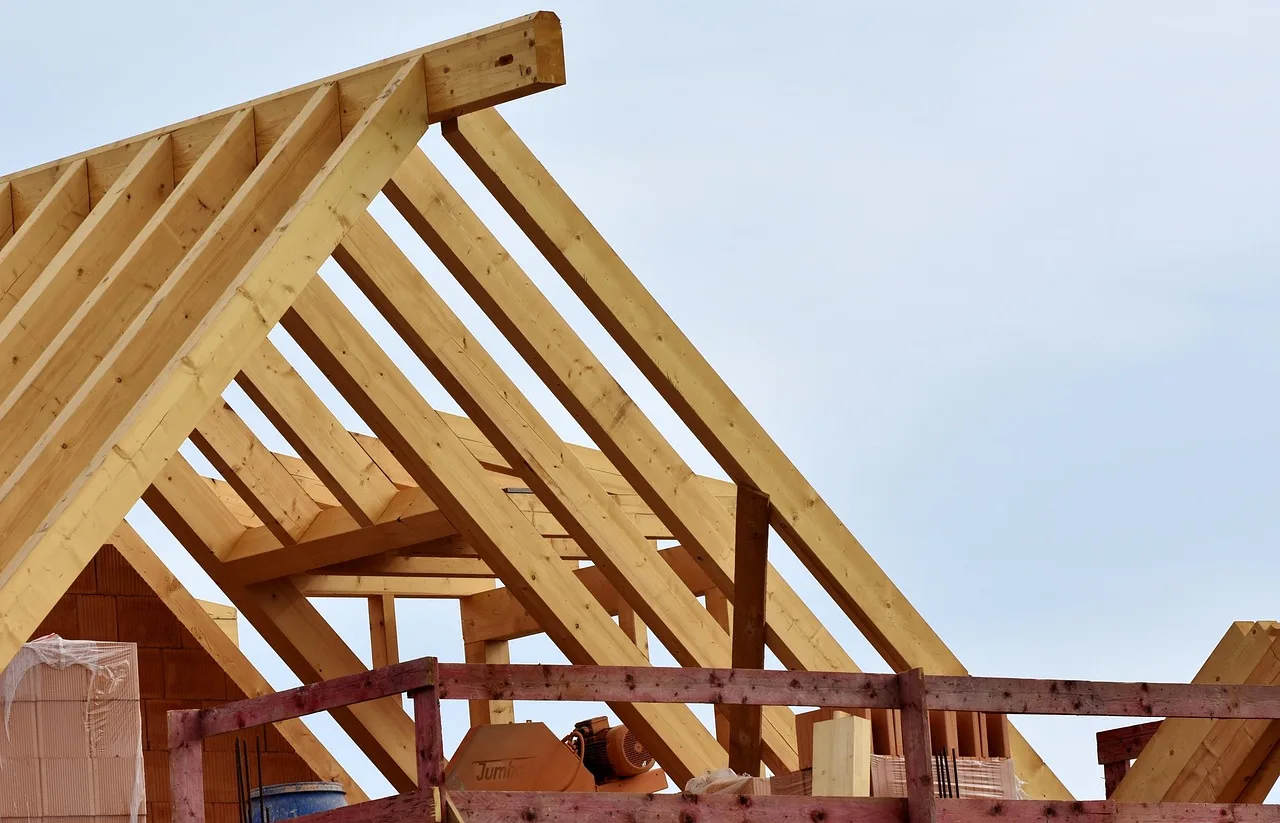
Foundation and roof choices can change the total by thousands of dollars. A gravel pad or pressure-treated skids keep costs lower, while a concrete slab can push the budget up fast. Roof pitch and overhang also matter because they change material use, drainage, and how much labor the roof takes.
Foundation options
A gravel pad is usually the least expensive durable base for a storage-only shed. Concrete blocks can raise and level the structure without pouring a full slab. Pressure-treated skids work well for movable sheds or simpler builds, while a slab makes more sense when you want a workshop feel, a heavier load capacity, or a more permanent structure.
How much does it cost to pour a shed foundation? A more extensive foundation or sitework package can add several thousand dollars, especially if the site needs grading, drainage control, or a larger pour. Gravel pads and block supports are usually the lower-cost route for storage-only use.
Roof style and pitch
A gable roof is the common choice because it sheds water well and keeps the framing straightforward. Higher pitch uses more material and can add labor, but it also improves drainage and can help in areas with heavier rain or snow. Overhangs protect siding and doors, yet they add roof area and trim work.
Say your 10×12 shed sits on a damp lot with poor runoff. A shallow roof with short overhangs may look cheaper on paper, but you may end up spending more on repairs or water management later. A slightly steeper gable with decent overhangs often costs more at the start and protects the shell better.
DIY build or hire a contractor?
DIY is usually cheaper on paper because you remove most labor charges, but you still pay for materials, equipment, and mistakes. Professional builds cost more because labor can run from $50 to $100 per hour per worker, and regional rates vary with demand, travel time, and trade availability. DIY shed builds can cost $15 to $30 per square foot, while professional shed builds can cost $40 to $75 per square foot.
Labor versus material-only cost
A simple DIY 8×10 shed may stay near the lower end if you already own basic tools and keep the design plain. Hiring a pro usually raises the bill, but it can also improve speed, alignment, and code compliance. A custom build generally costs more than a kit assembly because the builder is cutting and fitting the structure from scratch.
When a kit makes sense
Prefab kits can save time when the design is standard and the site is level. They are less flexible than custom lumber lists, and the included materials may not cover every code, site, or finish need. Kits also tend to be less forgiving if you want taller walls, extra windows, or a nonstandard roof pitch.
Hidden costs often come from the site, the permit, and small items that are easy to leave off a first budget. Permits can add $100 or more in some communities, and local code checks may affect setbacks, anchoring, frost depth, and roof requirements. If the shed moves from storage-only to workshop-grade, the budget can jump again.
Permits and code checks
Some communities trigger permits based on size, footing type, or utility connections. Others care more about roof height, property setbacks, and whether the shed is anchored. If the structure will include power, insulation, or plumbing, it is more likely to face stricter review.
Site prep
Excavation and land clearing can cost $1,300 to $4,400. That line item matters when the yard is sloped, rocky, wooded, or soft. Leveling and drainage work may be minor on one lot and a major budget item on another. A flat, accessible site can save a surprising amount.
Utilities and finish level
Electricity to a shed can cost $600 to $2,200, and that figure is separate from the shed shell itself. Insulation adds more cost, and plumbing moves the project closer to a small outbuilding or office build than a basic storage shed. If the shed is only for garden tools, do not budget like it is a finished room.
Suppose you build a 12×16 wood shed as a simple storage unit, then later decide to add power, insulation, and a workbench wall. The shell may have fit the original budget, but the utility and finish upgrades can shift the project into a much higher cost band. Planning the end use first keeps the spending realistic.
Small parts that cause overruns
Door upgrades, extra windows, venting, anchors, and heavier hardware often create the last 10% of cost creep. Each item looks small alone. Together, they can push a near-budget project into the midrange. That is especially true if the build needs better trim, more flashing, or a stronger floor than originally planned.
Before you compare prices, it helps to separate the must-haves from the nice-to-haves.
- Pick the smallest size that fits the load.
- Choose a simple gable roof.
- Use a level site with basic drainage.
- Price the foundation before buying lumber.
- Count doors, windows, vents, and anchors early.
- Compare the kit price with the total lumber list.
How do you keep a wood shed affordable?
The cheapest way to build a storage shed is to keep the footprint simple, use standard dimensions, and avoid upgrades that do not affect basic weather protection. A plain rectangle, one door, and a basic roof line usually cost less than custom dimensions or decorative trim. Reclaimed materials can help, but only if they are straight, sound, and code-appropriate.
Compare prefab kits with custom construction before you buy anything. Kits can reduce design time and simplify ordering, but they may limit wall height, door placement, and roof changes. A custom lumber list costs more planning time, yet it gives you more control over size, materials, and finish level.
Practical savings moves
Use off-the-shelf materials where possible. Keep the roof pitch moderate. Skip insulation and plumbing unless the shed will become a workshop or office. If you need only storage, a gravel pad and a basic interior can make more sense than a slab and finished walls.
Frequently asked questions
Is it cheaper to build a wood shed or buy one?
It is often cheaper to build a basic wood shed yourself if you already have tools and can keep the design simple. Buying one may cost more up front, but a kit or prebuilt option can save time and reduce mistakes. The better choice depends on how much labor you can supply.
How much does a small shed cost to build?
A small shed can cost from a few hundred dollars for a very basic build to several thousand for a wood shed with a proper floor, roof, and siding. A small DIY wood storage shed usually costs $1,500 to $8,000 once basic structure and finish choices are included.
How much does a shed cost to build?
Typical shed cost ranges vary widely, and wood sheds often land higher than a basic shell because framing, sheathing, siding, roofing, foundation, and labor all add up. The final total depends on size, site conditions, and finish level.
What is the average cost to build a wood storage shed?
A practical planning target for a wood storage shed is around $3,500, but wood-specific projects can run well above that when the site needs prep or the build includes better materials.
How much does it cost to build a 10×12 shed?
A 10×12 shed is a practical mid-sized example, and a wood version often lands in the $2,400 to $9,000 range depending on foundation, roof, siding, and whether you hire labor. The matrix in this guide places many 10×12 projects near $5,000 for a midrange build.
Common hidden costs include permits, site clearing, excavation, leveling, anchors, vents, extra hardware, and utility work. Electricity to a shed can cost $600 to $2,200. These items are easy to miss when you price only lumber and roofing.
Sponsored / affiliate links. As an Amazon Associate I earn from qualifying purchases. I may earn additional commission from eligible campaigns.