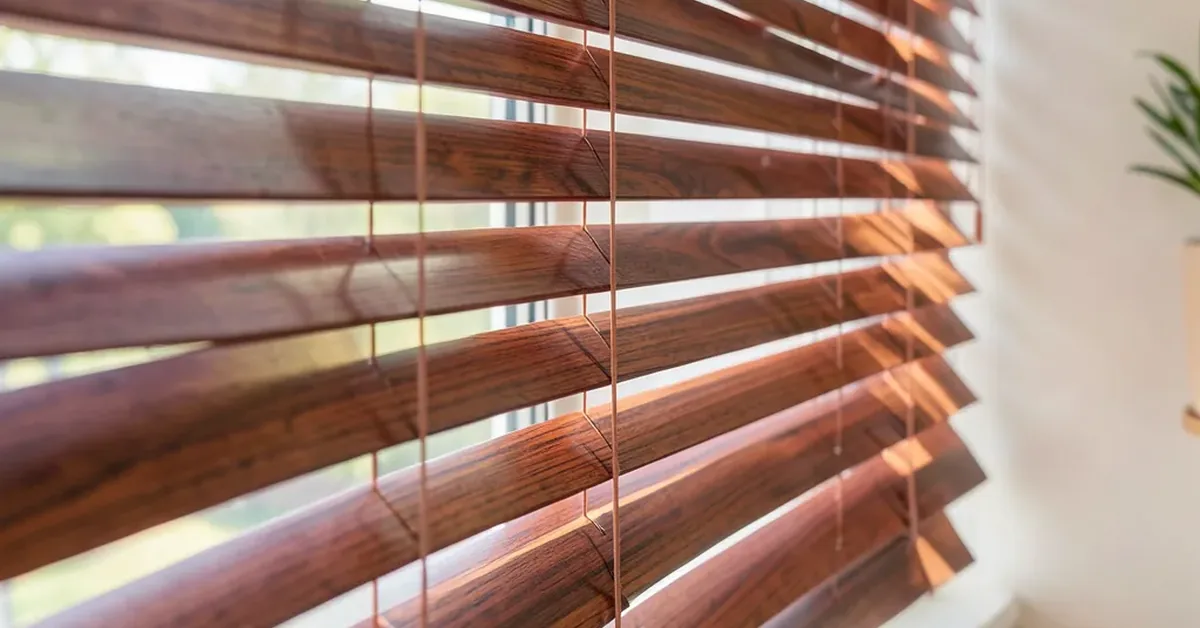
Mahogany Wood Blinds: Real Wood vs Faux (Honest Guide)
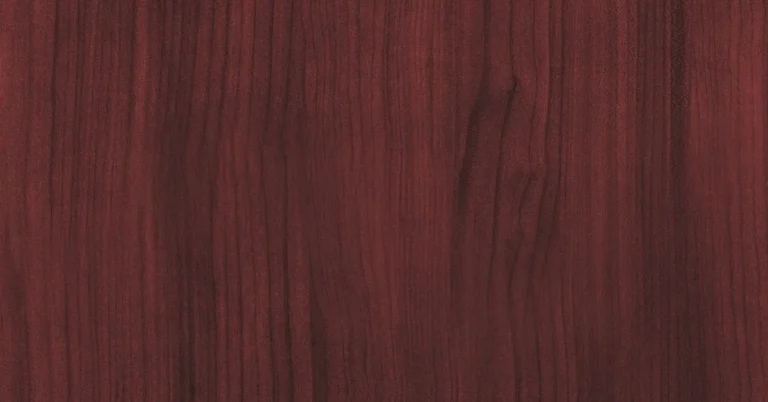
Mahogany wood blinds get their name from a rich reddish-brown stain, not from genuine mahogany lumber — almost every “mahogany” wood blind sold today is basswood stained to that tone, since real bigleaf mahogany has been trade-restricted under CITES since 2003. That doesn’t make them a lesser choice: basswood takes stain evenly and holds up well as 2-inch horizontal blinds. This guide covers real vs. faux options, sizing, installation, and care so you end up with blinds that fit and last.
Real Wood vs. Faux “Mahogany” Blinds
Best Real Wood Blind Pick
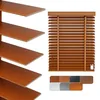 |
2″ Slats Real Wood Blinds, Indoor Windows – $62.99 Genuine wood slats with a natural water-based finish — if you want the real-grain look this guide describes rather than a faux wood finish, this is the honest starting point (order unstained or a light finish, then stain it yourself to a mahogany tone).
|
As an Amazon Associate we earn from qualifying purchases.
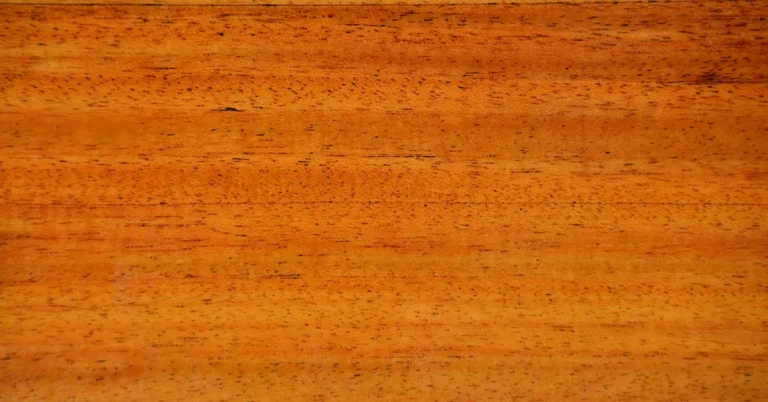
Genuine mahogany (Swietenia macrophylla) has been listed on CITES Appendix II since 2003, which restricts international trade in solid mahogany lumber — that’s why almost no mass-market blind is cut from actual mahogany wood. What retailers call “mahogany wood blinds” are real basswood slats stained to a mahogany tone, and “faux wood” blinds are PVC/composite molded and colored to match — see our full breakdown of what mahogany wood is actually used for if you want the species details. Real wood shows unique grain and slight color variation slat to slat; faux wood looks more uniform and holds up better to humidity in bathrooms and kitchens.
The Timeless Appeal of Mahogany-Toned Blinds
The deep reddish-brown tone works across traditional and modern rooms alike, and it hides dust and light scuffs better than a pale finish. Slats typically come in 1-inch (more light gaps, less privacy) or 2-inch widths (better light control, a bolder look) — 2-inch is the standard choice for most living rooms and bedrooms.

Sizing and Mounting
Measure the window’s width and height at three points each (top, middle, bottom) and use the smallest of the three — window frames are rarely perfectly square, and using the largest measurement is the most common reason a blind won’t fit.
- Inside mount: Sits inside the window frame for a clean, built-in look. Needs at least 2 1/2″ of depth in the frame and precise measurements.
- Outside mount: Mounts on the wall or trim around the window. More forgiving of an uneven frame, and can make a window look larger.
Installing the Blinds
- Gather tools: Drill, screws, a level, and a measuring tape.
- Mark bracket positions: Hold the bracket in place and mark screw holes with a pencil, checking level across both sides.
- Drill and attach brackets: Use the drill bit size the hardware specifies — oversized holes won’t hold the bracket tight over time.
- Hang the headrail: Snap or screw the blind’s headrail into the mounted brackets.
- Test operation: Raise, lower, and tilt the slats fully before calling it done — a sticking cord usually means a bracket is slightly out of level.
Cleaning and Maintenance
Dust weekly with a microfiber cloth or the brush attachment on a vacuum. For grime, use a barely damp cloth — real wood blinds warp if they get properly wet, so skip soaking them the way you might a plastic blind. Avoid ammonia-based cleaners, which can strip a mahogany stain and leave a dull patch; see our full mahogany wood cleaning guide for stain-safe products.
Direct sun exposure will gradually fade any wood stain over years, mahogany tones included, just more slowly than most other finishes — a UV window film or simply keeping the slats tilted rather than fully open during peak afternoon sun slows this down.
📊 Bigleaf mahogany (Swietenia macrophylla) has been listed on CITES Appendix II since November 2003, requiring proof that any traded lumber was legally and sustainably harvested. — Source: CITES Mahogany Working Group
Sourcing Considerations
Since almost no “mahogany” blind is actually mahogany, the sourcing question that matters is the basswood or faux wood’s own supply chain: look for FSC-certified wood if forest sourcing matters to you, and check that a faux wood blind is PVC (not a wood-composite fiberboard that can swell in humidity despite being marketed as moisture-resistant). See our full mahogany wood hub for more on the species, stains, and comparisons to other woods.
Frequently Asked Questions
Are mahogany wood blinds made from real mahogany?
Almost never. Real bigleaf mahogany has been trade-restricted under CITES since 2003, so “mahogany wood blinds” are nearly always basswood or another hardwood stained to a mahogany tone. The name refers to the color, not the tree species.
How do I clean mahogany wood blinds?
Dust weekly with a soft dry or barely damp microfiber cloth. Avoid soaking or ammonia-based cleaners, which can strip the stain; deep water exposure can also warp real wood slats.
Are mahogany wood blinds durable?
Yes — basswood is a dense, stable hardwood that resists warping better than many species, and with proper care (dry dusting, no ammonia cleaners) these blinds typically last well over a decade.
Do mahogany wood blinds fade in sunlight?
Yes, gradually, like any stained wood exposed to years of direct UV. Mahogany-toned stains tend to hide fading better than pale finishes, and a UV window film slows the process further.
Conclusion
Mahogany wood blinds earn their name from the stain, not the species — real basswood or faux PVC, both stained to that reddish-brown tone. Choose real wood for genuine grain and a warmer look, or faux wood for bathrooms, kitchens, and other humid rooms where real wood would eventually warp. Get the sizing and mount type right and either option will look and function well for years.
Sponsored / affiliate links. As an Amazon Associate I earn from qualifying purchases. I may earn additional commission from eligible campaigns.