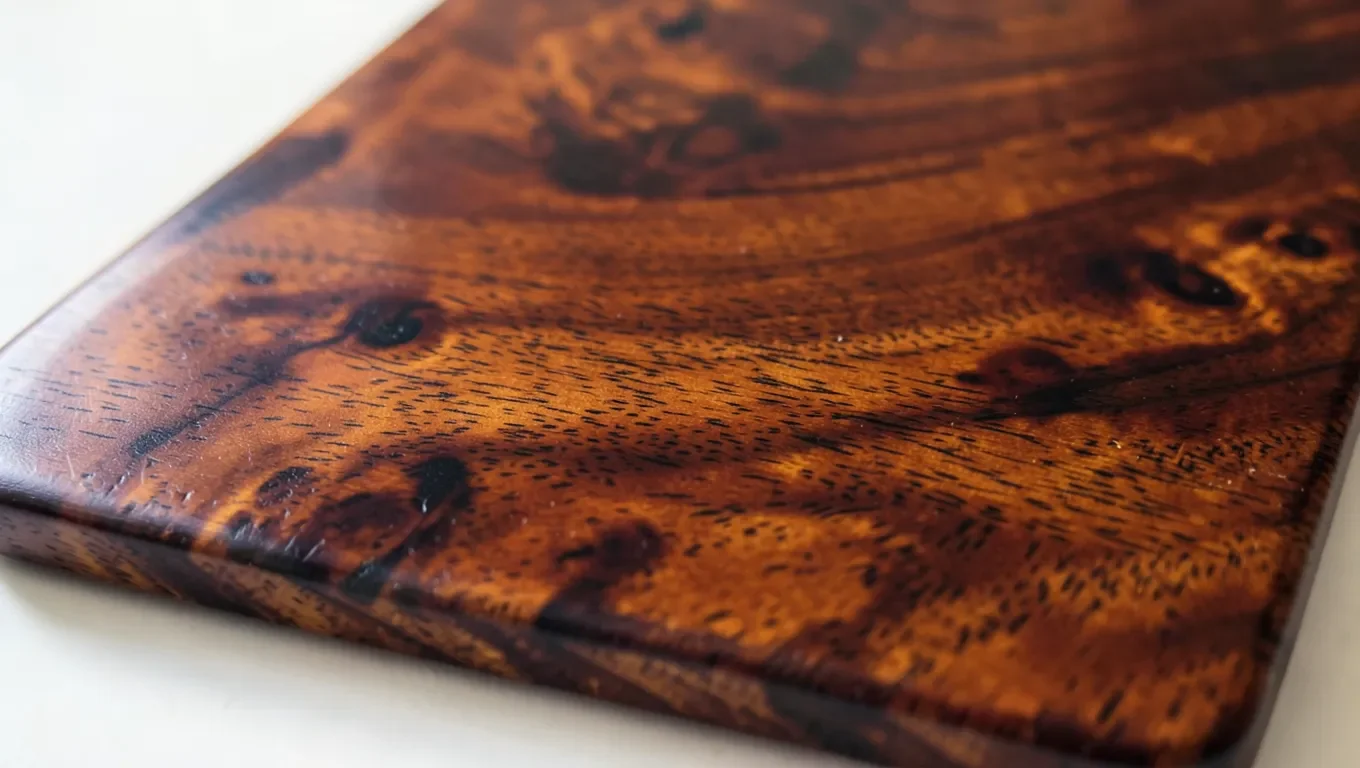
Mahogany Wood: Real Properties, Uses, and Care (Not Just “Premium Hardwood”)
Mahogany is a reddish-brown hardwood prized for its fine, straight grain, rot resistance, and workability — but it’s actually a moderately soft hardwood, not an especially hard one. At roughly 800–900 lbf on the Janka hardness scale, genuine mahogany is noticeably softer than red oak (~1,290 lbf) or hard maple (~1,450 lbf). Its reputation comes from stability, rot resistance, and workability with hand tools, not from being dent-proof.
Real Properties: Grain, Color, And Hardness
Best For A Hand-Rubbed Mahogany Finish
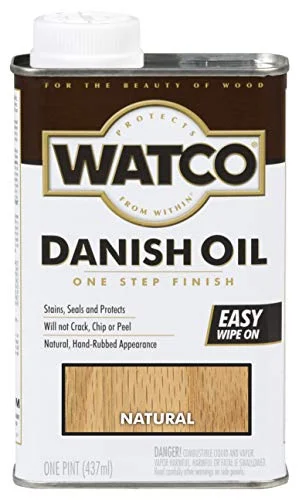 |
Watco Natural Danish Oil Finish, 1 Pint – $14.98 Penetrating oil-and-varnish blend that deepens mahogany’s natural reddish tone instead of masking the grain under a film finish.
|
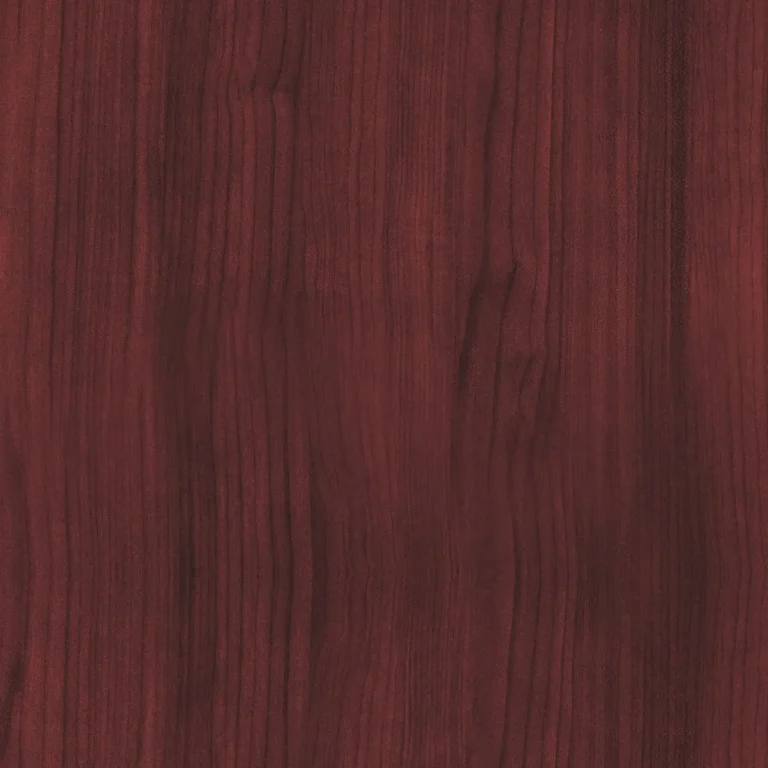
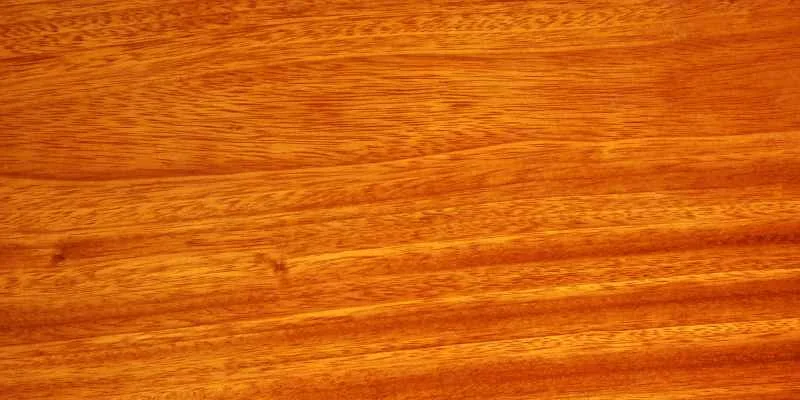
Mahogany’s fine, straight, occasionally interlocked grain and rich reddish-brown color (which deepens with age and light exposure) are what make it a favorite for fine furniture and instrument-making. It takes hand-cut joinery and carving cleanly because of its moderate hardness — that same softness that keeps it below red oak on the Janka scale is exactly why it’s easier to work by hand than harder woods, a real tradeoff rather than a flaw. Note that “mahogany” sold today can mean genuine Swietenia species, the legitimate African substitute (Khaya genus), or an unrelated wood like Philippine “mahogany” (Shorea genus) — see our guide to genuine mahogany species if you need to confirm which one you’re actually buying.
Rot Resistance And Durability — What’s Actually True
Mahogany’s natural oils genuinely do give it real decay and moisture resistance, which is why it has a long, legitimate history in boat trim (Chris-Craft used it for exactly this reason) and outdoor-exposed furniture. That’s a real, verifiable property. What isn’t accurate is treating mahogany as unusually dent- or scratch-resistant — at 800-900 lbf, it will dent and scratch more easily than red oak, maple, or hickory furniture pieces of similar construction. If dent resistance in daily use matters more to your project than rot resistance or workability, a harder wood is the better technical choice; mahogany’s real strengths are elsewhere.
Common Uses
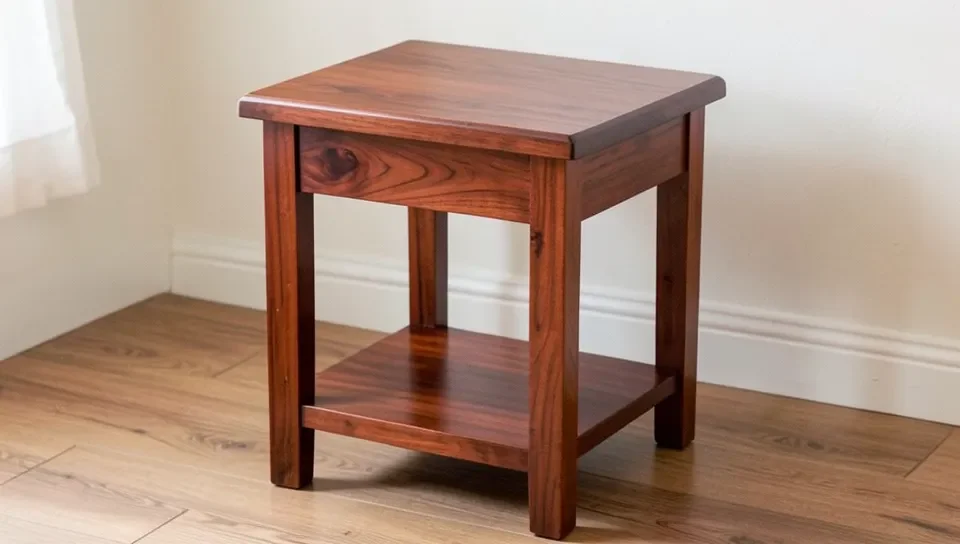
- Fine furniture: the historical use that built its reputation — Thomas Chippendale’s furniture workshop popularized mahogany in English furniture starting around 1754.
- Boat trim and hulls: Chris-Craft and other classic boatbuilders used genuine mahogany specifically for its rot resistance in wet conditions.
- Musical instruments: guitar backs, sides, and necks made from mahogany are valued for a warm, midrange-forward tone.
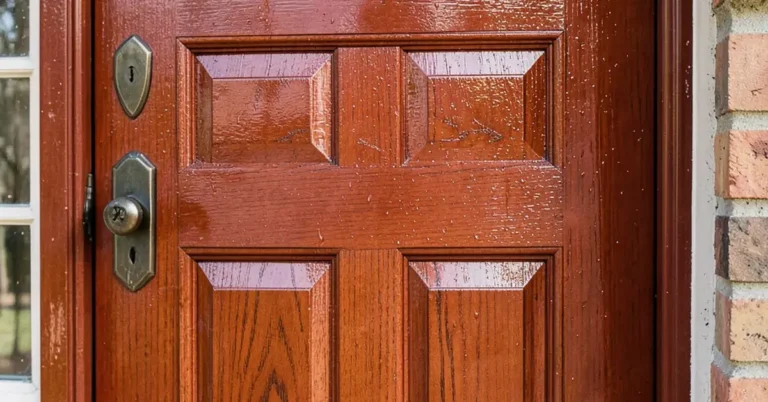
- Cabinetry and doors: its workability and stability make it a strong choice for detailed joinery and carved panels.
Sustainability: A Real Regulatory Fact, Not Just A Marketing Term
All genuine Swietenia mahogany species have been listed under CITES Appendix II since 2003, which restricts and documents international trade due to historical overharvesting. This is a real, enforceable regulatory fact that shapes both availability and price — a reputable supplier of genuine mahogany can speak to sourcing documentation; a stained substitute has no such paper trail because it doesn’t need one. African mahogany (Khaya genus) is not CITES-restricted and has become the practical, more available substitute for most commercial furniture and cabinetry applications today.
Maintenance And Care
- Dust regularly with a soft, dry cloth — grit left on the surface acts as an abrasive under normal use, and mahogany’s moderate hardness makes it more scratch-prone than harder furniture woods.
- Re-oil periodically if finished with a penetrating oil (like the Danish oil above) rather than a film finish — oil finishes need reapplication every year or two depending on use, while polyurethane or lacquer film finishes don’t.
- Keep out of direct, prolonged sunlight where possible — mahogany’s color deepens with age and light exposure, but uneven exposure (a rug or object left in place for months) can create visible color-uneven patches.
- Wipe spills promptly — the wood’s rot resistance applies to the timber itself, not to a finish film sitting on top, which can still water-stain if a spill sits too long.
Mahogany Vs. Other Common Furniture Woods
| Wood | Janka Hardness | Rot Resistance | Workability | Typical Cost Tier |
|---|---|---|---|---|
| Mahogany (genuine) | ~800-900 lbf | High (natural oils) | Excellent — carves and joins cleanly | High (CITES-restricted) |
| Red Oak | ~1,290 lbf | Moderate | Good, but harder on tools | Moderate |
| Hard Maple | ~1,450 lbf | Low without treatment | Difficult to hand-carve; often machine-worked | Moderate |
| Walnut | ~1,010 lbf | Moderate | Very good — a common mahogany alternative for similar workability | High |
| African Mahogany (Khaya) | ~830-1,070 lbf (varies) | Good | Good, similar to genuine mahogany | Moderate (not CITES-restricted) |
This is where mahogany’s real position becomes clear: it isn’t competing on raw hardness against oak or maple, and it was never meant to. Its case is workability plus rot resistance plus a historically established look — walnut is the closest comparable wood on workability and tone, while African mahogany offers a similar profile at a lower, non-restricted price point.
What Mahogany Costs
Genuine mahogany typically runs $8–$15 per board foot on average, with premium furniture-grade or rarer stock running higher — a price that traces directly back to the CITES documentation requirement above, not arbitrary markup. For a full breakdown by grade, species, and region, see our dedicated mahogany cost per board foot guide.
Working With Mahogany: Practical Tips
- Watch for tearout on interlocked grain: some boards have a slightly interlocked or wavy grain pattern that can tear out with a hand plane going the wrong direction — take light passes and reverse direction if you see tearout starting.
- Pre-drill for screws near edges: mahogany’s moderate hardness makes it easier to split near an edge or end grain than a harder wood would be — pre-drilling avoids this even though the wood feels “soft” to work.
- Sand progressively, don’t skip grits: because it’s a softer hardwood, mahogany shows sanding-swirl marks from skipped grits more readily than very hard woods do — work through the grits in sequence for a clean final surface.
- Test finish on scrap first: mahogany’s natural color varies board to board and can react differently to stain absorption — always test on an offcut from the same board before committing to a finish on the visible piece.
Frequently Asked Questions
Is mahogany a hard or soft wood?
Mahogany is a hardwood botanically, but it’s moderately soft in practice — roughly 800-900 lbf on the Janka scale, softer than red oak (~1,290 lbf) or hard maple (~1,450 lbf). Its reputation comes from stability and workability, not extreme hardness.
What is mahogany wood used for?
Fine furniture, boat trim and hulls, musical instruments (especially guitars), and cabinetry — chosen historically for its rot resistance, workability, and rich reddish-brown color.
How do you care for mahogany furniture?
Dust regularly with a soft cloth, wipe spills promptly, keep it out of prolonged direct sunlight, and re-oil periodically if it has a penetrating oil finish rather than a film finish like polyurethane.
Conclusion
Mahogany earns its reputation from real properties — fine grain, genuine rot resistance, and workability — not from being an unusually hard wood; at 800-900 lbf it’s actually softer than red oak or maple. Knowing that distinction helps match the wood to the right project: furniture and detail work where its workability and color shine, not high-wear surfaces where a harder wood would hold up better.
Sponsored / affiliate links. As an Amazon Associate I earn from qualifying purchases. I may earn additional commission from eligible campaigns.
 The Hardwood Edge Mahogany Hardwood Planks - 2-Pack Mahogany Wood for Unfinished Wood Crafts - 1/8’’ (3mm) 100% Pure Hardwood - Laser Engraving Blanks - Exotic Mahogany Planks for Crafts and Gifts
 The Hardwood Edge Mahogany Hardwood Planks - 4-Pack Mahogany Wood for Unfinished Wood Crafts - 1/8’’ (3mm) 100% Pure Hardwood - Laser Engraving Blanks - Exotic Mahogany Planks for Crafts and Gifts