Mahogany Wood Vent Covers: Why Most Are Actually Stained Oak
Most “mahogany” wood vent covers on the market aren’t actually solid mahogany — they’re oak or poplar registers stained to a mahogany color, and that’s a practical choice, not a downgrade. Genuine solid mahogany is expensive and increasingly restricted due to sustainability concerns around several mahogany species, so most manufacturers make registers in a widely available, workable wood like oak and finish it to match whatever trim color a buyer needs, mahogany included. If matching your existing mahogany-stained trim or flooring is the actual goal, staining an unfinished register yourself gets the identical visual result for a fraction of the cost of sourcing real mahogany stock.
Why Most “Mahogany” Registers Are Actually Stained Oak
Stain It to Match Your Trim
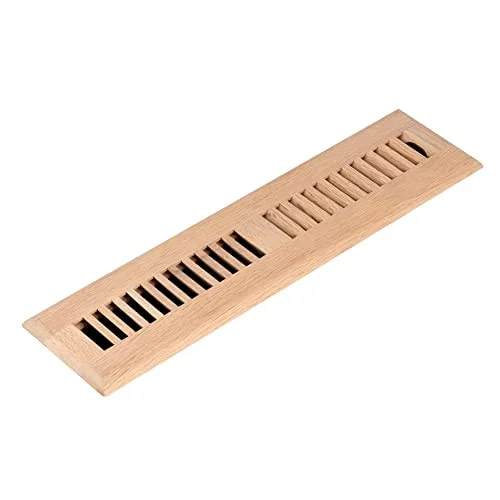 |
Unfinished Red Oak Floor Register with Damper – $20.50 Sold bare specifically so you can stain it to match any trim color, including a mahogany tone — the same approach most “mahogany” registers actually use.
|
Red oak in particular takes a mahogany-toned gel stain evenly because of its pronounced open grain, which absorbs stain consistently and produces the deep reddish-brown color associated with mahogany without needing the actual species. Buying an unfinished register and staining it yourself also means you’re matching your specific trim’s exact shade rather than hoping a pre-finished “mahogany” product happens to match — mahogany stain colors vary meaningfully between manufacturers and even between product lines from the same brand.
Matching the Register to Your Actual Trim Color
Bring a sample of your existing trim or flooring finish (a cut-off piece, or at minimum a close-up photo in natural light) when you buy stain, since “mahogany” as a stain-name category still varies significantly by brand — some run warmer and more red, others lean darker brown. Test the stain on an inconspicuous scrap of the same wood as your register (oak, if you’re using an unfinished oak register) rather than trusting the color swatch on the can, since stain color always looks different on the actual wood than in a can or on a paint chip. Apply at least two coats for a rich, even mahogany tone on open-grain oak, since a single coat often looks patchier and lighter than the color you’re aiming to match.
Wood Movement Near HVAC Vents Is a Real Concern
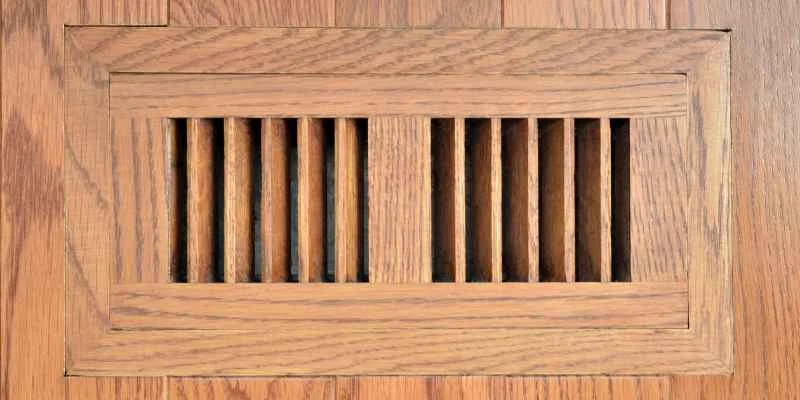
A wood vent register sits directly in a path of repeatedly heated and cooled air, which is a harsher humidity and temperature cycle than the rest of your floor or wall ever sees. This is a genuine reason solid wood registers can warp, crack, or develop finish problems faster than the surrounding trim — the wood is drying and re-absorbing moisture on a faster cycle every time the HVAC system runs. Sealing all sides of the register (not just the visible face) with the same finish before installation helps even out moisture absorption and reduces warping risk over time, a step that’s easy to skip but meaningfully extends how long the piece stays flat and crack-free.
Damper or No Damper?
A damper is the lever or knob that lets you manually close or partially close the register to redirect airflow away from a room — useful for balancing heating and cooling between rooms that run hotter or colder than the rest of the house, or closing off a rarely used space. A register without a damper is simpler and slightly cheaper, but gives you no control over that specific vent’s airflow beyond your HVAC system’s overall settings. For a return-air vent (pulling air back into the system rather than pushing it out), a damper is largely irrelevant since there’s no directional airflow to control the same way; dampers matter most on supply registers where you actually want room-by-room adjustment.
Drop-In, Screw-Mount, and Magnetic Register Types
Drop-in (also called self-rimming) registers sit into a routed recess in the floor and rely on a friction fit or their own weight to stay seated — the standard choice for real wood floor registers since the recess also helps the wood expand and contract without popping loose. Screw-mount registers use small screws through the frame into the subfloor or wall, giving a more secure hold that resists being kicked loose, common on wall and ceiling installations where gravity doesn’t help hold a drop-in fit steady. Magnetic covers are a different, non-permanent category entirely — a thin decorative or insulating cover that sticks to an existing metal register rather than replacing it, useful for temporarily blocking airflow to a room but not a substitute for a real wood register if you’re after a specific finished look.
| Mount Type | Best For | Holds Secure Underfoot? | Typical Use |
|---|---|---|---|
| Drop-in / self-rimming | Real wood floor registers | Yes, with proper recess fit | Floor |
| Screw-mount | Installations without gravity assist | Yes, most secure option | Wall, ceiling |
| Magnetic cover | Temporary airflow blocking | No, not weight-bearing | Over existing metal registers |
Floor vs. Wall vs. Ceiling Registers
Floor registers see foot traffic and need a sturdier frame and a damper mechanism that won’t rattle underfoot; wall and ceiling registers don’t bear weight but are more visually prominent since they’re at eye level rather than underfoot. Standard duct opening sizes (like 4×10, 4×12, 2×12, and similar) are largely consistent across floor, wall, and ceiling applications, but always measure your actual duct opening before ordering — a register frame that’s even slightly undersized won’t seat properly, and one that’s oversized won’t sit flush against the surrounding surface.
Solid Wood vs. Wood-Veneer Registers
Not every “wood” register is solid wood all the way through — some budget options use an MDF or composite core with a thin wood veneer applied to the visible face, which looks correct from above but behaves differently than solid wood in the harsher moisture cycle near a vent. A veneered core is more prone to swelling or delaminating at the edges if moisture gets underneath the veneer layer, since MDF absorbs and holds water very differently than solid oak. Solid wood costs more but tolerates that repeated humidity cycling better over years of use; check the product description specifically for “solid wood” versus just “wood” or “wood-look” before buying if long-term durability near an active vent matters more than upfront cost.
Installation Basics
Finish and seal the register completely before installing it, not after — it’s far easier to get an even coat on a piece sitting flat on a workbench than one already mounted in a floor or wall opening. Most drop-in wood registers rely on a friction fit or small mounting screws rather than adhesive; check your specific product’s instructions, since forcing a friction-fit register that’s slightly oversized can crack the frame during installation.
Frequently Asked Questions
Are mahogany vent covers made of real mahogany?
Usually not. Most are oak or another readily available wood stained to a mahogany color, since genuine solid mahogany is expensive and increasingly restricted for sustainability reasons.
Why does wood near a vent register warp faster than other trim?
The register sits in a path of repeatedly heated and cooled air, cycling through moisture absorption and drying faster than the rest of a room. Sealing all sides of the wood, not just the visible face, before installation reduces this risk.
What wood takes a mahogany stain best?
Red oak, because its pronounced open grain absorbs stain evenly and produces the deep reddish-brown tone associated with mahogany without needing the actual species.
Is a solid wood register better than a wood-veneer one?
For durability near an active vent, yes. Solid wood tolerates the repeated humidity cycling near HVAC airflow better than an MDF or composite core with a thin wood veneer, which is more prone to swelling or delamination if moisture reaches the core.
Conclusion
If matching a mahogany-stained trim or floor is the actual goal, an unfinished oak register stained yourself gets an identical result to a pre-made “mahogany” product, at a lower cost and with a color match you control directly. Seal every surface before installing it, and remember the register faces a harsher moisture cycle than the surrounding trim — that’s the detail most buying guides skip, and it’s the one that actually determines how long the piece stays looking good.
Sponsored / affiliate links. As an Amazon Associate I earn from qualifying purchases. I may earn additional commission from eligible campaigns.