Mahogany Wood Guide
Mahogany is best chosen with one rule: buy by species, not by the word “mahogany,” because true mahogany usually means Honduran, Cuban, or big-leaf, while African and Philippine boards are different woods with different working traits. Get this wrong and you can overpay, miss legal paperwork, or build with wood that moves, dulls tools, or falls short outdoors. This guide sorts true mahogany from substitutes, covers legality and performance by species, and matches each one to furniture, cabinetry, boats, and trim.
What is mahogany wood, exactly?
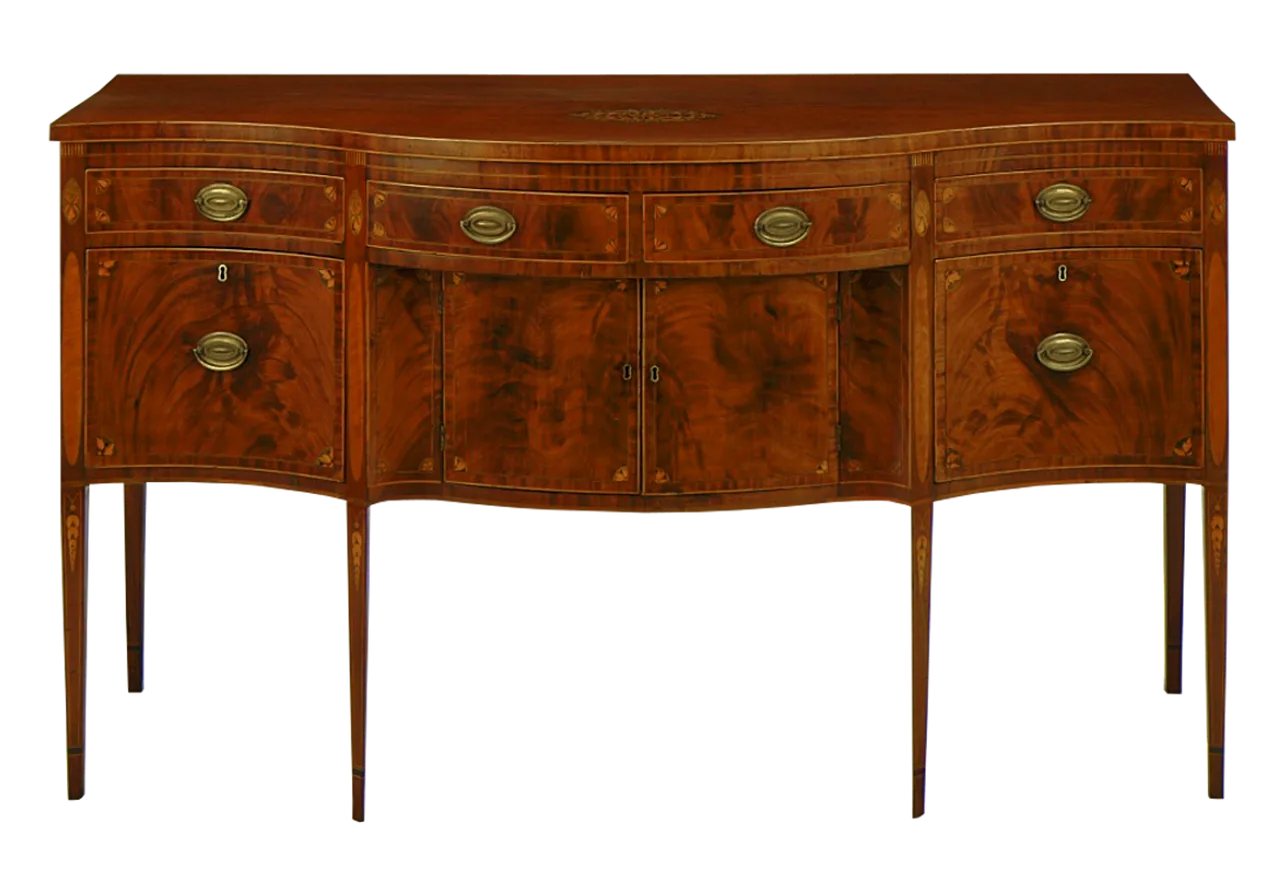
Mahogany wood, in the narrow and correct sense, is timber from three tropical hardwood species in the genus Swietenia. In trade, the label often gets stretched to include African mahogany and Philippine mahogany, which are different woods. I see that naming drift cause bad species matches, bad pricing calls, and avoidable sourcing mistakes all the time.
The narrow definition: Swietenia as genuine mahogany
Mahogany is timber from three tropical hardwood species in the genus Swietenia. These are the woods that count as genuine mahogany. They are native to the Americas, and the group is CITES-listed, which matters when buying imported lumber, veneer, doors, or older reclaimed stock with uncertain paperwork.
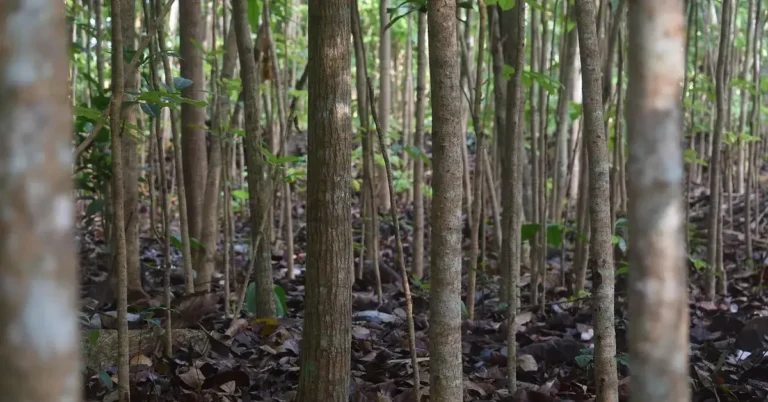
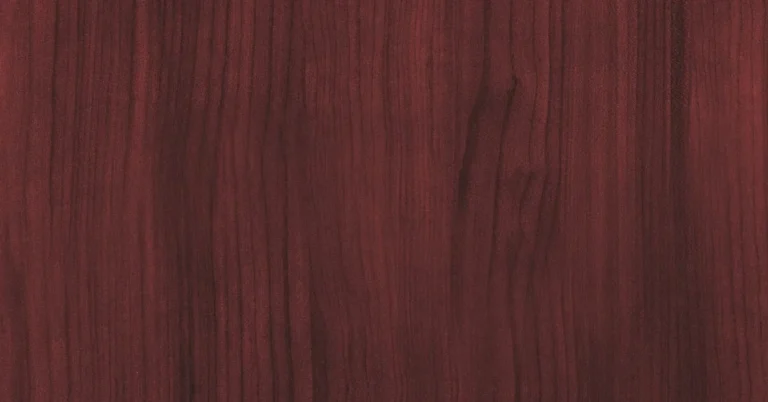
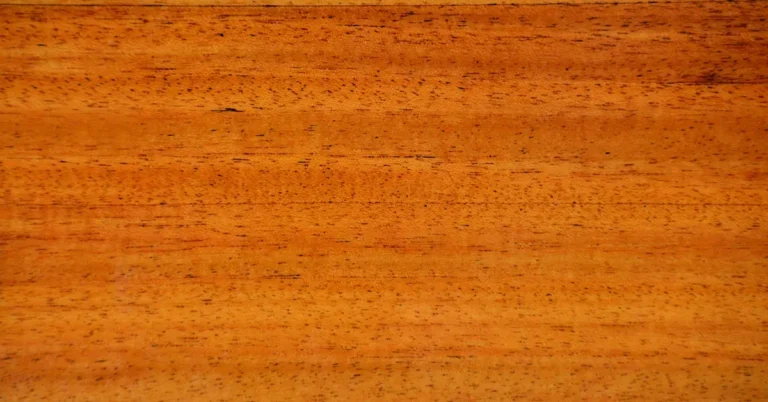
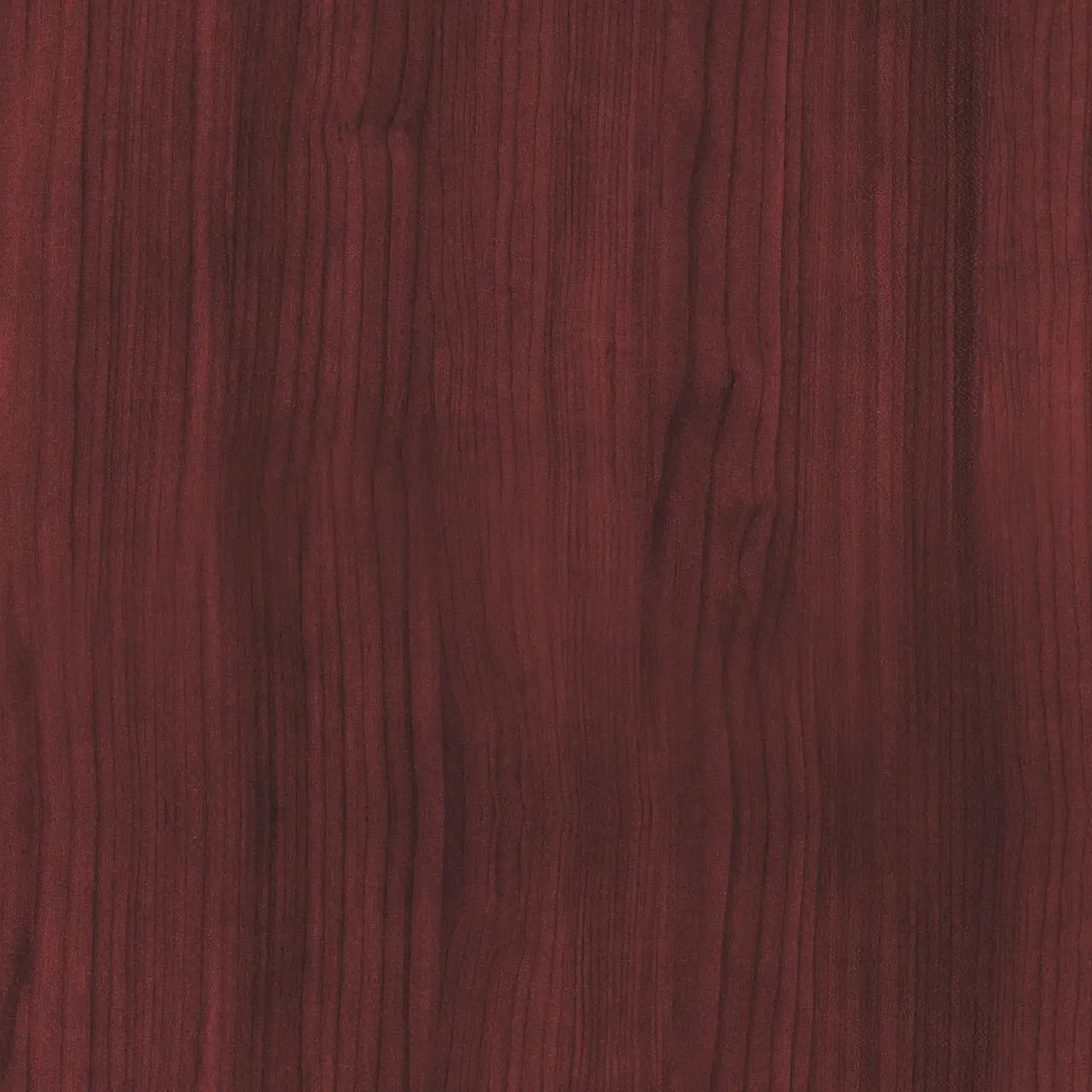
The three recognized species are Swietenia macrophylla, Swietenia mahagoni, and Swietenia humilis. All three share the general mahogany look: a pinkish to red-brown color that usually turns deeper and browner as the wood oxidizes, a straight, fine, and sometimes slightly ropy texture, and clean machining on most boards, though reversing grain can still tear if you push a dull cutter too hard.
The broad trade definition: woods sold as mahogany that are not Swietenia
Many boards sold as mahogany are outside Swietenia. The two groups that matter most in real buying are Khaya, sold as African mahogany, and Shorea, sold as Philippine mahogany. Those are trade names, and one of them is not even in the same family as genuine mahogany.
African mahogany usually means one of five Khaya species native to Africa and Madagascar. In the shop and at the yard, it gets used in place of genuine mahogany because the color and pore pattern can read similarly in a stack, and the boards often come in at a lower price.
Philippine mahogany is a trade name for certain Shorea species. It is not true mahogany. Treating it as if it were Swietenia leads to sloppy buying decisions, especially for exterior trim, matching old furniture, and estimating workability from a catalog photo alone.
Why naming confusion causes bad buying decisions
If a yard tag says only “mahogany,” the buyer still does not know the wood’s hardness, grain behavior, legality status, or likely movement in service. That is the real problem. A cabinet side, a boat coaming, and a shop fixture may all wear the same trade label and still need different species choices.
Species decides more than color. It shapes how a board planes, whether ribbon stripe means interlocked grain, whether pores need aggressive filling, and whether exterior use is sensible or risky. For this reason, the botanical name matters more than the sales name.
📊 African mahogany runs harder, around 1,100 lbf. Source: What Is Mahogany Wood Used For? (Species, CITES Status + Uses).
The mahogany species and trade names that matter
Swietenia macrophylla: Honduran or big-leaf mahogany
Swietenia macrophylla is the most widespread genuine mahogany and the only species widely grown commercially. In many yards, this is the board most buyers mean when they ask for “real mahogany.” It is also the species most often compared against African mahogany for furniture and casework.
It is commonly sold as Honduran mahogany or big-leaf mahogany. Since 2003, Swietenia macrophylla has been listed on CITES Appendix II. That does not make it illegal to buy, but it does mean legal trade should be backed by species and origin documentation.
For working traits, this is the baseline species. Honduran mahogany is about 900 lbf on the Janka scale, with density averaging about 650 kg/m³ in the cited source. Those numbers help explain why it machines cleanly, dents less than softer cedar-like woods, yet still feels forgiving compared with many denser tropical imports.
Swietenia mahagoni: West Indian or Cuban mahogany
Swietenia mahagoni is native to southern Florida and the Caribbean. In current trade it is rare, and Cuban mahogany is described as extremely expensive and rare. Buyers should expect limited availability, small quantities, and a lot of reclaimed or estate-stock material rather than routine yard inventory.
This species built much of mahogany’s reputation in older furniture and millwork. Cuban mahogany is listed in the cited source at around that density. When I run across it today, it is usually for restoration, period-correct joinery, and projects where matching old work matters more than cost.
Swietenia humilis: Pacific Coast mahogany
Swietenia humilis is native to seasonally dry forests along the Pacific side of Central America. It has limited commercial value and is seldom what a retail buyer will find in ordinary lumber channels. It matters mainly because it is still one of the three recognized genuine mahogany species.
Its role in this guide is simple: it counts as true mahogany botanically, but it is not the practical reference species for most modern buying decisions. If it appears, expect a more specialized sourcing path and stronger need for clear paperwork and identification.
Khaya and Shorea: the two lookalike groups most buyers meet
African mahogany means Khaya, a qualified trade name covering five species native to Africa and Madagascar. It is the most common substitute for genuine mahogany in doors, casework, and wider boards. African mahogany runs harder, around 1,100 lbf, and often shows more interlocked grain.
Philippine mahogany means selected Shorea species. This is a trade grouping, not true mahogany, and it should be treated as its own material family. Some boards can work fine for paint-grade or utility jobs, but buyers should not assume the same stability, machining, or exterior behavior they expect from Swietenia.
Mahogany species comparison table
How to read the table and compare like with like
The useful comparison is species against species, not one sales label against another. Hardness helps with dent resistance and hand-tool feel. Grain behavior predicts tear-out risk. Stability matters more for cabinet doors and wide panels than for small trim parts. Legality notes matter whenever Swietenia crosses borders.
| Botanical name | Trade name | Origin | Typical hardness range | Grain behavior | Stability | Legality notes | Best-use recommendation |
|---|---|---|---|---|---|---|---|
| Swietenia macrophylla | Honduran mahogany, big-leaf mahogany | Native to the Americas; widely grown commercially | About 900 lbf Janka | Usually straight and fine; occasional grainy areas; generally predictable | Good for joinery and wide panels when stock is well dried | CITES Appendix II since 2003 | High-end casework, furniture, doors, interior millwork, protected exterior trim |
| Swietenia mahagoni | West Indian mahogany, Cuban mahogany | Southern Florida and the Caribbean | Varies by source; compare board by board | Fine texture; often chosen for appearance matching in older work | Very good where dry, clear stock is available | Rare in modern trade; verify provenance closely | Restoration, period furniture, premium small-batch millwork |
| Swietenia humilis | Pacific Coast mahogany | Seasonally dry forests of Central America | Varies by source; limited retail data | Can resemble genuine mahogany traits but is seldom encountered | Too uncommon for a broad rule | Limited commercial value; demand clear species identification | Specialty sourcing, research, niche work |
| Khaya spp. | African mahogany | Africa and Madagascar | Around 1,100 lbf Janka | Frequently interlocked; ribbon stripe common on quartered faces; tear-out risk higher | Usually good, but board selection matters more | Use full species and origin when possible; “African mahogany” alone is broad | Value-minded cabinetry, doors, larger millwork, appearance-driven substitutes |
| Shorea spp. | Philippine mahogany | Southeast Asia | Varies widely by species and cut | Can be coarser and less mahogany-like in texture; do not assume Swietenia behavior | Too variable for one blanket claim | Trade name only; confirm exact species group if project fit matters | Utility work, some doors and panels, cases where exact mahogany traits are not required |
Quick picks for cabinetry, exterior trim, boats, and value buying
For premium cabinetry, Swietenia macrophylla is the cleanest default. For appearance at lower cost, selected Khaya can work well if interlocked grain is handled carefully. For restoration, Swietenia mahagoni is the right match when provenance is clear. For vague “mahogany” utility stock, slow down and verify what it really is.
- Best all-around for fine furniture and casework: Swietenia macrophylla
- Best for historical matching: Swietenia mahagoni
- Best value substitute when machining plan is adjusted: Khaya
- Poor choice when species certainty matters: any board tagged only “mahogany”
How can you tell genuine mahogany from African mahogany?
Genuine mahogany and African mahogany can look close in rough stacks, but they separate when the buyer checks grain, weight, pore pattern, and machining behavior. Genuine mahogany usually looks calmer and more even. African mahogany more often shows ribbon stripe, interlocked grain, and a slightly harder, heavier feel in comparable board sizes.
Color, ribbon stripe, pore structure, and weight clues
Color alone is a weak test. Both groups can range from lighter pink-brown to deeper red-brown, and finish can hide a lot. A better clue is figure on quartered faces. African mahogany often shows a ribbon stripe caused by interlocked grain. Genuine mahogany can stripe too, but usually less aggressively.
Pore structure matters. Genuine mahogany tends to present a finer, more orderly face. African mahogany often reads a bit bolder and less calm under raking light. Weight helps too. If two dry boards of similar size are compared, African mahogany often feels a little denser.
What interlocked grain tells you at the planer and jointer
Interlocked grain is the working clue buyers notice fastest once tools touch the board. African mahogany more often tears at the planer, especially on reversing grain near ribbon figure. Genuine mahogany generally behaves better with standard cutter geometry, though figured areas in any species still deserve a lighter cut and a sharp edge.
If a board leaves fuzzy patches after planing or seems determined to lift against the cut from one section to the next, that is a strong sign the piece needs a different machining approach. Spiral cutterheads, finely set handplanes, and light passes reduce waste.
Questions to ask the yard when the label only says mahogany
- Ask for the botanical name, not only the trade name.
- Ask for the country or region of origin.
- Ask whether the stock is solid lumber, veneer-faced panel, or mixed lot.
- Ask whether any CITES paperwork applies to the shipment.
- Ask whether the yard can separate Swietenia, Khaya, and Shorea on the invoice.
How hard is mahogany wood?
Mahogany is not one hardness. Honduran mahogany is about 900 lbf on the Janka scale, while African mahogany runs harder, around 1,100 lbf. That difference affects dent resistance, edge retention, and hand-tool feel, but hardness alone does not predict stability, tear-out, or outdoor life. Species still matters more than the sales label.
Using Janka hardness without overreading the number
Janka tells how much force is needed to embed a steel ball into wood. It is useful, but narrow. A higher number usually means better dent resistance and a slightly more resistant feel under chisels, saws, and abrasives. It does not tell whether a board will plane cleanly or move less across a wide panel.
For cabinets, the gap between about 900 lbf and around 1,100 lbf matters less than grain behavior and drying quality. For tabletops, stair parts, or door edges that take abuse, hardness has more weight in the decision.
Why hardness and density figures vary by species and source
Even within one trade name, hardness can vary because the underlying species differ, and because growth conditions, moisture content, and sample source differ. That is why a single “mahogany hardness” number misleads buyers. It compresses several woods into one average that may fit none of the boards in front of the buyer.
Density tells a similar story. Cuban mahogany averages 660 kg/m³ density in the cited source, while Honduran mahogany averages about 650 kg/m³ density in the cited source. That close spacing explains why they can feel related, yet still differ in rarity, cost, and practical sourcing.
What hardness means for dents, machining, and hand-tool feel
Softer mahogany types bruise more easily during handling. Harder types resist dents better but can chip more readily around difficult grain. In practice, I find a moderately hard, stable board is often the sweet spot for fine casework. For flooring or heavily used stair parts, some buyers move to other species altogether.
Which type of mahogany fits your project?
The best mahogany depends on use. Swietenia macrophylla is the safest broad choice for furniture and cabinetry, selected Khaya can work well where cost matters, and true mahogany remains a strong option for protected exterior trim and marine brightwork when stock is clear, stable, and finished for weather exposure.
Furniture and cabinetry: stability, joinery, and show-face grain
For high-end casework, the target is stable, straight-grained stock that machines cleanly and matches across wide faces. Genuine mahogany earns its place here because it behaves predictably in joinery and usually keeps panel doors, face frames, and long rails under control if the stock was dried well.
African mahogany is also a workable cabinetry wood, especially for larger panels and budget-sensitive custom work. The tradeoff is more attention at the planer and jointer. If the show face carries strong ribbon stripe, use that figure on purpose instead of fighting it.
For paint-grade shop fixtures or lower-cost utility work, “Philippine mahogany” may be serviceable, but buyers should stop assuming it will mimic genuine mahogany in pore structure, edge crispness, or long-term movement.
Boatbuilding and marine trim: when mahogany works outside
Mahogany has long been used for boat trim, brightwork, and some exterior joinery because certain species combine decent dimensional behavior with useful decay resistance. Still, outdoor success depends on species choice, detail design, and finish maintenance. End grain sealing, water shedding, and UV protection matter as much as the board itself.
Use clear, stable stock for coamings, trim, and parts that see splash but can dry. Avoid vague mixed “mahogany” for wet service. Where parts stay soaked, buried, or poorly ventilated, species with stronger decay records may be the better call.
Doors, windows, instruments, and when to choose something else
For doors and windows, mahogany is attractive because it stays relatively predictable and finishes to a warm sheen. For instruments, selected genuine mahogany or African mahogany can work where a builder wants moderate weight and easy carving. For flooring, butcher-block wear, or heavy shop tops, many buyers should pick a harder species.
What can go wrong when working mahogany?
Mahogany usually machines well, but failure points are real. African mahogany can tear badly in interlocked grain, wide flatsawn parts can move if stock was rushed through drying, and open pores can leave a finish looking sunken or muddy. Most problems start with poor species identification or poor board selection.
Tear-out in interlocked grain and how to prevent it
Ribbon-striped African mahogany is the classic trouble board. The face looks great, then lifts in alternating patches under a straight-knife planer. Prevention starts with grain reading before milling. Light cuts, sharp edges, a higher effective cutting angle, or a spiral cutterhead will save more wood than brute force feed rates.
Scraping can clean up what sanding only smears. When I hand plane it, a tight mouth and very fine set help, especially near reversing grain.
Movement, warp, and stock selection mistakes
Mahogany is often called stable, but that does not excuse bad stock. Avoid boards with strong crook and obvious stress if they are meant for frame parts. For doors and large panels, prefer rift or quartersawn material when available. Let rough stock settle after the first milling pass before bringing it to final thickness.
Wide flatsawn pieces can still cup. Short, narrow parts hide movement better than broad show panels. Build around that fact.
Pore filling, blotching, glue, and finish failure points
Most mahogany-family woods have open pores. If the goal is a flat, reflective film, pore filling is usually needed before the final topcoats. Skip that step and the finish often sinks into the grain later, leaving a washboard look.
Blotching is usually less severe than on some diffuse-porous woods, but uneven stain uptake still happens, especially on mixed-grain substitutes sold under the mahogany label. Test stain and sealer on offcuts. Glue joints are generally straightforward if surfaces are fresh and dust-free, but oily contamination from shop handling can still spoil a bond.
Is mahogany legal, sustainable, and expensive to buy?
Mahogany can be legal and responsibly sourced, but buyers need species names and paperwork. Swietenia macrophylla has been on CITES Appendix II since 2003, which means trade is controlled rather than banned. Price climbs with rarity, clear provenance, board width, and higher grades, especially for genuine mahogany and restoration stock.
CITES Appendix II and what it means for Swietenia macrophylla
CITES Appendix II does not mean a wood cannot be sold. It means trade is regulated and should be documented. For a buyer, the practical point is simple: if a seller offers imported big-leaf mahogany and cannot identify species or origin, caution is warranted.
This matters most for imported solid lumber, veneer lots, and architectural components crossing borders. Old reclaimed stock can be legal too, but provenance should still be documented clearly on the invoice when possible.
A practical buyer checklist for legal and responsible sourcing
- Get the botanical name on the quote or invoice.
- Get the country of harvest or origin.
- Ask whether the shipment is covered by CITES paperwork if it is Swietenia macrophylla.
- Check whether the lot is sold as solid wood, veneer, or mixed species.
- Note any certification the seller provides, if present.
- Walk away from labels that say only “mahogany” on high-value purchases.
Why price swings by species, grade, width, and provenance
Cuban mahogany is described as extremely expensive and rare, so it sits in a different market from routine casework lumber. Big-leaf genuine mahogany costs more when boards are wide, clear, and well documented. African mahogany often lowers material cost, but labor can rise if interlocked grain slows milling and finishing.
That is why “better” needs a project context. A more expensive board that machines faster and wastes less can still be the better buy.
What is the best finish for mahogany wood?
The best finish depends on use. For interior furniture, a pore-filled film finish gives the cleanest depth and warm sheen. For doors and exterior trim, the finish must block UV and shed moisture. Mahogany darkens with age, but strong sun can also bleach surfaces and break down unprotected exterior films.
How mahogany changes color with age and light exposure
Mahogany is valued for its pinkish to red-brown cast, and indoors it usually shifts darker and browner over time. That deepening is usually welcome indoors. Outdoors, light exposure is harsher. UV can dull color, dry the surface, and push clear finishes toward failure if maintenance is ignored.
Freshly milled boards may look lighter and less dramatic than finished pieces. Buyers matching old work should account for that color shift before choosing stock.
Film finishes, oils, and pore-filling choices by use case
For fine furniture and cabinetry, a filled surface under shellac, varnish, or lacquer gives the most even reflection and the classic smooth look associated with mahogany. Oil alone leaves a softer, more open-pored appearance. That can be attractive, but it will not hide texture or offer the same spill resistance.
For doors and windows, use a finish system suited to moving wood and regular upkeep. On open-pored substitutes, extra filling and sanding between coats may be needed to keep the finish from sinking.
UV and moisture protection for interior and exterior work
Exterior mahogany needs design help from the project itself: eased edges, sealed end grain, drainage, and no water traps. Even good wood fails early under bad detailing. For marine trim and outdoor brightwork, expect maintenance cycles. The wood can do its part, but the finish cannot be ignored.
Frequently asked questions
What is mahogany wood?
Mahogany wood, properly defined, is timber from three tropical hardwood species in the genus Swietenia. In stores, the name also gets used for African mahogany and Philippine mahogany, which are different woods. Buyers get better results by treating “mahogany” as a starting label and asking for the species name.
What are the different types of mahogany wood?
The true mahoganies are Swietenia macrophylla, Swietenia mahagoni, and Swietenia humilis. Buyers also commonly meet African mahogany, which means Khaya, and Philippine mahogany, which means selected Shorea species. Those trade-name woods should be compared separately, because hardness, grain, and legality can differ sharply.
How can you tell genuine mahogany from African mahogany?
Check more than color. Genuine mahogany usually has a calmer face, finer texture, and more predictable machining. African mahogany often shows ribbon stripe on quartered faces, feels a bit harder, and can tear out more readily because interlocked grain is common. If the yard cannot name the species, treat the stock cautiously.
Is mahogany wood good for furniture?
Yes, especially Swietenia macrophylla for cabinets, casework, and furniture parts that need stable joinery and a clean finished face. It machines well, finishes well, and stays manageable in hand and machine work. African mahogany can also work well, but the builder should plan for tougher grain behavior on figured boards.
Is mahogany wood good for boat building?
Mahogany can be a good choice for marine trim, brightwork, and some exterior parts when the species is known, the stock is clear and stable, and the finish is maintained. It is a weaker choice when the species is vague, the part stays wet, or the design traps water against end grain and joints.
Why is mahogany expensive?
Price rises for several reasons: genuine mahogany is not the same as substitutes, legal trade documentation adds friction, rare species are scarce, and wide clear boards are harder to source. Cuban mahogany is especially rare and expensive. Cost also reflects grade, dryness, width, matching quality, and how certain the provenance is.
Sponsored / affiliate links. As an Amazon Associate I earn from qualifying purchases. I may earn additional commission from eligible campaigns.
 The Hardwood Edge Mahogany Hardwood Planks - 2-Pack Mahogany Wood for Unfinished Wood Crafts - 1/8’’ (3mm) 100% Pure Hardwood - Laser Engraving Blanks - Exotic Mahogany Planks for Crafts and Gifts
 The Hardwood Edge Mahogany Hardwood Planks - 4-Pack Mahogany Wood for Unfinished Wood Crafts - 1/8’’ (3mm) 100% Pure Hardwood - Laser Engraving Blanks - Exotic Mahogany Planks for Crafts and Gifts