Metal vs Wood Raised Beds: A Durability Showdown
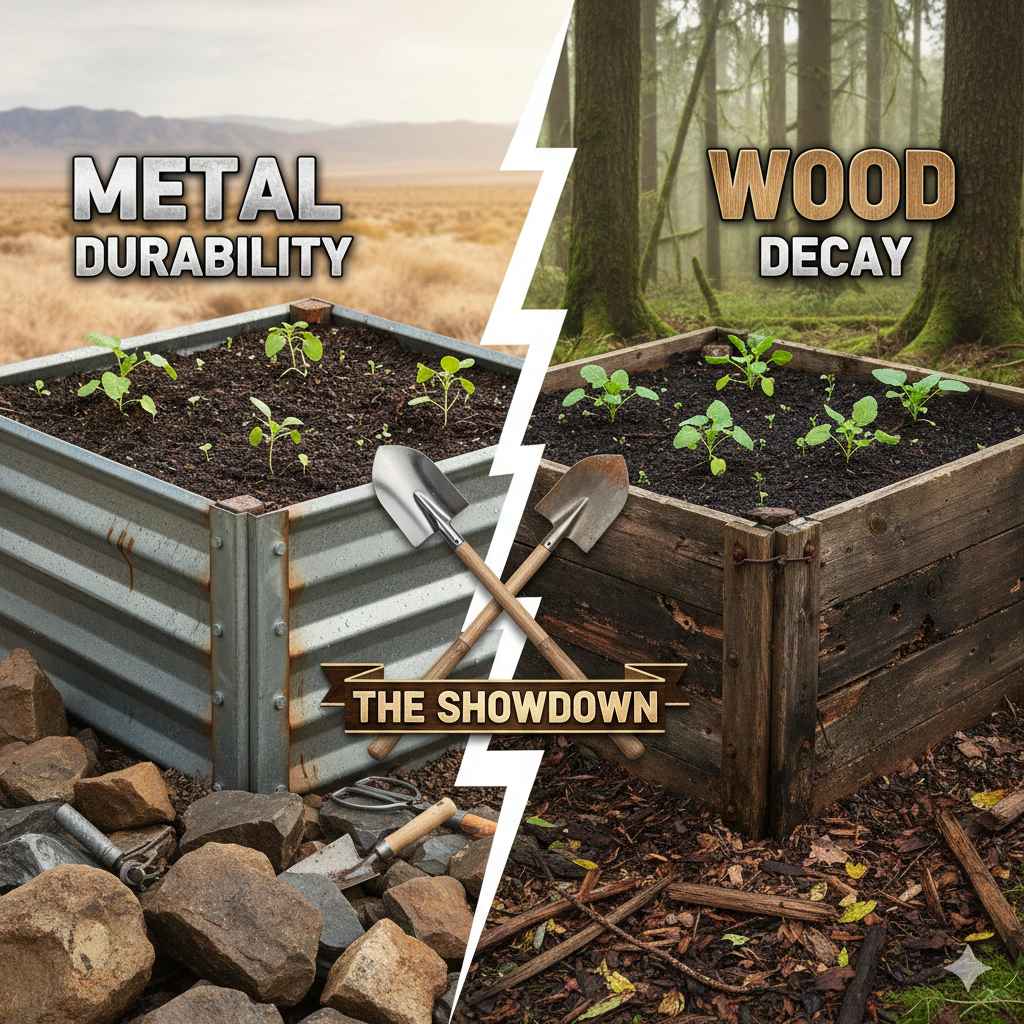
Choosing the right material for your garden beds can be tricky, especially when deciding between Metal vs Wood Raised Beds: Which Lasts Longer? Beginners often wonder if one is clearly better than the other, and it’s easy to get lost in all the information. Don’t worry, though! This post will break down the pros and cons of each material in a simple way. You’ll soon see which option is best for your garden setup. Get ready to explore the differences and make the best choice!
Unpacking the Choices: Metal vs Wood
The first step is knowing your options. Both metal and wood have their benefits. Metal beds are known for their strength and longevity, while wood often offers a more natural look. Understanding the different materials will help you make a choice that is best suited for your garden’s needs. We’ll look at the typical types of metal and wood used, and how they stack up in a real-world garden setting. This helps you get a clear view of their strengths and weaknesses before you start planning your garden project. Let’s explore the materials in detail.
Metal Bedding: A Sturdy Selection
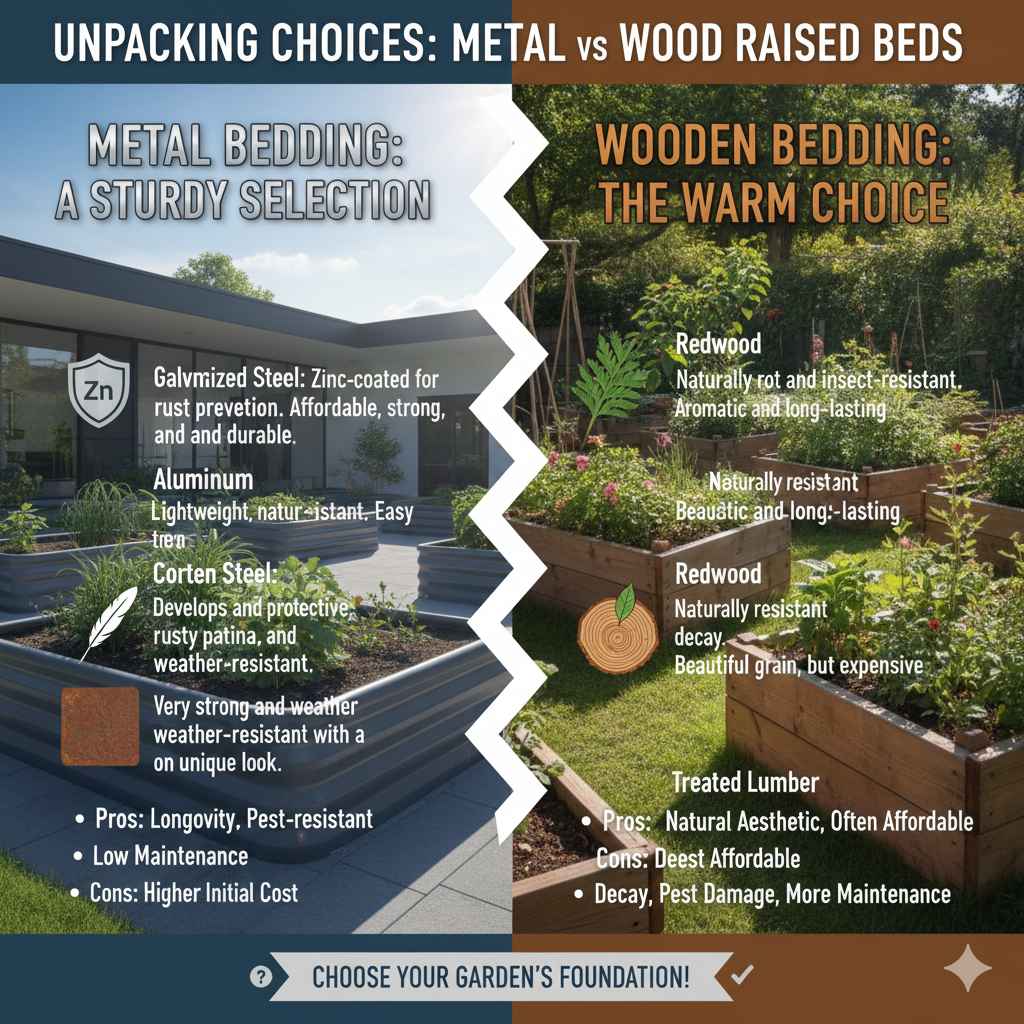
Metal raised beds are a popular choice due to their durability and sleek appearance. They are typically made from galvanized steel, aluminum, or sometimes, corten steel. These materials are chosen for their resistance to rust and corrosion, which are essential when battling outdoor conditions. The lifespan of a metal bed can often be significantly longer than that of a wooden bed, making them a worthy investment.
The initial cost can be higher, but the minimal maintenance and long lifespan usually offset this cost over time. The structural integrity also allows for designs that are more resistant to pest damage and weather.
- Galvanized Steel: A steel that has been coated with zinc to prevent rust. It’s affordable and widely available. Its strength ensures it can hold soil and withstand the elements.
- Aluminum: A lightweight metal that is naturally rust-resistant. Aluminum is great in terms of weather resistance and easy handling. It is great for gardeners who like to move their beds.
- Corten Steel: Known for its unique, rusty appearance, Corten steel develops a protective layer of rust that prevents further corrosion. It is very strong and weather resistant.
Wooden Bedding: The Warm Choice
Wood raised beds often offer a more natural aesthetic, blending well with any garden setting. The most common wood choices include cedar, redwood, and treated lumber. While wood adds a certain charm, it also presents different maintenance needs compared to metal. It’s subject to natural decay from moisture, insects, and the soil. The lifespan of a wooden bed can vary, usually requiring more upkeep to keep it in good shape. Treated lumber is often the most affordable option, while cedar and redwood offer natural resistance to rot and insects, meaning a longer life.
- Cedar: A naturally rot-resistant wood that is great for outdoor use. Its essential oils help repel insects, and it has a pleasant aroma.
- Redwood: Similar to cedar, redwood is naturally resistant to decay and insects. It’s often more expensive but it has a beautiful grain pattern.
- Treated Lumber: This lumber is chemically treated to resist rot, insects, and decay. It’s usually the most economical wood option. Make sure to use lumber that is safe for gardening.
The Test of Time: Durability Comparisons
When it comes to the question of Metal vs Wood Raised Beds: Which Lasts Longer? durability is a key factor. Metal beds typically have a longer lifespan because they don’t rot or degrade like wood. However, the exact lifespan varies depending on the type of metal, the quality of the construction, and the environment. Wood beds, on the other hand, are subject to natural decay. This is influenced by the type of wood, its treatment, and the conditions it faces. Proper care is essential to extending the life of your beds, regardless of the material. Let’s explore the factors that impact the lifespan of each material in detail.
Metal’s Longevity Factors
Metal beds are known for their long life and high resistance to the elements. Galvanized steel, aluminum, and corten steel all have different characteristics, but they’re all typically more durable than wood. Proper maintenance will help them last even longer. Metal beds often need very little maintenance. The initial cost can be higher, but you save on repair or replacement costs over time.
- Corrosion Resistance: Metals like aluminum and galvanized steel don’t rust as easily. They are great choices for wet or humid climates.
- Weather Resistance: Metal beds stand up well to both hot and cold weather. Expansion and contraction due to temperature changes is minimal, preventing cracking or warping.
- Pest Resistance: Metal doesn’t attract wood-boring insects or other pests that might harm wooden beds. This lack of pest vulnerability adds to its longevity.
- Construction Quality: Welded or bolted metal bed frames are strong. They are good at holding soil. A good design is more resistant to bending or breaking.
Wood’s Endurance Evaluation
Wood’s durability depends heavily on the type of wood used and how it’s treated. Wood beds have a more rustic charm. Untreated wood is susceptible to rot and insect damage. The lifespan can be extended by using rot-resistant wood. Regular maintenance is key to keeping wood beds in good condition. Wood is more affordable upfront, but the cost may increase over time.
- Wood Type: Cedar and redwood are naturally rot-resistant. Treated lumber is also protected, but may contain chemicals.
- Wood Treatment: Applying sealers, stains, or preservatives will protect wood. Proper treatment prevents moisture from seeping in.
- Environmental Conditions: Constant exposure to moisture and direct contact with soil can speed up wood decay. Raised beds in wet climates will need more maintenance.
- Pest Impact: Wood-boring insects can cause big problems for wooden beds. Pest control is sometimes needed to avoid damage.
Maintenance Matters: Upkeep Strategies
No matter which material you choose, a little upkeep can go a long way in keeping your raised beds looking and performing their best. Regular maintenance can significantly extend the lifespan of your beds, whether they are made of metal or wood. Both materials require slightly different approaches to care, so it’s important to know the steps to keep them in good shape. Regular checks for any signs of damage or wear are key. Here’s a detailed guide to keeping your beds in top condition, regardless of the material.
Metal Bed Upkeep: Simple Steps
Metal beds are relatively low maintenance, but there are a few things to keep in mind. Proper maintenance will prevent rust and keep the beds looking neat. Regular inspections can identify any problems early, before they become serious. Even minor maintenance efforts can result in significant improvements, giving you a beautiful garden space. Here are some tips to keep your metal beds in tip-top condition:
- Regular Inspections: Check for rust or damage. Look for any loose screws, bolts, or welds. Address any problems early.
- Cleaning: Wash down the beds with soapy water to remove dirt and debris. Avoid using abrasive cleaners. Rinse well and let dry.
- Rust Prevention: If you spot rust, sand it down. Apply a rust-preventative primer and paint. Use a paint made for outdoor use.
- Drainage: Make sure your beds have good drainage to prevent water from standing. Good drainage will help prevent corrosion.
Wood Bed Upkeep: Essential Tasks
Wood beds need more regular maintenance to protect against the elements. Preventative measures will significantly extend the life of your wooden beds. This regular care preserves the wood and keeps the beds looking good. Here’s what you need to do to keep your wood beds healthy and durable:
- Sealing and Staining: Apply a sealant or stain to the wood to protect it from moisture. Reapply every couple of years. Choose a product that is safe for gardens.
- Cleaning: Regularly clean the wood to remove dirt and debris. Use a soft brush and soapy water. Rinse thoroughly.
- Damage Repair: Address any cracks, splits, or rot immediately. Replace damaged boards as soon as possible.
- Preventative Measures: Use landscape fabric to keep the soil from direct contact with the wood. This will help prevent rot.
Cost Analysis: Weighing the Investment
When considering Metal vs Wood Raised Beds: Which Lasts Longer? you can’t ignore the financial aspects. The initial costs differ a lot between the two materials. Metal beds usually have a higher upfront cost, while wood beds can be more affordable at first. The price also depends on the type of metal or wood, the size of the beds, and any additional features. It’s key to look at the long-term value, including maintenance costs and replacement needs. Here is a breakdown of the expenses involved and how they compare.
Metal Bed Budgeting: Price Breakdown
Metal beds, especially those made from high-quality materials, can be more expensive. Metal beds may look more expensive to buy, but their long life often balances out the cost. Consider all factors, from the materials and construction to any added features like corner protectors or decorative elements. The long lifespan of metal beds often makes them a better investment in the long run.
- Material Costs: Galvanized steel is the most budget-friendly, while corten steel will cost more. The type of metal affects the final price.
- Construction Costs: Pre-made metal beds are usually cheaper than custom-built ones. Assembly is normally easy, so this reduces the cost.
- Maintenance Costs: Metal beds have low maintenance needs, which keeps ongoing costs down. Regular cleaning and minimal upkeep will keep costs low.
- Lifespan: Metal beds can last for 10-20 years or more. This long lifespan provides great value.
Wood Bed Budgeting: Price Evaluation
Wood beds can be more affordable to begin with, but the ongoing maintenance adds to the cost. The initial cost is often lower, but the price of wood varies based on the type. Consider the cost of treating the wood to protect it from rot and pests. While the initial investment may seem appealing, remember that you’ll need to make regular investments over time to preserve the beds.
- Material Costs: Untreated lumber is the most affordable, but cedar and redwood are more expensive. Choose wood based on your budget.
- Construction Costs: Building your own bed can save money. Pre-made kits are usually more expensive.
- Maintenance Costs: You will spend money on sealants, stains, and preservatives. Expect to do annual repairs to maintain your beds.
- Lifespan: Wood beds typically last 5-10 years. You may need to replace them sooner than metal beds.
Design and Style Considerations
Beyond durability and cost, think about aesthetics when choosing between Metal vs Wood Raised Beds: Which Lasts Longer?. Your garden’s style and the overall look you want to achieve play a big role in your choice. Both metal and wood beds can improve the beauty of your garden, but they offer different visual effects. The style you choose can set the tone for your whole garden, enhancing the beauty of your plants and making your outdoor space inviting. Let’s look at the design choices for each material.
Metal Aesthetics: Modern and Clean
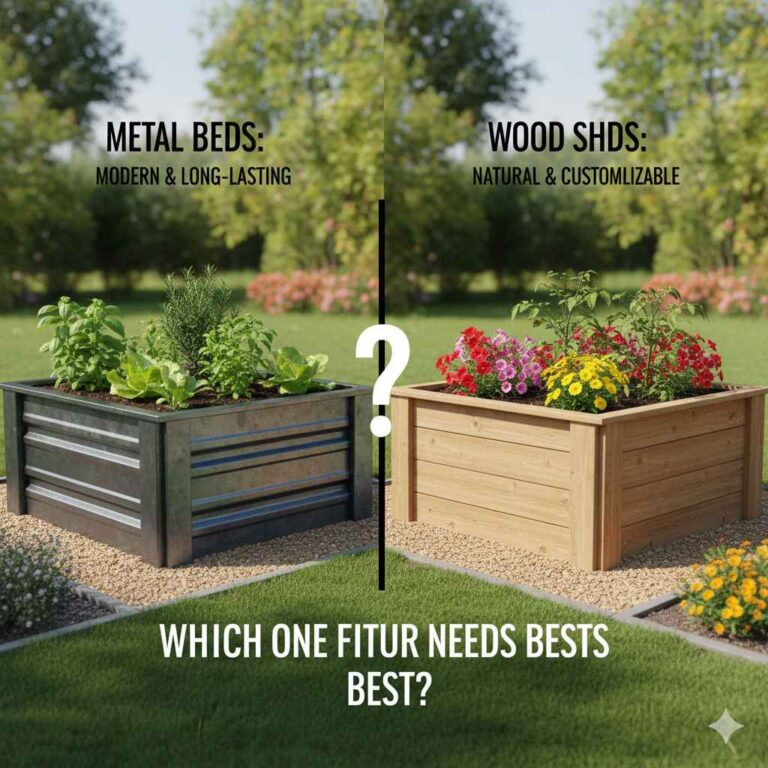
Metal beds often provide a modern, sleek look. Clean lines and simple shapes make them a versatile choice for any garden. They are great for contemporary designs. The variety of finishes and colors available can complement your plants and garden style. You can select beds that seamlessly blend into your outdoor setting. The choices offered can greatly affect your garden’s overall feel.
- Clean Lines: Metal beds often have straight, clean lines that give a modern feel.
- Color Options: Metal beds are available in many colors and finishes. Choose a color that matches your garden’s theme.
- Versatility: Metal beds can work in a lot of different garden styles, from urban to minimalist.
- Minimalist Style: Their simple design is great for gardeners who like a neat and uncluttered space.
Wood Aesthetics: Natural and Rustic
Wood beds provide a more natural, rustic charm. They add warmth and texture to your outdoor space. The natural grain and color of wood blend well with all kinds of gardens, from cottage gardens to more informal settings. Wood helps plants blend into the landscape and adds a sense of comfort. Here is what to think about when choosing wood beds.
- Natural Look: Wood beds create a natural connection with the earth. The look complements plants.
- Warm Texture: The texture of wood adds warmth and visual interest.
- Rustic Charm: Wood beds are a great choice for creating a cozy, informal garden look.
- Design Options: Wood beds can be customized. You can create different shapes and styles.
Practical Applications: Real-World Scenarios
To help you better choose between Metal vs Wood Raised Beds: Which Lasts Longer?, let’s look at some real-world examples. Understanding how metal and wood beds behave in different situations can help you choose the best option. These scenarios will help you imagine how each material performs in various garden conditions. Here are a few examples that explore practical applications.
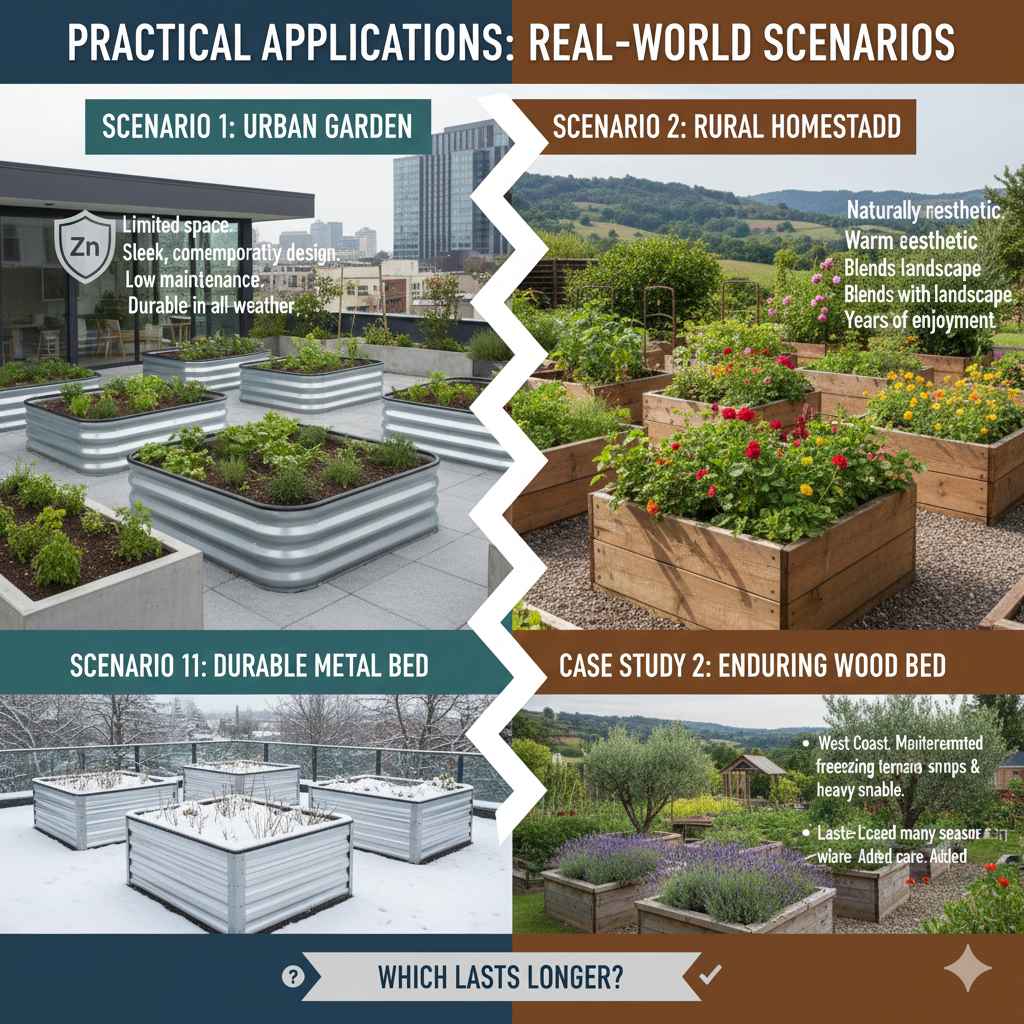
- Scenario 1: Urban Garden In a small urban garden with limited space, a metal raised bed offers a durable, low-maintenance solution. The sleek design of the metal bed fits well with the contemporary feel of many city spaces. Metal beds will easily withstand the weather.
- Scenario 2: Rural Homestead In a rural setting, a wood raised bed made from cedar or redwood adds to the garden’s natural beauty. The warm color and rustic charm complement the surrounding landscape. The wood beds will provide years of gardening enjoyment.
- Scenario 3: High-Humidity Environment In areas with high humidity or rainfall, a metal bed made from galvanized steel is a more practical choice. It resists rust and lasts longer. Metal beds will have a lower chance of needing repairs over the seasons.
Let’s also look at a few examples of how these raised beds have performed for different gardeners:
- Case Study 1: The Durable Metal Bed A gardener in a northern climate chose metal beds. They needed something that could withstand freezing temperatures and heavy snow. The metal beds stood up well to the weather. After 10 years, they were still in good condition. The metal beds needed very little maintenance beyond occasional cleaning.
- Case Study 2: The Enduring Wood Bed A gardener on the West Coast wanted a garden that matched their style. They chose a wood bed made of redwood. This bed was used in a Mediterranean garden style, and it lasted for many seasons. The gardener provided regular care to help extend the life of the wood. The wood bed added beauty to their space.
Frequently Asked Questions
Question: Are metal beds safe for growing food?
Answer: Yes, metal beds are generally safe. Just make sure the metal is not treated with harmful chemicals. Galvanized steel and aluminum are common and safe choices for growing vegetables.
Question: How can I prevent rust on my metal beds?
Answer: Clean the beds regularly, remove any rust, and repaint them with rust-resistant paint. Good drainage will also help prevent rust.
Question: What’s the best wood for a raised bed?
Answer: Cedar and redwood are great options because they are naturally rot-resistant. You can also use treated lumber that is safe for gardening.
Question: How often should I treat a wood bed with sealant?
Answer: Most sealants should be reapplied every two to three years. This protects the wood from weather and damage.
Question: Can I move metal raised beds easily?
Answer: Yes, some metal beds, especially those made of aluminum, are lightweight. However, larger beds may need to be disassembled to move them.
Final Thoughts
Choosing between Metal vs Wood Raised Beds: Which Lasts Longer? is about weighing your needs against the materials. Metal beds usually win in the durability contest. They offer long-lasting performance with minimal maintenance. Wood beds bring beauty and a natural look but require more upkeep and are subject to the elements. Remember to consider your budget, the style you want, and the conditions in your garden. Whether you pick metal or wood, focus on the long-term benefits and the joy of gardening. By choosing the right material, you’re setting yourself up for success! Enjoy creating and growing!