Morning Star Bamboo Floors: Honest Review Before You Buy
You’re not alone if you feel a little lost. Choosing flooring is a big decision. It affects how your home looks and feels.
It also impacts your wallet and your peace of mind. This guide dives deep into Morning Star bamboo floors. We’ll explore what makes them tick, what real people think, and if they’re the right fit for your busy home.
Morning Star bamboo floors offer a visually appealing and potentially eco-friendly option for homes. They are known for their unique grain patterns and varying shades, often coming in both horizontal and vertical grain styles. The material itself is a grass, which can grow back quickly.
However, like any flooring, their performance depends heavily on manufacturing quality, installation, and maintenance. Consumers often weigh their aesthetic appeal against concerns about durability and moisture resistance.
What Are Morning Star Bamboo Floors?
Morning Star is a brand that offers bamboo flooring. Bamboo itself is a type of grass. It grows very fast.
This makes it a popular choice for people who want a more sustainable option for their homes. They harvest the bamboo stalks. Then, they process them into long planks.
These planks are made into flooring.
There are different ways bamboo floors are made. This affects how strong they are. Morning Star likely uses methods common in the industry.
This could include strand-woven bamboo. This is a very strong type. They might also offer traditional horizontal or vertical grain styles.
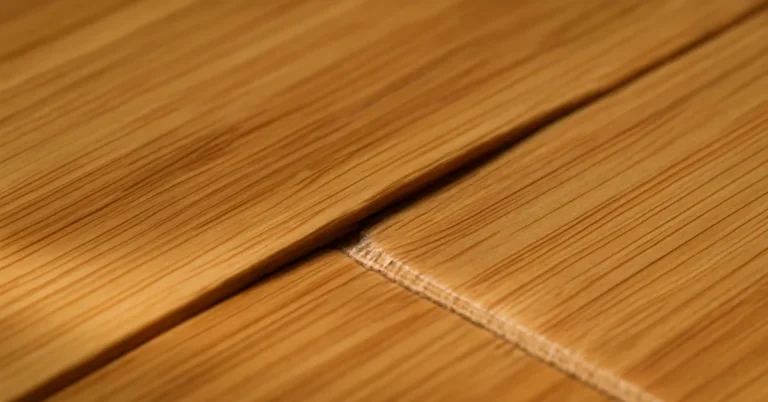
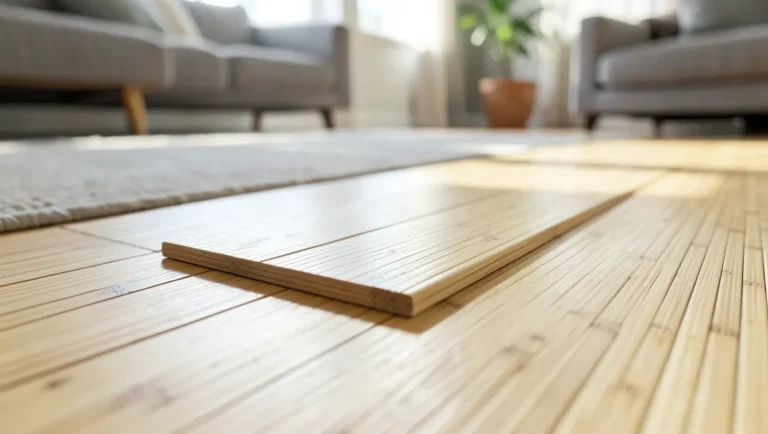
Horizontal grain shows the wide, flat parts of the bamboo stalk. Vertical grain shows the thinner, more linear strips.
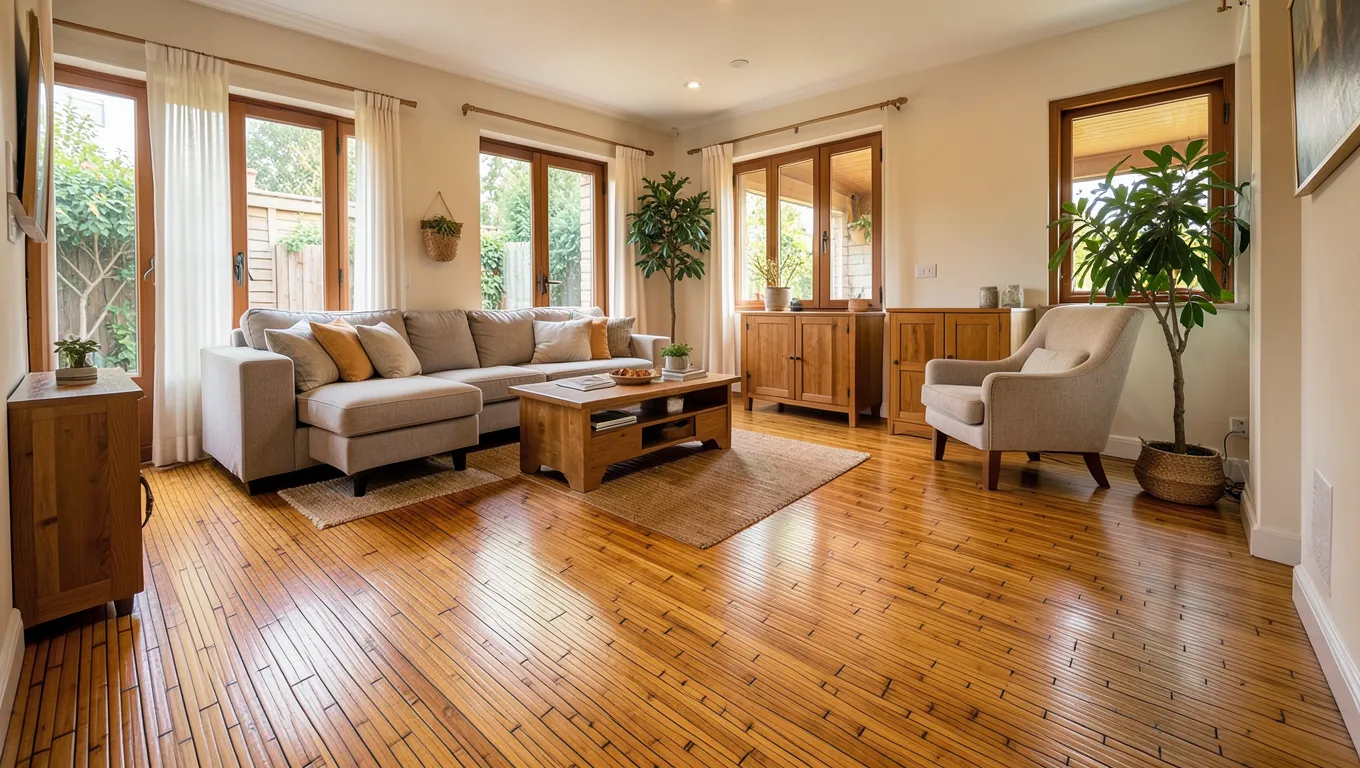
The look of Morning Star floors can vary. They come in many colors. Some are natural shades of bamboo.
Others are stained to match different decor styles. You might find light creams, warm tans, and even dark browns or grays. The finish on the floor also matters.
A good finish protects the bamboo from scratches and wear.
When we talk about bamboo flooring, especially from a brand like Morning Star, we’re looking at a product that aims for a balance. It wants to be beautiful. It wants to be a good choice for the planet.
And it needs to work in a home. But how well it achieves that balance is what we really need to understand.

My Own Floor Fiasco: A Story of Unforeseen Issues
I remember one time, a few years back, I was redoing my living room. I wanted something light and airy. I saw this beautiful, pale bamboo floor online.
It looked exactly like what Morning Star might offer – light color, sleek lines. I was sold. The price seemed okay.
It was billed as durable. I pictured myself barefoot on it, feeling good about my choice.
Installation day came. The installers seemed to know what they were doing. The floor went down.
It looked stunning. I walked on it, and it felt solid. For about six months, it was perfect.
Then, reality hit. My dog, a happy golden retriever, started to shed. And he loved to chase his tail.
Each time he spun, his nails would lightly scratch the surface. Nothing deep, but enough to dull the shine.
Then came the spilled water. A dropped glass of water by the coffee table. I wiped it up quickly.
Or so I thought. The next morning, I saw a slight discoloration where the water had sat. It wasn’t ruined, but it was a blemish.
It made me realize that “durable” had limits. And my home had plenty of little accidents waiting to happen. It was a stark reminder that even beautiful floors need a lot of care.
Understanding Bamboo Grain Types
Horizontal Grain:
This style shows the natural wide grain of the bamboo stalk. It gives a broader, more flowing look. It can make a room feel more spacious.
The planks often have a more distinct knot pattern.
Vertical Grain:
This style uses thinner strips of bamboo. They are laid side-by-side. This gives a more linear, consistent look.
It’s often seen as more formal or sleek. It can make a room feel taller.
Strand-Woven:
This is a manufacturing process. Bamboo fibers are crushed. Then they are mixed with resin.
This mixture is pressed under high heat and pressure. This creates an extremely dense and durable material. It’s often much harder than horizontal or vertical grain.
Real-World Durability: What Happens Over Time?
When you’re looking at Morning Star bamboo floors, or any bamboo floors really, durability is key. How does it stand up to daily life in an American home? We’re talking about kids, pets, dropped toys, and high traffic areas.
Bamboo is often promoted as being harder than many hardwoods. This is especially true for strand-woven bamboo.
Strand-woven bamboo is made differently. It’s not just strips glued together. Fibers are crushed and pressed.
This creates a material that is very dense. It can be incredibly tough. Many tests show it can be harder than oak or maple.
This makes it a good choice for busy families. It can resist dents and scratches better than softer woods.
However, not all bamboo is created equal. The manufacturing process matters a lot. The type of glue used and the quality of the wear layer are important.
A good wear layer with aluminum oxide can offer better protection. This top coat resists scratches. It also helps keep the color from fading.
Even the hardest bamboo can be scratched. Sharp objects are a common culprit. Dragging heavy furniture without pads can leave marks.
And moisture is always a concern. While many bamboo floors have a protective finish, they are not usually waterproof. Standing water can seep in.
It can cause swelling or discoloration over time.
Think about your climate too. In humid areas, bamboo can expand. In very dry areas, it can shrink.
This natural movement can lead to gaps between planks or even cupping if the environment isn’t controlled. Using a humidifier or dehumidifier might be necessary in certain homes.
Bamboo vs. Hardwood: A Quick Look
Hardness (Janka Test):
Many strand-woven bamboos score higher than common hardwoods like red oak or maple. This means they are more resistant to dents.
Scratch Resistance:
This depends heavily on the wear layer. Both bamboo and hardwood can scratch from sharp objects.
Moisture:
Both can be damaged by standing water. Bamboo may be more sensitive to humidity changes.
Sustainability:
Bamboo is a rapidly renewable grass. Hardwoods take much longer to grow.
Installation Considerations for Morning Star Bamboo
How your Morning Star bamboo floors are put down is just as crucial as the floors themselves. Installation affects their look, feel, and longevity. There are a few common ways to install them.
Floating Floor: This is very common for engineered bamboo. The planks are not nailed or glued to the subfloor. Instead, they click together.
Then, they are laid over an underlayment. This underlayment adds cushioning. It also helps with moisture.
This method is often DIY-friendly. It allows for natural expansion and contraction.
Nail-Down: For solid bamboo planks, this is a typical method. You use a special flooring nail gun. This shoots nails through the tongue of the plank.
It secures them to a wooden subfloor. This is a very strong and stable installation. It’s usually done by professionals.
Glue-Down: In this method, a special adhesive is used. It holds the planks to the subfloor. This can be done on concrete or wood subfloors.
It creates a very secure bond. Like nail-down, it’s often best left to pros.
The subfloor needs to be ready. It must be clean, dry, and level. Any imperfections in the subfloor can show through.
This can affect how the floor looks. It can also cause problems later on. A professional installer will check and prep the subfloor.
They will also know the best way to install the specific Morning Star product you choose.
Acclimation is also vital. Bamboo needs time to adjust to the temperature and humidity of your home. This usually means letting the boxes sit in the room for a few days before installation.
This reduces the risk of the wood expanding or shrinking too much after it’s down.
If you’re thinking about doing it yourself, be realistic. While floating floors can be DIY, they require precision. Getting the edges right, ensuring a tight fit, and handling cuts around doorways and obstacles takes practice.
Mistakes can be costly.
DIY vs. Professional Installation
DIY Pros:
- Saves money on labor costs.
- Sense of accomplishment.
- Learn a new skill.
DIY Cons:
- Requires tools and knowledge.
- Mistakes can be expensive to fix.
- May void warranties if not done correctly.
- Time-consuming.
Professional Pros:
- Expertise and experience.
- Saves time and effort.
- Ensures proper installation.
- Often comes with a warranty.
Professional Cons:
- Higher upfront cost.
What About the Cost of Morning Star Bamboo Floors?
Pricing for Morning Star bamboo floors can really differ. It depends on several things. The type of bamboo is a big factor.
Strand-woven bamboo is usually more expensive. This is because it’s denser and harder to make. The style you choose also matters.
More intricate patterns or unique colors might cost more.
Then there’s the thickness of the wear layer and the overall plank thickness. Thicker planks and better wear layers often mean a higher price. The brand itself can also play a role.
Morning Star might be positioned as a mid-range or higher-end option. This can influence its pricing compared to generic brands.
Generally, you can expect bamboo flooring prices to range. For a basic horizontal or vertical grain, you might see prices from $2 to $4 per square foot. For high-quality strand-woven bamboo, prices could go from $4 to $7 per square foot, or even more.
These are just for the materials.
Don’t forget installation costs. If you hire professionals, this adds significantly to the total price. This can range from $2 to $5 per square foot depending on your location and the complexity of the job.
So, a floor that costs $4 per square foot could end up being $8 or more installed.
You also need to factor in underlayment. This is usually a few cents to $1 per square foot. And don’t forget trim pieces like quarter-round molding or transition strips.
These add up too. When budgeting, it’s always wise to add a little extra, maybe 10%, for waste and unexpected needs.
It’s important to compare apples to apples. Look at the warranty offered. Check the hardness rating (Janka test).
See what the wear layer is made of. These details will help you understand why one floor costs more than another. Morning Star, like other brands, will have different product lines.
Some will be entry-level, and others more premium.
Factors Affecting Bamboo Flooring Cost
Type of Bamboo:
- Strand-woven (highest cost)
- Vertical grain
- Horizontal grain (lowest cost)
Plank Thickness:
- Thicker planks are more durable and costly.
Wear Layer Quality:
- Aluminum oxide finishes offer better protection and higher prices.
Brand Reputation:
- Established brands often command higher prices.
Finish and Color:
- Specialized stains or finishes may increase cost.
Maintenance and Care for Your Bamboo Floors
Keeping your Morning Star bamboo floors looking good takes a little effort. But it’s usually not too difficult. The key is to be proactive.
Prevention is better than trying to fix damage later.
Cleaning: Regular sweeping or vacuuming is essential. Use a soft brush attachment on your vacuum. This will pick up dirt and grit.
Grit acts like sandpaper underfoot. It can scratch the finish over time. Avoid vacuums with beater bars that spin aggressively.
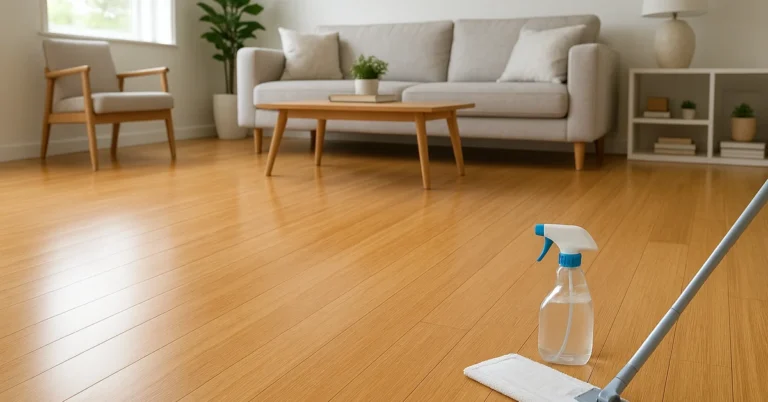
For a deeper clean, use a damp mop. Never use a soaking wet mop. Water is the enemy of wood and bamboo floors.
Use a cleaner specifically made for bamboo or wood floors. Or you can use a very diluted solution of mild soap and water. Always wring out the mop well.
You want it just barely damp.
Spills: Address spills immediately. Wipe them up with a soft, absorbent cloth. Don’t let liquids sit on the floor.
Even a few minutes can cause a mark or discoloration.
Protection: Use felt pads on the legs of all furniture. This is super important. It prevents scratches when chairs or tables are moved.
For heavy items like refrigerators or pianos, consider using floor protectors or dollies if you need to move them.
Mats: Place doormats at all entrances. These catch dirt and moisture from shoes. Use mats in high-traffic areas like kitchens and hallways.
A rug in the entryway is a must.
Sunlight: Direct sunlight can cause fading over time. Use curtains or blinds to protect your floors. This is especially important for darker stained bamboo.
The color can lighten in sunny spots.
Humidity Control: As mentioned before, maintaining a stable humidity level is important. For most homes, this means aiming for a range of 35% to 55% humidity. Use a humidifier in dry winters and a dehumidifier in humid summers if needed.
This helps prevent expansion and contraction issues.
Quick Care Checklist
Daily:
- Sweep or vacuum with soft brush attachment.
Weekly:
- Damp mop with approved cleaner.
- Wipe up any spots.
As Needed:
- Address spills immediately.
- Check furniture pads.
Monthly/Seasonally:
- Check humidity levels.
- Clean entry mats.
When Is Morning Star Bamboo Right for You?
So, is Morning Star bamboo flooring a good choice? It really depends on your lifestyle and what you expect from your floors. They can be a great option if:
You want an eco-friendly look: Bamboo grows fast. It’s a renewable resource. If sustainability is a top concern, bamboo is appealing.
You love the aesthetic: Bamboo has a unique look. It can be very stylish. The grain patterns are different from traditional wood.
It can make a room feel modern or warm, depending on the style.
You’re opting for strand-woven: If you choose a high-quality strand-woven product, you get excellent durability. This is great for homes with kids and pets. It can handle a lot of foot traffic and daily wear.
You understand its limitations: You need to be prepared for maintenance. You must protect it from excessive moisture and sharp objects. If you’re not willing to put in a little care, it might not be the best fit.
Your subfloor and climate are suitable: Installation needs a stable base. And consistent humidity is important. If you live in a very damp or dry climate, you’ll need to manage it carefully.
Morning Star floors could be a good fit if you’re looking for something that stands out. They can offer a beautiful, natural-looking surface. But it’s wise to research specific product lines within the Morning Star brand.
Look at reviews for those specific lines. Understand the warranty terms. And consider the type of bamboo construction (strand-woven vs.
traditional grain).
Morning Star Bamboo: Best For.
The Eco-Conscious Homeowner:
Seeking a rapidly renewable flooring material.
Style Seekers:
Appreciating unique grain patterns and a modern or natural aesthetic.
Families with Pets (Strand-Woven):
Choosing the densest, most durable type of bamboo.
Homeowners Willing to Maintain:
Understanding the need for regular cleaning and protection.
When to Reconsider Morning Star Bamboo
There are times when Morning Star bamboo floors might not be the best choice. It’s important to be realistic. Consider these scenarios:
You have a very wet environment: If your basement is prone to flooding, or you live in a very humid coastal area without good climate control, bamboo might not be the smartest choice. Even with a good finish, water damage can be a problem.
You want zero maintenance: No floor is truly zero maintenance. But some require much less than others. If you want a floor you can essentially ignore, you might want to look at other options like luxury vinyl plank (LVP).
You’re on a very tight budget for installation: While the material cost might seem competitive, the installation can add up. If you need to hire professionals and have a complex layout, the total cost could be higher than you expected. DIY might be an option, but only if you have the skills.
You need extreme scratch resistance without care: Even the hardest strand-woven bamboo can be scratched by sharp objects or grit. If you’re not careful about tracking in dirt or dragging furniture, you will see marks. Some people might find this frustrating.
You’re dealing with extreme temperature fluctuations: Homes that go from very hot and dry to very cold and humid, without any climate control in between, can stress any wood-based flooring. This can cause issues with expansion and contraction.
Morning Star is a brand. Like any brand, they will have different product lines. Some might be better suited for certain situations than others.
If you are looking at a lower-end product from Morning Star, it might not have the same durability as their premium offerings. Always ask about the Janka rating and the wear layer details.
Red Flags for Bamboo Flooring
High Humidity Levels: Areas prone to moisture, like bathrooms or basements with past water issues.
Extreme Climate Swings: Homes with significant, uncontrolled changes in temperature and humidity.
Lack of Furniture Protection: Expecting floors to withstand dragging heavy items without pads.
Minimal Cleaning Routine: Not willing to sweep or damp mop regularly.
Budget Constraints for Installation: Underestimating the cost and complexity of professional installation.

Frequently Asked Questions About Morning Star Bamboo Floors
Is Morning Star bamboo flooring good quality?
The quality of Morning Star bamboo flooring can vary by product line. Many consumers find their strand-woven options to be very durable. It is important to check the specific product details, such as the Janka hardness rating and the type of wear layer, for the best indication of quality.
How long does Morning Star bamboo flooring last?
With proper installation and regular maintenance, Morning Star bamboo floors can last 15 to 25 years, or even longer. Strand-woven bamboo is known for its longevity. However, factors like traffic, moisture exposure, and cleaning habits will affect its lifespan.
Can you refinish Morning Star bamboo floors?
It depends on the type of bamboo flooring. Solid bamboo floors can typically be refinished like hardwood floors. Engineered bamboo floors, especially those with a very thin wear layer or a pre-finished surface, may not be refinishable.
Strand-woven bamboo, due to its density, can be challenging to refinish. Always check the manufacturer’s specifications.
Is Morning Star bamboo flooring waterproof?
No, Morning Star bamboo flooring is not waterproof. Like most wood and wood-based flooring, it can be damaged by standing water. Spills should be cleaned up immediately to prevent moisture from seeping into the material and causing swelling or discoloration.
How does Morning Star bamboo compare to engineered hardwood?
Both offer similar installation methods and can be beautiful. Bamboo, especially strand-woven, can be harder than many engineered hardwoods. However, engineered hardwood might offer more stable performance in fluctuating humidity.
The aesthetic differences are also notable, with bamboo having a more unique grain pattern.
What are the common problems with bamboo floors?
Common issues include scratching from grit or pets, dents from dropped objects, and damage from excessive moisture or humidity. Fading from direct sunlight is also possible. The quality of manufacturing and installation plays a big role in preventing these problems.
Final Thoughts on Morning Star Bamboo
Morning Star bamboo floors can be a striking addition to your home. They offer that sought-after natural beauty and a nod to sustainability. For many, especially with their strand-woven options, they provide a durable surface that can handle family life.
But it’s not a decision to take lightly. Understanding how bamboo is made, how it performs over time, and how to care for it is vital. Be realistic about your home’s conditions and your willingness to maintain the floors.
Do your homework on specific Morning Star products. This will help you make a choice you’ll be happy with for years to come.
},
},
},
},
},
}
]
}