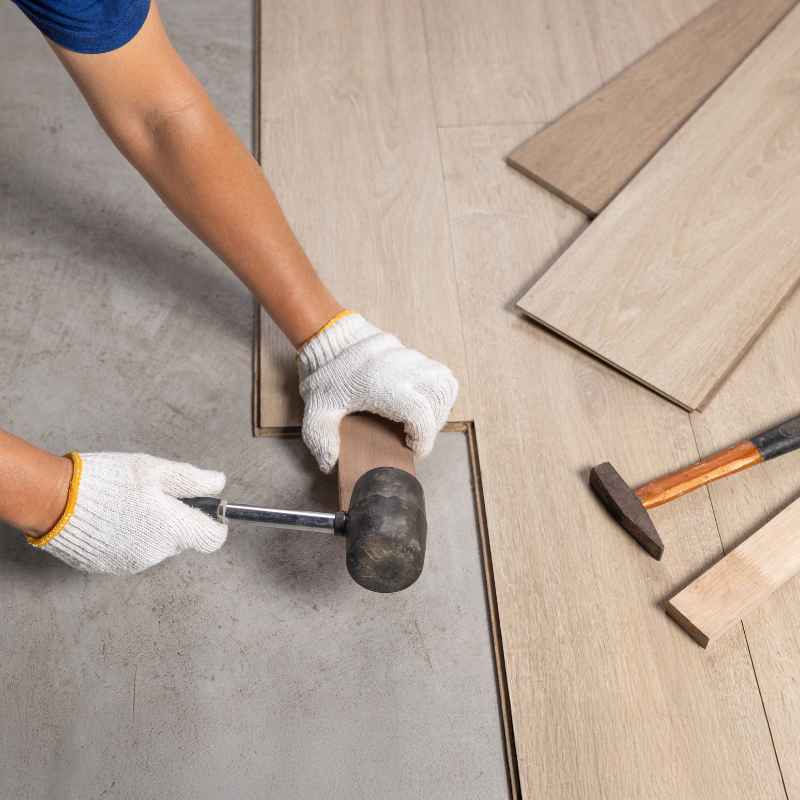
Lowe’S 3/4 Plywood Subfloor: Prices, Types & Buying Tips
Lowe’s offers various 3/4-inch plywood subflooring, including OSB and CDX grades. Prices vary by brand and type. Choosing the right one depends on your project needs, budget, and desired durability.
Always check local building codes for specific requirements.
Understanding 3/4-Inch Plywood Subflooring
Your subfloor is the foundation of your finished floor. It sits right on top of your floor joists. Think of it as a sturdy platform.
It needs to be strong. It needs to be flat. The 3/4-inch thickness is a popular choice.
It offers good stability. It helps prevent your finished floor from feeling bouncy.
Most 3/4-inch plywood subflooring you find at big box stores like Lowe’s is made from multiple thin layers of wood. These layers are glued and pressed together. This makes the wood very strong.
It also helps resist warping. Different types of wood are used. This changes the look and the strength.
Common types include pine and fir.
There are two main kinds of subflooring you’ll see for 3/4-inch thickness. One is often called OSB. The other is usually referred to as CDX plywood.
They look different. They have different strengths. Knowing the difference helps you pick the right one.
It saves you trouble later.
OSB stands for Oriented Strand Board. It’s made from wood strands. These strands are mixed with glue.
Then they are pressed into large mats. The strands are all going in different directions. This gives OSB its strength.
It’s a very uniform material. You won’t find knots or voids like you might in plywood.
CDX plywood is another common type. The ‘C’ and ‘D’ refer to the grade of the wood on the front and back. ‘X’ means it’s rated for exposure.
This means it can handle some moisture. CDX plywood is made from thin veneers of wood. These are glued together in layers.
The grain of each layer runs in a different direction. This makes it strong and stable.
Best For Eliminating Subfloor Squeaks
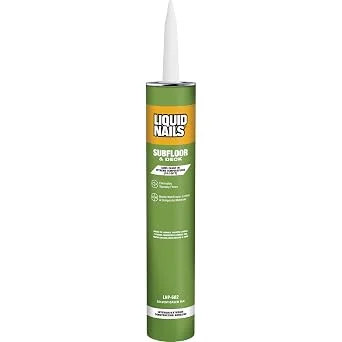 |
Liquid Nails 28oz Subfloor & Deck Construction Adhesive – $9.55 Screws alone can loosen over time and cause squeaks; gluing each sheet to the joists first, as this guide recommends, is what actually keeps a 3/4-inch subfloor silent for the long run.
|
Why Subfloor Thickness Matters
The thickness of your subfloor is important. A thinner subfloor might flex too much. This can cause floor coverings to crack.
It can lead to squeaky floors over time. A 3/4-inch thickness is a good balance. It’s thick enough for most residential flooring projects.
It’s also not so thick that it adds unnecessary height to your floor.
When you choose a 3/4-inch subfloor, you’re setting yourself up for success. It provides a solid surface. This makes installing your new floor easier.
It also helps your new floor last longer. You’re investing in the whole system, not just the top layer. It’s a smart choice for most homeowners.
Consider the type of flooring you plan to install. Some floors, like tile, need a very rigid subfloor. Others, like carpet, are a bit more forgiving.
But even with carpet, a solid subfloor prevents premature wear. It keeps the carpet fibers from being crushed unevenly.
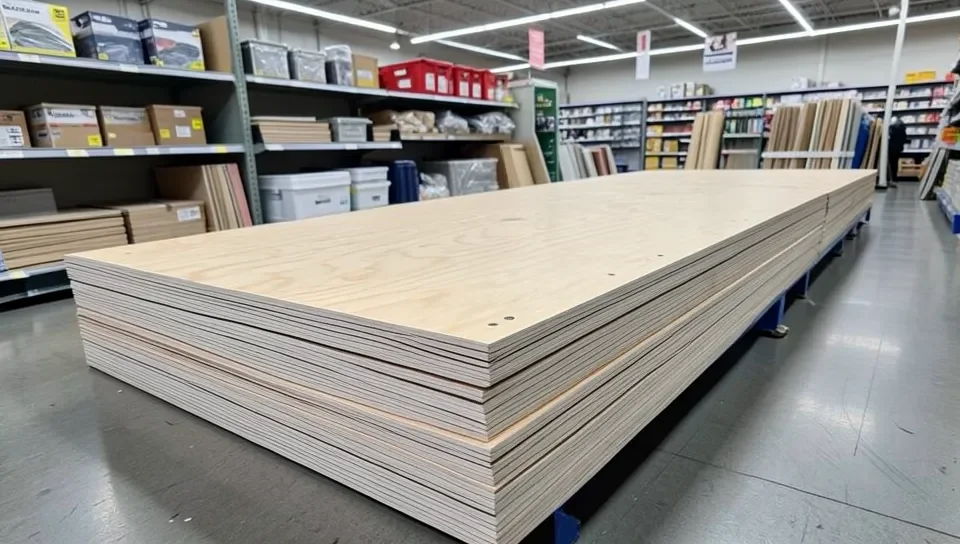
Lowe’s usually stocks several brands of 3/4-inch subflooring. The prices can vary. This is based on the brand name.
It’s also based on the specific grade and type. Don’t be afraid to compare. Look at the labels.
See what they say about strength and moisture resistance.
OSB vs. CDX Plywood for Subflooring
This is where many people get a little confused. Both OSB and CDX plywood can work as subflooring. But they are not the same.
They have different properties. Your choice can impact the final result.
OSB is often a bit cheaper than CDX plywood. This makes it attractive for budget-conscious projects. It’s also very strong.
Because it’s made from strands, it has a consistent structure. You don’t have to worry about big knots in the wood. These knots can sometimes be weak spots in plywood.
However, OSB can be more sensitive to moisture. If it gets really wet, it can swell. It might not go back to its original shape.
This swelling can cause problems with your finished floor. Some newer OSB products have better moisture resistance. Always check the packaging.
CDX plywood is also strong. It’s been a go-to for subflooring for a long time. The ‘X’ rating means it’s made to handle some dampness.
It’s usually more stable when exposed to humidity changes. This can be important in basements or areas prone to dampness. It’s less likely to swell unevenly.
The downside to CDX plywood can be its cost. It might be a bit more expensive than OSB. Also, the quality can vary more.
Some pieces might have more knots or voids. These can affect the strength of the panel. When you’re buying CDX, it’s good to inspect the panels if you can.
I remember a project where we used OSB in a room that had a minor leak. It wasn’t a huge flood, just a slow seep from a pipe. The OSB swelled up quite a bit in one area.
We had to cut out the damaged part and replace it. That taught me a lesson about moisture. For areas where moisture is a concern, CDX might be the safer bet.
Subfloor Quick Comparison
OSB (Oriented Strand Board)
- Pros: Often cheaper, uniform strength, no knots or voids.
- Cons: Can swell with moisture, may not fully recover shape.
- Best For: Dry areas, budget projects, areas where consistent structure is key.
CDX Plywood
- Pros: Good moisture resistance, strong and stable, traditional choice.
- Cons: Can be more expensive, quality can vary (knots/voids).
- Best For: Areas with potential moisture, long-term stability needed, general use.
Prices at Lowe’s: What to Expect
Prices for 3/4-inch plywood subflooring at Lowe’s can change. They depend on many things. The biggest factors are the brand, the type (OSB or CDX), and the specific grade.
For prices on every other 4×8 grade, from 7/16-inch OSB to birch, see our Lowe’s 4×8 plywood price guide.
You’ll also see differences based on the dimensions of the sheets.
A standard 4-foot by 8-foot sheet of 3/4-inch OSB subflooring might start around $20 to $30. Prices can go up from there. Higher-quality OSB or specialty panels will cost more.
For 3/4-inch CDX plywood subflooring, you might see prices starting from $25 to $35 per sheet. Again, this is a starting point. Premium grades or specific wood types can push the price higher.
Sometimes, structural grade plywood will be more expensive but offers guaranteed strength.
It’s always a good idea to check the Lowe’s website or visit your local store. Prices can fluctuate. Sales happen too.
You might find good deals if you buy in bulk. For a whole house, this can save you a good amount of money.
Don’t forget to factor in other costs. You’ll need screws or nails to attach the subfloor. You’ll also need subfloor adhesive.
This adds to the total cost of your project. Make sure to budget for these essentials.
I once saved a few hundred dollars on a big flooring job by timing my purchase. Lowe’s had a holiday sale on their building materials. I waited until then to buy all my plywood.
It was worth the wait. It let me put that extra money towards better flooring upstairs.
Typical Sheet Sizes & Costs (Estimates)
Size: Standard 4′ x 8′ sheet (32 sq ft)
3/4″ OSB Subfloor: $20 – $35 per sheet
3/4″ CDX Plywood Subfloor: $25 – $40 per sheet
Note: Prices vary by brand, grade, and current sales.
What to Look for at Lowe’s: Key Features
When you’re standing in the lumber aisle at Lowe’s, what should you be looking for? Beyond just OSB or CDX, there are some other things that matter.
Grading: For plywood, look at the grading stamps. The ‘X’ in CDX means exposure rated. Some plywood might have stamps like ‘APA Rated Sturd-I-Floor.’ This means it’s specifically designed and tested for subflooring.
It’s built to handle foot traffic and support finished floors.
Moisture Content: While less common to see on the label, sometimes packaging will indicate moisture content. Lower moisture content is generally better. It means the wood is less likely to shrink or swell after installation.
Edge Treatment: Some subflooring panels come with tongue-and-groove edges. This is a great feature for subfloors. The tongue on one panel fits into the groove of another.
This creates a very tight, strong seam. It helps prevent movement and squeaks. It also makes it harder for moisture to seep through the seams.
Panel Thickness Consistency: Try to pick panels that look consistent. If you’re buying plywood, check that the thickness seems even across the whole sheet. Slight variations are normal, but significant ones can be a problem.
Warping: Look at the edges of the panels. Are they straight? A warped panel will be hard to lay flat.
It can create a wavy surface. This will be noticeable in your finished floor. Reject any panels that are significantly bowed or twisted.
Straight Edges: For both OSB and plywood, check the edges. They should be clean and square. This ensures a tight fit when you lay the panels.
A tight fit is crucial for a squeak-free floor.
I learned the hard way about warped panels. I bought a few sheets that looked okay at the store. But once I got them home, I saw they were a bit warped.
Laying them down was a nightmare. They didn’t sit flush with the other panels. We had to shim some areas.
It added a lot of extra work.
Feature Checklist When Shopping
- Panel Type: OSB or CDX Plywood?
- Thickness: Is it 3/4 inch?
- Grade Stamp: Look for ‘X’ for exposure or specific subfloor ratings (e.g., APA Sturd-I-Floor).
- Edge Type: Tongue-and-groove is a plus.
- Visual Inspection: Check for warping, consistent thickness, and clean edges.
Installation Basics for 3/4-Inch Subflooring
While this article focuses on choosing subflooring at Lowe’s, a brief mention of installation helps. Proper installation is key to a good subfloor.
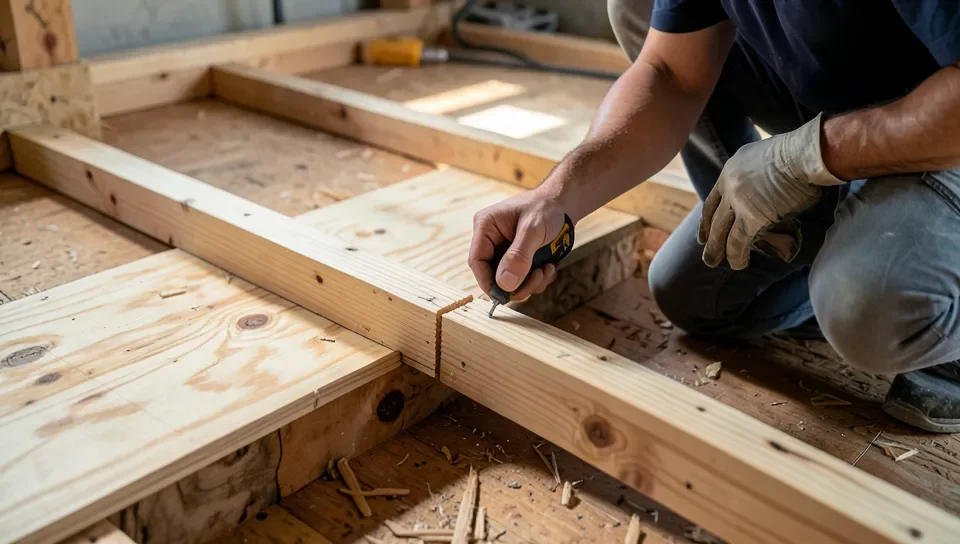
Preparation: Make sure your floor joists are clean and dry. Remove any old flooring or debris. Ensure the joists are level and properly spaced according to building codes.
Layout: Start laying your subfloor panels from one wall. Stagger the seams. This means the seams of one row should not line up with the seams of the next row.
This creates a stronger floor.
Adhesive: Apply a good quality subfloor adhesive to the top of the joists before laying each panel. This helps bond the subfloor to the joists. It dramatically reduces the chance of squeaks.
Fastening: Use the correct fasteners. Screws are generally better than nails for subflooring. They hold tighter.
They are less likely to back out over time. Use screws designed for subflooring. Space them correctly.
This is usually about 6 inches apart in the field of the panel and 4 inches apart along the edges.
Expansion Gaps: Leave a small gap (about 1/8 inch) between panels. This allows for expansion and contraction with changes in humidity. Some panels have this gap built in with their edges.
I’ve seen DIYers skip the adhesive. They just screw the panels down. Within a year or two, squeaks start to appear.
The adhesive is a small extra step that makes a huge difference in the long run. It’s like the glue that holds everything together, literally and figuratively.
Installation Highlight: Fasteners Matter
Recommended: Subfloor screws.
Why: They grip better, resist loosening, and prevent squeaks.
Avoid: Standard drywall screws. They can strip or break under stress.
Common Subfloor Problems and How to Avoid Them
Many issues with subfloors can be traced back to the selection or installation process. Thinking about these problems upfront can save you a lot of headaches.
Squeaky Floors: This is the most common complaint. It usually happens when the subfloor panels rub against the joists or against each other. Using subfloor adhesive and proper screw spacing greatly reduces this.
Staggering seams also helps. Ensure panels are tight against each other.
Soft Spots: This happens when the subfloor isn’t strong enough or isn’t properly supported. Using 3/4-inch thickness on properly spaced joists is key. Make sure the joists themselves are sound.
If you notice a soft spot during installation, investigate the joist below it.
Cupping or Warping: This is often due to moisture. If OSB gets wet, it can swell and cup. If plywood is exposed to high humidity for too long, it can also warp.
Proper ventilation in your home helps. Always seal the subfloor if it will be exposed to the elements for a while.
Unevenness: Gaps between panels, warped panels, or poorly installed joists can all lead to an uneven subfloor. This will be visible in your finished flooring. Take your time during installation.
Check for flatness as you go.
Damage from Moisture: This is a big one. Water damage can ruin a subfloor. If you have a basement or crawl space, ensure it’s properly waterproofed and ventilated.
If a leak occurs, address it immediately. Damaged subflooring may need to be replaced.
I once helped a friend who had a persistent squeak. They had installed their subfloor years before. We went back and carefully removed the finished flooring in that section.
Then we added more screws and a good amount of subfloor adhesive. It fixed the problem, but it was a lot of work because it wasn’t done right the first time.
Problem-Prevention Checklist
- Squeaks: Use adhesive and screws, stagger seams.
- Soft Spots: Use 3/4-inch panels, ensure joist integrity.
- Warping: Control moisture, use appropriate panel type for conditions.
- Unevenness: Lay panels tightly, check for flatness during installation.
- Moisture Damage: Ensure good ventilation and address leaks promptly.
When to Choose Specialized Subflooring
While 3/4-inch OSB and CDX plywood are common choices, Lowe’s might offer other options. These can be better for specific situations.
Moisture-Resistant OSB: Some OSB panels are made with special resins and binders. These offer enhanced protection against moisture. If you’re working in a humid climate or a basement that tends to be damp, these could be a good upgrade from standard OSB.
High-Performance Plywood: You might find plywood with higher strength ratings or better moisture resistance. These are often more expensive. They are designed for demanding applications.
For most homes, standard CDX is sufficient, but these exist.
Underlayment Panels: Sometimes, especially for very thin or sensitive finished flooring like vinyl planks or laminate, you might need an additional layer of underlayment. This isn’t technically subflooring but sits on top of it. Lowe’s sells these too.
They provide a smoother surface and can add cushioning or sound dampening.
Structural Subflooring: Some panels are specifically engineered and tested to be structural subflooring. This means they can often span wider joist spacing or support heavier loads. Look for labels like ‘APA Rated Sturd-I-Floor’ for these.
It’s always worth asking a Lowe’s associate if you’re unsure. They can point you to products designed for your specific needs. For example, if you’re building a new home in Florida where humidity is high, they might steer you towards a more moisture-resistant panel.
I remember a friend building a home gym in their basement. They wanted it to be really solid. They opted for a higher-grade structural subfloor.
It felt incredibly rigid underfoot. That extra peace of mind was worth the added cost for their specific use case.
Specialty Options to Consider
- Moisture-Resistant OSB: For damp environments.
- Engineered Plywood: Higher strength or specific ratings.
- Underlayment Panels: For sensitive finishes or extra comfort.
- Structural Ratings: For demanding applications or wider joist spans.
Building Codes and Your Subfloor Choice
This is an important point that many DIYers overlook. Your local building codes might have specific requirements for subflooring. These codes exist to ensure safety and structural integrity.
In many areas, 3/4-inch plywood or OSB is standard for subflooring. However, some codes might specify the grade of plywood. They might require a certain thickness for particular joist spans.
They might also have rules about fasteners and adhesives.
Before you buy your subflooring at Lowe’s, it’s wise to check with your local building department. You can usually find this information on their website or by calling them. They will tell you what’s allowed and what’s recommended for your area.
Ignoring building codes can lead to problems down the line. If you ever sell your home, an inspection might reveal code violations. This can delay or even stop the sale.
It’s better to be compliant from the start.
For most standard home renovations, 3/4-inch CDX or OSB will meet code. But for new builds or major structural changes, always verify. Lowe’s employees are knowledgeable about general building practices, but they are not building code officials.
I had a client who was renovating an older home. They wanted to change the layout of their kitchen. The building inspector came by and noticed the subfloor wasn’t rated for the new load requirements.
We had to pull up the old stuff and install a thicker, structurally rated panel. It was a costly lesson in verifying codes early.
Building Code Checkpoints
- Verify Joist Spacing: Ensure your subfloor choice is appropriate for your joist span.
- Material Requirements: Are specific grades of plywood or OSB mandated?
- Fastener/Adhesive Rules: Codes may specify types and spacing.
- Permits: For major work, you’ll likely need a permit and inspections.
When Is 3/4-Inch Subflooring Enough?
For the vast majority of residential flooring projects, 3/4-inch thick subflooring is perfectly adequate. This includes standard hardwood, engineered wood, laminate, vinyl plank, and carpet installations.
The key is that the subfloor is installed correctly on sound, properly spaced joists. If your joists are spaced farther apart than is typical (e.g., more than 16 inches on center), you might need a thicker subfloor. Or, you might need to add bracing between the joists.
Also, if you’re installing very heavy finishes, like large format tiles in a high-traffic area, you might want to consider a thicker subfloor or a supplementary underlayment. Tile is unforgiving of subfloor flex. A rigid base is crucial for preventing cracks.
But for typical home use, the 3/4-inch thickness provides that necessary stiffness and support. It prevents the finished floor from feeling “spongy.” It helps distribute weight evenly. It’s a solid, reliable choice when selected and installed properly.
I’ve installed floors over 3/4-inch subflooring in hundreds of homes. In almost all cases, it performed beautifully. The only times we ran into issues were when the joist spacing was too wide, or when moisture became a major factor due to plumbing leaks.
When 3/4-Inch is Your Go-To
- Standard Joist Spacing: (16 inches on center is common).
- Most Finished Floors: Hardwood, laminate, vinyl, carpet.
- Typical Residential Loads: Normal foot traffic and furniture weight.
- Budget-Conscious Projects: Offers good value for money.
What This Means for Your Project at Lowe’s
When you’re at Lowe’s, you’re looking for a solid foundation for your new floors. The 3/4-inch plywood subflooring is a great starting point. It’s a workhorse material that serves many needs.
For most homeowners: A standard sheet of 3/4-inch CDX plywood or a good quality 3/4-inch OSB panel will be your best bet. Consider the potential for moisture. If your area is prone to dampness, lean towards CDX or a moisture-resistant OSB.
For budget-conscious projects: OSB often wins on price. Just be extra careful about moisture protection during and after installation.
For high-performance needs: If you’re installing tile or have very specific structural requirements, look for the higher-rated panels. They’ll cost more but offer peace of mind.
Don’t just grab the cheapest option. Think about the longevity of your floor. Think about the environment where it’s being installed.
A little extra thought now can save you a lot of trouble later.
My advice? Walk the aisles at Lowe’s. Read the labels carefully.
If you’re unsure, ask an associate. But always do your own research too. Understanding the basics of OSB versus CDX will help you make the best choice for your home.
Your Lowe’s Subfloor Strategy
- Identify Your Needs: Moisture levels, type of flooring, budget.
- Compare Types: OSB vs. CDX – understand the pros and cons.
- Read Labels: Look for thickness, grade, and edge types.
- Inspect Panels: Check for warping and damage before buying.
- Budget Accordingly: Include adhesive, screws, and potential underlayment.
Frequently Asked Questions About Lowe’s 3/4 Plywood Subfloor
What is the best type of 3/4-inch subfloor from Lowe’s for a basement?
For basements, moisture resistance is key. 3/4-inch CDX plywood is often recommended due to its better performance in humid or damp conditions compared to standard OSB. If you choose OSB, look for specific moisture-resistant formulations.
Always ensure your basement has proper ventilation and moisture control measures in place.
How many sheets of 3/4-inch plywood subfloor do I need for a 10×12 room?
A standard sheet of plywood or OSB is 4 feet by 8 feet, which covers 32 square feet. For a 10×12 room (120 sq ft), you would need 120 sq ft / 32 sq ft per sheet = 3.75 sheets. It’s always wise to buy at least one extra sheet to account for cuts, mistakes, or damaged panels.
So, you would likely need 5 sheets.
Can I use 3/4-inch OSB if my joists are 24 inches on center?
Typically, 3/4-inch subflooring is recommended for joists spaced 16 inches on center. If your joists are 24 inches on center, you may need a thicker subfloor (like 1-inch or 1 1/8-inch plywood) or additional bracing between the joists to prevent sagging and provide adequate support. Check local building codes for specific requirements on joist spacing and subfloor thickness.
What’s the difference between CDX and T&G 3/4-inch plywood subfloor at Lowe’s?
CDX refers to the grade of the wood veneers used in its construction (C grade on one side, D grade on the other, with ‘X’ for exposure rating). T&G stands for Tongue and Groove. T&G is a feature of the edge profile of the panel.
Many T&G subfloor panels will also be CDX rated. The tongue-and-groove edges create a strong, interlocking seam that helps prevent movement and squeaks, and can offer better protection against moisture getting between panels.
Is 3/4-inch plywood subfloor strong enough for heavy cabinets?
Yes, 3/4-inch plywood subfloor installed correctly on sound joists is generally strong enough to support heavy cabinets. For extremely heavy loads, like built-in shelving units or commercial kitchens, you might consider a higher-rated structural subfloor or ensuring additional support directly beneath the cabinet locations. Always check the load-bearing capacity if you have concerns.
How do I calculate the cost of subflooring from Lowe’s for my project?
First, measure the square footage of your room. Then, divide that by 32 (the square footage of a standard 4×8 sheet). Round up to the nearest whole number to get the number of sheets needed, and add one extra for cuts and waste.
Multiply the number of sheets by the price per sheet of the subfloor type you choose at Lowe’s. Don’t forget to add the cost of subfloor adhesive and screws.
Final Thoughts on Your Subfloor Journey
Choosing the right 3/4-inch subflooring at Lowe’s is a crucial step. It’s the unsung hero of your finished floor. By understanding the differences between OSB and CDX, considering your home’s environment, and paying attention to details like moisture resistance and edge treatment, you’re setting yourself up for a successful project.
A solid subfloor means a lasting, beautiful floor above it. Take your time, make an informed choice, and build that strong foundation.
Sponsored / affiliate links. As an Amazon Associate I earn from qualifying purchases. I may earn additional commission from eligible campaigns.