Minwax Wood Finish vs Minwax PolyShades: What Is the Difference?
Minwax Wood Finish is a traditional stain for setting color before a separate clear topcoat; Minwax PolyShades combines stain and polyurethane in one step, so use Wood Finish when you need tighter control over color depth, and PolyShades when you want color plus protection in fewer stages. Picking the wrong one can leave blotchy color, weak protection, or a refinishing job that is harder than it needs to be. This guide explains how each product works on raw wood and on older finishes, plus where each one fits in your project workflow.
| Decision factor | Minwax Wood Finish | Minwax PolyShades | Winner |
|---|---|---|---|
| Wood type | Best on unfinished wood where you want stain control before topcoating. | Works on raw wood and can also go over some existing finishes. | Minwax Wood Finish for raw-wood color control |
| Existing finish | Meant for unfinished surfaces, so it is the clearer choice for bare wood. | Can go over polyurethane finishes when the surface is properly prepared. | Minwax PolyShades for refinishing over finish |
| Grain visibility | Lets the natural grain read clearly. | Semi-transparent and still lets grain show through, but with more surface film. | Minwax Wood Finish |
| Protection needs | Needs a separate clear topcoat if you want durable protection. | Builds color and polyurethane protection in one product. | Minwax PolyShades |
| Coat count | Stain application first, then whatever topcoat system you choose. | Recommended 2 coats. | Minwax PolyShades for fewer steps |
| Dry time | Dries in 2 hours. | Dry time is 6 to 8 hours. | Minwax Wood Finish |
| Recoat timing | Depends on the topcoat you choose. | Recoat time is 6 hours. | Minwax PolyShades for defined recoat timing |
| Sheen options | No built-in sheen; sheen comes from the separate topcoat. | Available in gloss and satin. | Minwax PolyShades |
| Repairability | Easier to spot-repair before the final clear coat is applied. | Harder to repair and refinish cleanly because stain and finish are combined. | Minwax Wood Finish |
| Best-fit project examples | Furniture, cabinets, doors, trim, molding, and hardwood floors. | Refinishing jobs where you want color and protection in one workflow. | Tie |
Minwax Wood Finish vs PolyShades: the core trade-off
Minwax Wood Finish gives you color control first, then asks you to add protection separately. Minwax PolyShades compresses stain and polyurethane into one step, which saves a workflow stage but changes grain clarity, repairability, and future refinishing. That difference matters more than the color chart.
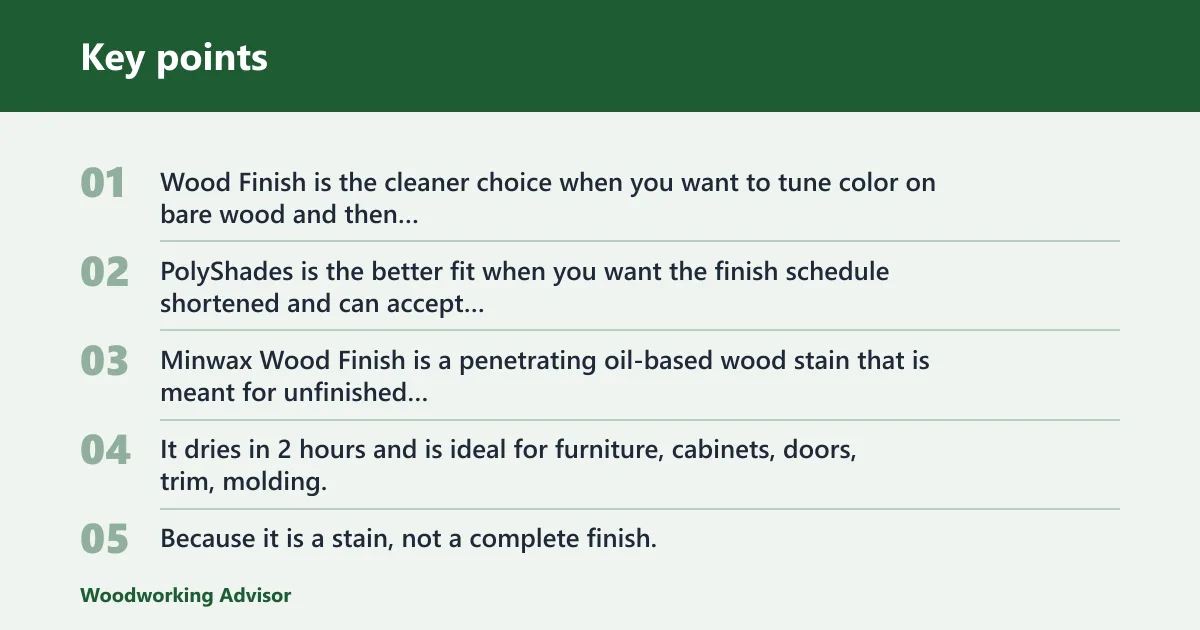
Wood Finish is the cleaner choice when you want to tune color on bare wood and then choose a separate clear topcoat for the level of protection you need. PolyShades is the better fit when you want the finish schedule shortened and can accept a film finish that is harder to patch later.
Wood Finish as a color-first product
Minwax Wood Finish is a penetrating oil-based wood stain that is meant for unfinished wood. It dries in 2 hours and is ideal for furniture, cabinets, doors, trim, molding, and hardwood floors. Because it is a stain, not a complete finish, you still need a separate clear topcoat if protection is part of the job.
That separation is useful. It lets you choose the color first, then choose gloss level, abrasion resistance, and repair strategy with the topcoat. If the project may need future touch-ups, that split workflow is often easier to live with.
PolyShades as a combined color-and-protection product
Minwax PolyShades combines stain and polyurethane in one step. It is semi-transparent, available in gloss and satin, and designed to provide color and lasting protection without a separate topcoat stage. Its coverage is 120 to 150 square feet per quart.
That convenience has tradeoffs. The product builds a surface film as it colors the wood, so repairs and later refinishing are less forgiving than a separate stain-plus-topcoat system. Use it when fewer steps matter more than maximum control.
📊 PolyShades coverage is 120 to 150 square feet per quart. Source: Minwax.
Comparison table: Wood Finish and polyShades
Use the table above as a workflow map, not a color promise. The same stain family can look different on oak, maple, and pine, and the final color still depends on surface prep, sanding, and the wood’s grain pattern.
Say your project is a pine dresser with open drawers and a few dents. Wood Finish gives you more room to adjust the color before you commit to a topcoat. PolyShades can still work, but its heavier film and combined schedule make mistakes harder to fix cleanly.
What the table means for raw wood versus refinishing
For raw wood, Wood Finish is the straightforward route if you want to stain first and topcoat later. For refinishing a piece that already has a polyurethane surface, PolyShades can be the more direct option because it is made to go over polyurethane finishes after proper prep.
That does not make PolyShades the automatic choice for every old piece. If you expect to sand through damaged spots, change the color dramatically, or strip again later, a separate stain and topcoat system usually leaves you with more control.
Where each product fits best
Wood Finish fits projects where color matching matters and you want the finish schedule open-ended. PolyShades fits projects where you want one product to add color and a clear protective layer at the same time. If color control matters most, Wood Finish fits better. If you want fewer application steps, PolyShades does.
How the two products behave on wood
Both products color wood, but they do not behave the same way once the stain hits the surface. Wood Finish penetrates the wood and keeps the grain clearer. PolyShades still lets grain show through, but the polyurethane component adds a more noticeable film on top.
That difference shows up most clearly on oak, maple, and pine. Oak usually takes stain with strong grain definition. Maple is denser and can read more even, while pine often stains unevenly if the prep is rushed or the surface is not conditioned.
Wood grain visibility on oak, maple, and pine
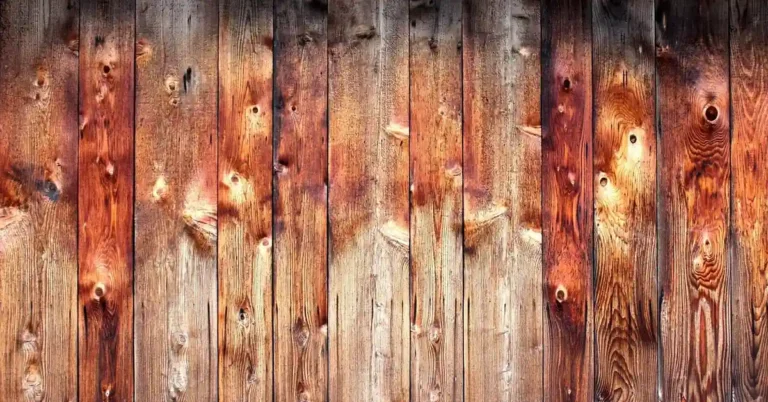
On oak, both products can reveal grain, but Wood Finish usually keeps the texture more open and readable. On maple, the grain can look subtler, so the heavier surface build from PolyShades may be more noticeable than the stain color itself. On pine, the risk is blotching, which makes sanding and conditioning more important.
Suppose you are finishing a pine bookcase with wide, flat shelves. Sand to #220, remove all sanding dust, and use a pre-stain conditioner on the raw wood if needed. That prep gives either product a better base, but it matters more when the species tends to absorb color unevenly.
Color depth and surface film differences
Wood Finish changes the color of the wood, then waits for your topcoat to define the final surface sheen and protection. PolyShades changes the color and the surface build together, so the look is deeper and more finished as soon as the product cures.
That is why the same named color can appear different from one product to the other. Color and sheen are separate variables. A gloss PolyShades finish can look very different from a satin one even before you compare the stain tone itself.
Can you use PolyShades over an existing finish?
Yes, PolyShades can be used over polyurethane finishes, but surface prep still matters. Clean the old finish, sand it enough for the coating to grab, and test a hidden area before you commit to the full piece. Compatibility depends on adhesion as much as color.
That caution matters because a coated surface is not the same as bare wood. If the old finish is glossy, damaged, or contaminated with wax or silicone, PolyShades may not lay down evenly. A hidden test spot is the safest way to confirm adhesion and color.
When PolyShades can work over old polyurethane
PolyShades is useful when the existing surface is already sound and you want to change the color without stripping back to raw wood. Its directions call for a very thin coat and a maintained wet edge, which helps the product flow evenly over a prepared surface.
The listed PolyShades color range includes Honey Pine, Olde Maple, Classic Oak, Antique Walnut, Vintage Blue, Slate, American Chestnut, Pecan, Honey, Mission Oak, Espresso, Bombay Mahogany, Aged Barrel, and Classic Black. Even with that range, the final look still depends on what is underneath.
Why sanding and cleaning matter before application
For raw wood, sanding to #220 and removing dust are standard prep steps. On an existing finish, the same logic applies: the surface has to be clean, scuffed, and free of residue so the new coat can bond. A pre-stain conditioner can help on raw wood when the species tends to blotch.
A common first-timer mistake is assuming that a one-step product removes the need for prep. It does not. If you skip cleaning or leave the surface too slick, the new finish may look uneven or fail to hold up as expected.
When a separate stain and topcoat is the safer path
If the piece will need future spot repairs, a separate stain plus topcoat is usually the safer path. That system lets you sand and blend the color first, then rebuild the clear finish later. It is slower, but it is easier to manage over time.
Use that route when the project is valuable, high-wear, or likely to be refinished again. PolyShades makes more sense when you want to avoid that extra workflow and can accept a more permanent-looking surface layer.
How do dry time and coats compare?
Minwax Wood Finish dries in 2 hours, but the topcoat schedule depends on the clear finish you choose afterward. Minwax PolyShades has a dry time of 6 to 8 hours, a recoat time of 6 hours, and a typical recommendation of 2 coats. It is not always the faster finished project. (Minwax) (Minwax)
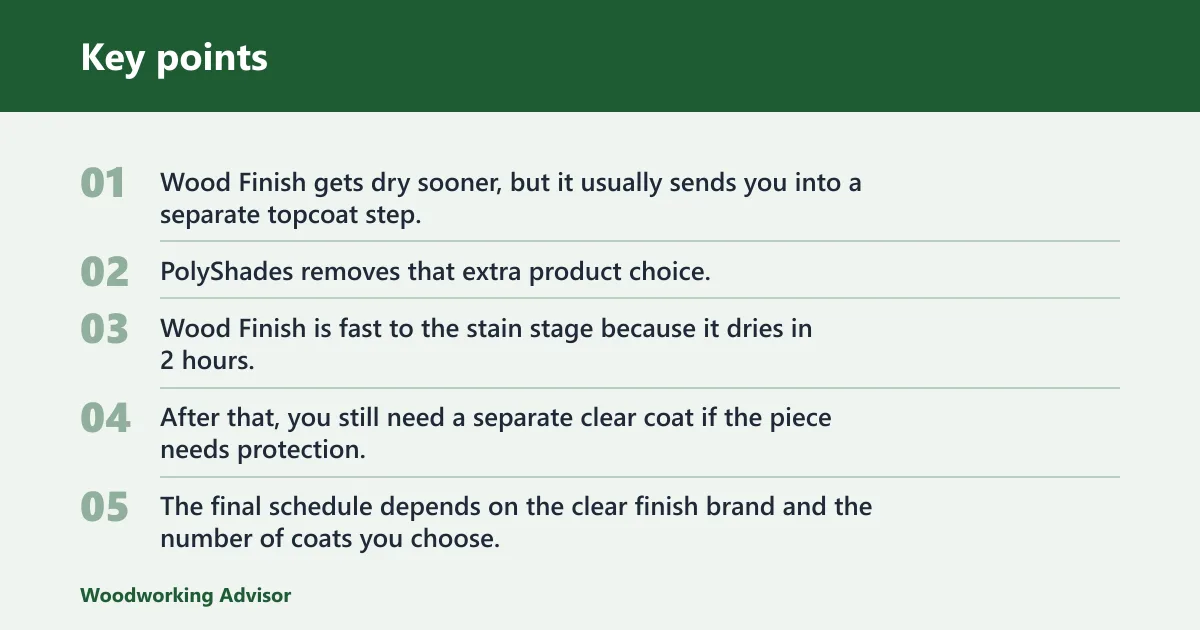
The time tradeoff is simple. Wood Finish gets dry sooner, but it usually sends you into a separate topcoat step. PolyShades removes that extra product choice, yet its longer dry and recoat windows can stretch the calendar.
Wood Finish dry time and topcoat scheduling
Wood Finish is fast to the stain stage because it dries in 2 hours. After that, you still need a separate clear coat if the piece needs protection. The final schedule depends on the clear finish brand and the number of coats you choose.
That means Wood Finish can be efficient for projects that already have a topcoat plan. It is especially practical when you want to wait on sheen decisions until the color is set.
PolyShades dry time, recoat timing, and two-coat guidance
PolyShades dry time is 6 to 8 hours, and the recoat time is 6 hours. Minwax recommends 2 coats, which helps build both color and protection within the same system. That schedule is simpler on paper, but each coat still needs real drying time.
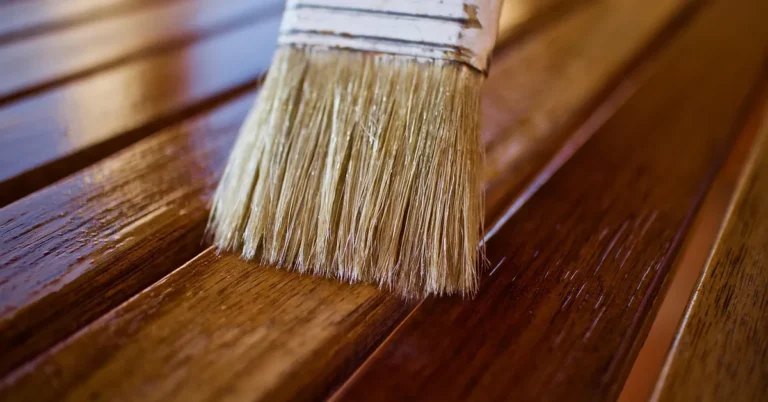
Use a natural bristle brush, cloth application, or a foam applicator, and keep a wet edge while you work. If the surface needs smoothing between coats, use fine steel wool grade 000 or finer after the coating has dried enough for that step.
Coverage and sheen options for PolyShades
PolyShades covers 120 to 150 square feet per quart. It is available in gloss and satin, so you can choose the sheen without adding a separate topcoat product. That is convenient, but it also means sheen and protection are locked into the same layer.
If you want a different sheen later, the combined film makes that change more work. Separate stain and topcoat systems are easier to adjust in stages.
Choose Minwax wood finish if…
Choose Minwax Wood Finish if you are working with raw wood and want the cleanest color-control workflow. Choose Minwax PolyShades if you want color plus protection in one product, or if you are coating over an existing polyurethane finish and have confirmed adhesion on a hidden spot.
Choose Minwax Wood Finish if…: you want
- You want to stain unfinished wood first and choose protection later.
- You want clearer grain visibility on oak, maple, or pine.
- You expect future repairs or a later refinish.
- You are finishing furniture, cabinets, doors, trim, molding, or hardwood floors and want a separate topcoat plan.
Choose Minwax PolyShades if…
- You want a combined color-and-protection workflow.
- You are refinishing over a sound polyurethane surface after proper prep.
- You want gloss or satin in the same product.
- You can accept harder spot repairs and a more difficult future strip job.

Frequently asked questions
What is the difference between minwax wood Finish and minwax PolyShades?
Minwax Wood Finish is a penetrating oil-based wood stain that sets color on raw wood before a separate clear topcoat. Minwax PolyShades combines stain and polyurethane in one step, so it colors and protects at the same time. The first gives more workflow control; the second gives fewer steps.
Does PolyShades change the color more than Wood Finish?
PolyShades changes both color and surface appearance because it includes polyurethane. Wood Finish changes color first and leaves sheen to the topcoat you add later. The final look can be more dramatic with PolyShades, but the exact result still depends on species and prep.
Which one dries faster, Wood Finish or PolyShades?
Wood Finish dries in 2 hours, while PolyShades has a dry time of 6 to 8 hours and a recoat time of 6 hours. On a stain-only stage, Wood Finish is faster. On the full project, the answer depends on whether you count the separate topcoat step.
Do I need a topcoat after Minwax Wood Finish?
Yes. Wood Finish is a stain, not a complete protective finish, so it usually needs a separate clear topcoat. That extra layer is what provides the final protection and sheen, and it also lets you choose the surface look after the color is set.
How many coats does PolyShades need?
Minwax recommends 2 coats of PolyShades. That typical schedule helps build both color and protection within the same product. Apply a very thin coat, keep a wet edge, and allow the listed dry and recoat times before adding the next coat.
Sponsored / affiliate links. As an Amazon Associate I earn from qualifying purchases. I may earn additional commission from eligible campaigns.