What Color Is Espresso Finish? Minwax 273 vs Varathane Compared
Espresso finish is a very dark brown, close to black but with warm brown showing through, named after the coffee. The catch is that “espresso” is a brand color name, not a standard. The same word covers oil stains, gel finishes and stain-plus-polyurethane products, and the result changes with the wood underneath. This guide explains what the color really looks like, compares the espresso stains sold by Minwax and Varathane, and works out how much you need for real projects.
What Color Is Espresso Finish? The Short Answer
Best Espresso Stain Pick |
|
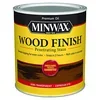 |
Minwax Wood Finish Oil-Based Stain, Espresso 273, 1 Quart A semi-transparent, oil-based penetrating stain in the very dark brown that most people mean by “espresso.”
|
As an Amazon Associate we earn from qualifying purchases.
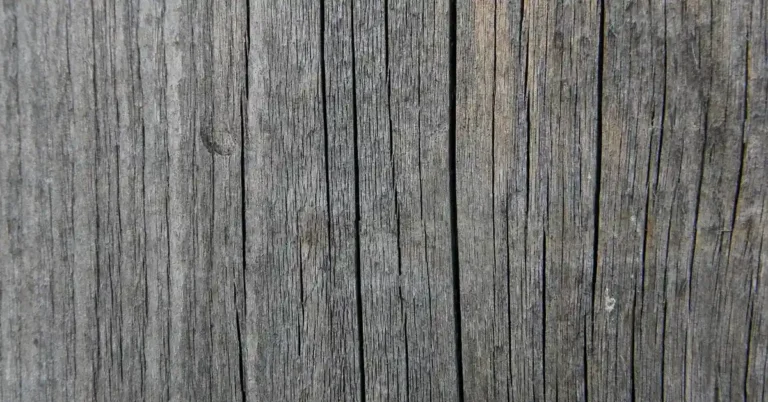
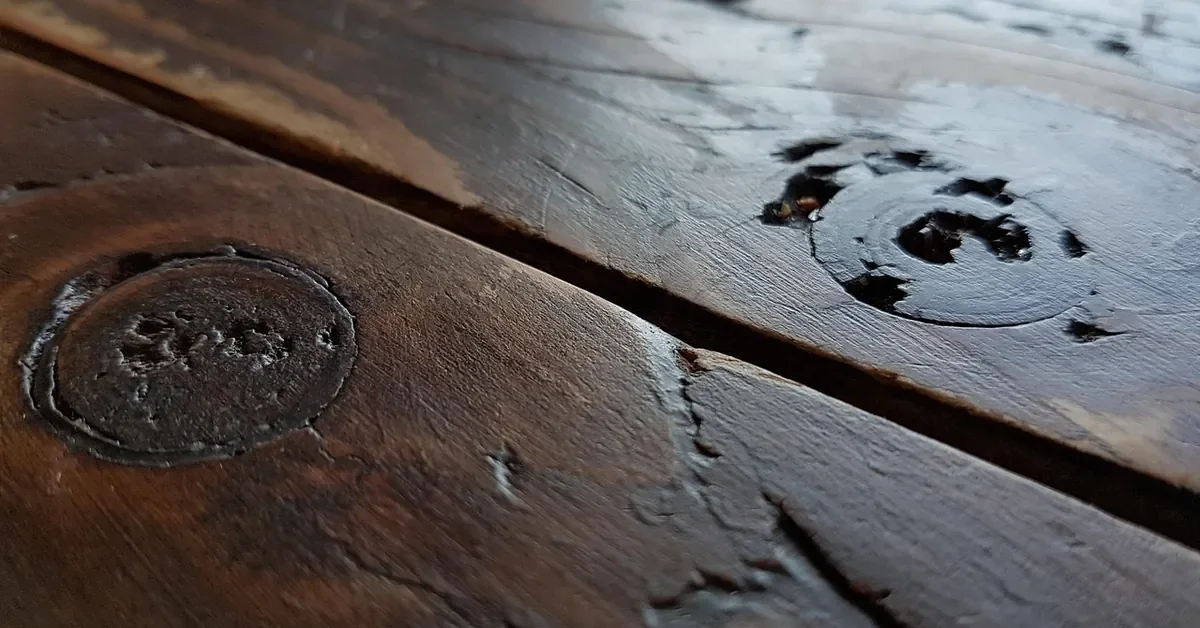
Espresso is a deep, dark brown with a slight coffee-bean warmth. It is darker than walnut and lighter than true black, and on most wood you can still see grain through it. The one important detail is on the can: Minwax labels its Espresso 273 as semi-transparent, which means the stain tints the wood instead of hiding it. That is why the same can looks different on pine and on oak.
Espresso Is a Brand Name, Not a Standard Color
Most articles describe espresso as if it were one fixed color. It is not. We could not find an industry standard that defines it, so each manufacturer mixes its own dark brown and calls it espresso. A quick look at one retailer shows how many products carry the name:
- Minwax Wood Finish, Espresso 273: an oil-based penetrating stain, labeled semi-transparent by Minwax.
- Minwax PolyShades, Espresso: a stain and polyurethane in one product, sold in gloss and satin.
- Varathane Espresso: sold in more than one Varathane line, including an oil-based Premium stain and a Premium Fast Dry stain.
So when a designer or a listing says “espresso finish,” it can mean a stain you wipe on, a tinted clear coat you brush on, or a factory finish on furniture. Treat the name as a target range and compare sample chips or a test board before you buy a gallon. If you are torn between espresso and a browner dark stain, our dark walnut vs espresso stain comparison puts the two side by side.
Espresso Stain Products Compared: Dry Time and Coverage
Because the color depends on the product, the practical differences are dry time and coverage. The Minwax figures below come from the manufacturer product page. The Varathane figures come from retailer listings and vary by line, so confirm them on the can before you plan a job.
| Product | Type | Dry time | Coverage per quart |
|---|---|---|---|
| Minwax Wood Finish, Espresso 273 | Oil-based penetrating stain, semi-transparent | 2 to 3 hours (Minwax) | 125 to 150 sq ft (Minwax: 500 to 600 sq ft per gallon) |
| Varathane Premium Fast Dry, Espresso | Fast-dry oil-based stain | About 1 hour to touch, 2 hours (retailer listings) | About 225 to 275 sq ft (retailer listings) |
| Varathane Premium, Espresso | Oil-based interior stain | 1 to 2 hours (retailer listings) | Up to about 150 sq ft (retailer listings) |
The takeaway is that a fast-dry line can stretch a quart nearly twice as far on paper, which matters for a large project. On a small piece the quart size and the finish you prefer matter more than the coverage spread.
Why the Same Espresso Looks Different on Different Wood
Minwax states that wood species will impact final color and advises testing the stain on a hidden area. Three things change the result more than the name on the can:
- Wipe time: Minwax says the longer you wait before wiping off the excess, the darker and richer the color. Waiting longer within the range on the can gives the deepest espresso.
- Wood species: a semi-transparent stain lets the wood show through, so a reddish or open-grained wood gives a different dark brown from a pale, tight-grained one.
- Blotching on soft woods: Minwax recommends its Pre-Stain Wood Conditioner, especially on soft woods, for even color. Skipping it is a common way an espresso finish turns patchy.

If you want espresso on a wood that blotches and you do not want to condition it, a gel stain sits more on the surface and is less prone to patchiness, as we cover in our gel stain vs oil stain guide. If you want to browse other dark tones from the same brand, the Varathane color chart shows the lineup.
How Much Espresso Stain Do You Need?
Because Minwax rates a quart at 125 to 150 square feet, you can turn the cost of the stain into pennies per square foot. At the $12.75 Amazon price we saw on September 30, 2026, that is about $0.085 to $0.102 per square foot for one coat. Here is the same math for four common projects.
| Project | Area (one coat, one side) | Stain needed | Stain cost at $12.75 per quart |
|---|---|---|---|
| Coffee table top, 24 by 48 in | 8 sq ft | 0.05 to 0.06 quart | $0.68 to $0.82 |
| Dining tabletop, 36 by 72 in | 18 sq ft | 0.12 to 0.14 quart | $1.53 to $1.84 |
| Bookcase, all visible surfaces (estimate) | 45 sq ft | 0.30 to 0.36 quart | $3.83 to $4.59 |
| Kitchen cabinet set, doors and frames (estimate) | 100 sq ft | 0.67 to 0.80 quart | $8.50 to $10.20 |
The bookcase and cabinet areas are our rough estimates, not measurements, and coverage drops on rough or thirsty wood. Even so, the stain is the cheap part of an espresso finish. For most single pieces the conditioner, the topcoat and your time cost more than the color.
How to Get an Espresso Finish on Wood
- Prep the surface. Sand smooth, remove all dust and, on soft woods, apply a pre-stain conditioner first.
- Stir, do not shake. Minwax says to stir the stain well before and occasionally during use and not to shake or thin it.
- Apply and wipe. Brush or rag on the stain, then wipe off the excess. Wipe sooner for a lighter brown and later for a deeper espresso.
- Let it dry fully. Minwax lists 2 to 3 hours for this stain. Cooler, more humid rooms can need longer, so check the can before topcoating.
- Seal it. Stain alone is not a durable finish, so top it with a clear coat suited to the piece.
Always test the whole sequence on a scrap board of the same wood first. Dark stains are hard to lighten once they are on, and our guide on making dark stained wood lighter shows how much work that is.
Espresso vs Black Finishes
Espresso is often confused with ebony or black. A black finish hides more of the wood, while a semi-transparent espresso keeps some grain visible. If you actually want a jet-black look, see what ebonized wood is and how that finish is made.
Frequently Asked Questions About Espresso Finish
What color is espresso finish?
Espresso finish is a very dark brown that leans toward black but keeps warm brown undertones. Because it is a brand color name rather than a standard, the exact shade varies by product and by the wood it is applied to.
Is espresso finish black?
No. Minwax labels its Espresso 273 as a semi-transparent stain, so the wood grain still shows through. It can read as nearly black on some woods and as dark chocolate brown on others.
Do I need a conditioner before applying espresso stain?
It is worth it on soft woods. Minwax recommends its Pre-Stain Wood Conditioner, especially on soft woods, for even color, since dark stain makes blotches more obvious.
How long does espresso stain take to dry?
Minwax lists a 2 to 3 hour dry time for its Wood Finish stain. Varathane lists a faster dry time for its Fast Dry line, but check the can, because humidity and temperature change it.
Bottom Line
Espresso is a dark, warm, near-black brown, but the name means different things from brand to brand. Pick a product, test it on scrap of your actual wood, control the wipe time and condition soft woods first. Do that and a single quart is enough for a tabletop, a shelf or a full set of doors.
Sponsored / affiliate links. As an Amazon Associate I earn from qualifying purchases. I may earn additional commission from eligible campaigns.