Ready Seal vs Penofin: Which Is Better for a Wood Fence?
For many wood fences, Ready Seal may be the better choice because it is often easier to apply on vertical boards and may need less upkeep; Penofin can be a better fit if a premium oil finish and more maintenance are acceptable. A poor finish choice can mean lap marks, faster graying, and more scraping or recoating. This guide compares both products for fence realities: sun exposure, rough-sawn lumber, application on vertical surfaces, and long-term maintenance.
Ready Seal vs Penofin at a glance
| Decision factor | Ready Seal | Penofin | Winner |
|---|---|---|---|
| Vertical fence application | More forgiving on boards that run up and down; often chosen for spray-and-back-brush application. | Can work well, but usually rewards tighter control and more careful application on absorbent spots. | Ready Seal |
| UV-focused performance | Protection depends on color and pigment level, so lighter versions need more attentive upkeep in harsh sun. | Built around exterior UV protection, especially in variants aimed at cedar, redwood, and hardwood. | Penofin |
| Maintenance burden | Often the easier choice for simple spot touch-ups and a lighter maintenance routine. | Can hold up well, but usually makes more sense when you accept a more regular recoat plan. | Ready Seal |
| Rough-sawn fence boards | Penetrates well, but uneven absorption can still create dark and light zones on rough stock. | Also penetrates well, with strong results when the wood is clean, dry, and not overloaded. | Tie |
| Natural wood look | Usually reads as a simple penetrating finish with less visual build. | Also keeps grain visible, with color options that may read a bit deeper on some woods. | Tie |
Vertical boards change the job
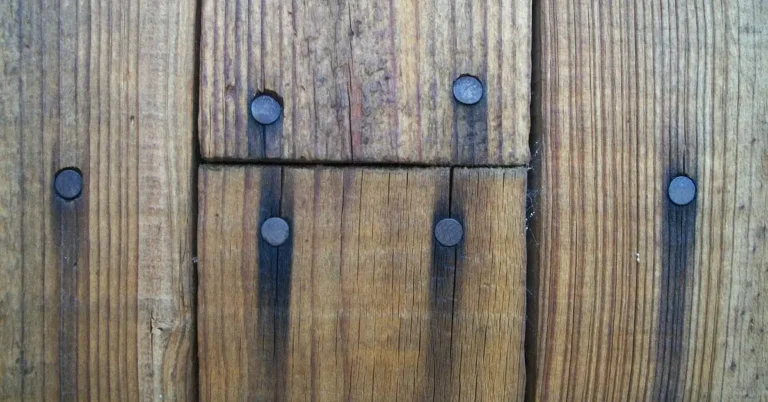
Both products are exterior oil-based penetrating finishes, so they soak into wood fibers instead of building a thick film. On a fence, that matters more than it does on a horizontal surface because gravity works against you. Runoff, end grain absorption, and fastener holes can all create uneven color if you load the board too heavily.
The main tradeoff
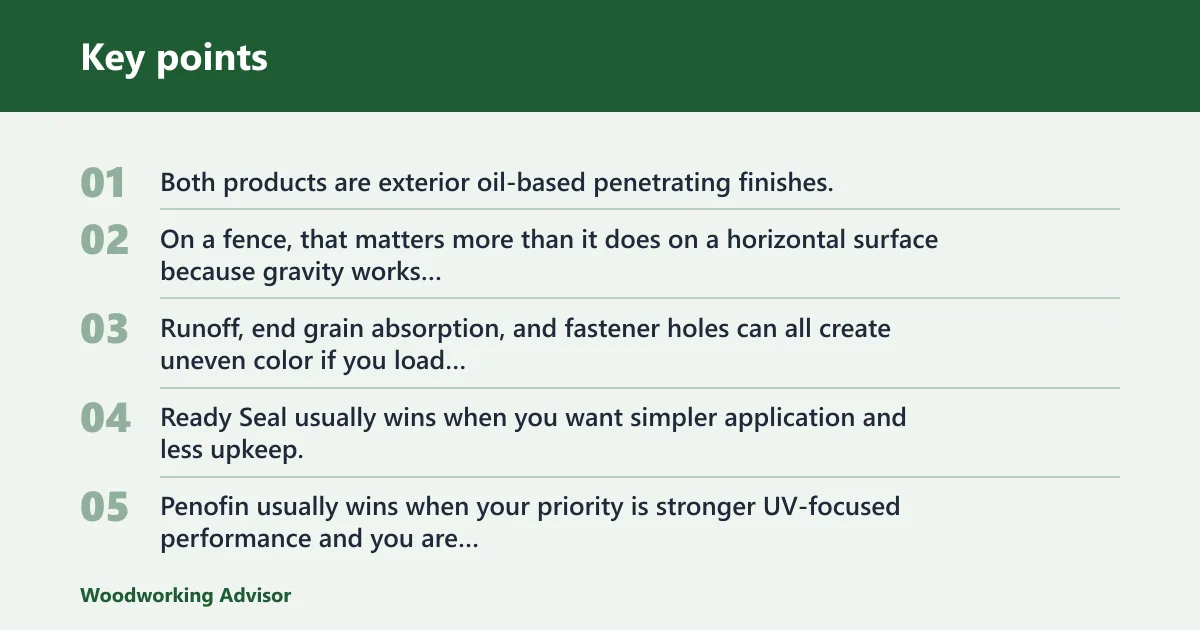
Ready Seal usually wins when you want simpler application and less upkeep. Penofin usually wins when your priority is stronger UV-focused performance and you are willing to follow a more deliberate maintenance cycle. That tradeoff matters most on fences exposed to strong sun, where pigment level and recoat timing affect how fast the boards fade and gray.
Where a fence changes the comparison
Fence boards are often cedar, pine, spruce, or pressure-treated lumber, and each one absorbs finish differently. Rough-sawn boards often take more product than smooth boards, and pressure-treated wood can hold moisture longer than it appears to be dry. If the fence is dirty, chalky, or too wet, neither product will perform well enough to justify rushing the job.
Fence decision table
| Use case | Recommendation | Why it wins | Key tradeoff |
|---|---|---|---|
| New cedar fence | Penofin | Cedar often benefits from a finish line aimed at exterior UV protection, and Penofin’s cedar-friendly variants fit that job well. | More attention to maintenance and recoat timing. |
| Pressure-treated pine fence | Ready Seal | It is usually the simpler choice for a first coat on a fence that may still have moisture variation and uneven absorption. | UV performance depends heavily on color choice and upkeep. |
| Highly sun-exposed fence | Penofin | When sun is the main enemy, the product line’s UV-focused positioning gives it the edge. | Expect a more active recoat schedule. |
| Fast DIY weekend project | Ready Seal | Sprayer, roller, or brush application is straightforward, and the finish is usually less demanding about exact film control. | Still needs careful coverage control to avoid blotching. |
| Lowest-maintenance preference | Ready Seal | It is the better fit when you want easier spot repair and less maintenance burden after the first season. | May not match Penofin in UV-focused durability on harsh sites. |
Which looks more natural on a fence?
Both products can look natural because both are penetrating stains, not thick film-formers. The more natural look usually comes from lighter pigment, even absorption, and not overloading the board. On cedar, both can keep grain visible; on pine, both can look blotchy if the surface is uneven or if end grain drinks more finish than the face.
Transparency and grain visibility
Penetrating finishes keep wood texture visible because they soak into fibers instead of building a shell on top. That is why they often look better than high-build coatings on fence boards with knots, saw marks, and open grain. If you want the wood to still look like wood, that part of the decision is a tie.
Cedar versus pine color behavior
Cedar usually reads more evenly than pine because its grain structure is more consistent. Pine often shows more contrast between earlywood and latewood, so the same stain can look darker in some bands and lighter in others. If the fence is pine, a careful test board is worth the time before you coat a whole run.
Rough-sawn boards and uneven absorption
Rough-sawn fence boards absorb more finish because the surface has more open fiber. That can deepen the look, but it also raises the chance of lap marks and blotching if you flood one board and undercoat the next. A common first-timer mistake is to keep spraying until the wood looks wet-glossy; on a vertical fence, that extra product can run and dry unevenly.
Which lasts longer on a sunny fence?
Penofin may have an edge on a fence that gets strong sun because it is designed with exterior UV protection in mind. The real difference is not a magic number of years; it is how pigment level and recoat timing slow fading and gray-out. Ready Seal can still perform well, but a lighter color or delayed maintenance usually means faster weathering.
UV protection and pigment level
Sun breaks down wood finish and turns exposed wood gray. More pigment usually means more UV protection, though it can also change the color you see on day one. On a fence, that matters because vertical boards get a full day of sun, rain, and drying cycles, which accelerates wear on the exposed face and edges.
How exposure affects fading and gray-out
A south-facing or west-facing run usually loses color faster than a shaded side yard. Wind can make it worse by drying the surface after rain and leaving more UV damage behind. If you want a finish to stay presentable longer, the fence’s exposure matters as much as the brand name on the can.
Why recoat timing matters more than label claims
Both products need inspection after the first season. If the color looks dry, faded, or patchy, waiting too long makes later recoating harder and can force more prep work. With penetrating stains, a timely recoat usually matters more than chasing the longest claim on the label.
Which is easier to apply on rough-sawn boards?
Ready Seal is usually easier for rough-sawn fence boards because it is friendlier to fast application and fits spray-and-back-brush workflows. Penofin can also work on rough stock, but the finish is less forgiving if you lay it on too heavy. On vertical surfaces, control matters more than speed alone.
Sprayer, roller, or brush on vertical boards
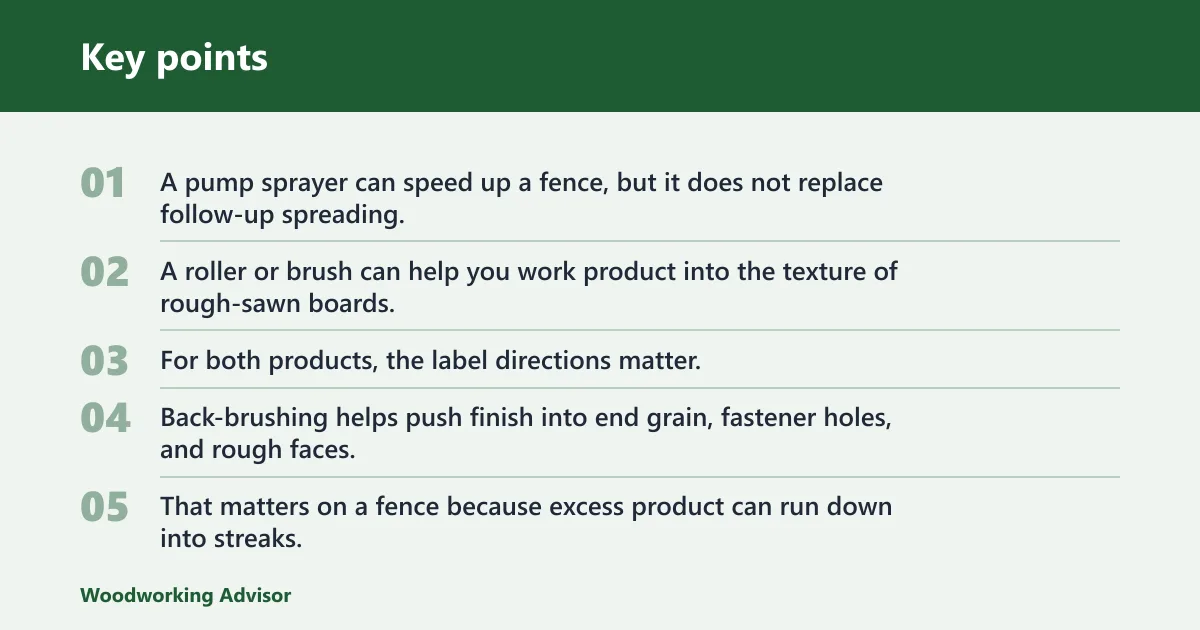
A pump sprayer can speed up a fence, but it does not replace follow-up spreading. A roller or brush can help you work product into the texture of rough-sawn boards, especially around knots and edges. For both products, the label directions matter, but the practical rule is simple: get coverage even, then stop before the board looks overloaded.
Back-brushing and runoff control
Back-brushing helps push finish into end grain, fastener holes, and rough faces, and it reduces puddling on the lower edge of each board. That matters on a fence because excess product can run down into streaks. If the surface is very absorbent, thin-looking first coats are usually safer than trying to wet out the board in one pass.
Coverage rate and over-application risks
Coverage changes with porosity, grain, and whether the fence is smooth or rough-sawn. Rough-sawn lumber usually uses more product than smooth boards because there is more surface area and more open fiber to fill. Over-application can cause blotching, tackiness, or runoff, especially on a fence where gravity keeps pulling wet finish downward.
Picture a 6-foot cedar privacy fence on a sunny side yard with rough-sawn pickets. If the first pass is too heavy, the lower edges can stay glossy longer and leave dark drip zones. A lighter pass plus back-brushing usually gives a cleaner result than trying to flood the wood.
Fence prep and compatibility
Prep decides more fence results than the brand name does. Clean the boards, let them dry, and check for mill glaze on smooth lumber before coating. If the fence is too wet, dirty, or weathered, either product can fail early, especially on end grain and around fastener holes.
Cleaning and drying before coating
Wash off mildew, dirt, and loose gray fiber before staining. Then let the wood dry fully; pressure-treated lumber often needs more drying time than people expect. A moisture check is worth doing because a fence that still holds water inside can trap finish near the surface and shorten service life.
Mill glaze and moisture content
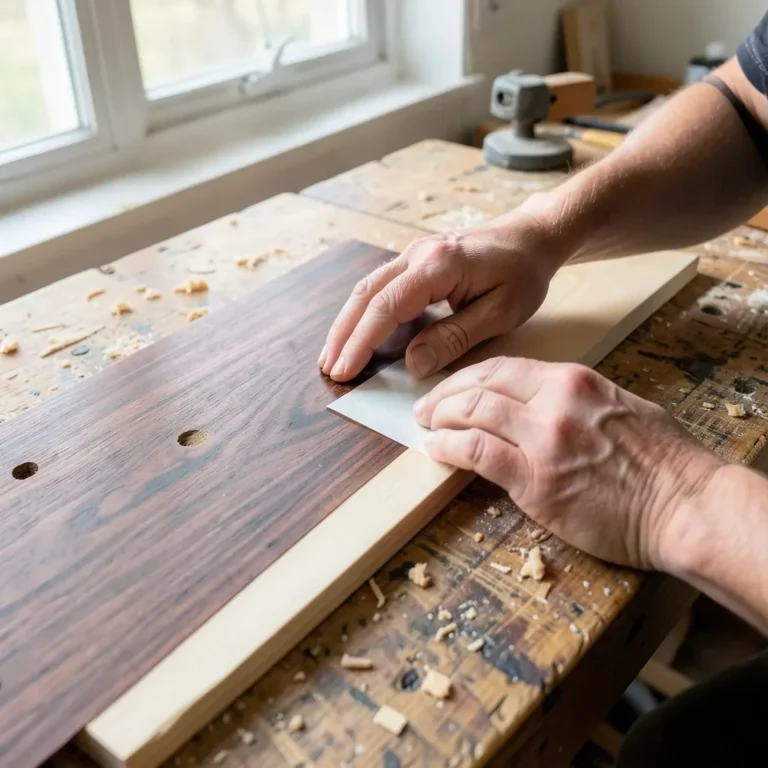
Smooth new boards sometimes carry mill glaze, a shiny surface layer that can block absorption. If water beads on the board, the finish may not soak in evenly. Light sanding or other label-approved surface prep can help open the fibers so the stain can penetrate instead of sitting on top.
Using either product over old stain
Both products can go over previously stained wood only if the old coating is sound, clean, and compatible with a penetrating finish. If the old finish is peeling, heavily oxidized, or sealed so tightly that water beads on top, strip or prepare it first. Spot testing a hidden section is smart before you coat the whole fence.
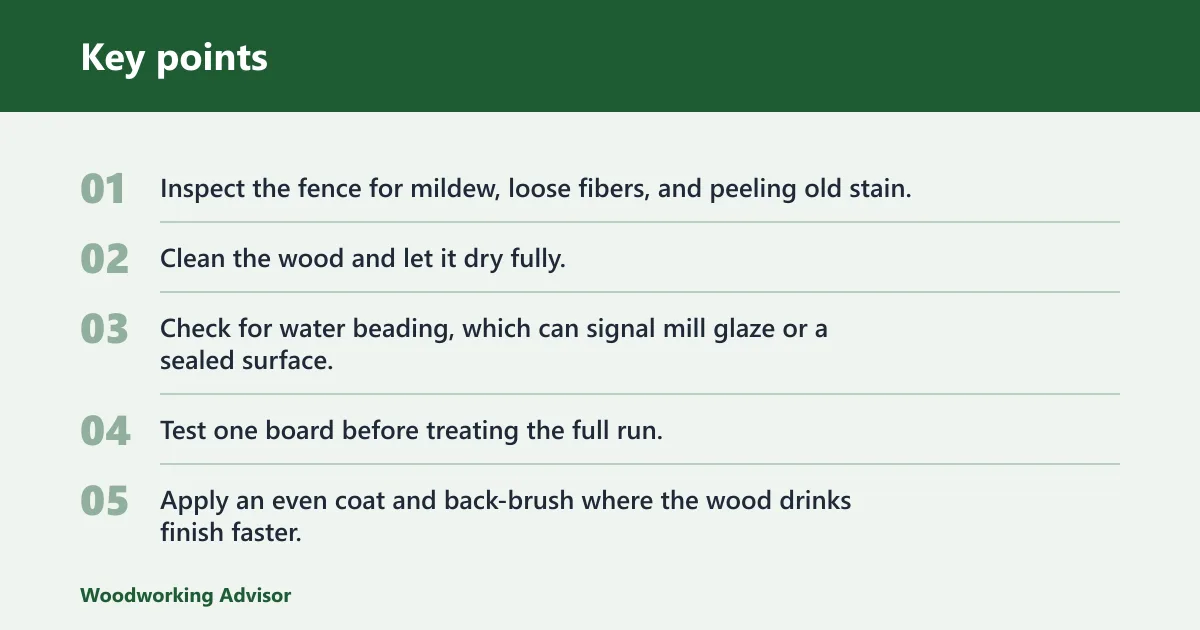
- Inspect the fence for mildew, loose fibers, and peeling old stain.
- Clean the wood and let it dry fully.
- Check for water beading, which can signal mill glaze or a sealed surface.
- Test one board before treating the full run.
- Apply an even coat and back-brush where the wood drinks finish faster.
- Reinspect after the first season and plan the next coat by exposure.
Choose Ready Seal if… / Choose Penofin if…
Choose Ready Seal if your fence is a weekend project, you want simpler application on vertical boards, or you value easier spot maintenance after the first season. Choose Penofin if your fence is highly sun-exposed, you are finishing cedar or another species that benefits from a UV-focused oil stain, and you are willing to recoat on a tighter schedule.
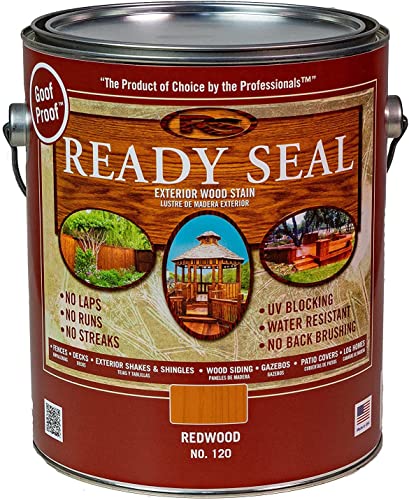
Ready Seal
Ready Seal is the better pick for fast application, rough-sawn boards that need a forgiving workflow, and homeowners who want less maintenance burden. It is also the safer default when the fence has mixed absorption or when you want to spray, back-brush, and move on without much drama.
Penofin
Penofin may be the stronger choice when UV protection is the top concern and a finish aimed at exterior weathering is preferred. It fits cedar and redwood especially well, and it makes sense if you are comfortable with planned inspections and earlier recoats on sunny fence runs.
Frequently asked questions
Is Ready Seal or Penofin better for a wood fence?
For most wood fences, Ready Seal is the better all-around choice because it is easier to apply on vertical boards and usually needs less upkeep. Penofin is the better pick when you want stronger UV-focused performance and are willing to maintain the fence more actively. Your fence species and sun exposure should decide the rest.
Which lasts longer on an exterior wood fence, Ready Seal or Penofin?
Penofin usually has the edge on a sunny fence because it is aimed more directly at UV protection. That said, real-world life depends on pigment level, exposure, and whether you recoat before the finish fades too far. A neglected sunny fence will age fast with either product.
Do you need to brush or back-brush Ready Seal or Penofin on a fence?
Back-brushing is strongly recommended for both products on fence boards, especially rough-sawn lumber and end grain. It helps even out absorption, pushes finish into pores, and reduces runoff lines on vertical surfaces. A sprayer alone can leave the coat uneven if you do not follow up with a brush or pad.
Which stain is easier to apply on rough-sawn fence boards?
Ready Seal is usually easier on rough-sawn boards because it is more forgiving when you apply it quickly and spread it evenly. Penofin can still work well, but rough stock makes over-application more noticeable. On either product, rough lumber uses more finish than smooth boards.
How often do you need to reapply Ready Seal or Penofin on a fence?
Check the fence after the first season, then recoat based on exposure and appearance rather than a fixed calendar alone. Sunny runs usually need attention sooner than shaded ones. Ready Seal often fits a lighter maintenance routine, while Penofin typically makes more sense when you plan for more regular recoating.
Can you use Ready Seal or Penofin over previously stained wood?
Yes, but only if the old finish is clean, sound, and compatible with a penetrating stain. If the surface is peeling, heavily weathered, or sealed against absorption, prep first or strip it back. A hidden test area is the safest way to check before you coat the full fence.
Which product is better for UV protection on a fence?
Penofin is usually the better choice for UV protection on a fence because the product line is aimed at exterior weather defense. More pigment and timely recoating matter more than any single label promise. If sun exposure is severe, maintenance timing becomes part of UV performance.
Sponsored / affiliate links. As an Amazon Associate I earn from qualifying purchases. I may earn additional commission from eligible campaigns.